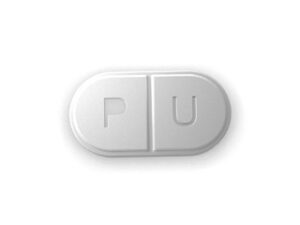

Mestinon (Pyridostigmine) — Patient-Friendly Guide (Australia)
Mestinon is a medicine used to treat certain conditions where nerve signals to muscles are weakened. Its active ingredient, pyridostigmine, helps improve communication between nerves and muscles, making muscle strength and endurance more reliable for many people.
This page explains how Mestinon works, what it’s used for, how it’s typically taken, and important safety information. Always follow your healthcare professional’s instructions and the product label for your specific dose and schedule.
Key product information
- Brand name: Mestinon
- Active ingredient: Pyridostigmine
- Medicine type: Cholinesterase inhibitor (nerve–muscle communication support)
- Common conditions treated: Myasthenia gravis (including ocular and generalised forms), and other selected neuromuscular conditions under medical guidance
- Availability: Generally available through Australian pharmacies depending on formulation and stock
How Mestinon works (mechanism of action)
Pyridostigmine is a reversible inhibitor of acetylcholinesterase, an enzyme that breaks down the chemical messenger acetylcholine at the nerve–muscle junction.
In simplified terms:
- Normally, acetylcholinesterase rapidly clears acetylcholine after it signals a muscle.
- By inhibiting this enzyme, pyridostigmine allows acetylcholine to remain active longer.
- This can help muscles receive stronger or more sustained signals, improving strength.
Mestinon is not a cure for underlying disease, but it can significantly improve day-to-day function—especially for muscle weakness associated with conditions like myasthenia gravis.
Pharmacokinetics (how the body handles it)
Pharmacokinetics describes absorption, distribution, metabolism, and elimination. While individual responses vary, the general pattern includes the following:
- Onset & duration: In many patients, effects begin within roughly 30 minutes to 1 hour after a dose and may last for several hours. Exact timing depends on the person, formulation, and dose.
- Peak effect: Usually occurs within a few hours after dosing.
- Metabolism & elimination: Pyridostigmine is primarily eliminated by the kidneys. Kidney function can influence how long it remains in the body.
If you have reduced kidney function, your healthcare professional may adjust dosing and monitor you more closely for side effects.
Typical uses of Mestinon
Mestinon is most commonly used to treat myasthenia gravis, a disorder where the immune system affects the normal transmission of nerve signals to muscles. It may be used for:
- Ocular myasthenia gravis: weakness affecting eye muscles (for example, drooping eyelids or double vision)
- Generalised myasthenia gravis: weakness affecting multiple muscle groups, such as swallowing, facial, arm, and leg muscles
- Symptom control: improving strength and reducing fatigue
- Situational planning: supporting muscle performance around daily activities when symptoms fluctuate
In some cases, pyridostigmine may be considered for other neuromuscular or autonomic conditions. If another indication applies to you, your clinician will outline the reason and expected goals.
How to take Mestinon (timing and practical use)
Many people with myasthenia gravis notice that muscle weakness can vary by time of day and activity. Mestinon is often taken on a schedule designed to match periods of greater need.
Common timing principles
- Plan around meals and activities: weakness may increase with prolonged activity or later in the day, so dosing may be timed accordingly.
- Keep a consistent routine: regular timing can help maintain steadier symptom control.
- Track your response: note when doses are taken and when you notice improved strength or side effects.
- Don’t double up: if a dose is missed, follow advice from your healthcare professional or pharmacist—do not take extra doses unless instructed.
Practical tips
- Use a medication reminder: phone alarms or a blister pack can help maintain schedule accuracy.
- For variable symptoms: consider how fatigue behaves for you personally—some people benefit from more frequent smaller dosing.
- Keep an “activity plan”: schedule demanding tasks (driving, walking longer distances, meals) when you tend to feel strongest.
- Monitor swallowing: if you have bulbar symptoms (swallowing/voice), be extra cautious during peak activity and after dose changes.
Dosing (general guidance)
Dosing of pyridostigmine is individualized. Factors include the condition being treated, age, body weight, symptom severity, kidney function, and tolerance. The goal is to achieve symptom relief while minimizing side effects.
A clinician may start at a lower dose and titrate upward gradually based on response.
| Aspect | What’s typical / what to expect |
|---|---|
| Starting dose | Often low to assess tolerance, then adjusted to symptom control. |
| Frequency | Frequently multiple times daily, depending on symptom pattern and formulation. |
| Titration | Dose may be adjusted every few days to weeks based on effects and side effects. |
| Kidney function | May require dosing adjustments if kidney function is reduced. |
| Upper balance | Clinicians aim to avoid “too much” (cholinergic symptoms) while maintaining benefit. |
Important: Because dosing is highly individual, you should use the dose prescribed for you. Do not change your schedule without professional advice.
Food interactions and meal effects
Food can influence drug absorption for some medicines. With pyridostigmine, meal timing may affect how quickly you feel benefit for some people. In practice, many patients find it easiest to take doses consistently at the same relationship to meals.
To reduce variability:
- Take it the same way each day (for example, always with food or always on an empty stomach) unless instructed otherwise.
- If stomach upset occurs: taking doses with food may help. Discuss this with your pharmacist or doctor.
- Watch for pattern changes: if your symptoms noticeably shift after meal-related dosing changes, return to a consistent approach and seek advice.
Alcohol interactions
Alcohol can worsen neuromuscular symptoms for some people and may increase the risk of dizziness, drowsiness, or dehydration. While pyridostigmine does not typically have a single “direct” hazardous interaction with alcohol in all patients, alcohol may still affect:
- Muscle strength: alcohol may aggravate weakness or fatigue.
- Safety: coordination and swallowing may be more challenging.
- Medication tolerance: side effects such as nausea or stomach cramps may be more noticeable.
If you drink alcohol, consider discussing safe amounts with your healthcare professional, particularly if you have swallowing difficulties or respiratory involvement.
Interactions with other medicines
Pyridostigmine can interact with medicines that affect cholinergic pathways. Interactions may increase side effects or reduce effectiveness. Always tell your pharmacist or doctor about all medicines you use—including supplements and “as needed” products.
Medicines that may increase cholinergic effects
- Other cholinesterase inhibitors
- Some anticholinesterase or cholinomimetic agents used for various conditions
Medicines that may reduce the effect
- Anticholinergic medicines (sometimes used for overactive bladder, motion sickness, allergies, or other conditions) may work against pyridostigmine’s effect by blocking acetylcholine action.
General examples (discuss with pharmacist)
The list above is not complete. Specific medicines (for example, certain heart rhythm drugs, respiratory treatments, or bowel medicines) may have relevance depending on your personal situation. Your pharmacist can check interactions using your exact medicine list.
Tip: before starting any new medication, including antibiotics, sleep aids, or anti-allergy products, ask whether it could interact with pyridostigmine.
Indications (when Mestinon is considered)
In Australia, pyridostigmine is primarily indicated for myasthenia gravis. It may also be used in other settings based on specialist assessment and local guidance.
Indications can vary depending on formulation and clinical protocols. Your prescriber will confirm whether Mestinon is the right fit for your diagnosis and treatment goals.
Safety profile: common side effects
Like all medicines, Mestinon can cause side effects. Pyridostigmine’s action can increase cholinergic activity, leading to symptoms that resemble “overstimulation” of the nervous system and digestive tract.
Common or expected side effects
- Gastrointestinal symptoms: nausea, diarrhoea, abdominal cramps, increased bowel movements
- Increased saliva or sweating
- Headache
- Muscle cramps or increased twitching
- Frequent urination
- Runny nose or increased secretions
Signs of “too much” (cholinergic excess)
If the dose is too high for you, you may experience a combination of the following. Seek medical advice promptly if you suspect you’re getting excessive cholinergic effects.
- Significant diarrhoea or vomiting
- Excessive drooling, sweating, or tearing
- Marked stomach cramps
- Worsening weakness that doesn’t improve with rest
- Breathing discomfort (urgent)
Sometimes, it can be challenging to distinguish between under-treatment (myasthenic symptoms) and over-treatment (cholinergic symptoms). That’s why dose adjustments should be guided by a clinician.
Serious warnings: when to seek urgent help
Contact emergency services or seek urgent medical care if you experience:
- Difficulty breathing, wheezing, or severe shortness of breath
- Trouble swallowing with choking, drooling that is worsening, or inability to keep fluids down
- Severe weakness spreading quickly or inability to speak clearly
- Fainting or severe dizziness
These symptoms can signal a serious complication and need immediate assessment.
Safety considerations: special populations
Pregnancy and breastfeeding
Pyridostigmine is used in patients who may become pregnant or are breastfeeding, but individual assessment is needed. If you’re pregnant, planning pregnancy, or breastfeeding, discuss risks and benefits with your healthcare professional.
Children
Use in children should be managed by a clinician experienced in paediatric neuromuscular conditions, with appropriate dosing and monitoring.
Older adults
Older adults may be more sensitive to gastrointestinal side effects and dehydration. Kidney function can also decline with age, potentially affecting medicine duration.
Practical use tips for best results
- Maintain consistent schedule: fluctuating dose timing can make symptoms less predictable.
- Consider symptom diaries: record dose times, symptom severity (fatigue, vision, swallowing, breathing), and side effects.
- Hydration matters: if diarrhoea occurs, drink fluids and contact your doctor if symptoms persist.
- Plan for activities: many people do best when demanding tasks are scheduled for times when benefit is strongest.
- Be alert to secretion changes: increased saliva or mucus can affect swallowing—seek advice if it becomes problematic.
- Never stop abruptly without guidance: sudden changes may worsen weakness.
Alternative options
Treatment for myasthenia gravis and related neuromuscular conditions often involves more than one approach. Depending on diagnosis and severity, alternatives or add-on options may include:
Other symptomatic treatments
- Immunosuppressive therapies (commonly used to reduce disease activity over time)
- Other cholinesterase inhibitors (clinician-directed choices based on response and side effects)
Non-medicine approaches (supportive care)
- Energy conservation strategies and rest planning
- Speech and swallowing support when bulbar symptoms are present
- Physiotherapy tailored to neuromuscular weakness
Your healthcare professional can help you decide which options suit your specific type of disease, symptom pattern, and overall health.
Australia: market and legal context (general overview)
In Australia, medicines are regulated under the Therapeutic Goods Administration (TGA) framework. Access to medicines may be influenced by:
- Product listing and supply in Australia
- Formulation availability (different strengths or types)
- Prescribing and dispensing rules applicable to the specific medicine
- Clinical guidelines used by specialist services
For online pharmacy purchasing, the available products and the ordering process may vary depending on how your medicine is classified and what documentation is required by law and policy. Always check the product page details for ordering and supply information.
Recent guidance and updates (what to watch for)
Clinical care for myasthenia gravis can evolve with updated guidelines, safety monitoring practices, and specialist protocols. While treatment principles for pyridostigmine remain consistent, you may see changes in:
- Monitoring recommendations (for example, managing swallowing and respiratory function)
- How doses are titrated when symptoms fluctuate
- Advice on managing medication interactions as new medicines become available
If you notice a change in your symptoms, side effects, or breathing/swallowing function, seek clinical advice. Your treatment plan may need adjustment.
Delivery and availability (online pharmacy)
Availability of Mestinon and specific strengths can vary. When ordering online:
- Stock status: Some strengths or formulations may be temporarily unavailable.
- Dispensing workflow: Online orders typically follow pharmacy verification and dispensing procedures.
- Shipping: Delivery timelines depend on location and courier service.
- Cold chain: Pyridostigmine tablets typically do not require cold storage, but always follow label storage instructions.
For accurate delivery estimates and current stock, check the product listing on your chosen Australian pharmacy site.
FAQ about Mestinon (Pyridostigmine)
1) What is Mestinon used for?
Mestinon (pyridostigmine) is most commonly used to help manage muscle weakness in myasthenia gravis, improving nerve-to-muscle communication.
2) When will I notice the effect?
Many people feel benefit within about 30 minutes to 1 hour after a dose, with effects lasting for several hours. Your timing may differ—tracking your response can help you plan daily activities.
3) Can I take Mestinon with food?
It’s often possible, but consistency is important. If your stomach is sensitive, taking it with food may reduce nausea or cramps. Follow the instructions provided with your medicine.
4) What side effects are most common?
The most common include gastrointestinal symptoms (such as diarrhoea, nausea, and abdominal cramps), increased saliva/sweating, and headache.
5) What does “cholinergic excess” mean?
It refers to side effects that can happen when the dose is higher than your body needs, causing too much cholinergic activity. Symptoms may include severe diarrhoea, excessive drooling or sweating, and worsening weakness. Seek urgent medical advice if breathing or swallowing becomes difficult.
6) Is it safe to drink alcohol?
Alcohol may worsen weakness and can make side effects more noticeable. If you choose to drink, do so cautiously and consider discussing your situation with your healthcare professional—especially if you have swallowing or breathing issues.
7) How do other medicines interact with Mestinon?
Some medicines that affect acetylcholine (including certain anticholinergic drugs) may reduce Mestinon’s effectiveness or increase side effects. Provide your full medicine list to your pharmacist for an interaction check.
8) What should I do if I miss a dose?
Follow the advice provided by your pharmacist or healthcare professional. In general, do not double the dose unless instructed. If you’re unsure, contact your pharmacist for guidance.
9) Can Mestinon replace immunotherapy?
Mestinon is primarily a symptomatic medicine. It does not replace immunotherapy or other specialist treatments that may be needed to control the underlying disease activity. Your clinician will tailor a plan for you.
10) When should I seek urgent care?
Seek urgent help if you develop difficulty breathing, severe worsening weakness, trouble swallowing with choking, or signs of a serious reaction.
Summary
Mestinon (pyridostigmine) helps strengthen the communication between nerves and muscles by inhibiting acetylcholinesterase. It’s widely used for myasthenia gravis to improve symptoms and daily function. Optimal benefit depends on finding a dose and timing strategy that improves weakness without causing excessive cholinergic side effects. If you’re planning any medication changes, have questions about interactions, or notice breathing or swallowing difficulties, contact your healthcare professional promptly.