

Levothyroxine (Thyroid Hormone Replacement) — Patient Guide (Australia)
Levothyroxine is a medicine used to replace or supplement the natural thyroid hormone your body needs. It is one of the most commonly prescribed treatments for thyroid conditions in Australia. When taken correctly and monitored with blood tests, levothyroxine can help restore normal metabolism, energy levels, and normal growth and development (particularly in children).
This guide is designed to be patient-friendly and explains how levothyroxine works, how to take it, what to watch for, and key interactions—especially with food, alcohol, and other medicines.
Basic product information
| Category | Details |
|---|---|
| Medicine name | Levothyroxine (T4) |
| Medicinal role | Thyroid hormone replacement |
| Common forms | Oral tablets (and sometimes capsules/other presentations depending on brand) |
| Typical strengths | Vary by product (e.g., 25 mcg, 50 mcg, 75 mcg, 100 mcg, 125 mcg, 150 mcg, 175 mcg, 200 mcg) |
| Who may use it | Adults and children for hypothyroidism and related thyroid disorders |
| Monitoring | Blood tests such as TSH (and sometimes Free T4) |
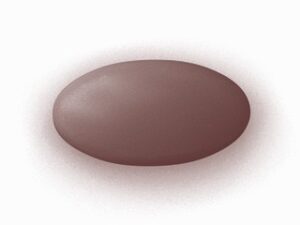
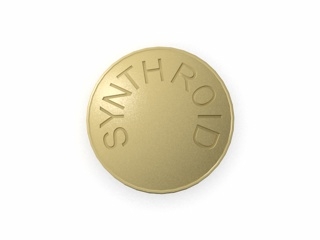
Brand names: Levothyroxine may be supplied under different brand names in Australia. The “active ingredient” is levothyroxine, but inactive ingredients and tablet appearance can vary between brands. Consistency matters for best results—see the “Practical use tips” section.
What levothyroxine does (mechanism of action)
Levothyroxine is a synthetic form of thyroxine (also called T4triiodothyronine (T3), which is the more active hormone.
Levothyroxine helps:
- restore normal thyroid hormone levels when your body does not make enough (hypothyroidism)
- support normal metabolism—how your body uses energy
- improve symptoms such as fatigue, weight gain, constipation, cold intolerance, and dry skin
- support heart function and healthy cholesterol levels
- support normal brain development in infants and children
Pharmacokinetics (how it moves through the body)
Understanding timing and absorption helps explain why levothyroxine should be taken consistently.
- Absorption: Levothyroxine is absorbed mainly in the small intestine. Absorption can be affected by food, beverages, and some medicines.
- Bioavailability: Variable between individuals, which is why dose adjustments are usually guided by blood tests.
- Distribution: It circulates bound to proteins (particularly thyroid-binding globulin).
- Conversion: T4 is converted to active T3 in the body.
- Metabolism and elimination: Levothyroxine is broken down in tissues and cleared through metabolic pathways. It has a relatively long effect because of its slow turnover.
- Onset: Some symptom improvement may occur within days to weeks, but full stabilisation often takes longer.
Why this matters: Because levothyroxine works over time and depends on stable absorption, dose changes are typically followed by repeat blood tests after an appropriate interval.
Typical uses and indications in Australia
Levothyroxine is used for several thyroid-related conditions, including:
- Primary hypothyroidism: When the thyroid gland does not produce enough thyroid hormone.
- After thyroid surgery: For example, following partial or total thyroidectomy.
- After radioactive iodine treatment: When thyroid hormone production becomes insufficient.
- Congenital hypothyroidism: In babies—this is time-critical and requires prompt treatment.
- Subclinical hypothyroidism: In selected cases depending on TSH level, symptoms, pregnancy status, and clinical factors.
- Treatment or suppression in certain thyroid cancers: In some situations, thyroid-stimulating hormone (TSH) may be intentionally suppressed to reduce growth stimulation of thyroid tissue.
Note: The exact indication and dosing strategy depends on your diagnosis, age, and other health conditions. Your clinician may individualise targets for TSH and Free T4.
How to take levothyroxine (timing and routine)
To improve absorption and reduce fluctuations in blood levels, levothyroxine should be taken in a consistent way.
Best timing (common approach)
- Take on an empty stomach, ideally in the morning.
- Wait 30–60 minutes before eating (follow your local product instructions and clinician advice).
- Take with water.
Some people prefer a different schedule (for example, taking at night). This may be appropriate if it leads to more consistent empty-stomach dosing.
Consistency is key
- Try to take it at the same time each day.
- Avoid changing brands frequently. If you switch brands, speak to your clinician or pharmacist and plan for follow-up blood tests if needed.
Missed dose
- If you miss a dose, take it as soon as you remember if it is close to the scheduled time.
- If it’s near the time for your next dose, generally skip the missed dose and resume your usual schedule.
- Do not take double doses to make up for the missed one.
If you’re unsure: Check the product information leaflet or ask your pharmacist for advice based on your dosing schedule.
Food interactions: what to avoid
Food can significantly affect levothyroxine absorption. The goal is to reduce variability so your blood levels stay stable.
Avoid taking with (or immediately around):
- Coffee (especially if taken soon after the tablet)
- High-fibre meals soon after dosing
- Soy-containing foods (may affect absorption in some people)
- Calcium-fortified drinks taken close to dosing
More spacing may be needed if you:
- have had absorption issues
- have gastrointestinal conditions (such as coeliac disease)
- take the medicine with inconsistent timing
Practical tip: If you eat breakfast soon after taking levothyroxine, absorption may be reduced. A longer interval (e.g., 60 minutes) may help—discuss your routine with your pharmacist or clinician.
Alcohol interactions
Moderate alcohol consumption is not usually expected to directly “cancel” levothyroxine. However, alcohol can affect overall health, adherence, and liver metabolism in some circumstances.
- Consistency matters: Avoid large or sudden changes in alcohol intake that could alter your wellbeing or nutritional status.
- Watch for symptoms: If you notice palpitations, tremor, or anxiety-like feelings, consider whether your dose may be too high, especially if alcohol triggers or worsens these feelings in you.
- Safety in specific situations: If you have liver disease or heavy alcohol use, talk to your clinician for tailored advice.
If you’re unsure about alcohol use in your specific circumstances, ask your pharmacist.
Medicine interactions (important)
Several medicines and supplements can change how levothyroxine is absorbed or how it works. The most common issue is reduced absorption due to minerals binding in the gut.
Common interaction groups
- Iron supplements (e.g., ferrous salts)
- Calcium supplements and antacids
- Magnesium containing products
- Sucralfate
- Cholestyramine and similar bile acid binders
- Some diabetes medicines and other agents may indirectly affect thyroid levels in some patients
- Medicines that affect liver metabolism (important for certain hormone-binding changes)
Spacing guidance (general principle)
Many interacting products require separation by several hours. For example, iron and calcium are often taken at least 4 hours apart from levothyroxine, but follow the advice in your product leaflet or from your pharmacist.
Don’t guess: Interaction timing can differ between products. If you take multiple medicines, it’s worth doing a quick medication check with your pharmacist.
Special note: supplements and “natural” products
- Multivitamins that contain iron or calcium can interact.
- Some weight loss products or supplements may contain thyroid-active ingredients. Always check labels and consult your pharmacist.
Dosing: how levothyroxine dose is chosen
Levothyroxine dosing is tailored to the individual. Your clinician will consider factors such as:
- age
- weight and body needs
- the cause of hypothyroidism
- how long you’ve had low thyroid function
- cardiovascular health (especially in older adults)
- pregnancy status
- your blood test results (TSH and Free T4)
Typical dosing approach
- Start low in some patients, particularly older adults or those with heart disease.
- Gradual adjustments may be made based on repeat blood tests.
- Maintenance dosing is often reached after stabilisation.
Children and infants
Children may require different dosing strategies based on age and weight, and careful monitoring is essential. In congenital hypothyroidism, early treatment is critical for normal development.
Pregnancy and thyroid levels
Pregnancy increases thyroid hormone requirements. Many people need an adjusted dose early in pregnancy to keep thyroid levels in a safe range.
Important: If you are pregnant, trying to conceive, or breastfeeding, discuss dosing targets and monitoring intervals with your clinician promptly.
How long until levothyroxine “works”?
Response varies. In many people:
- Improvement in symptoms may begin within 1–2 weeks, but can be gradual.
- Blood test stabilisation typically takes several weeks after starting or changing dose.
- Full effect often requires consistent dosing and follow-up testing.
Fatigue or weight changes may improve slowly. If symptoms worsen, you may have under- or over-treatment—this should be evaluated with blood tests rather than adjusting dose yourself.
Safety profile and side effects
Levothyroxine is generally well tolerated when the dose is appropriate. Side effects often occur when the dose is too high (leading to symptoms of “overactive thyroid”).
Common side effects (often dose-related)
- palpitations or faster heart rate
- tremor
- nervousness, irritability
- insomnia
- heat intolerance
- increased sweating
- headache
- increased appetite
- diarrhoea
Seek urgent medical care if
- you experience severe chest pain
- significant shortness of breath
- fainting or severe dizziness
- rapid irregular heartbeat (especially if you have known heart conditions)
Long-term safety considerations
- Over-treatment may increase the risk of bone thinning (osteoporosis) and heart rhythm issues, especially in older adults.
- Under-treatment may leave symptoms and associated risks of low thyroid hormone (such as high cholesterol) unaddressed.
Allergy
Allergic reactions are uncommon, but seek medical advice if you develop rash, swelling, or breathing difficulty.
Practical use tips for best results
- Choose a routine: morning dosing with an empty stomach is common; if you choose another time, keep it consistent.
- Use water only: avoid taking with milk, juice, or coffee.
- Separate interacting supplements: iron, calcium, magnesium, and antacids should be spaced as advised.
- Keep brand consistency: if you switch brands, inform your clinician and plan follow-up blood tests if recommended.
- Track symptoms: note changes in energy, weight, temperature tolerance, bowel habits, and heart rate.
- Plan blood tests: follow the monitoring schedule recommended by your healthcare professional after starting or changing dose.
- Don’t adjust on your own: changes should be guided by symptoms and blood tests.
Alternative options to levothyroxine
Levothyroxine (T4) is the standard thyroid hormone replacement in most guidelines because it provides stable hormone levels when absorbed consistently. Depending on the cause of hypothyroidism and your clinical history, alternatives may include:
- Liothyronine (T3): a different thyroid hormone form. It may be used in select cases but often requires careful monitoring due to different pharmacology and shorter duration.
- Combination therapy (T4/T3): sometimes considered by specialist clinicians for selected patients who do not feel well on T4 alone—this should be specialist-led.
- Desiccated thyroid extract: derived from animal thyroid tissue. Availability and consistency can vary, and it may not be preferred due to variable hormone content.
Important: If you are considering alternatives, discuss them with your clinician. Switching options can require new monitoring and can affect symptom control.
Market and legal context in Australia
In Australia, levothyroxine products are supplied through pharmacies and are regulated under Australian health and medicines frameworks. Availability and supply can depend on brand, dose strength, and ongoing market distribution.
Patients may notice differences between brands or tablet formulations. Australian guidance and best practice generally emphasise:
- using the same brand where possible
- monitoring with TSH/Free T4 when changing brand or dose
- maintaining consistent dosing and timing for stable results
In the online pharmacy setting: orders are typically processed through licensed channels, and the medicine you receive should match the ordered strength and formulation.
Recent guidance and monitoring principles
Over time, clinical practice has reinforced consistent use of levothyroxine and careful interpretation of blood tests. Common up-to-date themes include:
- Consistent dosing and absorption (empty stomach, fixed routine)
- Follow-up testing after starting or adjusting dose
- Brand consistency to reduce variability in hormone exposure
- Special attention in pregnancy, infants, older adults, and people with heart disease
Your pharmacist can help explain what to do when a supply issue occurs (for example, if your usual brand is temporarily unavailable) and how monitoring may be adjusted.
Delivery and availability (Australia)
Levothyroxine is commonly stocked by Australian pharmacies due to ongoing demand. Availability may vary by:
- dose strength and brand
- local supply and distribution timelines
- temporary shortages affecting specific formulations
Shipping: Most online pharmacies in Australia use standard and express courier services. Delivery times depend on your location and order processing times.
Packaging and storage: Keep levothyroxine in the original packaging and follow the storage instructions on the label (typically store below 25°C and protect from moisture unless stated otherwise).
When contacting us: If you need a specific strength urgently (e.g., due to pregnancy or recent dose changes), check delivery timeframes before ordering.
FAQ — Frequently asked questions
1) Can I take levothyroxine with breakfast?
It’s usually best to take levothyroxine on an empty stomach and wait 30–60 minutes before eating. Taking it with breakfast (or with coffee) can reduce absorption and lead to unstable thyroid levels.
2) What blood tests are used to monitor levothyroxine?
Most monitoring focuses on TSH and often Free T4. Your clinician decides the exact tests and timing based on your condition and dose changes.
3) How often will my dose be adjusted?
Dose adjustments vary. When starting or changing dose, follow-up testing is typically arranged after a period sufficient for blood levels to stabilise. Once stable, routine monitoring may be less frequent.
4) Is levothyroxine safe to take long term?
For many people, levothyroxine is needed long term. With appropriate dosing and monitoring, it is generally safe. The main risk comes from being consistently over- or under-treated.
5) What happens if I miss a dose?
If you remember soon after, you may take it. If it’s near your next dose, skip the missed dose and resume your usual schedule. Avoid doubling doses.
6) Can I drink coffee after taking levothyroxine?
For best absorption, avoid coffee close to the tablet. A longer gap (e.g., 60 minutes) is often recommended to reduce absorption variability.
7) Do iron or calcium supplements interact with levothyroxine?
Yes. Iron and calcium can bind levothyroxine in the gut and reduce absorption. Keep them separated by several hours, following advice from your product information leaflet or pharmacist.
8) Can levothyroxine be taken with other medicines?
Many medicines can be taken with levothyroxine, but some require spacing or caution. It’s helpful to review your complete list of medicines and supplements with a pharmacist, especially if you take antacids, iron, calcium, or bile acid binders.
9) Is alcohol a problem with levothyroxine?
Moderate alcohol is not usually a direct interaction, but individual factors matter (such as nutrition, adherence, and liver health). If you notice worsening symptoms, discuss with a healthcare professional.
10) Are there alternatives if levothyroxine isn’t working well?
Most patients do well on levothyroxine. If you feel unwell, the cause is often related to timing/absorption, adherence, interacting products, or dose accuracy. Alternatives (such as T3-containing options) may be considered for selected cases under specialist guidance.
When to contact a pharmacist or clinician
Contact your pharmacist or healthcare professional if you:
- have symptoms of over-treatment (e.g., palpitations, tremor, heat intolerance)
- have symptoms of under-treatment (e.g., persistent tiredness, weight gain, constipation)
- start or stop other medicines/supplements (especially iron, calcium, antacids)
- are pregnant or planning pregnancy
- switch brands due to supply reasons
With consistent daily use and appropriate monitoring, levothyroxine can effectively support normal thyroid hormone levels and improve overall wellbeing.