
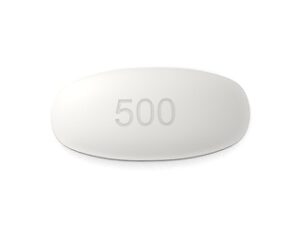
Maxalt (Rizatriptan) – Patient Information (Australia)
Maxalt is a medicine used to relieve the symptoms of migraine. It belongs to a group of medicines known as triptans. This page explains how Maxalt works, when to take it, common interactions, key safety information, and practical tips to help you get the best results from your treatment.
Important: Always read the consumer medicine information (CMI) supplied with your product and follow the directions of your healthcare professional.
Quick Facts
- Active ingredient: Rizatriptan
- Brand name: Maxalt
- Medicines type: Triptan (serotonin receptor agonist)
- Used for: Treatment of migraine attacks (with or without aura)
- Best used: Early in the attack (when migraine begins)
- Common formulations: Tablets and “wafer”/orally dispersing options (depending on product availability)
What Is Maxalt?
Maxalt contains rizatriptan, which is designed to treat acute migraine symptoms. It is taken once you feel a migraine attack starting—for example, when headache pain or other typical migraine symptoms begin.
Many people also have nausea and sensitivity to light and sound during migraine. Maxalt works by targeting pathways involved in migraine pain signalling, helping to reduce headache and accompanying symptoms.
How Maxalt Works (Mechanism of Action)
Migraine involves changes in the brain and nerves, including activation of trigeminal pain pathways and release of inflammatory substances. Rizatriptan helps by acting on serotonin (5‑HT) receptors.
- 5‑HT1B and 5‑HT1D receptor activity: Rizatriptan can reduce the release of pain-related neuropeptides.
- Vascular and nerve effects: It helps to narrow dilated blood vessels associated with migraine and decreases pain transmission in trigeminal pathways.
- Overall result: Relief of migraine headache and associated symptoms such as nausea and light sensitivity.
Note: Maxalt is for acute treatment of attacks; it is not generally intended to prevent migraines between attacks (prevention usually involves other therapies).
Pharmacokinetics (How the Body Handles Rizatriptan)
Pharmacokinetics describes absorption, distribution, metabolism, and elimination.
| Process | What typically happens |
|---|---|
| Absorption | Rizatriptan is absorbed after oral dosing. Time to start working may vary by person and formulation. |
| Peak levels | Blood levels rise after dosing and reach peak concentration within a few hours (varies with formulation and individual factors). |
| Metabolism | Rizatriptan is metabolised mainly by liver enzymes, including monoamine oxidase A (MAO‑A). |
| Elimination | Metabolites are removed primarily via the kidneys (urine). |
| Half-life | The active substance is cleared over several hours, which is why doses are taken for individual attacks rather than repeatedly during one attack. |
If you have liver impairment or kidney impairment, the medicine may stay in your system longer, and your healthcare professional may recommend a lower dose or adjusted limits.
What Is Maxalt Used For?
Maxalt is indicated for the acute treatment of migraine attacks, with or without aura.
It may also be used in some circumstances where your healthcare professional advises triptans, but it is specifically intended for migraine-type attacks.
When to Take Maxalt (Timing and How to Use It)
For best results, take Maxalt as soon as you feel a migraine starting, whether or not you have aura.
- During aura: Many people take treatment when the migraine symptoms begin; if aura is part of your pattern, your prescriber may advise how you should time your dose.
- Early migraine pain: Taking Maxalt early in the attack can improve the chance of relief.
- After headache resolves: Do not take extra doses just to prevent future attacks.
If the first dose doesn’t work: Do not take it repeatedly within the same attack without checking your dosing instructions. Some people find a second dose helpful if the first dose was only partially effective or symptoms returned.
Dose and Dosing Guidelines (Typical Adult Use)
Dosing can vary by product formulation and individual risk factors. The following provides general guidance; always follow your CMI and clinician’s advice.
| Typical scenario | General guidance |
|---|---|
| Adults for migraine | A single dose is taken at the start of a migraine attack. |
| If symptoms return | A second dose may be considered if needed, with an appropriate gap between doses as specified in your medicine information. |
| Maximum doses per day | There are limits on how many doses can be taken in 24 hours—follow the maximum stated for your product. |
| Drug interactions | Some interacting medicines require a lower dose limit or avoiding the combination. |
| Reduced liver/kidney function | Your clinician may recommend a reduced dose and/or reduced maximum daily use. |
Do not exceed the recommended dose or frequency. Overuse of acute migraine medicines can increase the risk of medication-overuse headache.
Food and Maxalt (Food Interactions)
Many people can take rizatriptan with or without food. However, food may influence how quickly your body absorbs the medicine, which can affect how soon you feel relief.
- With food: May slow absorption for some people, potentially delaying relief.
- Without food: May start working sooner because absorption may be faster.
Practical tip: If you tend to take Maxalt during the early stages of a migraine when nausea is present, consider what suits you best. If nausea makes swallowing difficult, check your product type and the CMI for guidance on taking your specific formulation.
Alcohol and Maxalt
Alcohol can trigger or worsen migraine in some people. While rizatriptan itself does not commonly cause a direct “dangerous” interaction with alcohol, combining alcohol with migraine treatment can complicate recovery.
- Alcohol may worsen migraine: Even small amounts can trigger headaches in susceptible individuals.
- Nausea and dizziness: Both migraine and triptans can cause nausea, drowsiness, or dizziness. Alcohol can add to these effects.
Practical advice: If you drink alcohol, consider limiting it during periods when migraine is active and avoid driving if you feel unwell or dizzy.
Medicine Interactions (Very Important)
Certain medicines can increase the risk of side effects or affect how rizatriptan works. Tell your healthcare professional about all medicines you take, including medicines for pain, nausea, depression, sleep, heart conditions, herbal products, and supplements.
Common interaction concerns
- Other triptans (e.g., sumatriptan, zolmitriptan): Using multiple triptans close together can increase side effect risk. Follow recommended timing between doses and avoid overlapping acute migraine treatments unless directed.
- Ergot medicines (e.g., ergotamine, dihydroergotamine): Combining with rizatriptan can increase the risk of blood vessel constriction. A suitable “washout” interval is typically required.
- MAO inhibitors (monoamine oxidase inhibitors): Because rizatriptan is metabolised by MAO‑A, these medicines can substantially affect rizatriptan levels. Generally, avoid this combination unless specifically authorised by your clinician.
- Certain antidepressants: Some may increase the risk of serotonin-related side effects when combined with serotonergic medicines.
- Medications that inhibit MAO‑A or alter liver metabolism: These can raise rizatriptan blood levels and require dosing adjustments.
- Propranolol: If you take propranolol for blood pressure, heart conditions, or migraine prevention, your rizatriptan dose may need adjustment. This is a well-recognised interaction.
Serotonin-related risk (serotonin syndrome)
Although uncommon, combining rizatriptan with other medicines that increase serotonin can rarely lead to serotonin syndrome. Seek urgent medical advice if you develop symptoms such as:
- High fever
- Agitation, confusion
- Shaking/tremor, muscle stiffness
- Fast heart rate, sweating
- Severe diarrhoea
Always consult your healthcare professional if you are unsure whether your medicines could interact with Maxalt.
Indications and When Maxalt May Not Be Suitable
Maxalt is for migraine attacks. It may not be suitable for people with certain cardiovascular or neurological conditions.
Examples of situations where you should seek medical advice
- History of heart disease, chest pain (angina), or a history of heart attack
- Stroke or transient ischaemic attack (TIA)
- Uncontrolled high blood pressure
- Severe liver disease or kidney impairment (may require lower dosing and careful monitoring)
- Previous allergic reaction to a triptan
If you have risk factors for heart disease (such as smoking, diabetes, high cholesterol, or strong family history), your clinician may assess suitability before recommending triptans.
Safety Profile: Common and Serious Side Effects
Most people tolerate rizatriptan well, but side effects can occur. The following list is not exhaustive.
Common side effects
- Head/skin sensations: tingling, flushing, warmth or redness
- Headache or dizziness (may be hard to separate from migraine symptoms)
- Nausea or stomach discomfort
- Fatigue or sleepiness
- Muscle/jaw/neck sensations (sometimes described as tightness or pressure)
Seek urgent medical help if you notice
- Chest pain, severe tightness, or pain spreading to the arm, jaw, or back
- Signs of stroke (face drooping, weakness, difficulty speaking, sudden vision changes)
- Severe allergic reaction (swelling of face/lips, difficulty breathing, hives)
- Severe or unusual neurologic symptoms
- Serotonin syndrome symptoms (as described earlier)
Medication-overuse headache: If you use acute migraine medicines too often (commonly several days per month), headaches can become more frequent. If this happens, discuss prevention options with a healthcare professional.
Practical Use Tips for Better Results
- Keep track of your attacks: Note onset time, severity, associated symptoms (nausea, aura), and whether Maxalt helped.
- Take early: Use at the start of migraine symptoms when possible.
- Hydrate: Dehydration can worsen migraines. Sip water if you can.
- Minimise triggers: During an attack, reduce exposure to bright light and loud sound.
- Use your migraine “rescue plan”: Some people combine triptans with anti-nausea or pain relief strategies. Ask your clinician what is appropriate for you.
- Watch for return of symptoms: If your migraine returns within a day, follow the approved dosing interval and maximum daily limit.
- Don’t drive if you feel dizzy or unwell: Migraine and triptans can affect alertness.
Alternative Options for Migraine Treatment
There are several approaches to acute migraine management. Your best option depends on your medical history, severity, frequency of attacks, and tolerability.
Acute (attack) options
- Other triptans: e.g., sumatriptan, zolmitriptan, naratriptan (choice may depend on response and interactions).
- NSAIDs or simple analgesics: e.g., ibuprofen or naproxen—may help mild to moderate attacks (if suitable for you).
- Anti-nausea medicines: can help manage nausea and improve comfort.
- Newer acute migraine medicines (non-triptan options): in some settings, clinicians may recommend CGRP-related therapies depending on availability and suitability.
Preventive (between-attacks) options
- Preventive medications (prescription options) such as certain blood pressure medicines, anti-epileptics, or antidepressants
- Botulinum toxin for chronic migraine (where appropriate)
- Lifestyle strategies: sleep regularity, hydration, trigger management, stress reduction
If you have frequent attacks (for example, more than a few days each month), ask your healthcare professional about prevention to reduce reliance on acute medicines.
Maxalt and Australia: Market & Legal Context
In Australia, medicines are regulated through the TGA (Therapeutic Goods Administration). Trip‑tan medicines are generally supplied under Australian regulatory frameworks, with access guided by local laws and pharmacy requirements.
Online pharmacies typically follow Australian compliance requirements including:
- Verified product identity and supply chain controls
- Provision of accurate product information and consumer medicine information
- Pharmacy workflows to ensure appropriate supply based on relevant requirements
Availability: Product availability can vary by manufacturer, dosage form, and current supply in the Australian market.
Recent Guidance and Clinical Considerations
Recent migraine care guidance commonly emphasises:
- Early treatment during an attack to improve the chance of relief
- Avoiding medication overuse by limiting acute medicine use
- Individualising therapy based on cardiovascular risk, tolerability, and response
- Considering prevention when migraine frequency or disability is high
Because guidance evolves, your healthcare professional or pharmacist can provide the most up-to-date local advice relevant to your situation.
Delivery and Availability (Online Pharmacy)
Availability of Maxalt (rizatriptan) and the specific pack size or formulation may vary. When ordering online, you can typically expect:
- Standard or express delivery depending on your location
- Careful packaging to protect tablets/wafer forms
- Tracking updates for dispatch and delivery status (where offered)
Tip: If you use Maxalt for acute attacks, plan ahead—having medication available before an expected travel period or during busy times can help avoid delays when migraines strike.
Storage and Handling
- Store at the recommended temperature range on the pack.
- Keep out of sight and reach of children.
- Check the expiry date on the carton and blister/pack.
- Do not use if the packaging is damaged or tablets/wafer appearance has changed.
Maxalt FAQ
1) How quickly does Maxalt work?
Many people begin to feel relief within a short time after taking rizatriptan, but exact timing varies. Your speed of absorption and the severity of your attack can influence how soon you notice improvement.
2) Can I take Maxalt if I have aura?
Yes, Maxalt is used for migraine with or without aura. Many people take it at the start of migraine symptoms. If your aura follows a predictable pattern, ask your healthcare professional for advice on timing for your situation.
3) What if the first dose doesn’t help?
If the first dose is not effective, do not take extra doses outside the directions in your medicine information. Some people may need a different approach or an alternative medicine. Speak with a healthcare professional for personalised advice.
4) Can I take Maxalt with other painkillers?
Sometimes migraine treatments are combined, but whether it is suitable depends on the medicines involved. In particular, avoid combining with other triptans or ergot medicines unless instructed. Ask your pharmacist for safe combination options.
5) How many days per month can I use Maxalt?
Frequent use of acute migraine medicines can contribute to medication-overuse headache. A common principle is to limit acute medicines to avoid overuse; the exact limit depends on the specific medicine and your pattern of migraine. Discuss your usage frequency with a healthcare professional.
6) Is Maxalt safe for everyone?
No. Triptans may not be appropriate for individuals with certain cardiovascular conditions, uncontrolled hypertension, stroke/TIA history, or specific drug interactions. Always review suitability with your healthcare professional or pharmacist.
7) Are there special precautions if I’m pregnant or breastfeeding?
Safety in pregnancy and breastfeeding can depend on the individual and severity of migraine. Seek medical advice before using rizatriptan during pregnancy or while breastfeeding.
8) What symptoms mean I should stop and seek urgent help?
Get urgent medical attention for chest pain, signs of stroke, severe allergic reactions, or symptoms suggestive of serotonin syndrome.
9) Can alcohol affect migraines even if I take Maxalt?
Yes. Alcohol can trigger or worsen migraine for many people. Even when Maxalt is taken, alcohol-related triggers can make symptoms more difficult to manage.
10) What are common early signs of side effects?
Tingling, flushing, nausea, or a feeling of tightness in the chest/neck/jaw can occur. If symptoms are severe, unusual, or you experience chest pain or breathing difficulty, seek medical help.
Summary
Maxalt (rizatriptan) is a triptan medicine used to treat acute migraine attacks, with or without aura. It works by targeting serotonin receptors to reduce migraine-related pain signalling. For many people, taking Maxalt early in the attack improves the chance of relief. As with all migraine treatments, it’s important to follow dosing limits, watch for medication overuse, and be alert to possible interactions—especially with MAO inhibitors, certain antidepressants, other triptans, ergot medicines, and propranolol.
If you’re unsure whether Maxalt is right for you or how it fits with your other medicines, speak with your pharmacist or healthcare professional for personalised advice.