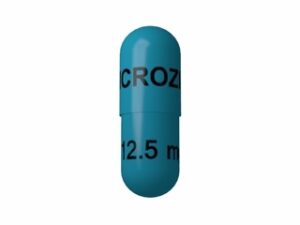
Lozol (Indapamide) – Patient Information (Australia)
Lozol is a brand of indapamide, a medicine used to help manage high blood pressure and, in some cases, fluid retention (oedema) associated with heart problems. Indapamide belongs to the class of medicines known as thiazide-like diuretics (“water tablets”).
This guide is designed to be easy to read and covers how Lozol works, how it’s typically taken, important safety information, and practical tips for getting the best results. If anything here worries you, contact your doctor or pharmacist.
At a glance
- Medicine: Indapamide (Lozol)
- Type: Thiazide-like diuretic
- Main uses: High blood pressure; sometimes fluid retention related to heart failure
- How it works: Helps your kidneys remove extra salt and water, while also relaxing blood vessels
- Common timing: Usually taken once daily in the morning
- Key risks: Low blood pressure, electrolyte changes (low potassium/sodium), dehydration
Basic product information
| Category | Details |
|---|---|
| Brand name | Lozol |
| Generic name | Indapamide |
| Drug class | Thiazide-like diuretic (water tablet) |
| Typical dosing frequency | Often once daily |
| Common form | Tablets (strength varies by product) |
How Lozol (Indapamide) works (mechanism of action)
Indapamide helps control blood pressure through two main actions:
- Diuretic effect: It acts on the kidney’s tubules to increase the loss of sodium and water in urine. This reduces fluid volume and helps lower blood pressure.
- Blood vessel effect: Indapamide also helps reduce peripheral vascular resistance (how strongly blood vessels resist blood flow), supporting lower blood pressure.
Important note: Many people feel no immediate “water pill” effect at the start. Blood pressure lowering may become noticeable over days to weeks, with effect depending on your overall condition and other medicines.
Pharmacokinetics (how the body handles indapamide)
Pharmacokinetics describes what happens to a medicine in the body—absorption, distribution, metabolism, and elimination. While exact details can vary by formulation and individual factors, the general principles are:
- Absorption: Indapamide is absorbed after oral dosing.
- Onset: Effects on urine output and blood pressure typically begin within hours, with blood pressure control developing over time.
- Protein binding: Indapamide is significantly bound to plasma proteins.
- Metabolism: It is metabolised in the liver.
- Elimination: Mostly excreted via kidneys (including through urine) and to a lesser extent through other routes. Kidney function can influence how safely it can be used.
If you have liver or kidney disease, tell your doctor or pharmacist. Your monitoring needs may be different.
Typical uses and indications
Lozol (indapamide) is commonly used for:
- Hypertension (high blood pressure): Helps reduce blood pressure to lower the risk of stroke, heart attack, and kidney complications.
- Fluid retention (oedema): In some patients, indapamide may be used to assist with fluid control, often as part of broader heart-failure or cardiovascular management.
Whether you’re taking it specifically for blood pressure, fluid retention, or both depends on your medical history.
When to take Lozol (timing and missed dose)
Typical timing
Because diuretics can increase urination, many people are advised to take indapamide in the morning to reduce disruption during sleep. Follow your prescriber’s instructions if they’ve advised a specific time.
With or without food
Indapamide can generally be taken with or without food. If it upsets your stomach, taking it with food may improve comfort.
Missed dose
- If you remember the same day: Take it when you remember unless it’s close to the next dose.
- If it’s near the next dose: Skip the missed dose and take the next dose at the usual time.
- Do not double up: Taking extra may increase the risk of dehydration or electrolyte imbalance.
If you are unsure, ask a pharmacist for advice tailored to your dosing schedule.
Food interactions and dietary considerations
Food does not usually have a major effect on indapamide, but diet can influence safety and effectiveness because indapamide affects salt and electrolyte balance.
- Salt (sodium) intake: Very high salt diets can make blood pressure harder to control. On the other hand, extremely low salt intake may increase risk of dizziness or electrolyte changes—aim for a balanced approach.
- Potassium-rich foods: Indapamide may lower potassium in some people. Eating potassium-containing foods (e.g., fruit and vegetables) may help, but do not start potassium supplements without professional advice.
- Grapefruit / citrus products: There’s no universally required restriction, but it’s best to check with your pharmacist if you use grapefruit regularly or have had medication interactions before.
Hydration tip: Drink fluids as advised and avoid extreme dehydration. If you are vomiting, have diarrhoea, or are unable to drink normally, contact your healthcare team because electrolyte issues can develop quickly.
Alcohol interactions
Alcohol can increase the risk of side effects such as dizziness, light-headedness, and low blood pressure—especially when you first start indapamide or when your dose changes.
- First weeks caution: Be extra careful when standing up (slowly rise from sitting/lying).
- Safest approach: If you drink alcohol, keep amounts moderate and monitor how you feel.
If you experience fainting, severe dizziness, or weakness after alcohol plus your medicine, seek medical advice urgently.
Medicine interactions (important safety section)
Indapamide can interact with other medicines, largely due to its effects on electrolytes and blood pressure, and because it may affect kidney function in some situations.
Common interaction types
- Other blood pressure medicines: Combination therapy is common, but may increase risk of low blood pressure or dizziness.
- Diuretics or dehydration risk medicines: Using multiple “water tablets” can increase risk of dehydration and electrolyte changes.
- Non-steroidal anti-inflammatory drugs (NSAIDs): Frequent NSAID use (e.g., ibuprofen, naproxen, diclofenac) may reduce diuretic effect and can stress the kidneys, particularly if you are dehydrated.
- Medicines affecting potassium levels: Some medicines can increase or decrease potassium—this matters because low potassium can increase risk of abnormal heart rhythms.
- Lithium: Indapamide may increase lithium levels, raising toxicity risk. This combination generally requires careful monitoring.
Examples to discuss with your pharmacist
- ACE inhibitors (e.g., perindopril, lisinopril)
- ARBs (e.g., losartan, valsartan)
- Other diuretics (e.g., furosemide, hydrochlorothiazide, spironolactone)
- Digoxin
- Antiarrhythmics and medicines that affect heart rhythm
- Diabetes medicines (dose adjustments may be needed in some cases)
- Oral anticoagulants (usually monitored based on your regimen)
- Corticosteroids
- Digoxin and some asthma/bronchodilator medicines (because of electrolyte sensitivity)
Herbal and supplement caution: Products that affect fluid balance or potassium (including some “detox” or diuretic herbal remedies) can increase side effects. Always mention supplements to your pharmacist.
Dosing (how indapamide is commonly taken)
Dose depends on the formulation, your medical condition, and your response, including blood test results. Follow your medication label and professional advice.
General dosing principles:
- Often once daily for most indapamide products.
- Use the lowest effective dose to control blood pressure and/or fluid retention.
- Do not change dose without advice, even if you feel well—blood pressure control is usually long-term.
If you miss doses frequently, blood pressure can become unstable. If you have trouble taking medicine at the right time, ask your pharmacist about practical strategies.
Safety profile: who should be careful and what to watch for
Like all medicines, Lozol (indapamide) can cause side effects. Many people tolerate it well, but it’s important to know what to watch for—especially in the first weeks and after dose changes.
Common side effects
- Increased urination (often shortly after taking the dose)
- Dizziness or light-headedness (particularly when standing)
- Headache
- Fatigue or weakness
Electrolyte and dehydration-related effects
Indapamide can lower certain electrolytes, leading to symptoms such as:
- Low potassium (hypokalaemia): muscle cramps, weakness, unusual tiredness, palpitations
- Low sodium (hyponatraemia): confusion, severe weakness, headaches, nausea
- Dehydration: dry mouth, thirst, reduced urination, dizziness
Rare but urgent symptoms
Seek urgent medical help if you experience:
- Fainting or severe dizziness
- Chest pain, severe palpitations, or irregular heartbeat
- Severe confusion, persistent vomiting, or signs of serious dehydration
- Allergic reactions such as swelling of the face/lips, rash with breathing difficulty
Who should be extra careful
- Older adults (higher risk of dizziness and electrolyte issues)
- People with kidney impairment
- People with liver disease
- Those with a history of electrolyte disturbances
- People taking multiple medicines that can affect blood pressure or potassium
Monitoring and practical use tips
Safe use of indapamide usually involves periodic checking of:
- Blood pressure (including standing and sitting if you feel dizzy)
- Kidney function (creatinine/eGFR)
- Electrolytes (sodium, potassium)
- Sometimes other blood tests based on your condition
Practical tips for everyday life
- Stand up slowly: This helps reduce dizziness or falls.
- Track your symptoms: If you feel light-headed, note the time and severity.
- Stay consistent: Take it around the same time each day.
- During illness: If you have vomiting/diarrhoea, or are unable to drink normally, you may need medical advice about whether to continue temporarily.
- Avoid overheating: Hot weather and strenuous exercise can worsen dehydration risk.
- Report muscle weakness/cramps: These may relate to potassium changes.
Alternative options
If indapamide isn’t suitable for you, there are other options for controlling high blood pressure and fluid retention. Your best alternative depends on your health conditions and other medicines.
Other diuretics
- Hydrochlorothiazide
- Furosemide
- Spironolactone (often with different monitoring needs)
Blood pressure medicines from other classes
- ACE inhibitors (e.g., perindopril)
- ARBs (e.g., losartan)
- Calcium channel blockers (e.g., amlodipine)
- Beta blockers (e.g., metoprolol)
- Others depending on your case
Important: Don’t stop or switch blood pressure medicine on your own. If you need alternatives, discuss with your healthcare professional.
Lozol in Australia: market, legal and regulatory context
Medicines in Australia are regulated through the Therapeutic Goods Administration (TGA). Depending on the product presentation, indapamide medicines may be supplied under specific prescribing and dispensing rules. Online pharmacy services in Australia typically follow these requirements, along with identity checks and pharmacy workflow to ensure safe supply.
Availability can vary by brand and strength. Where a brand is temporarily unavailable, pharmacists may offer equivalent alternatives if permitted for your product and situation.
Recent guidance and safety updates (how to stay current)
Guidelines for hypertension and heart-related fluid management in Australia are updated over time by professional bodies and clinical practice recommendations. While specific “recent” updates can vary by year and publication, the ongoing themes relevant to indapamide include:
- Consistent monitoring of electrolytes and kidney function, especially for older adults and people with existing kidney issues.
- Careful selection and review of diuretic therapy when combined with other medicines that can affect blood pressure or potassium.
- Patient education about dizziness, dehydration, and “sick day” risks.
For the latest local recommendations, your GP or pharmacist can also check current resources. If you have symptoms or abnormal blood test results, seek advice rather than adjusting doses yourself.
Delivery and availability (online pharmacy information)
Online pharmacies in Australia generally offer delivery to eligible addresses. Delivery times can depend on stock availability and your location (metro vs regional). Availability of Lozol may fluctuate, especially around manufacturer supply changes.
To make ordering easier:
- Confirm the strength and form shown on your label.
- Ensure your delivery address details are correct.
- Allow time for packaging and dispatch.
- If your preferred brand is unavailable, ask whether an appropriate equivalent can be supplied (where allowed).
Tip: Keep a small buffer supply at home when possible, particularly for medicines used long-term.
FAQ: common questions about Lozol (Indapamide)
1) What is Lozol (indapamide) used for?
Lozol is used mainly to treat high blood pressure. In some patients it can also be used to help manage fluid retention, often as part of broader cardiovascular treatment.
2) When will it start working?
You may notice effects on urination within hours. Blood pressure control typically improves over days to weeks. The timing and extent of response varies between individuals.
3) Should I take it in the morning?
Most people take indapamide in the morning to reduce nighttime urination. Follow your specific instructions if you were advised a different schedule.
4) Can I take Lozol with food?
Yes—generally it can be taken with or without food. Taking it with food may help if you feel nauseated.
5) What foods should I avoid?
There are no universal “forbidden” foods. However, your diet can affect salt and potassium balance. Avoid extreme dietary changes without advice, and maintain a balanced intake of fluids and electrolytes.
6) Does it affect potassium?
Indapamide may lower potassium in some people. Your doctor may monitor potassium through blood tests. Don’t start potassium supplements without professional advice.
7) Is it safe to drink alcohol?
Alcohol can increase the risk of dizziness and low blood pressure. If you drink, keep it moderate and monitor for light-headedness. If symptoms occur, seek advice.
8) Can I take ibuprofen or other pain relievers?
Occasional doses may be acceptable, but regular NSAID use can affect kidney function and reduce diuretic effectiveness. Ask your pharmacist for personalised guidance, especially if you’re elderly or have kidney issues.
9) What should I do if I miss a dose?
Take it when you remember on the same day if it’s not close to the next dose. Otherwise skip and take the next scheduled dose. Don’t double up.
10) When should I seek medical help?
Get urgent help for severe dizziness/fainting, chest pain, significant palpitations, confusion, signs of severe dehydration, or symptoms of an allergic reaction.
Summary
Lozol (indapamide) is a thiazide-like diuretic used to manage high blood pressure and sometimes fluid retention. It lowers blood pressure by helping your kidneys remove excess salt and water while also reducing blood vessel resistance. To use it safely, pay attention to timing (often in the morning), hydration, and possible side effects—especially those related to electrolytes and blood pressure.
If you have questions about interactions with your other medicines, kidney function, or recent blood test results, speak with your pharmacist or doctor.