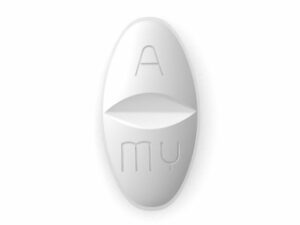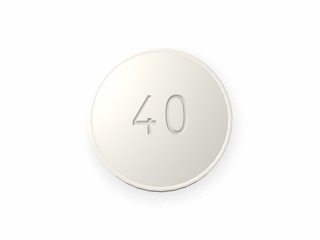
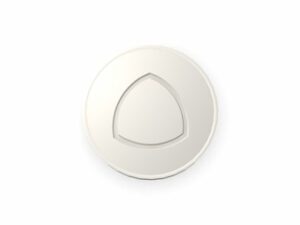
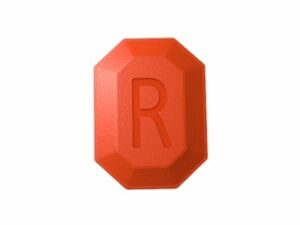
Isoptin SR (Verapamil) – Patient-Friendly Guide (Australia)
Isoptin SR is a brand of verapamil formulated as a sustained-release (SR) tablet. It is used to treat certain heart and circulation conditions by helping relax blood vessels and slow the heart rate.
This page explains how Isoptin SR works, how it is taken, important interactions, safety information, and practical tips for everyday use in Australia. Always follow the instructions provided with your product and seek medical advice if you are unsure.
1) Basic product information
- Medicine: Isoptin SR
- Active ingredient: Verapamil
- Form: Sustained-release (SR) tablet
- How it works: Released gradually over time to maintain steadier blood levels
- Common strengths: Available in different SR tablet strengths (exact strengths vary by brand/market availability)
In Australia, medicines are supplied through licensed pharmacies and are generally subject to local regulatory requirements. Availability may vary by strength and supply.
2) How Isoptin SR works (mechanism of action)
Verapamil is a calcium channel blocker, specifically acting mainly on the type L calcium channels in the heart and blood vessels. By blocking calcium entry into muscle cells, it reduces muscle contraction.
Key effects include:
- Slows heart rate: Verapamil decreases conduction through the heart’s electrical system (particularly the AV node).
- Reduces contractility: It lowers the strength of heart muscle contraction.
- Relaxes blood vessels: This helps lower vascular resistance and can support blood pressure control.
Because Isoptin SR releases medicine gradually, its effects are designed to last over the dosing interval.
3) Pharmacokinetics (how the body processes it)
“Pharmacokinetics” describes what the body does to the medicine and includes absorption, distribution, metabolism, and elimination. While individual responses vary, the main principles are:
- Absorption: Verapamil is absorbed from the gut. With SR tablets, the release is extended to provide steadier levels.
- Peak levels: SR formulations typically reach peak blood levels later than immediate-release forms.
- Metabolism: Verapamil is extensively metabolised in the liver.
- Elimination: It is cleared through metabolic pathways, with elimination occurring mainly via urine (as metabolites) and other routes.
- Half-life: The effective half-life depends on formulation and patient factors; SR tablets are designed for longer action.
Liver function matters: Because verapamil is metabolised by the liver, liver impairment can increase medicine levels and risk.
4) Typical uses in Australia
Isoptin SR (verapamil) may be used for several cardiovascular conditions, depending on the individual and the treatment plan. In practice, verapamil is commonly used for:
- Angina (chest pain), including some forms related to coronary artery spasm
- Some rhythm problems such as certain supraventricular tachyarrhythmias (fast heart rhythms)
- Hypertension (high blood pressure) in selected patients
- Prevention of migraine (in some clinical settings), where appropriate
The exact indication for your situation depends on your diagnosis, symptoms, and any ECG findings.
5) When to take Isoptin SR (timing and consistency)
Because Isoptin SR is sustained-release, timing and consistency are important.
- Take at the same time each day to maintain steadier drug levels.
- Swallow whole with water. Do not crush or chew unless your product instructions specifically allow it.
- Do not take extra doses to “catch up” if you miss one—follow the advice on missed dosing below.
Missed dose (general guidance)
If you miss a dose, take it when you remember if it is close to the next scheduled dose. If it’s nearly time for the next dose, skip the missed dose and resume your normal schedule. Avoid doubling up.
6) Food interactions and dietary considerations
Food can influence how quickly and how much verapamil is absorbed. While some people can take it with or without food, it’s best to follow your prescriber’s instructions or the label directions.
Grapefruit and some fruit juices
Grapefruit and grapefruit juice may increase verapamil levels, potentially raising the risk of side effects. It is commonly recommended to avoid grapefruit while taking verapamil.
General tips
- Try to take Isoptin SR consistently with respect to meals (e.g., always with breakfast or always after a meal), unless advised otherwise.
- If you notice dizziness or faintness after a dose, consider whether timing with meals changes your symptoms and discuss this with your healthcare professional.
7) Alcohol and medicine interactions
Alcohol
Alcohol may increase side effects such as dizziness, light-headedness, or low blood pressure. If you drink alcohol, do so cautiously and avoid driving or operating machinery until you know how the medicine affects you.
Common medicine interactions
Verapamil interacts with a wide range of medicines. These interactions may change blood levels of verapamil or the other medicine, or increase the risk of heart rhythm problems, excessive heart rate slowing, bleeding, or blood pressure drops. Tell your healthcare professional (and pharmacist) about all medicines you take, including over-the-counter products and supplements.
- Other medicines that slow the heart (e.g., some beta-blockers, digoxin): can increase risk of bradycardia or heart block.
- Antiarrhythmics: may have additive effects on heart conduction.
- Medicines that affect liver enzymes (e.g., certain antibiotics/antifungals, some HIV medicines): can raise or lower verapamil levels.
- Blood pressure medicines (e.g., ACE inhibitors, ARBs, diuretics): may increase risk of low blood pressure.
- Statins (some types): certain statins can have increased levels when used with verapamil.
- Carbamazepine and other seizure medicines: may be affected by enzyme interactions.
- Some immunosuppressants and other speciality medicines: may interact via metabolism.
- Cimetidine (heartburn medicine): may increase verapamil levels in some cases.
Important: This is not a complete list. Always check with a pharmacist for your specific combination of medicines.
8) Indications (who it may be used for)
Isoptin SR may be prescribed for conditions where slowing heart rate and improving blood vessel tone is beneficial. Indications can include:
- Angina (including stable angina and sometimes coronary spasm–related angina)
- Supraventricular tachycardias (certain fast heart rhythms originating above the ventricles)
- Hypertension in selected individuals
- Other selected uses depending on local clinical practice (e.g., migraine prevention may be considered by clinicians)
Your clinician will consider your ECG, heart rate, blood pressure, history of heart failure, and other medical factors before deciding on verapamil.
9) Dosing guidance (how it is usually started and adjusted)
Dosing varies widely depending on the condition being treated, age, kidney function, liver function, and other medicines. Follow the dosing on your label exactly.
General principles:
- Start low and increase gradually when needed.
- SR tablets are designed for longer effect; doses are usually taken once daily or twice daily depending on the regimen.
- Do not break the sustained-release tablet unless instructions explicitly permit it.
Typical dosing patterns (examples)
In many clinical practices, SR verapamil is titrated over time based on response and side effects. Exact starting doses and target doses depend on the indication and product strength.
| Condition (example) | Common approach (general) | What to monitor |
|---|---|---|
| Angina | Gradual titration of SR dose to control symptoms | Chest pain pattern, heart rate, blood pressure |
| Some supraventricular tachycardias | Dose adjusted to control rate/rhythm and prevent episodes | Heart rate regularity, dizziness, fainting, ECG if advised |
| Hypertension | Once or twice daily SR dosing; titrate based on BP response | Blood pressure readings and symptoms of low BP |
Special caution: Verapamil can affect heart conduction. If you develop very slow pulse, fainting, severe dizziness, or worsening shortness of breath, seek urgent medical advice.
10) Safety profile (what to watch for)
Like all medicines, Isoptin SR can cause side effects. Many people experience mild or manageable effects, but some require urgent attention. Your healthcare professional should weigh benefits against risks for you.
Common side effects
- Dizziness or light-headedness
- Headache
- Constipation (a well-known effect of verapamil)
- Flushing
- Swelling in ankles or legs (peripheral oedema)
- Fatigue
- Nausea
Serious side effects (seek urgent help)
Contact emergency services or seek immediate medical care if you experience:
- Fainting or severe dizziness
- Very slow heartbeat or symptoms suggesting heart block
- Chest pain worsening or new severe chest pain
- Shortness of breath or sudden worsening breathlessness
- Severe allergic reactions (swelling of face/lips, difficulty breathing, hives)
- Signs of significant low blood pressure (collapse, confusion, inability to stay awake)
Who should be extra cautious
Extra caution is needed if you have any history of:
- Heart block or certain conduction problems
- Severely low blood pressure
- Heart failure (especially with reduced heart pumping function)
- Liver impairment
- Use of interacting medicines that slow the heart
11) Practical use tips (making treatment easier and safer)
- Check your pulse and BP if you have a device and your clinician advises it.
- Manage constipation early: drink water, stay active, and consider fibre if appropriate. Ask your pharmacist about suitable options.
- Rise slowly from sitting or lying positions to reduce dizziness.
- Carry a medication list (or use a phone note) showing all your medicines and doses.
- Be consistent with timing and avoid skipping doses without advice.
- Don’t stop suddenly without guidance, especially if you use it for angina or rhythm control.
12) Missed dose and overdose information (general)
If you miss a dose
If you miss a dose, take it when you remember unless it is close to the next dose. Do not double up. If you are unsure, ask your pharmacist for personalised guidance.
Overdose (important)
An overdose of verapamil can be dangerous and may lead to severe low heart rate, low blood pressure, and heart rhythm disturbances. If overdose is suspected, seek emergency help immediately.
13) Alternative options (other medicines that may be considered)
Alternatives depend on the condition being treated (angina, arrhythmias, hypertension, etc.) and on your individual heart and overall health. Some alternative treatment classes that clinicians may consider include:
- Other calcium channel blockers: e.g., diltiazem (often used for similar cardiac indications)
- Beta-blockers: used for angina and some arrhythmias and for blood pressure
- ACE inhibitors/ARBs/diuretics: commonly used for hypertension
- Antiarrhythmic options: vary by rhythm type and heart status
Your healthcare professional can advise which option best fits your diagnosis and risk profile. Don’t switch medicines without professional guidance.
14) Market and legal context for Australia
In Australia, medicines are regulated under the Australian Therapeutic Goods framework. Pharmaceutical products must meet local quality, safety, and efficacy standards before being listed and supplied.
Many cardiovascular medicines are supplied through pharmacies with appropriate professional oversight, which may include medication review, checking interactions, and ensuring suitable dosing. Availability on online pharmacy platforms can vary by formulation strength and current supplier stock.
Note: Local requirements for supply, assessment, and eligibility can change over time.
15) Recent guidance and monitoring (what’s commonly recommended)
While specific recommendations may vary by clinician and patient factors, current best practice commonly includes:
- Baseline and follow-up monitoring for heart rate, blood pressure, and symptoms (e.g., ECG if indicated)
- Review of all medicines for potential interactions, especially heart-rate affecting drugs
- Ongoing monitoring in liver impairment and in older adults where medicine sensitivity may be higher
- Education on red-flag symptoms such as fainting, severe dizziness, and signs of worsening heart function
If you have had recent changes to your medications or experience new symptoms after starting Isoptin SR, it’s important to contact your healthcare professional promptly.
16) Delivery and availability (online pharmacy information)
Availability of Isoptin SR can vary depending on your state and the current supply of specific strengths. When ordering online, you may be able to view stock status during checkout.
- Delivery area: Typically across Australia where licensed and permitted.
- Delivery timeframes: Depend on stock location and shipping service used by the pharmacy.
- Packaging: Medicines are usually supplied in manufacturer packaging with clear labelling.
- Storage: Store according to the instructions on the label (commonly at controlled room temperature; protect from moisture).
If your required strength is temporarily unavailable, the pharmacy may offer an alternative strength or similar options, depending on local policy and clinical suitability.
17) FAQ
Is Isoptin SR the same as immediate-release verapamil?
No. Isoptin SR is a sustained-release version, designed to release medicine gradually. Immediate-release products work faster and are dosed differently. Do not substitute products without advice.
How long does Isoptin SR take to work?
Some effects on heart rate and symptoms may be noticed within days, but full benefit can take time depending on dose adjustments and your condition. Consistent daily use is important.
Can I take Isoptin SR with meals?
Many people can take it with or without food, but it’s best to follow your label directions. Avoid grapefruit and grapefruit juice, as they may increase verapamil levels.
What should I do if I get constipation?
Constipation is common with verapamil. Aim for adequate fluids, dietary fibre, and gentle physical activity. If needed, ask your pharmacist about suitable constipation treatments compatible with your other medicines.
Will Isoptin SR make me feel dizzy?
Dizziness can occur, particularly when starting or increasing the dose. Stand up slowly, avoid alcohol, and avoid driving or risky tasks until you know how you respond.
Are there medicines I should avoid?
Many medications can interact with verapamil, including others that affect heart rate, certain antibiotics/antifungals, and liver metabolism modifiers. Always check with a pharmacist before starting new medicines or supplements.
Can I drink alcohol while taking Isoptin SR?
Alcohol may worsen dizziness or lower blood pressure. If you choose to drink, do so cautiously and avoid heavy drinking. If alcohol triggers symptoms, it’s best to avoid it.
What are red-flag symptoms that mean I should seek urgent care?
Seek urgent medical help if you experience fainting, severe dizziness, signs of very slow heartbeat, chest pain that is severe or worsening, severe shortness of breath, or symptoms of a serious allergic reaction.
Can I stop Isoptin SR suddenly?
Stopping suddenly can lead to the return of symptoms for some conditions. Do not stop unless your healthcare professional advises it.
What if I miss a dose?
Take it when you remember if it’s not close to the next dose. If it is close, skip the missed dose. Do not double up. Ask your pharmacist if you’re unsure.
Disclaimer: This information is provided to help you understand Isoptin SR (verapamil) in general. It does not replace advice from a healthcare professional or the instructions on the product label.