
Amlodipine (Australia) – Patient Guide
Amlodipine is a widely used medicine for treating high blood pressure (hypertension) and certain types of chest pain (angina). It belongs to the calcium channel blocker family and works by relaxing blood vessels, which helps improve blood flow and reduce the workload on the heart. This page explains how amlodipine works, how it’s taken, what to expect, important safety information, and practical tips for everyday use in Australia.
Basic product information
| Category | Details |
|---|---|
| Generic name | Amlodipine |
| Medicine type | Calcium channel blocker (long-acting dihydropyridine) |
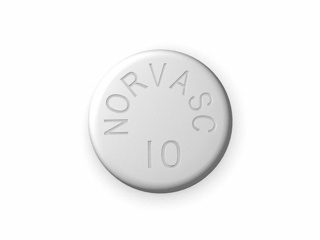
| Common strengths | Typically available as 2.5 mg, 5 mg, and 10 mg tablets (strengths vary by product) |
| How it’s taken | By mouth, usually once daily |
| Where it’s used | High blood pressure; chronic stable angina and other angina types as determined by your clinician |
| Onset & duration | Often begins lowering blood pressure within hours; effects last about 24 hours with once-daily dosing |
Note: Brand names vary. Always check the label on the specific product you receive for the exact strength and directions.
How amlodipine works (mechanism of action)
Amlodipine blocks calcium channels (specifically the L-type calcium channels) in the smooth muscle of blood vessels. By reducing calcium entry into vascular muscle cells, it causes blood vessels to relax and widen (vasodilation).
- Blood pressure control: Wider arteries reduce resistance, lowering blood pressure.
- Heart benefits in angina: By improving blood flow and reducing the heart’s workload, it can help prevent episodes of chest pain for people with angina.
- Long-acting effect: The medication is designed to release and act over a prolonged period, supporting once-daily use.
Pharmacokinetics (how the body handles it)
Understanding pharmacokinetics can help explain dosing and when you may notice effects.
- Absorption: Amlodipine is absorbed through the digestive tract after tablets are swallowed. The medicine can be taken with or without food.
- Time to peak levels (Tmax): The medicine reaches peak blood levels typically within several hours after taking a dose (often around 6–12 hours).
- Duration: Because it’s long-acting, the effect lasts about 24 hours for many people, which is why once-daily dosing is common.
- Metabolism: Amlodipine is extensively metabolised in the liver (primarily via CYP3A4 pathways).
- Elimination: It is cleared from the body more slowly than many other medicines. The half-life is long (commonly around 30–50 hours), meaning steady levels build over time.
- Steady state: Regular once-daily use typically results in more stable blood levels after about several days to around a week.
Typical uses (indications)
Amlodipine is used to manage conditions that benefit from long-term blood vessel relaxation.
- Hypertension (high blood pressure): Helps lower blood pressure and reduce risk of complications such as stroke, heart attack, and heart failure.
- Angina: Used to treat chronic stable angina and for prevention of angina symptoms. It may also be used in other angina presentations as clinically appropriate.
Important: Amlodipine is a maintenance medicine for long-term control of blood pressure or prevention of angina symptoms. If you experience sudden chest pain, follow the action plan provided for your situation.
When and how to take amlodipine (timing & practical use)
Typical dosing schedule
Most people take amlodipine once daily. Many individuals choose the same time each day to make it easier to remember.
- Consistency matters: Try not to miss doses.
- Same time each day: This helps maintain steady effect.
- Morning vs night: You can usually take it either morning or evening. Choose the time that suits you best.
With or without food
Amlodipine tablets can generally be taken with or without food. Food does not significantly change how it works for most people.
How to take the tablet
- Swallow the tablet with a glass of water.
- If you have difficulty swallowing, talk to a pharmacist about options appropriate for your specific product.
- Do not crush or alter tablets unless your pharmacist confirms it’s safe for that formulation.
Missed dose
If you miss a dose:
- Take it as soon as you remember on the same day.
- If it’s close to your next dose, skip the missed dose and continue your regular schedule.
- Do not take double doses to catch up.
If you’re unsure, ask your pharmacist for advice based on the timing of your missed dose.
Dosing guidance (what’s typical)
Actual doses vary based on your condition, age, other medical conditions, and how you respond to treatment. Your dose should be determined by your healthcare professional using the approved product information.
- Hypertension: Common starting doses are often 5 mg once daily, and lower doses (e.g., 2.5 mg) may be used in some people, such as those who are older or more sensitive to blood pressure changes.
- Angina prevention: Similar once-daily dosing ranges are used, with adjustments based on symptom control.
- Titration: Doses may be increased gradually if needed and if tolerated.
Safety note: Some people experience blood pressure dropping too far, or side effects such as swelling. Dose adjustment may be necessary.
Food interactions
For most people, food does not have a major interaction with amlodipine. You can typically take it with breakfast or dinner without needing to change your routine.
Grapefruit and related fruit
Amlodipine is processed in the liver by enzymes including CYP3A4. Grapefruit and grapefruit juice can potentially increase blood levels of some medicines in this class. While the interaction with amlodipine is often considered modest, it may still matter for some people—especially if you’re on higher doses or have liver-related issues.
- Practical tip: If you regularly consume grapefruit/grapefruit juice, discuss it with your pharmacist.
- Better option: Choose alternatives (e.g., orange or apple juice) if advised.
Alcohol and medicine interactions
Alcohol can lower blood pressure and may increase dizziness or light-headedness when used with antihypertensive medicines.
- Possible effects: Increased risk of feeling faint, falls, or headaches in some people.
- Moderation: If you drink alcohol, consider limiting intake and avoid sudden large amounts.
- Safety first: If you feel dizzy after drinking, sit down and do not drive.
Other medicines: Always review your full medication list—including over-the-counter products (e.g., cold remedies)—with a pharmacist, because some combinations may affect blood pressure, heart rate, or cause additive side effects.
Alcohol and amlodipine – what to watch for
Be alert for these symptoms, especially when starting treatment or after dose changes:
- Unusual dizziness or faintness
- Light-headedness when standing
- New or worsening headaches
- Swelling or flushing that seems stronger than expected
Medicine interactions (important)
Amlodipine can interact with other medicines that affect liver metabolism or blood pressure. This section highlights common types of interactions.
Medicines that may increase amlodipine levels
- Strong inhibitors of CYP3A4 (for example, some antifungals like ketoconazole/itraconazole, certain antibiotics like clarithromycin, and some HIV medicines) may increase amlodipine blood levels.
- This can raise the chance of side effects such as swelling or dizziness.
Medicines that may lower blood pressure further
- Other antihypertensives (e.g., ACE inhibitors, ARBs, diuretics) may have additive blood pressure-lowering effects.
- Nitrates and some medicines used for chest pain may be combined under medical supervision.
Simvastatin (dose-related interaction)
Amlodipine can increase blood levels of simvastatin (a statin), raising the risk of muscle-related side effects when simvastatin doses are high. Clinicians typically manage this with dose limits and monitoring.
Practical tip: If you take a statin, tell your pharmacist so your regimen is reviewed.
Other considerations
- Non-steroidal anti-inflammatory drugs (NSAIDs) (e.g., ibuprofen, naproxen) may sometimes reduce the blood pressure-lowering effect of some medications and may affect kidney function in certain people—particularly if dehydrated or when combined with diuretics.
- Herbal products: Some supplements may affect liver enzymes. Examples include St John’s wort (which may reduce levels of some medicines).
Always check: Provide a complete list of your medicines and supplements to your pharmacist for interaction screening.
Safety profile: common side effects and when to seek help
Most people tolerate amlodipine well. However, side effects can occur, and the likelihood may increase at higher doses or when combined with other medications.
Common side effects
- Swelling of the ankles/feet (peripheral oedema): One of the most common side effects. It’s often related to blood vessel relaxation and fluid movement.
- Flushing or feeling warm
- Headache
- Dizziness, especially when standing up
- Fatigue
- Palpitations (awareness of heartbeat) in some people
Less common but important side effects
- Gum overgrowth (gingival hyperplasia) can occur with long-term use—good oral hygiene and regular dental care help.
- Rash or itching
Seek urgent medical attention if
- Severe dizziness, fainting, or collapse
- Signs of an allergic reaction: swelling of face/lips, difficulty breathing, severe rash
- Chest pain that is severe, new, or different from usual angina patterns
Practical tips for everyday use
Managing ankle swelling
Peripheral oedema can be bothersome. Practical steps include:
- Elevate your legs when resting.
- Stay active: Gentle walking can improve circulation.
- Limit prolonged standing and consider compression stockings only if advised by a clinician.
- Review your dose if swelling is significant—your doctor may adjust treatment.
Preventing dizziness and falls
- When you first start, or when the dose changes, rise slowly from sitting/lying positions.
- Stay hydrated.
- Avoid driving or operating machinery if you feel light-headed until you know how you respond.
Blood pressure monitoring
If you use a home blood pressure monitor:
- Measure at consistent times (e.g., morning and/or evening).
- Use the correct cuff size and sit quietly for a few minutes before measuring.
- Bring readings to appointments.
Important: Don’t stop or adjust your medicine based on a single reading.
Alternative options (if amlodipine isn’t suitable)
Several other medicines can treat hypertension and angina. The best choice depends on your health profile, side-effect tolerance, and other medications.
For hypertension
- ACE inhibitors (e.g., perindopril, enalapril)
- ARBs (e.g., losartan, valsartan)
- Thiazide-like diuretics (e.g., indapamide)
- Other calcium channel blockers (e.g., diltiazem)
- Beta-blockers in selected cases (e.g., metoprolol)
For angina
- Nitrates (for symptom relief and/or prevention, depending on type)
- Beta-blockers
- Other anti-anginal medicines as clinically appropriate
Switching medicines: Do not change dose or stop suddenly without medical advice, since blood pressure or angina control can worsen.
Market and legal context in Australia (what it means for you)
In Australia, medicines like amlodipine are regulated under the Australian Government regulatory framework, including the Therapeutic Goods Administration (TGA). Availability may depend on the product formulation (such as branded vs generic), and distribution policies.
Online pharmacy considerations: Reputable online pharmacies in Australia operate under applicable laws and quality standards for dispensing and supply. Delivery timelines, eligibility, and purchasing conditions can vary by pharmacy and product type.
Product integrity: Choose suppliers that provide clear product details (such as active ingredient, strength, pack size) and follow standard cold-chain or storage requirements where relevant.
Recent guidance & ongoing clinical approach
Clinical guidance for hypertension and angina can evolve as new evidence and treatment recommendations become available. In general, current practice emphasises:
- Long-term risk reduction (not just symptom relief).
- Individualised dosing and careful monitoring after starting or increasing doses.
- Cardiovascular risk management including lifestyle factors such as smoking cessation, nutrition, physical activity, and managing cholesterol and diabetes where relevant.
- Reviewing side effects promptly—especially swelling, dizziness, or any new symptoms that may suggest intolerance.
If you have been newly prescribed amlodipine or your dose has recently changed, it’s reasonable to ask for a short follow-up plan (for example, when to check blood pressure or what side effects to watch).
Delivery, availability, and storage
Availability
Amlodipine is commonly available in Australia. Stock can vary by strength and pack size.
Delivery
Delivery options depend on the online pharmacy and location. Many Australian online pharmacies provide:
- Standard and express shipping options
- Tracking details
- Clear delivery time estimates at checkout
Storage: Store tablets according to the label instructions (commonly at controlled room temperature, away from moisture and direct sunlight). Keep out of reach of children.
How long does amlodipine take to work?
Many people begin to notice blood pressure improvement within hours of the first dose, but meaningful long-term control typically requires consistent daily use.
- Blood pressure: Often improves progressively over days as steady levels build.
- Angina prevention: Preventive benefits may develop over time, and symptom control is usually assessed after a period of regular use.
If you don’t notice expected effects, don’t increase dose on your own. Instead, discuss timing, adherence, and interactions with a pharmacist or clinician.
FAQ: Amlodipine
1) Can I take amlodipine with food?
Yes. Amlodipine can generally be taken with or without food. Choose a routine you can maintain daily.
2) Will amlodipine make me tired?
Some people experience fatigue or dizziness, particularly after starting or after dose increases. If you feel unwell, avoid driving or hazardous activities until you know how you respond.
3) Why do my ankles swell on amlodipine?
Ankle/foot swelling is a known side effect of amlodipine (peripheral oedema). It may improve over time or with dose adjustment and other measures such as leg elevation.
4) Is amlodipine safe for older adults?
Amlodipine is used widely in older adults, often starting at a lower dose when appropriate. Individual risk factors (such as low blood pressure, kidney or liver issues, or other medicines) should be considered.
5) Can I drink alcohol while taking amlodipine?
Alcohol may increase dizziness or lower blood pressure. If you drink, consider moderation and be cautious—especially when starting treatment or changing doses.
6) Can I take grapefruit juice?
Grapefruit can affect drug processing in the body for some medicines. While the interaction with amlodipine may be modest, it’s best to ask your pharmacist if you regularly consume grapefruit or if you’re on other interacting medicines.
7) What should I do if I miss a dose?
Take it when you remember on the same day, or skip it if it’s close to the next dose. Do not take a double dose.
8) Does amlodipine interact with other heart medicines?
Potential interactions depend on the specific medicine. Examples include other blood pressure medicines, nitrates, statins (dose-related with simvastatin), and certain antibiotics or antifungals that affect metabolism. Always share your full medication list with a pharmacist.
9) Can I stop amlodipine suddenly?
It’s generally not recommended to stop without advice. Blood pressure or angina symptoms may return or worsen. If you’re considering stopping, seek guidance first.
10) When should I seek urgent help?
Get urgent medical attention for severe dizziness/fainting, signs of an allergic reaction, or severe/new chest pain. If symptoms are mild but persistent, contact a pharmacist or clinician promptly.
Key takeaways
- Amlodipine is a long-acting calcium channel blocker used for high blood pressure and preventing angina.
- It works by relaxing blood vessels, improving blood flow and lowering resistance.
- It’s usually taken once daily and can be taken with or without food.
- Common side effects include ankle swelling, headache, and dizziness.
- Be cautious with alcohol and discuss possible interactions (including grapefruit and some antibiotics/antifungals) with your pharmacist.
- Seek urgent help for severe symptoms such as fainting, allergic reactions, or significant chest pain.
If you’d like, you can also compare this information with the product packaging instructions supplied with your specific amlodipine brand/strength.