
Levothroid (Levothyroxine) — Patient Guide (Australia)
Levothroid contains levothyroxine, a medicine used to treat thyroid hormone deficiency. If your thyroid gland does not produce enough hormone (or has been removed or damaged), levothyroxine helps bring your body’s thyroid hormone levels back into balance.
This guide explains what Levothroid is, how it works, how to take it, what to watch for, and how it fits into treatment in Australia.
1. Basic product information
- Brand name: Levothroid
- Generic name: Levothyroxine (T4)
- Medicine type: Synthetic thyroid hormone
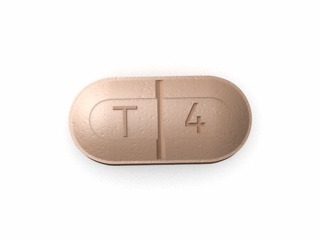
- Common forms: Tablets (strengths vary by product)
- Where it’s used: Hypothyroidism and related thyroid conditions
- Who it’s for: Adults and children as directed by clinicians
Note: Levothyroxine products may come in different strengths and sometimes different tablet formulations. Always confirm the strength on your pack and follow the dosing plan provided.
2. How Levothroid works (mechanism of action)
Levothyroxine is identical to thyroxine (T4), the main hormone produced by the thyroid gland. In the body, T4 is converted into the more active hormone triiodothyronine (T3) (primarily in the liver, kidneys, and other tissues).
By replacing deficient thyroid hormone, Levothroid:
- Normalises metabolism (energy use, heat production, and tissue function)
- Supports normal growth and development in children
- Helps regulate heart rate and cholesterol
- Supports normal brain function and mood (indirectly through restoring hormone balance)
- Assists in treating specific thyroid-related conditions where thyroid stimulation needs to be reduced
Unlike some medicines that provide immediate symptom relief, thyroid replacement often requires steady daily use to achieve stable hormone levels.
3. Pharmacokinetics (how your body handles it)
Understanding how levothyroxine is absorbed and processed can help you take it correctly.
| Feature | What to expect |
|---|---|
| Absorption | Levothyroxine is absorbed mainly in the small intestine. Absorption can vary, and food/medications can reduce it. |
| Time to effect | Hormone levels gradually change. Symptom improvement may take days to weeks, with full effect often assessed over weeks. |
| Onset | Some people notice improvement within 1–2 weeks, but thyroid testing and dose adjustments typically take longer. |
| Distribution | T4 binds to transport proteins in blood, which helps maintain stable delivery to tissues. |
| Metabolism | Mostly converted from T4 to T3 and further processed in the liver and other tissues. |
| Elimination | Levothyroxine is cleared slowly. This is why consistent daily dosing is important. |
4. Typical use in Australia
Levothroid is commonly used to manage:
- Primary hypothyroidism (thyroid underactivity)
- Post-surgical or post-radiation hypothyroidism
- Central (secondary/tertiary) hypothyroidism in selected situations
- Thyroid hormone suppression in certain thyroid conditions (as determined by your clinician)
The goal is usually to keep thyroid hormone levels within a target range, most often monitored using blood tests such as TSH and free T4.
5. Timing: how to take Levothroid for best absorption
One of the most important practical factors is how you time your dose around meals and certain interacting products.
Common recommended timing
- Take Levothroid once daily at the same time each day.
- Take it on an empty stomach, ideally with water.
- Wait before eating. A common approach is to take it at least 30–60 minutes before breakfast.
- Alternatively, some people take it at least 3–4 hours after their last meal (for example, before bedtime if advised).
Consistency matters more than exact timing. If you change your routine, your blood test results may shift, sometimes requiring a dose adjustment.
If you miss a dose
- If you remember the same day, take it as soon as you can, then continue your next dose at the usual time.
- If it is close to the next dose, skip the missed dose and resume your usual schedule.
- Do not double up unless your clinician advises otherwise.
6. Food interactions and absorption tips
Food can reduce levothyroxine absorption. To improve consistency:
- Avoid taking with breakfast or within a short time of eating.
- If you use supplements or iron-containing products, separate them from Levothroid (see below).
- If you have gut conditions (such as coeliac disease or inflammatory bowel disease), absorption may be altered—your clinician may monitor more closely.
Common products that may interfere with absorption
Levothyroxine can bind to some substances in the gut or change absorption when taken too close together. Examples include:
- Iron supplements and multivitamins containing iron
- Calcium supplements (calcium carbonate and similar forms)
- Antacids containing aluminium or magnesium
- Sucralfate
- Bile acid sequestrants (for example, cholestyramine)
- Some dietary fibre supplements (in high amounts)
Practical separation: Many people are advised to separate levothyroxine from iron or calcium by at least 4 hours. If you’re unsure, ask a pharmacist or check your product guidance.
7. Alcohol and medicine interactions
Alcohol
Moderate alcohol intake is not usually a direct cause of thyroid hormone absorption failure. However:
- Heavy or frequent alcohol use can affect liver function and overall health.
- Alcohol can influence sleep and adherence, which indirectly affects dose consistency.
If you drink alcohol regularly, discuss it with your healthcare professional, especially if you have liver disease or heart problems.
Medicine interactions
Many medicines can affect thyroid hormone levels in the body or change how levothyroxine is processed. Examples include:
- Oestrogen-containing therapies (including some hormone replacement therapies and oral contraceptives) may raise thyroid hormone binding proteins and require dose review.
- Some cholesterol medicines (bile acid sequestrants) may reduce absorption.
- Anti-seizure medicines (for example, carbamazepine, phenytoin) may alter metabolism.
- Certain cancer medicines and other agents affecting liver enzymes can influence thyroid hormone levels.
- Corticosteroids and somatostatin analogues may alter thyroid function tests in some people.
- Proton pump inhibitors (PPIs) and acid-reducing medicines may affect absorption in some cases.
Important: Never start, stop, or switch dose-strengths without a healthcare review. Interaction risk can vary depending on your dose and the medicines you take.
8. Indications: when Levothroid is used
Levothyroxine is indicated for conditions where thyroid hormone levels are insufficient or where thyroid stimulation needs to be reduced. Your clinician will determine the best indication for your situation.
Common indications include
- Hypothyroidism (including primary hypothyroidism)
- Congenital hypothyroidism (in infants and children)
- Hypothyroidism following thyroidectomy (surgery) or radioiodine therapy
- Central hypothyroidism (where TSH is not a reliable guide and free T4 is often used for monitoring)
- Thyroid hormone suppression for selected thyroid conditions (based on clinical assessment)
Because thyroid hormone needs vary, the dose is individualised and monitored with blood tests.
9. Dosing: how Levothroid doses are determined
Levothroid dosing depends on factors such as age, weight, the severity and duration of hypothyroidism, heart health, pregnancy status, and blood test results.
Typical approach
- Adults: dosing is often started at a level that is suitable for your risk profile and then adjusted based on TSH and/or free T4.
- Older adults or people with heart disease: clinicians may start at a lower dose and increase gradually.
- Children: dosing is weight-based and requires careful monitoring.
- Pregnancy: dose needs may increase, and thyroid tests are usually monitored more closely.
Do not self-adjust
Changing your dose without laboratory monitoring can lead to under-treatment (persistent hypothyroid symptoms) or over-treatment (thyrotoxicosis symptoms and possible long-term risks).
How dose changes are usually managed
- When a dose is changed, clinicians typically reassess levels after an interval that allows hormones to stabilise.
- If you’re consistent with timing and you don’t miss doses, your results are more likely to reflect the dose rather than day-to-day variability.
10. Safety profile: who should be careful
Levothyroxine is generally well tolerated when taken at the correct dose. However, too much thyroid hormone can be harmful, and too little can leave hypothyroid symptoms unresolved.
Common side effects (often related to dose being too high)
If the dose is excessive, you may experience symptoms such as:
- Palpitations or increased heart rate
- Feeling hot, sweating more than usual
- Tremor, anxiety, or irritability
- Unintentional weight loss
- Frequent bowel motions
- Difficulty sleeping
Seek urgent medical attention if you develop
- Chest pain
- Severe shortness of breath
- Fainting or severe dizziness
- Rapid heartbeat that is persistent or worsening
Extra caution is often needed if you have
- Known heart disease (angina, arrhythmias)
- History of thyroid storm or severe thyrotoxicosis
- Adrenal insufficiency (your clinician may manage steroid needs appropriately)
- Ongoing pregnancy or planning pregnancy (dose requirements can change)
11. Practical use tips (for day-to-day success)
- Make it a routine: Choose a consistent time each day and keep it as stable as possible.
- Use the same approach to meals: For example, “take on empty stomach before breakfast.” Don’t switch repeatedly.
- Keep a medication log: Note dose changes, missed doses, and any new medicines/supplements.
- Separate interacting supplements: Iron and calcium are common causes of reduced levothyroxine effect—separate them.
- Be careful with brand/formulation changes: Different products may have slightly different bioavailability. If your pharmacy supplies a different levothyroxine product, monitor as advised.
- Remember lab tests drive the plan: Symptoms alone can be misleading; thyroid blood tests guide dose.
12. Alternative options
Depending on your treatment goals and response, clinicians may consider alternative levothyroxine preparations or other thyroid hormone formulations.
Possible alternatives
- Other levothyroxine brands (same active ingredient, different formulation/strength)
- Liothyronine (T3) or combination therapy in select cases (less commonly used; decisions are individualised)
- Desiccated thyroid extract is generally not preferred for routine management in many settings due to variable hormone content
If you need to switch products, ask your pharmacist or clinician about how to do it safely and whether extra blood monitoring is needed.
13. Market and legal context for Australia
In Australia, thyroid hormone medicines are regulated under medicines legislation and are supplied through the Australian health system. Levothyroxine products are widely available to support conditions such as hypothyroidism.
Important: Availability can vary by brand, strength, and packaging due to supply chain changes and local distribution. Your pharmacy can advise on the most suitable product options and any substitutions that may be considered.
Quality and consistency: For long-term treatment, it’s usually recommended to maintain consistent use of the same product where possible and to monitor after any switch.
14. Recent guidance and monitoring considerations
Across clinical practice, the emphasis for levothyroxine therapy continues to include:
- Regular thyroid function testing after dose changes and periodically during stable treatment
- Adherence to consistent dosing routines (especially timing around meals and supplements)
- Careful monitoring in pregnancy and when thyroid status is changing
- Attention to drug–drug interactions (including iron, calcium, and acid-reducing medicines)
- Prompt review if symptoms suggest under- or over-treatment
If you recently started Levothroid, changed dose, or started new medications, it’s normal to expect thyroid blood tests to guide the next step.
15. Delivery and availability (online pharmacy)
Levothroid is typically available in various strengths through Australian pharmacies and online dispensaries. Delivery options may include:
- Standard delivery within metropolitan and regional areas (timeframes vary)
- Express delivery where offered
- Trackable parcels for most orders
Availability: If your requested strength is temporarily unavailable, your pharmacy may contact you with alternatives that match your treatment needs. Always avoid substituting without checking suitability.
When ordering online, ensure your details and delivery address are correct to prevent delays.
16. FAQ — Frequently asked questions
Is Levothroid the same as levothyroxine?
Yes. Levothroid is a brand name that contains levothyroxine (T4), a synthetic thyroid hormone.
When will I feel better after starting Levothroid?
Some people notice improvement within 1–2 weeks, but stabilisation and dose fine-tuning often take several weeks. Blood tests guide how well your dose is working.
Can I take Levothroid with breakfast?
For best absorption, Levothroid is usually taken before food on an empty stomach. Taking it with breakfast or too soon after eating can reduce absorption and affect thyroid test results.
How should I take iron or calcium supplements?
Separate them from Levothroid by several hours (often at least 4 hours, but follow individual guidance). This helps prevent reduced absorption.
What happens if I miss a dose?
Take it when you remember if it’s the same day, then return to your usual schedule. If it’s almost time for the next dose, skip the missed one. Do not double up unless advised.
Can I drink alcohol while taking Levothroid?
Moderate alcohol intake is not typically a direct problem, but avoid heavy drinking and focus on maintaining consistent daily dosing. If you have liver disease or symptoms worsen, discuss with a pharmacist or clinician.
Does Levothroid interact with other medicines?
Yes. Some medicines can affect absorption or thyroid hormone metabolism. Common categories include iron/calcium, certain antacids, some cholesterol medicines, seizure medications, and medicines that affect liver enzymes. Tell your healthcare provider about all medicines and supplements you use.
Is it safe to change brands of levothyroxine?
Switching may be safe in many cases, but it can change absorption and sometimes requires monitoring. If switching occurs, request a plan for blood test timing and dose review if needed.
What blood tests are usually monitored?
Most commonly TSH and free T4. If you have central hypothyroidism, free T4 may be especially important. Your clinician will tailor the monitoring.
Are there any warning signs of too much Levothroid?
Symptoms can include palpitations, tremor, anxiety, sweating, unintentional weight loss, and insomnia. If you experience concerning symptoms (especially chest pain or severe shortness of breath), seek urgent medical attention.
Always follow the dosing plan provided by your healthcare professional. If you have questions about how to take Levothroid alongside other medicines or supplements, a pharmacist can help you create a simple daily schedule.