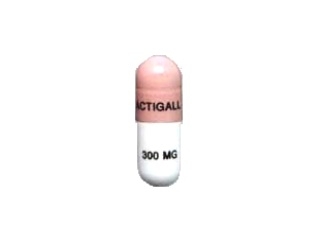
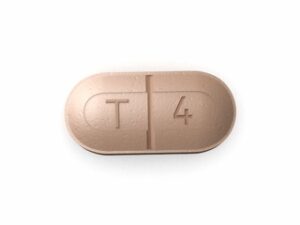

Actigall (Ursodeoxycholic Acid) — Patient Information (Australia)
Actigall is a medicine containing ursodeoxycholic acid (UDCA). It has been used for decades to treat certain bile duct and liver conditions. This page explains what Actigall is for, how it works, how it’s usually taken, and important safety and interaction considerations for people in Australia.
Note: Always follow the instructions provided by your clinician or pharmacist and read the product label. If you are unsure about anything, speak with a healthcare professional.
Key Product Information
- Medicine name: Actigall
- Active ingredient: Ursodeoxycholic acid (UDCA)
- What it is: A bile acid used to help manage specific liver and gallbladder conditions
- How it may be supplied: Available in Australia through pharmacy supply channels (availability and brand presentations can vary)
How Actigall Works (Mechanism of Action)
Ursodeoxycholic acid is a naturally occurring bile acid in smaller amounts within the human body. When taken as a medicine, it can change the composition and behaviour of bile in a way that benefits certain liver and bile-duct conditions.
Main actions include:
- Improving bile flow: UDCA helps promote more favourable bile composition and may support bile secretion.
- Reducing bile toxicity: It can displace more harmful bile acids, leading to less irritation and damage to bile duct cells.
- Protecting liver and bile duct cells: UDCA has been associated with cytoprotective effects, helping cells better withstand bile-related stress.
- Dissolving certain cholesterol gallstones: UDCA can reduce cholesterol saturation in bile and gradually dissolve cholesterol-rich gallstones over time.
Pharmacokinetics (What the Body Does With Actigall)
Understanding pharmacokinetics can help explain why regular dosing is important.
- Absorption: UDCA is absorbed from the gastrointestinal tract.
- Distribution: It circulates in bile and participates in the enterohepatic circulation (the cycle between the liver and intestines).
- Metabolism: UDCA is metabolised by the body and gut bacteria into other bile acids.
- Elimination: Ultimately, bile acids are eliminated via faeces. Some is recycled through enterohepatic recirculation, which is why consistent daily use matters.
Practical implication: Because UDCA works through bile composition and secretion, results—especially gallstone dissolution—are often gradual and require ongoing treatment.
Typical Uses of Actigall
Actigall is used for specific conditions where UDCA may improve bile chemistry and reduce bile-related injury.
Common clinical indications (subject to confirmation by your clinician):
- Primary biliary cholangitis (PBC): Often used to improve biochemical markers and support liver health.
- Cholesterol gallstones (selected patients): For small, radiolucent (non-calcified) cholesterol stones in a functioning gallbladder, when appropriate.
Important: Not all gallstones can be dissolved. Actigall is mainly effective for cholesterol-based stones and is less likely to help with pigment stones or heavily calcified stones.
Indications in More Detail
1) Primary Biliary Cholangitis (PBC)
PBC is a chronic condition affecting the small bile ducts within the liver, leading to impaired bile flow and liver inflammation over time. UDCA is widely used as a foundational therapy.
2) Cholesterol Gallstones
UDCA may help dissolve certain cholesterol gallstones. Treatment is usually long-term and requires confirmation that your gallstones are suitable for medication dissolution.
Suitability factors may include:
- Non-calcified or “radiolucent” stones
- Cholesterol predominant content
- A functioning gallbladder
- Appropriate clinical circumstances where non-surgical management is considered
Dosing (General Guidance)
Dose depends on the condition being treated, your body weight (particularly for some liver/bile-duct uses), and your response and laboratory results. Only use dosing prescribed for you.
General dosing principles (may vary by indication):
- Liver-related conditions: UDCA dosing is frequently calculated based on body weight.
- Gallstone dissolution: UDCA is typically taken in divided doses and continued for a sufficient period to assess response.
How to take:
- Take tablets/capsules as directed by your pharmacist or clinician.
- Try to take your doses at the same times each day.
- If your regimen is split into multiple doses, aim for even spacing through the day.
What if you miss a dose? If you miss a dose, take it when you remember unless it is close to the time of the next dose. Do not take a double dose to make up for a missed dose. If unsure, ask your pharmacist.
Timing: When to Take Actigall and How Long It Takes to Work
Best time of day
Many UDCA regimens are taken once or twice daily depending on your prescribed dose. Your product directions and clinician advice take priority.
Consistency matters
Because UDCA affects bile composition, consistent daily use improves the chance of benefit.
How quickly you may notice effects
- PBC/liver blood tests: Improvements in liver enzymes and bile markers may occur over weeks to months.
- Gallstone dissolution: Dissolving gallstones can take months to over a year. If imaging shows no progress after a period, your clinician may reassess treatment.
Food Interactions and Dietary Considerations
Actigall is taken to influence bile. Food may influence your digestion and bile release, which can affect comfort and, indirectly, how well you tolerate the medicine. In many cases, UDCA can be taken with food or as directed.
Food-related tips:
- Take with meals if recommended: Some people find dosing with food reduces stomach upset.
- Maintain a balanced diet: If you have liver or gallbladder disease, a consistent, nutritious eating pattern can support overall health.
- Check with your clinician about supplements: Some over-the-counter products may affect absorption of other medicines.
Note on cholesterol and bile: Because UDCA works by changing cholesterol balance in bile, extremely high-fat diets may not be ideal during treatment. Your healthcare team can provide personalised advice.
Alcohol and Medicine Interactions
Alcohol
If you have liver disease or cholestatic conditions, alcohol can worsen liver injury and reduce treatment effectiveness. For many patients, clinicians recommend avoiding alcohol or keeping intake to a minimum.
- Best practice: Discuss safe alcohol limits with your doctor or pharmacist.
- Seek urgent advice: If you develop jaundice, severe fatigue, confusion, or bleeding symptoms, get medical attention promptly.
Medicine interactions
UDCA may interact with other medicines, particularly those that affect bile acids or fat absorption.
Examples of medicines that may interact include:
- Bile acid binding resins (may reduce UDCA effectiveness by binding it in the gut): such medicines may include cholestyramine or similar agents.
- Cholesterol-lowering drugs that modify bile chemistry: discuss whether any therapy affects UDCA dosing strategy.
- Fat-soluble vitamin supplements (A, D, E, K): if you have bile flow impairment, your doctor may monitor levels and recommend supplements if needed.
Always tell your pharmacist: Provide a list of all medicines you take, including prescription items, over-the-counter drugs, and herbal supplements. This helps prevent avoidable interactions.
Safety Profile: Who Should Be Careful?
Most people tolerate Actigall well, but like all medicines, it can cause side effects and may not be suitable for everyone.
Common side effects
- Gastrointestinal symptoms such as mild diarrhoea or soft stools
- Stomach discomfort, nausea, or bloating
Less common but important adverse effects
- Allergic reactions (e.g., rash, itching, swelling, difficulty breathing)—seek urgent medical help if these occur.
- Worsening of symptoms such as increasing jaundice or intense itching—contact your clinician promptly.
When to seek medical advice urgently
- Signs of anaphylaxis (difficulty breathing, swelling of face/lips, severe rash)
- Severe or persistent diarrhoea with dehydration
- Rapid worsening of liver-related symptoms (e.g., new/worsening jaundice, dark urine, pale stools)
Special populations
- Pregnancy and breastfeeding: Discuss risks and benefits with a clinician. Many patients are managed with careful monitoring, but decisions should be individualised.
- Children: Dosing and suitability depend on the specific condition and the child’s weight and clinical status.
- Older adults: Generally similar safety patterns, but review medicines and kidney/liver function as advised.
Practical Use Tips (Getting the Best From Treatment)
- Keep a routine: Take Actigall at the same times daily to support bile changes.
- Attend monitoring appointments: Liver function tests and other blood markers may be checked to see whether therapy is working.
- Use imaging as directed: If you’re treating gallstones, ultrasound or other imaging is often used to assess response.
- Don’t stop early: Especially for liver conditions, UDCA benefits may require long-term use. Stopping suddenly can lead to deterioration.
- Track symptoms: Note changes in itching, fatigue, pain, or stool colour and report them to your clinician.
- Maintain medication lists: Include all prescriptions, vitamins, supplements, and non-prescription products.
Alternative Options
If Actigall isn’t suitable or isn’t effective enough, there may be other treatment pathways depending on your condition.
For primary biliary cholangitis (PBC)
- Other liver-directed therapies may be considered based on response, side effects, and updated clinical guidance.
- Symptom management for pruritus (itching) and fatigue may be added if needed.
For gallstones
- Surgical options (commonly cholecystectomy) may be recommended for many patients, especially if stones are unlikely to dissolve or symptoms persist.
- Other non-surgical strategies may be considered in selected cases.
Your clinician can help determine the most appropriate option based on imaging, lab results, symptoms, and overall risk factors.
Market & Legal Context for Australia
In Australia, medicines are regulated under the TGA (Therapeutic Goods Administration) framework. Actigall (ursodeoxycholic acid) is supplied through licensed channels and must meet Australian regulatory and quality requirements.
What this means for customers:
- Only purchase from reputable suppliers that follow Australian pharmacy and therapeutic goods rules.
- Check product packaging and ensure the medicine matches the active ingredient and strength listed on the TGA/label.
- Follow instructions provided on the pack and by your healthcare professional.
Availability: Availability can vary by strength and formulation. If Actigall is not immediately in stock, pharmacies may offer ordering options or alternatives where appropriate and safe.
Recent Guidance and Clinical Monitoring (General Overview)
Clinical practice evolves as new data emerge. For UDCA in liver/bile duct conditions, ongoing monitoring is commonly recommended.
Typical monitoring includes:
- Liver blood tests (e.g., liver enzymes and markers of cholestasis)
- Assessment of symptoms such as itching and fatigue
- Checking treatment response at intervals determined by your specialist
For gallstones: Follow-up imaging may be used to judge whether stones are shrinking/dissolving and whether continued therapy is worthwhile.
Keep up with guidance: Your clinician may update your treatment plan based on your response and any new professional recommendations.
Delivery and Availability in Australia
Online pharmacies in Australia typically offer home delivery where permitted by law and supply rules. Delivery times depend on stock availability and your location.
What to expect when ordering:
- Stock checks: Orders may be dispatched once stock is confirmed.
- Packaging: Medicines should be delivered in protective packaging suitable for transport.
- Temperature considerations: Follow storage instructions on the label; if you have concerns about storage, speak with the pharmacy.
Advice for a smooth delivery: Ensure your contact details are correct and that someone can receive the parcel if delivery attempts are required.
FAQ — Actigall (Ursodeoxycholic Acid)
1) What is Actigall used for?
Actigall (ursodeoxycholic acid) is used for specific bile-related conditions such as primary biliary cholangitis and certain types of cholesterol gallstones in suitable patients.
2) How long does Actigall take to work?
For liver-related conditions, blood test improvements can take weeks to months. For gallstone dissolution, it often takes months to over a year, and response depends on the type and size of stones.
3) Can I take Actigall with food?
Often, Actigall can be taken with or without food, but follow the directions provided. If you experience stomach upset, taking it with food may help—confirm with your pharmacist.
4) Is Actigall safe to take with other medicines?
Many people take UDCA with other treatments, but interactions can occur—especially with medicines that affect bile acids or fat absorption. Tell your pharmacist about all medicines and supplements you use.
5) What about alcohol?
If you have liver disease, alcohol may worsen liver injury. Discuss safe intake with your healthcare professional; many patients are advised to avoid alcohol or keep it very low.
6) What side effects are common?
The most common are gastrointestinal effects such as diarrhoea, soft stools, nausea, or abdominal discomfort. Contact a clinician if symptoms are severe or persistent.
7) What should I do if I miss a dose?
Take it when you remember unless it’s close to the next dose. Do not double up. Ask your pharmacist if you are uncertain.
8) Will Actigall dissolve all gallstones?
No. Actigall is most likely to help with cholesterol-rich, small, non-calcified stones. Many gallstones do not dissolve with medication alone.
9) Do I need regular blood tests?
In many bile/liver conditions, regular monitoring is important to assess response and adjust therapy. Follow the schedule recommended by your clinician.
10) Is Actigall available throughout Australia?
Availability can vary by region and formulation. Online pharmacies can often check stock quickly and arrange delivery where permitted.
Summary
Actigall (ursodeoxycholic acid) is a bile acid medicine used to treat specific bile duct and liver conditions, and in selected cases to help dissolve certain cholesterol gallstones. It works by improving bile composition, supporting bile flow, and reducing bile-related irritation of bile ducts. Treatment is often long-term and works gradually, so consistent dosing and monitoring are key. If you have liver disease, be cautious with alcohol and discuss all interactions with your pharmacist or clinician.
Always read the consumer medicine information (CMI) provided with your product and follow professional advice for your individual condition.
Quick Reference
| Topic | What to know |
|---|---|
| Active ingredient | Ursodeoxycholic acid (UDCA) |
| How it works | Improves bile composition and supports bile duct/liver protection; may dissolve specific cholesterol gallstones |
| Typical timing | Once or divided doses daily as directed; consistent daily use is important |
| Food interactions | Often taken with food or as directed; follow label instructions |
| Alcohol | Discuss safe intake—especially important if you have liver disease |
| Interactions to consider | Medicines that bind bile acids or affect bile/fat absorption may reduce effectiveness |
| Common side effects | Diarrhoea/soft stools, mild stomach upset |
| Monitoring | Regular lab tests and/or imaging may be needed to assess response |