

Dapsone (Diaminodiphenyl sulfone) – Patient Information (Australia)
Dapsone, also known by the brand name Diaminodiphenyl sulfone, is a medicine used for specific bacterial, inflammatory, and skin conditions. It has been prescribed for decades and remains an important option when chosen by a clinician for the right diagnosis. This guide explains how Dapsone works, how it is used, what to expect, and key safety considerations.
| Product name | Dapsone (Diaminodiphenyl sulfone) |
|---|---|
| Medicine type | Sulfone antibiotic/anti-inflammatory (anti-folate antibacterial; also used for inflammatory conditions) |
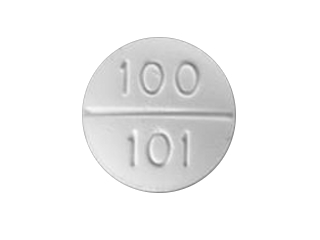
| Common forms | Tablets (strengths vary by product) |
| Typical use | Dermatology conditions (e.g., dermatitis herpetiformis, leprosy in combination), and certain prevention/treatment regimens in selected settings |
| How it’s taken | Oral tablets (timing depends on your condition and dose plan) |
| Key monitoring | Blood counts, liver function tests, and assessment for symptoms of blood disorders and hypersensitivity |
Basic product information
Dapsone is an oral medicine belonging to the sulfones drug class. It works against certain bacteria by blocking folate (vitamin B9) synthesis and also has anti-inflammatory effects that are helpful in selected immune-mediated skin conditions.
In Australia, Dapsone availability may vary depending on brand and supply; it may be listed on local formularies and prescribed as part of specific treatment pathways for the conditions it is used for. Your pharmacist can confirm the exact product name, strength, and dosing schedule for your situation.
How Dapsone works (mechanism of action)
Dapsone’s main actions include:
- Anti-bacterial (antifolate) activity: Dapsone interferes with bacterial folate synthesis, which many bacteria need to grow and reproduce. This results in suppression of bacterial activity and, over time, treatment of susceptible infections.
- Anti-inflammatory effects: In certain immune-mediated conditions affecting the skin, Dapsone reduces inflammation and helps control rash and itching. This does not work the same way as topical anti-inflammatories; it is a systemic therapy.
- Neutrophil/immune modulation: Dapsone has effects on immune cells and oxidative pathways that contribute to its benefit in specific dermatological disorders.
Pharmacokinetics (how the body processes Dapsone)
Pharmacokinetics describe what happens to a medicine in the body—absorption, distribution, metabolism, and elimination. While individual responses vary, the following are general features:
- Absorption: Dapsone is absorbed after oral administration. Consistent daily use helps maintain steady blood levels.
- Distribution: It distributes through body tissues; levels can be maintained for extended periods due to its long half-life.
- Metabolism: Dapsone is metabolised mainly in the liver. This is one reason liver health and drug interactions are important.
- Elimination: It is cleared gradually, which contributes to a long half-life. As a result, effects may persist for some time, and dose changes may take days to fully reflect in blood levels.
- Active metabolites: Dapsone can form metabolites, some of which are involved in adverse effects such as haemolysis or methemoglobinaemia (in susceptible individuals).
Typical uses (indications)
Dapsone is used for a range of conditions where its antibacterial and/or anti-inflammatory properties are appropriate. Common indications include:
- Dermatitis herpetiformis: A chronic, intensely itchy blistering skin condition associated with coeliac disease.
- Leprosy (Hansen’s disease): Often as part of combination therapy in specific regimens recommended for leprosy.
- Some infections and prophylaxis regimens in selected circumstances, depending on local protocols and patient risk factors.
- Other specialised dermatology uses where a specialist may determine benefit based on diagnosis and response.
If you are using Dapsone for a skin condition, you may notice symptom relief gradually. For dermatitis herpetiformis, itching may improve before the skin lesions fully clear. Continue taking the medicine as advised for the prescribed duration, even if you feel better early on.
How and when to take Dapsone (timing)
Many people take Dapsone , but dosing instructions can differ depending on the condition being treated, your starting dose, and how you tolerate it. Follow the dosing schedule provided with your medicine.
- Take at the same time each day to help maintain steady blood levels.
- Consistency matters: If you miss a dose, don’t double up to “catch up” unless your clinician or pharmacist has instructed you to do so.
- Start low, go slow (sometimes): Some conditions may begin with a lower dose to reduce the risk of side effects, then adjust gradually.
- Allow time for effect: Improvement in skin symptoms may take weeks, depending on the diagnosis and individual response.
Food interactions
Dapsone can generally be taken with or without food. However, practical guidance includes:
- Take consistently: Choose a routine (with or without food) and stick to it.
- Stomach upset: If nausea occurs, taking Dapsone with food may help. If symptoms persist, speak with your pharmacist.
- Absorption considerations: There are no major universal food prohibitions, but individual tolerability varies. Your pharmacist can advise if your specific co-medications or dietary factors may affect your regimen.
Alcohol interactions
Avoid heavy or binge alcohol use while taking Dapsone, and discuss any regular alcohol intake with your healthcare team. The main reasons are:
- Reduced liver resilience: Dapsone is metabolised in the liver, and alcohol can increase strain on liver function.
- Blood effects risk: In some patients, Dapsone can contribute to changes in blood oxygen handling (e.g., methemoglobinaemia) or haemolysis. Alcohol can complicate symptom recognition and may worsen fatigue or shortness of breath.
- Dehydration and general stress: Alcohol may worsen overall wellbeing and tolerance of side effects.
If you drink alcohol, consider limiting to low amounts and avoid intoxication. Seek medical advice if you develop symptoms such as breathlessness, unusual tiredness, grey/blue lips or skin, or dizziness.
Medicine interactions (important)
Drug interactions can be significant with Dapsone due to its metabolism and potential blood-related effects. Always tell your pharmacist about all medicines and supplements you use, including over-the-counter products.
Examples of interaction considerations include:
- Medicines that affect blood counts (e.g., certain antibiotics, anticancer medicines, or other drugs known to cause blood dyscrasias): additive risk may occur.
- Medicines associated with methemoglobinaemia or oxidative stress: combining can increase the likelihood of abnormal blood oxygen states.
- Drugs affecting liver enzymes: changes in Dapsone metabolism may alter blood levels and safety.
- Haemolysis risk factors: patients with G6PD deficiency (glucose-6-phosphate dehydrogenase deficiency) are at increased risk of haemolysis with Dapsone. Many medicines and foods can trigger haemolysis in G6PD deficiency; check with your pharmacist if this applies to you.
Do not start, stop, or change other medicines without checking first. Your pharmacist can review your interaction profile in minutes.
Dosing (general guidance)
Dosing depends on the diagnosis, severity, age, overall health, and laboratory monitoring. Dose adjustments may be needed based on response and side effects. Always use the dose schedule provided for you by your clinician.
Common principles:
- Initial dose may be lower to improve tolerability.
- Gradual titration may occur if labs and symptoms are acceptable.
- Long-term maintenance may be required for chronic conditions like dermatitis herpetiformis.
- Monitoring can influence dosing (for example, if blood counts change).
If you have missed a dose or are unsure how to take your Dapsone, check with your pharmacist rather than guessing.
Safety profile and side effects
Like all medicines, Dapsone can cause side effects. Many people tolerate it well with monitoring, but some reactions can be serious. It’s important to recognise symptoms early and seek timely advice.
Common side effects
- Headache
- Nausea or upset stomach
- Reduced appetite
- Fatigue
Important (potentially serious) adverse effects
The following risks are key reasons for blood tests and careful monitoring:
- Haemolysis (breakdown of red blood cells): More likely in people with G6PD deficiency or other vulnerability. Symptoms may include unusual tiredness, pallor, dark urine, or sudden worsening of fatigue.
- Methemoglobinaemia: This can reduce the ability of blood to carry oxygen. Watch for shortness of breath, cyanosis (blue/grey lips or skin), headache, dizziness, or chest discomfort.
- Blood count abnormalities: Such as anaemia or other changes (your clinician may monitor full blood counts regularly).
- Liver problems: Symptoms may include yellowing of the skin/eyes (jaundice), dark urine, pale stools, or abdominal pain.
- Hypersensitivity reactions: Seek urgent medical advice if you develop fever, widespread rash, facial swelling, mouth sores, or breathing difficulty.
Who should be extra cautious?
- People with G6PD deficiency
- Those with existing liver disease
- Patients with a history of blood disorders
- Individuals taking multiple medications that may affect blood or liver function
Practical use tips
- Keep up with monitoring: Blood tests are often part of safe therapy with Dapsone. Ask when your tests are due and what results mean.
- Track symptoms: If you notice increasing breathlessness, unusual fatigue, rash, fever, or signs of jaundice, contact your healthcare provider promptly.
- Stay hydrated and eat regularly: This can help with tolerability, especially early in treatment.
- Sun and skin care: If you’re treating a skin condition, continue gentle skin care routines. Avoid irritants and discuss any new topical products with your clinician.
- Don’t stop abruptly without advice: For chronic conditions, stopping suddenly may allow symptoms to return. Your pharmacist or clinician can guide what to do if side effects appear.
Alternative options
Alternatives depend heavily on the reason Dapsone is being used. Below are general categories that clinicians may consider for the same conditions, but only your healthcare team can confirm suitability.
- For dermatitis herpetiformis: options may include other anti-inflammatory or immunomodulating approaches used in coeliac-associated skin disease, and strict management of underlying coeliac disease through diet.
- For leprosy: standard regimens typically use combination therapy with other agents active against Mycobacterium leprae.
- For selected infections/prophylaxis: other antimicrobial options may be used depending on the specific risk and diagnosis.
If you’re looking for a different medicine due to side effects or supply, speak with your pharmacist. They can help you understand options and how switching may affect timing and monitoring.
Market and legal context in Australia
In Australia, medicines are regulated under the national medicines and poisons framework. Access to Dapsone is subject to Australian regulatory requirements and may depend on:
- Approved indications and product registration status
- Whether the medicine is listed on relevant formularies
- Clinical appropriateness and patient suitability
- Pharmacy supply arrangements and stock availability
Your pharmacist can advise on the expected availability and any required steps for ordering or substituting products if your preferred brand or strength is not immediately in stock.
Recent guidance and monitoring expectations
While specific guidance can vary by condition and evolving clinical practice, recent emphasis in safety for Dapsone therapy generally includes:
- Regular blood monitoring (e.g., full blood count) to detect anaemia, haemolysis, or other blood abnormalities early.
- Assessment for hypersensitivity and liver issues—prompt review of symptoms like rash, fever, jaundice, or breathing changes.
- Consideration of G6PD status where relevant, because G6PD deficiency increases haemolysis risk.
- Medication review to minimise drug–drug interactions that may increase adverse effects.
Your healthcare provider may adjust monitoring frequency based on your dose, duration, and risk factors. If you have had abnormal lab results in the past, ensure your clinician is aware.
Delivery and availability
Online pharmacies in Australia may deliver Dapsone depending on product availability and local pharmacy logistics. Availability may vary by:
- Brand and tablet strength
- Regional stock levels
- Whether the specific product is a standard stock item or requires ordering
When ordering online, check:
- Estimated delivery timeframes
- Packaging and temperature considerations (if any apply for your specific brand)
- How substitutions are handled (e.g., same active ingredient and strength)
If you need Dapsone urgently for an ongoing regimen, contact the pharmacy before ordering to confirm stock and dispatch timing.
FAQ about Dapsone
1) How long does it take for Dapsone to work?
Timing depends on the condition. For many skin-related uses, some symptom improvement may be noticed within weeks, while complete clearing of lesions can take longer. Your clinician will set expectations based on your diagnosis and response.
2) Can I take Dapsone with other medications?
Many medicines can be taken alongside Dapsone, but some combinations increase risks to blood counts, liver function, or oxidative balance. Tell your pharmacist about everything you take—prescription medicines, over-the-counter products, vitamins, and supplements.
3) What should I do if I miss a dose?
If you miss a dose, take it when you remember unless it is close to the time for your next dose. Do not take extra doses to “catch up” unless your pharmacist or clinician advises it.
4) What symptoms mean I should get urgent medical help?
Seek urgent care if you develop:
- Shortness of breath, chest discomfort, or blue/grey lips/skin
- Fainting, severe dizziness, or sudden severe weakness
- Widespread rash, facial swelling, mouth sores, or high fever
- Yellowing of skin/eyes (jaundice), or dark urine with severe fatigue
5) Does Dapsone interact with alcohol?
It’s best to avoid heavy alcohol use. Alcohol may increase liver strain and complicate the recognition of side effects. If you drink, keep it minimal and discuss your pattern of use with your healthcare team.
6) Is Dapsone safe for everyone?
Dapsone is not suitable for everyone. Extra caution is needed for people with G6PD deficiency, liver disease, or prior blood disorders. Your clinician may request blood tests before and during therapy.
7) Can I stop Dapsone when I feel better?
For chronic conditions, stopping too early can allow symptoms to return. If you want to stop or switch, discuss it with your clinician or pharmacist first so your plan is safe and appropriate.
8) Will I need blood tests?
Often, yes. Blood monitoring is used to detect anaemia, haemolysis, and other potential complications early. Your schedule can vary based on your dose, risk factors, and how you respond.
9) Are there alternative medicines if I can’t tolerate Dapsone?
Alternatives depend on why you’re taking it (e.g., dermatitis herpetiformis versus leprosy). Your pharmacist can discuss different categories of treatment and how risks/monitoring differ.
10) How should I store Dapsone?
Store tablets as directed on the product packaging, typically at room temperature and protected from moisture. Keep the medicine out of reach of children.
Summary
Dapsone (Diaminodiphenyl sulfone) is a long-established oral medicine with antibacterial and anti-inflammatory properties. It may be used for conditions such as dermatitis herpetiformis and leprosy-related regimens, where its benefits outweigh potential risks when monitored appropriately. Because Dapsone can affect blood function and the liver in some people, careful screening, regular monitoring, and prompt attention to warning symptoms are key to safe treatment.
For the most accurate advice for your situation, speak with your pharmacist or healthcare provider—especially if you have concerns about side effects, interactions, or timing of doses.