

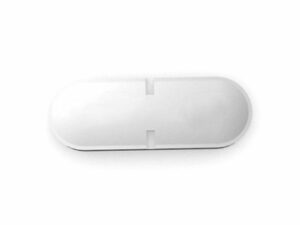
Flagyl (Metronidazole) — Patient Information (Australia)
Flagyl is a brand of metronidazole, an antibiotic and antiprotozoal medicine used to treat a range of infections. It works against certain bacteria and parasites, including organisms that grow in environments with low oxygen (anaerobic infections). This guide explains how Flagyl works, what it’s used for, how to take it safely, and what to watch for.
Information below is general and may not replace advice from a healthcare professional for your specific condition.
Basic product information
- Active ingredient: Metronidazole
- Brand name: Flagyl
- Medicinal type: Antibiotic / antiprotozoal
- Typical forms (varies by product): Tablets and liquid formulations
- Often used for: Anaerobic bacterial infections and certain parasitic infections
- Country notes: In Australia, metronidazole products are regulated under medicines legislation and are supplied through licensed channels.
How Flagyl works (mechanism of action)
Metronidazole is particularly effective against organisms that survive without oxygen (anaerobes) and certain protozoa. Inside susceptible cells, metronidazole is chemically activated. This activated form damages the organisms’ DNA, disrupting their ability to multiply and leading to cell death.
In simple terms: metronidazole interferes with DNA in susceptible bacteria and parasites, stopping the infection from progressing.
Pharmacokinetics (how the body handles it)
Pharmacokinetics describes what the body does to a medicine—how it’s absorbed, distributed, metabolised, and eliminated.
- Absorption: Metronidazole is absorbed reasonably well after oral doses.
- Distribution: It spreads through body tissues and fluids, which helps it reach infections in different locations.
- Metabolism: The liver metabolises metronidazole into active and inactive compounds.
- Elimination: It is removed mainly via the kidneys (in urine) and also through other routes to a lesser extent.
Your individual course may be adjusted for factors such as liver or kidney function, the infection being treated, and other medicines you take.
What Flagyl is used for (indications)
Flagyl is used to treat infections caused by organisms sensitive to metronidazole. Common uses include:
- Dental and oral infections (especially where anaerobic bacteria are involved)
- Intra-abdominal infections (e.g., infections related to the gastrointestinal tract)
- Gynecological infections where anaerobes or susceptible organisms are suspected
- Skin and soft tissue infections involving anaerobic bacteria
- Some pelvic and postoperative infections (depending on the clinical situation)
- Protozoal infections such as:
- Trichomoniasis
- Giardiasis
- Amebiasis (certain cases)
- Bacterial vaginosis (in line with clinical guidance)
- Helicobacter pylori-related regimens (metronidazole may be part of combination therapy where appropriate)
Treatment choice depends on the likely organisms, your symptoms, medical history, and local clinical guidance.
Typical timing and how to take Flagyl
The correct dosing schedule depends on the specific condition and strength of the product. Many metronidazole regimens are taken two or three times daily. Always follow the directions on the package and any healthcare advice you’ve been given.
Practical tips for timing
- Choose consistent times: Take doses at roughly the same times each day.
- Use reminders: Phone alarms can help you avoid missed doses.
- Finish the course: Even if you feel better early, continue until the course is complete unless told otherwise.
- Manage vomiting: If you vomit shortly after a dose, contact a healthcare professional for advice.
Food interactions: can you take Flagyl with meals?
Metronidazole can usually be taken with or without food. However, taking it with food may reduce the chance of stomach upset, nausea, or a “metallic” taste for some people.
- If you get nausea: Take it with a meal or snack.
- If your stomach is sensitive: Eating can help improve tolerability.
- Avoid alcohol (important): Alcohol interactions are discussed below.
Alcohol interaction: why you should avoid it
A key safety issue with metronidazole is its interaction with alcohol. Combining metronidazole and alcohol can cause unpleasant symptoms sometimes referred to as a “disulfiram-like reaction,” which may include:
- Flushing
- Nausea and vomiting
- Headache
- Abdominal cramps
- Fast heartbeat or feeling unwell
To reduce risk, avoid alcohol during treatment and for at least 48 hours after the last dose. This includes:
- Beer, wine, spirits
- Alcohol-containing cough syrups or elixirs (check labels)
- Some mouthwashes and tonics that contain alcohol
If you accidentally drink alcohol while on metronidazole, seek medical advice if you feel unwell or develop severe symptoms.
Medicine interactions (other drugs you should mention)
Metronidazole can interact with other medicines. Always check your current medication list with a healthcare professional or pharmacist, particularly if you take:
- Warfarin or other vitamin K antagonists: Metronidazole may increase bleeding risk. Monitoring and dose adjustments may be needed.
- Lithium: Metronidazole may affect lithium levels; monitoring is sometimes required.
- Disulfiram: Using disulfiram together with metronidazole is generally avoided due to potential adverse effects.
- Anti-seizure medicines (e.g., phenytoin, phenobarbital, carbamazepine): These can change how metronidazole works in the body.
- Medicines that affect liver enzymes: Some drugs can alter metronidazole metabolism.
- Other antibiotics or antifungals: Combination therapy can be appropriate, but should be planned by a clinician.
Also tell your healthcare professional about any vitamins, herbal products, and over-the-counter medicines, including anti-nausea remedies and cold/flu products.
Dosing: how much Flagyl is usually taken?
Dosing depends on the condition, severity, age, and whether it’s used alone or with other medicines. Metronidazole regimens differ between adults and children, and between different infections.
Always use the dosing written for your specific product and condition.
General guidance (not a substitute for your prescribed/pack directions)
- Adults: Common schedules include dividing the daily dose into two or three doses per day.
- Children: Doses are usually calculated by weight and the infection type.
- Course length: Varies widely—from a few days to longer regimens—depending on the infection.
If you’re unsure about your dosing schedule, check the pack instructions or ask a pharmacist. Taking too little may fail to clear the infection; taking too much can increase side effects and toxicity risk.
Safety profile: side effects and what to do
Like all medicines, Flagyl may cause side effects. Many are mild and improve during treatment. Some effects require urgent medical attention.
Common side effects
- Nausea
- Vomiting
- Diarrhoea
- Stomach pain or cramps
- Headache
- Metallic taste or altered taste
- Loss of appetite
- Darkening of urine (can occur and is usually harmless, but speak to a clinician if you’re concerned)
Less common but important side effects
- Allergic reactions:
- Rash, itching, swelling (especially of lips/face)
- Breathing difficulties
- Severe diarrhoea (particularly if persistent, severe, or with blood/mucus): This can signal a serious gut condition that needs urgent assessment.
- Neurological symptoms (seek medical advice promptly if these occur):
- Unusual tingling/numbness
- Weakness
- Dizziness or severe unsteadiness
- Confusion
- Signs of liver problems (seek medical advice):
- Yellowing of eyes/skin
- Dark urine with pale stools
- Severe fatigue
- Right upper abdominal pain
When to seek urgent help
Contact emergency services or seek urgent medical care if you experience:
- Swelling of the face, throat, or tongue; difficulty breathing
- Severe allergic rash
- Severe persistent diarrhoea or dehydration
- New severe confusion, fainting, or major weakness
Practical use tips for better results
- Take exactly as directed: Don’t change the dose or stop early.
- Complete the course: Even if symptoms improve, finishing reduces the risk of relapse and resistance.
- Don’t skip doses: If you miss a dose, take it when you remember unless it’s close to your next dose—don’t double up. Check your pack for instructions or ask a pharmacist.
- Hydrate and manage nausea: Small meals and fluids may help. If nausea occurs, taking with food often improves comfort.
- Watch for unusual symptoms: Especially severe diarrhoea or neurological symptoms.
- Avoid alcohol: During treatment and for at least 48 hours after the last dose.
- Consider partner treatment for certain infections: For some conditions (for example, trichomoniasis), sexual partners may need assessment and treatment to prevent reinfection.
Alternative options (what else may be used)
Alternatives depend on the type of infection, the likely organism(s), your medical history, and allergy status. A clinician may choose another antibiotic or regimen when metronidazole isn’t suitable.
Possible alternatives (examples)
- Other antibiotics that cover anaerobic bacteria or the specific organism suspected
- Antiprotozoal medicines for parasite-related conditions where appropriate
- Combination therapy (e.g., pairing with another agent) when broader coverage is needed
Your pharmacist can help discuss options if you have intolerance, side effects, or special circumstances. Do not switch antibiotics without guidance.
Market and legal context for Australia
In Australia, medicines are classified and supplied according to national legislation and scheduling rules. Metronidazole products are provided via licensed pharmacies and are available in different formulations. Availability for individual customers may depend on the product’s schedule and the reason for use.
When purchasing online, ensure you use a reputable, licensed supplier. Your delivery may require verification of eligibility depending on the product classification and local requirements.
Recent guidance and clinical considerations
Clinical recommendations for antibiotic use emphasise:
- Appropriate selection of antibiotics for the suspected organism
- Correct dosing and completing the course
- Antimicrobial stewardship to reduce resistance
- Safety monitoring for key adverse effects
For infections such as bacterial vaginosis, trichomoniasis, giardiasis, or dental/anaerobic infections, clinicians may follow updated local guidance and consider factors like pregnancy, drug interactions, and severity.
If you are pregnant, breastfeeding, have liver disease, or take warfarin or lithium, it’s particularly important to discuss your situation with a healthcare professional before starting or continuing treatment.
Delivery and availability (online pharmacy)
Availability can vary by formulation and strength (e.g., tablets vs liquid). When ordering online in Australia, typical steps include:
- Choose the correct product and strength listed on the site
- Confirm any schedule or eligibility requirements
- Check delivery estimates for your postcode
- Ensure you receive a sealed product with the correct expiry date
Store medicines according to the package instructions, usually away from excessive heat and moisture. Keep them out of reach of children.
Flagyl FAQ
1) Can I take Flagyl on an empty stomach?
Many people can take metronidazole with or without food. If you feel nauseous, taking it with food may help. Follow your pack instructions and healthcare advice.
2) Is it safe to drink alcohol while on Flagyl?
No. Avoid alcohol during treatment and for at least 48 hours after your last dose to reduce the risk of an unpleasant reaction.
3) What should I do if I miss a dose?
Take it as soon as you remember unless it’s close to your next dose. Do not double the dose. If you’re unsure, contact a pharmacist for advice.
4) How long does it take to start working?
Some symptom improvement can occur within 24–48 hours, depending on the infection. However, you should continue the full course as directed, even if you feel better.
5) Why does my urine look darker?
Metronidazole can sometimes cause urine to darken. This is often harmless, but if you notice severe illness symptoms, yellowing of the skin/eyes, or other concerning signs, seek medical advice.
6) What if I develop severe diarrhoea?
Stop and seek medical advice promptly if you experience severe or persistent diarrhoea, especially if there is blood or mucus, fever, or dehydration.
7) Can I take Flagyl with other antibiotics?
Sometimes metronidazole is used with other antibiotics for broader coverage. This should be planned by a clinician. Always tell your pharmacist what else you’re taking.
8) Does Flagyl interact with warfarin?
Yes, metronidazole can affect bleeding risk when taken with warfarin. If you take anticoagulants, you may require closer monitoring. Discuss this with your healthcare professional.
9) Can I drive or operate machinery?
Some people may feel dizzy or experience other nervous system effects. If you feel unwell, avoid driving and operating machinery until you know how you respond to the medicine.
10) Are there any dietary restrictions besides alcohol?
There are no major dietary restrictions commonly required besides avoiding alcohol. Taking doses with food can be helpful if you experience stomach upset.
11) Is metronidazole used for all infections?
No. It targets specific bacteria and parasites (especially anaerobes). It won’t be effective for every infection. Using the correct medicine for the cause is essential.
12) Can I stop early if I feel better?
It’s usually important to complete the full course to reduce relapse and resistance. Only stop early if a healthcare professional advises you to.
Summary
Flagyl (metronidazole) is used to treat infections caused by susceptible anaerobic bacteria and certain parasites. It works by damaging the DNA of targeted organisms. Most people can take it with or without food, but it’s important to avoid alcohol during therapy and for at least 48 hours after the last dose. If you develop severe diarrhoea, signs of allergy, or neurological symptoms, seek prompt medical advice.
If you’d like, tell us the form and strength you’re considering (for example, tablets vs liquid), and we can help you identify the correct product details and typical patient instructions to match the specific item listed on the site.
Reference table (at-a-glance)
| Topic | Key points |
|---|---|
| Active ingredient | Metronidazole |
| Common uses | Anaerobic bacterial infections and certain protozoal infections (varies by condition) |
| How it works | Activated inside susceptible organisms; damages DNA to stop growth |
| Food | Often can be taken with or without food; with food may reduce nausea |
| Alcohol | Avoid alcohol during treatment and for at least 48 hours after last dose |
| Interactions to note | Warfarin, lithium, disulfiram, and some anti-seizure medicines (and others) |
| Seek urgent care if | Allergic reaction, severe diarrhoea, severe dizziness/confusion/neurological symptoms, signs of liver problems |
| Best results | Take on schedule and complete the full course as directed |