

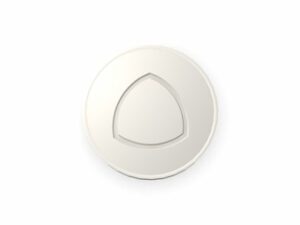
Indapamide (Indapamide Tablets) — Patient-Friendly Medicine Guide (Australia)
Indapamide is a prescription medicine used to treat certain cardiovascular conditions, most commonly high blood pressure (hypertension). It belongs to a class of medicines called thiazide-like diuretics (sometimes referred to as “water tablets”). Indapamide helps the kidneys remove extra salt and water from the body, which lowers blood pressure over time.
This guide explains how indapamide works, how it is typically taken, what to expect, and key safety information. It is written for patients and carers. Always follow the instructions provided with your medicine.
Quick product information
| Category | Details |
|---|---|
| Medicine name | Indapamide |
| Medicinal class | Thiazide-like diuretic (water tablet) |
| Common uses | High blood pressure; sometimes for certain fluid/heart-related conditions as determined by your clinician |
| Typical dosing forms | Tablets (often immediate-release or modified/extended-release forms depending on brand) |
| How it helps | Reduces blood pressure by acting on the kidneys and blood vessels |
| Typical side effects | Low potassium or sodium, increased urination early on, dizziness, fatigue |
What is indapamide used for?
Indapamide is primarily used to treat hypertension (high blood pressure). By lowering blood pressure, it helps reduce the risk of long-term cardiovascular complications.
In some circumstances, indapamide may be selected for other conditions where fluid balance and cardiovascular function are considered. Your clinician will determine the most appropriate use for you.
How indapamide works (mechanism of action)
Indapamide acts mainly in the kidneys. It influences the way salt (sodium) and water are handled, which promotes the removal of excess fluid. Importantly, indapamide is also thought to have beneficial effects on blood vessels, helping them relax and contributing to blood-pressure lowering.
- Kidney effects: Increases excretion of sodium and chloride, leading to mild diuresis.
- Vascular effects: Helps reduce peripheral resistance (contributes to lower blood pressure).
- Net result: Blood pressure decreases gradually, typically without causing severe fluid loss.
Pharmacokinetics — what the body does with indapamide
Understanding pharmacokinetics can help patients know what to expect regarding timing, onset, and duration. Individual responses vary.
- Absorption: Indapamide is absorbed from the gastrointestinal tract after swallowing.
- Distribution: It distributes into body tissues; binding to plasma proteins occurs.
- Metabolism: Indapamide is metabolised primarily by the liver.
- Elimination: Excreted mainly via the kidneys, including metabolites.
- Duration of effect: Blood-pressure effects last longer than the immediate water-loss effect, which is why it is often taken once daily (depending on formulation).
Important: If you have a modified/extended-release product, do not crush or split it unless your medicine instructions specifically allow it. Doing so can change how the medicine releases in your body.
Typical dosing and timing
Dosing depends on your individual condition, kidney function, other medicines, and the specific formulation (immediate-release vs modified/extended-release).
General timing guidance
- Once daily dosing is common.
- Many people take indapamide in the morning to reduce the chance of needing the toilet overnight. Ask your pharmacist or clinician if your product instructions advise a different time.
- Try to take it at about the same time each day to maintain steady levels and consistent blood-pressure control.
How to take it
- Swallow tablets with a glass of water.
- If you miss a dose, take it when you remember unless it is close to the time of your next dose. Do not take a double dose to make up for a missed tablet.
- If you have questions about your specific brand or release type, check the product label or patient information leaflet.
When will it start working?
Some diuretic effect (increased urination) may occur soon after taking indapamide, especially during the early days. Blood-pressure lowering builds over days to weeks.
- Early days: You may notice increased urination shortly after your first doses.
- Ongoing: Blood pressure often begins to improve within days, with maximum benefit typically over several weeks.
- Monitoring: Your clinician may check blood pressure and blood tests (electrolytes, kidney function) after starting or changing dose.
Indications — who might be prescribed indapamide?
In Australia, indapamide is used for people who require treatment for elevated blood pressure and in certain selected clinical scenarios where a thiazide-like diuretic is appropriate. It may be used:
- As initial therapy in selected patients.
- In combination with other antihypertensive medicines when additional blood-pressure lowering is needed.
- When diuretic effects and vascular benefits are both considered relevant to the patient’s overall cardiovascular risk.
Your clinician will consider factors such as age, kidney function, electrolyte balance, diabetes status, and other medications.
Food interactions and dietary considerations
Food does not usually cause major changes in how indapamide works, but certain dietary habits can influence safety and effectiveness.
What to know about food
- Take with or without food: Many patients can take indapamide with food or on an empty stomach. Follow your product instructions.
- Salt intake: A low-salt or heart-healthy diet can support blood-pressure control. However, extreme restriction can contribute to electrolyte imbalance in some people—discuss with your clinician.
- Potassium-rich foods: Indapamide can lower potassium in some patients. A diet rich in potassium (e.g., vegetables, fruit, legumes) may help, but you should not replace medicine advice with diet alone. If you are at risk of high potassium (e.g., kidney disease with certain medicines), dietary potassium may need careful management.
Alcohol interactions
Alcohol can increase the risk of side effects such as dizziness or lightheadedness, particularly in the first days of treatment or when you start a new dose.
- Avoid heavy drinking and stand up slowly if you feel unsteady.
- If you experience dizziness, blurred vision, or faintness, reduce alcohol and contact your clinician or pharmacist for advice.
Medicine interactions (important)
Indapamide can interact with other medicines, especially those affecting electrolytes, kidney function, blood pressure, or heart rhythm. Always check with your pharmacist or clinician when starting, stopping, or changing medicines.
Common interaction themes
- Potassium-lowering medicines or diuretics: May increase risk of low potassium.
- Medicines affecting sodium: Can contribute to hyponatraemia (low sodium) in susceptible people.
- Non-steroidal anti-inflammatory drugs (NSAIDs): Regular or high-dose use may reduce kidney effects and increase the risk of kidney stress.
- Medicines for diabetes: Blood sugar control may change; monitoring may be needed.
- Lithium: Levels can become elevated; this requires close monitoring.
- Heart rhythm medicines: Low potassium or magnesium can increase risk of rhythm problems.
- Other blood pressure medicines: Can add to blood-pressure lowering and raise risk of dizziness or low blood pressure.
Tell your healthcare team if you take
- ACE inhibitors (e.g., perindopril, lisinopril)
- ARBs (e.g., losartan, valsartan)
- Beta-blockers, calcium channel blockers
- Other diuretics
- Digoxin
- Antiarrhythmics
- NSAIDs (e.g., ibuprofen, naproxen), particularly frequent use
- Oral diabetes medicines or insulin
- Lithium
- Potassium supplements or potassium-sparing agents (only if advised)
This is not a complete list. Always check your medicine labels and consult a pharmacist for advice about your specific regimen.
Safety profile — what to watch for
Like all medicines, indapamide may cause side effects. Many are mild and improve as your body adjusts. Some effects require prompt attention, especially those related to electrolytes (sodium, potassium, magnesium) or dehydration.
Common or expected side effects
- Increased urination (often mainly early in treatment)
- Dizziness, especially when standing up
- Headache or lightheadedness
- Fatigue
Electrolyte-related side effects
Indapamide can lower potassium and sodium and may affect kidney function. Symptoms can vary.
- Low potassium (hypokalaemia): muscle weakness, cramps, constipation, abnormal heartbeat sensations
- Low sodium (hyponatraemia): confusion, headache, severe fatigue, nausea
- Dehydration: excessive thirst, dry mouth, reduced urination, dizziness
Seek urgent medical attention if
- Fainting or severe dizziness
- Severe weakness, confusion, or persistent vomiting
- Signs of an allergic reaction (swelling of face/lips, rash, trouble breathing)
- Chest pain or symptoms of significant heartbeat disturbance
Who needs extra caution?
- Older adults, especially if prone to dehydration
- People with kidney disease or reduced kidney function
- People with a history of low sodium or low potassium
- People taking multiple medicines that affect electrolytes or blood pressure
- People with diabetes (monitoring may be needed)
- People with gout/hyperuricaemia (uric acid can be affected by diuretics)
Practical use tips (to get the best results)
1) Check your blood pressure safely
- Use a validated home blood pressure monitor.
- Measure at about the same time each day (often morning and evening if advised).
- Record readings to show your clinician.
2) Stay hydrated—without overdoing it
- Drink fluids normally unless your clinician advises a restriction.
- If you feel dehydrated, discuss with your clinician—do not stop the medicine without advice.
3) Be mindful of position changes
- To reduce dizziness, stand up slowly from sitting or lying positions.
- If you feel lightheaded, sit or lie down until it passes.
4) Keep to the same daily routine
- Taking it at the same time each day supports consistent blood-pressure control.
- If you are sensitive to nighttime urination, take it in the morning.
5) Know what to do if you feel unwell
- If you develop vomiting or diarrhoea and feel weak or dizzy, contact a clinician promptly, as dehydration can worsen electrolyte problems.
- During serious illness, medicine management may need review.
Alternative options for high blood pressure
High blood pressure can be treated with different classes of medicines. Your clinician chooses based on your health profile, other conditions, and side-effect risks. Common alternatives include:
- ACE inhibitors (e.g., perindopril, lisinopril)
- ARBs (e.g., losartan, valsartan)
- Calcium channel blockers (e.g., amlodipine)
- Beta-blockers (e.g., metoprolol) — depending on suitability
- Other diuretics (selected cases)
- Combination therapies — when a single medicine is not enough
Do not switch medicines without advice. If indapamide isn’t suitable due to side effects or lab changes, a clinician may adjust the dose, change formulation, or choose an alternative.
Market and legal context for Australia
In Australia, indapamide is regulated under the Pharmaceutical Benefits Scheme (PBS) where applicable and is dispensed according to Australian legislation and professional guidelines. Availability may vary by brand, strength, and whether the medicine is subsidised under the PBS.
Online pharmacies in Australia must comply with applicable laws and standards for safe dispensing, identification requirements, and supply of prescription-only medicines where relevant. Patient counselling and product information are important parts of safe use.
Recent guidance and monitoring (what patients should expect)
Ongoing clinical guidance for hypertension emphasises:
- Regular blood pressure monitoring to confirm response.
- Blood tests to check kidney function and electrolytes, particularly soon after starting or increasing dose.
- Review of medication combinations to minimise risks such as electrolyte disturbances.
- Lifestyle measures alongside medicine (diet, exercise, smoking cessation, limiting alcohol, and maintaining healthy weight).
Your clinician may schedule blood tests after initiation and periodically thereafter, especially if you have risk factors for electrolyte or kidney problems.
Delivery and availability (online pharmacy information)
Indapamide may be available from online pharmacies in Australia depending on stock levels, brand, strength, and formulation type. Delivery timeframes vary by location and courier service.
- Stock availability: Products may be in stock or temporarily unavailable; substitutions are not always permitted without guidance.
- Packaging: Medicines are typically supplied in original packaging to protect integrity and provide clear labelling.
- Cold chain: Indapamide tablets generally do not require cold storage.
- Delivery tracking: Many services offer tracking updates.
Frequently Asked Questions (FAQ)
1) What is indapamide used for?
Indapamide is mainly used to treat high blood pressure. It lowers blood pressure by acting on the kidneys and blood vessels.
2) How quickly will I feel the effect?
You may notice increased urination early on, but blood pressure improvement builds over days to weeks. Consistent daily use is important.
3) Should I take indapamide in the morning or at night?
Many people take it in the morning to reduce the chance of needing the toilet at night. Follow your product directions or clinician/pharmacist advice.
4) Can I take indapamide with food?
In most cases, indapamide can be taken with or without food. Use the instructions on your medicine packaging and patient information leaflet.
5) Does indapamide affect potassium?
Yes. Indapamide can lower potassium in some patients. Your clinician may arrange blood tests and advise whether potassium supplements or dietary changes are needed.
6) What if I miss a dose?
Take it when you remember unless it is close to your next dose. Do not take a double dose to make up for the missed tablet.
7) What side effects are most important to watch for?
Watch for dizziness, fainting, severe weakness, confusion, persistent vomiting, signs of allergy, or symptoms that suggest electrolyte imbalance (such as muscle cramps or heartbeat irregularities). Seek urgent help if symptoms are severe.
8) Can I drink alcohol while taking indapamide?
Moderate alcohol may be acceptable for some people, but alcohol can increase dizziness or low blood-pressure symptoms. If you feel unwell or lightheaded, limit alcohol and seek advice.
9) Are there medicines I should avoid?
Several medicines may interact with indapamide, especially those affecting electrolytes, kidney function, heart rhythm, or blood pressure. Always check with your pharmacist before starting new medicines, including over-the-counter products.
10) What should I monitor at home?
Blood pressure is the main target. If your clinician advises, you may also monitor symptoms such as dizziness, muscle cramps, swelling, or changes in urination.
11) Is indapamide safe for older adults?
It can be used in older adults, but extra caution is often needed due to higher risk of dehydration and electrolyte changes. Dose adjustments and blood tests may be required.
Summary
Indapamide is a thiazide-like diuretic used primarily for high blood pressure. It lowers blood pressure gradually by helping the kidneys remove salt and water and by supporting blood vessel function. To use indapamide safely and effectively, take it at a consistent time (often in the morning), stay mindful of dizziness and dehydration, and attend blood test monitoring when advised—particularly early in treatment or after dose changes.