
Hyzaar (Losartan / Hydrochlorothiazide) — Patient Information
Hyzaar is a combination medicine used to help control high blood pressure (hypertension). It contains:
- Losartan (an angiotensin II receptor blocker, or ARB)
- Hydrochlorothiazide (a thiazide-like “water tablet” that is a diuretic)
This page explains how Hyzaar works, how it is taken, common interactions, safety considerations, and practical tips. It is written for general information and does not replace advice from a healthcare professional.
Quick overview
| What it is | Combination medicine for blood pressure |
|---|---|
| Active ingredients | Losartan + Hydrochlorothiazide |
| Common purpose | Lower blood pressure and reduce cardiovascular risk |
| Typical dosing frequency | Once daily (often morning or evening depending on tolerability) |
| Common side effects | Dizziness, dehydration, low potassium or sodium, headache, fatigue |
| Monitoring often used | Blood pressure, kidney function, electrolytes (potassium/sodium) |
Basic product information
Brand name: Hyzaar
Generic names: Losartan / Hydrochlorothiazide
Medicine type: ARB + diuretic (combination antihypertensive)
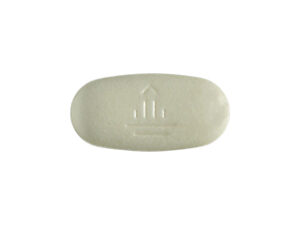
How it is supplied: Tablets in different strength combinations (your pharmacist or prescriber will confirm the strength you are using).
Note: Dosage strengths can vary. Always check the exact strength on your medicine pack before taking a dose.
How Hyzaar works (mechanism of action)
Hyzaar lowers blood pressure through two complementary actions:
- Losartan (ARB): Blocks angiotensin II receptors. Angiotensin II is a hormone that normally causes blood vessels to tighten (narrow). By blocking its action, losartan helps blood vessels relax and reduces blood pressure. It can also reduce strain on the heart and kidneys over time.
- Hydrochlorothiazide (thiazide diuretic): Helps the kidneys remove excess salt and water through urine. This reduces blood volume and lowers pressure. Over time, it also helps blood vessels respond more normally to vascular signals.
Why combination therapy? Using both medicines can improve blood pressure control compared with either medicine alone, and can reduce the need to escalate one ingredient to higher doses.
Pharmacokinetics (how the body processes it)
Pharmacokinetics describes what happens after you take Hyzaar—how it is absorbed, metabolised, and eliminated.
- Absorption: Both components are absorbed after oral dosing. Food generally does not significantly change overall effectiveness, though individual tolerability may vary.
- Metabolism: Losartan is metabolised in the body to an active metabolite (often called “EXP-3174”), which contributes to blood pressure effects.
- Peak effects: Blood pressure effects generally develop within the first hours after a dose, but full benefit may build over days to weeks with regular use.
- Elimination: Losartan and its metabolites are eliminated mainly through bile and urine pathways. Hydrochlorothiazide is eliminated largely through the kidneys.
Clinical implication: Kidney function and electrolyte levels can be important. If kidney function is reduced, your healthcare professional may adjust monitoring and dose decisions.
Typical use and who may be prescribed Hyzaar
Hyzaar is commonly used for:
- Hypertension (high blood pressure), especially when blood pressure is not adequately controlled with one medicine.
- Patients needing combination therapy for improved control and simpler dosing than taking two separate tablets.
In some cases, healthcare professionals may use ARB/diuretic combinations in people at higher cardiovascular risk, guided by overall clinical assessment.
Indications (what it is used for)
In practical terms, Hyzaar is indicated for the treatment of hypertension. The choice of strength and suitability depends on your blood pressure readings, medical history, and laboratory results (especially kidney function and electrolytes).
How to take Hyzaar: dosing, timing, and missed doses
Typical dosing
Hyzaar is generally taken once daily. The exact dose depends on the strength of your tablets and how you respond.
- Adults: Dosing is individualised. Your healthcare professional will specify the strength (e.g., specific mg amounts of losartan and hydrochlorothiazide) and the frequency.
- Children and adolescents: Use in children requires careful assessment; follow local guidance and medical advice.
Timing (morning vs evening)
Because hydrochlorothiazide is a diuretic, it may increase urination. Many people find it easier to take it in the morning to reduce the chance of waking at night. However, if morning dosing causes dizziness or inconvenience, some may take it in the evening—use the timing your healthcare professional recommends.
- First-time start or dose change: If you feel dizzy, consider taking it at a time you can sit/stand safely and avoid driving until you know how you react.
- Consistency: Take it at the same time each day for steady control.
With or without food
Hyzaar can typically be taken with or without food. If taking with food helps reduce stomach upset for you, you may choose to do so.
How long it takes to work
- Early effects: Some blood pressure lowering may be noticed within hours.
- Ongoing benefit: Regular daily dosing is needed; maximum effect is usually assessed over several weeks.
If you miss a dose
If you miss a dose:
- Take it as soon as you remember on the same day.
- If it is close to the time of your next dose, skip the missed dose and resume your normal schedule.
- Do not take a double dose to catch up unless a healthcare professional advises otherwise.
Stopping suddenly
Do not stop Hyzaar abruptly unless directed by a healthcare professional. Stopping can cause blood pressure to rise again.
Food interactions
Hyzaar does not usually have a strict “avoid with certain foods” rule, but practical points include:
- Hydration: Because hydrochlorothiazide can increase urine output, aim to maintain adequate fluid intake unless you have been told to restrict fluids.
- Salt (sodium) intake: High salt intake can reduce the effectiveness of antihypertensive treatment. A lower-salt diet often supports better blood pressure outcomes.
- Potassium-rich foods: Losartan can increase potassium levels, while hydrochlorothiazide may decrease potassium. Your blood test results guide whether you should adjust potassium intake.
Tip: If you are advised to monitor potassium or sodium, keep your diet changes consistent between blood tests.
Alcohol interactions
Alcohol can increase the blood pressure–lowering effect of Hyzaar and may increase the risk of dizziness, fainting, or falls—especially when you first start or after dose changes.
- Start cautious: If you drink alcohol, consider limiting quantity and avoid heavy drinking when adjusting treatment.
- Watch dehydration: Alcohol can contribute to dehydration, which may worsen light-headedness and kidney strain in some people.
If you have liver disease, heart failure, or balance problems, ask a healthcare professional about a safe approach.
Medicine interactions (important)
Hyzaar may interact with other medicines. Always inform your pharmacist or healthcare professional about all medicines you take, including over-the-counter products and supplements.
Common interaction categories
- NSAIDs (pain and inflammation medicines): Examples include ibuprofen, naproxen, and other non-steroidal anti-inflammatory drugs. Regular or high-dose NSAID use may reduce kidney function and lessen blood pressure lowering effects, especially in people with dehydration or kidney impairment.
- Other blood pressure medicines: Combining with other antihypertensives can increase the risk of low blood pressure (dizziness, weakness).
- Diuretics and dehydration risk: Additional diuretics or medicines that increase urination can further lower blood volume and electrolytes.
-
Potassium changes: Because losartan affects potassium and hydrochlorothiazide can lower it, potassium balance may shift. This matters for people taking:
- Potassium supplements
- Salt substitutes containing potassium
- Potassium-sparing diuretics (e.g., spironolactone, eplerenone)
- Other medicines that affect potassium
- Lithium: Losartan/diuretic therapy may raise lithium levels, increasing toxicity risk. Lithium use requires close monitoring if combined.
- Diabetes medicines and insulin: Hydrochlorothiazide may affect blood glucose control, so diabetes medicines may need adjustment.
- Gout medicines: Thiazide diuretics can raise uric acid, potentially triggering gout in susceptible individuals.
- Digoxin: Electrolyte changes (especially low potassium) can affect digoxin safety.
- Corticosteroids (e.g., prednisone) and stimulant laxatives: These can increase potassium loss, raising risk of low potassium.
Herbal supplements and non-prescription medicines
Some products can influence blood pressure, kidney function, or electrolytes. Examples include licorice-containing products and certain herbal “detox” or diuretic supplements. Ask before using supplements.
Safety profile: who should take care
Hyzaar is generally well tolerated, but like all medicines it can cause side effects. Some effects are more likely at the start of treatment or after dose increases.
Common side effects
- Dizziness, light-headedness
- Headache
- Fatigue or tiredness
- Increased urination (especially after morning dosing)
- Dehydration or feeling “dry” (more likely if fluid intake is low)
- Changes in blood electrolytes (may be detected by blood tests), such as:
- Low sodium
- Low or high potassium (depends on individual balance)
Serious but less common warnings
Seek urgent medical care if you experience symptoms such as:
- Severe allergic reaction (swelling of face/lips/tongue, trouble breathing)
- Signs of dehydration (fainting, severe dizziness, very dry mouth)
- Severe dizziness or fainting
- Chest pain, irregular heartbeat, or worsening weakness
- Yellowing of skin/eyes or severe persistent abdominal pain (rare)
When extra caution is needed
Discuss with your healthcare professional before using Hyzaar if you have any of the following:
- Kidney disease or reduced kidney function
- History of electrolyte imbalance (low sodium, low potassium)
- Diabetes (monitor blood glucose as advised)
- Gout or raised uric acid
- Liver disease
- History of angioedema (a swelling reaction)
- Low blood pressure or tendency to dizziness
- Significant vomiting or diarrhoea (risk of dehydration and kidney strain)
Practical use tips (make treatment easier)
- Monitor blood pressure: If you have a home blood pressure monitor, check at consistent times and record results for your clinician.
- Be ready for urination changes: If you take it in the morning, stay near a bathroom initially and watch for light-headedness.
- Stay hydrated: Aim for adequate fluids unless you have been told to limit fluids.
- Stand up slowly: Rising slowly can reduce dizziness.
- Follow blood test schedules: Kidney function and electrolytes may need checking—especially after starting, changing dose, or during illness.
- Keep a medication list: Include all non-prescription products and supplements to reduce interaction risk.
How to recognise low blood pressure or dehydration
Hyzaar can sometimes cause low blood pressure, particularly when starting treatment or when dehydrated.
Common symptoms: dizziness, blurred vision, weakness, faintness, nausea, or feeling unusually tired.
If you feel faint or fall, seek urgent medical assistance. In the meantime, sit or lie down and take fluids if appropriate.
Alternative options
If Hyzaar is not suitable or not effective, alternatives may include:
Other combination therapies
- Other ARB + diuretic combinations (e.g., different ARB or different thiazide-type diuretic)
- ACE inhibitor + diuretic combinations (in some cases, though these are different medicines with different side effect profiles)
Single-agent alternatives
- ARB alone
- Thiazide diuretic alone
- Calcium channel blockers
- ACE inhibitors (if appropriate)
- Other blood pressure medicines depending on your condition
Your healthcare professional can help decide based on your blood pressure readings, kidney function, electrolyte results, other medical conditions, and tolerance.
Hyzaar in Australia: market and legal context
In Australia, hypertension treatment and prescription medicines are regulated through the Australian regulatory and dispensing framework.
- Medicine classification: Hyzaar is a scheduled prescription medicine in Australia.
- Availability: Combination antihypertensive brands and generics are commonly available through Australian pharmacies depending on supply and stock.
- Safety monitoring: Ongoing review of blood pressure and blood tests is standard practice for many people using ACE/ARB and diuretic medicines.
Recent guidance note: Australian clinical practice generally emphasises individualising antihypertensive therapy, using evidence-based combinations where appropriate, and monitoring kidney function and electrolytes—particularly after initiating or changing doses of ARB and diuretic medicines.
Recent guidance and monitoring (what patients can expect)
While exact guidelines can evolve, general Australian and international best practice commonly includes:
- Initial monitoring: Blood pressure checks and laboratory tests for kidney function and electrolytes after starting or adjusting therapy.
- Ongoing review: Regular follow-up to ensure goals are met and side effects are managed.
- Illness “sick day” precautions: If you develop vomiting or diarrhoea, you may become dehydrated. Many clinicians recommend temporarily reviewing medicines that can affect kidney function with your treatment plan—especially diuretics and medicines affecting the renin–angiotensin system. Ask your healthcare professional for personalised advice.
Delivery and availability (online pharmacy considerations)
Availability of Hyzaar tablets can vary based on the exact strength and formulation. When ordering online in Australia, consider:
- Product strength: Check the listed losartan/hydrochlorothiazide combination strength.
- Stock status: Some strengths may be in higher demand.
- Shipping times: Delivery time depends on location and courier options.
- Cold-chain: Generally not required for tablets, but follow any packaging instructions.
If the exact strength is out of stock, your pharmacist may discuss alternative options such as different strengths available, or substitution based on your needs and safety checks.
FAQ
1) What is Hyzaar used for?
Hyzaar is used to treat high blood pressure (hypertension). It combines losartan and hydrochlorothiazide to help lower blood pressure effectively.
2) How quickly will Hyzaar lower my blood pressure?
Some effect may occur within hours, but the best overall control is often assessed after several weeks of regular daily use.
3) Should I take Hyzaar in the morning or at night?
Many people take it in the morning because hydrochlorothiazide can increase urination. If you experience dizziness or sleep disruption, ask your healthcare professional whether switching timing is appropriate.
4) Can I take Hyzaar with food?
Yes. Hyzaar can usually be taken with or without food.
5) Does alcohol affect Hyzaar?
Alcohol can increase the chance of dizziness or low blood pressure. If you drink, consider limiting intake—particularly when starting or adjusting your dose.
6) What foods should I avoid?
There are no universal strict food bans, but reducing high salt intake may help. Because potassium balance may change, your blood test results may guide whether you need to adjust potassium-rich foods or avoid potassium-containing salt substitutes.
7) What blood tests are commonly needed?
Clinicians often monitor kidney function and electrolytes (sodium and potassium), especially after starting or changing dose.
8) What should I do if I become sick with vomiting or diarrhoea?
Vomiting/diarrhoea can dehydrate you and stress the kidneys. Contact your healthcare professional for tailored advice. In many plans, medicines that affect kidney function may require temporary review during significant dehydration.
9) Can I take ibuprofen or other painkillers?
NSAIDs like ibuprofen can interact with medicines that affect blood pressure and kidney function. Ask your pharmacist about the safest option for pain relief for you, especially if you take Hyzaar regularly.
10) What are warning signs that I should seek help urgently?
Seek urgent care if you have symptoms of severe allergic reaction (swelling, trouble breathing), severe dehydration/fainting, or persistent severe dizziness.
11) Are there alternatives if Hyzaar is not suitable?
Yes. Alternatives include other ARB/diuretic combinations or single-agent therapies, depending on your blood pressure goals and medical history.
Important reminder
Hyzaar is a combination medicine. For best results and safety, take it regularly as directed, keep follow-up appointments, and maintain laboratory monitoring as advised. If you have concerns about side effects, interactions, or dosing timing, speak with a healthcare professional or your pharmacist.