

Clonidine (Clonidine) – Patient Guide (Australia)
Clonidine is a prescription-only medicine used for a range of conditions, most commonly to treat certain forms of high blood pressure and to help manage symptoms related to withdrawal or hyperactivity in specific settings. It works in the brain and nervous system to reduce nerve signals and calm “overactive” pathways.
This guide explains how clonidine works, how it is used, what to expect, and key safety information to help you use the medicine safely and effectively in Australia.
Quick Facts
- Active ingredient: Clonidine
- Common uses: Hypertension (selected patients), ADHD symptoms (in some cases), and certain withdrawal-related symptoms (e.g., opioid withdrawal) under medical supervision
- How it works: Reduces sympathetic (“fight or flight”) activity via central alpha-2 adrenergic receptors
- Typical dosing schedule: Often once or twice daily (exact schedule depends on the product and condition)
- Important caution: Do not stop suddenly—tapering is usually needed to avoid rebound high blood pressure
Basic Product Information
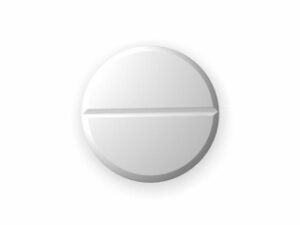
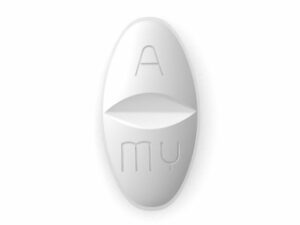
Clonidine is available in different formulations in various markets (for example tablets and, in some settings, transdermal patches). In Australia, availability may depend on brand/formulation. Always follow the specific instructions provided with your product.
Strengths and brand names: Products may differ in strength (for example, 100 micrograms or higher per tablet for some presentations). Check the package for the strength of your medicine.
Who should use it: Clonidine is used under clinician guidance, with the dose adjusted to your condition, age, and other medical factors.
How Clonidine Works (Mechanism of Action)
Clonidine works mainly in the central nervous system (CNS). It stimulates alpha-2 adrenergic receptors in the brain and brainstem. This reduces release of certain nerve signals (sympathetic outflow), which leads to:
- Lower blood pressure by decreasing sympathetic drive to the heart and blood vessels
- Reduced “adrenaline-like” effects such as tremor, agitation, and some withdrawal-related symptoms in appropriate contexts
- Calmer behaviour and improved control of hyperactivity/impulsivity in some individuals with ADHD (when used as part of a broader management plan)
In simple terms: clonidine helps your nervous system “dial down” an overactive signalling pathway.
Pharmacokinetics (How the Body Handles Clonidine)
Pharmacokinetics describes how clonidine is absorbed, distributed, metabolised, and eliminated.
- Absorption: After oral administration, clonidine is absorbed into the bloodstream. Food can influence absorption slightly, depending on the formulation.
- Time to effect: Symptom improvement and blood pressure effects may begin within a few hours, with continued effects over the dosing interval.
- Distribution: Clonidine distributes into body tissues, including the CNS.
- Metabolism: It is metabolised in the liver.
- Elimination: Clonidine is primarily eliminated via the kidneys (urinary excretion). Kidney function can affect how long the medicine stays in your body.
- Half-life: Clonidine has a relatively long half-life, but individual responses vary, which is why dose timing and gradual changes matter.
Because clonidine can significantly affect heart rate and blood pressure, clinicians often monitor response and adjust dose carefully.
Typical Uses (Indications)
Clonidine is used for several conditions, depending on patient characteristics and clinical judgement. Common indications include:
- Hypertension (high blood pressure): Particularly in patients who cannot tolerate first-line options or when additional blood pressure control is needed.
- ADHD symptoms: In some children, adolescents, and adults as an adjunct to other ADHD care where appropriate.
- Withdrawal-related symptoms: Used to help manage specific symptoms associated with withdrawal in selected settings (for example, opioid withdrawal symptoms), as part of a structured plan.
- Other nervous system–related symptoms: Occasionally used for other off-label or specialist-led indications depending on local clinical practice.
Your clinician will choose whether clonidine is appropriate based on your symptoms, medical history, and the availability of alternatives.
Dosing and Timing
The correct dose depends on the condition being treated, your age, kidney function, and response to treatment. Below are general principles; always use the exact directions on your medicine label.
General dosing principles
- Start low, go slow: Clinicians typically begin with a lower dose to reduce the risk of low blood pressure and dizziness.
- Divide doses if needed: Many people take clonidine once or twice daily. For some products or regimens, the dose is split to maintain steadier effects.
- Monitor response: Blood pressure and heart rate may be checked regularly, especially when adjusting dose.
- Do not miss doses repeatedly: Missing doses can lead to rebound symptoms (including higher blood pressure).
Timing tips
- Take at the same times daily to keep levels stable.
- If clonidine makes you sleepy, consider taking the larger dose at night (only if this matches your prescribed schedule).
- If you feel lightheaded, move slowly when standing and discuss dose timing with your clinician.
Example schedule (illustrative only)
Your product may differ. This is a general example of how some patients are prescribed clonidine:
| Situation | Typical timing concept | What to watch for |
|---|---|---|
| Starting treatment | Once daily or twice daily at set times | Dizziness, tiredness, slower heart rate |
| After dose adjustments | Continue at consistent intervals | Blood pressure response, sleepiness, dry mouth |
| Long-term maintenance | Same daily routine | Any recurrence of symptoms, especially on missed doses |
If your dose has been changed, it may take several days to stabilise. Contact your clinician if side effects are significant.
Food Interactions
Clonidine may be taken with or without food for many patients, but absorption and tolerance can vary. To minimise fluctuations:
- Try to take it consistently either always with food or always on an empty stomach, unless your instructions say otherwise.
- If you notice nausea, take clonidine with a small snack (if allowed by your prescribing directions).
There are no major “must-avoid” foods universally, but always review any specific advice provided with your product.
Alcohol and Medicine Interactions
Alcohol
Alcohol can increase the risk of drowsiness, dizziness, and slowed reaction time when taking clonidine. This may also worsen faintness or falls—especially when standing quickly.
- Limit or avoid alcohol while you’re adjusting to clonidine.
- Be extra cautious if you need to drive or operate machinery.
Medicines that may interact with clonidine
Clonidine can interact with other medicines that affect the heart rate, blood pressure, or the nervous system. Tell your clinician and pharmacist about all medicines you use, including over-the-counter products and supplements.
- Other blood pressure medicines (e.g., beta-blockers, ACE inhibitors, ARBs, diuretics): may increase risk of low blood pressure.
- Medicines that slow the heart (e.g., some beta-blockers, certain rhythm drugs): may further reduce heart rate.
- Sedatives and sleep medicines (e.g., benzodiazepines, some antihistamines, opioids, certain antidepressants): may increase drowsiness.
- Some antidepressants: may influence blood pressure or sedation in certain combinations.
- Other CNS-active medications: may add to dizziness or cognitive effects.
If you’re unsure whether a medicine could interact, ask your pharmacist. In the meantime, avoid starting or stopping medicines that affect blood pressure or sedation without advice.
Safety Profile and Side Effects
Common side effects
Not everyone experiences side effects. Common effects may include:
- Drowsiness or tiredness
- Dizziness, especially when standing up
- Dry mouth
- Constipation
- Low blood pressure (hypotension)
- Headache
- Reduced energy
Less common but important risks
- Slow heart rate (bradycardia)
- Rebound high blood pressure if clonidine is stopped suddenly
- Sleep disturbances in some people
- Confusion or marked sedation (more likely in older adults or with interacting medicines)
When to seek urgent help
Seek urgent medical attention if you have:
- Fainting, severe dizziness, or inability to stay awake
- Chest pain, severe shortness of breath, or an unusually slow or irregular heartbeat
- Severe headache with very high blood pressure symptoms (e.g., vision changes, weakness)
Do not stop suddenly
One of the most important safety points for clonidine is that abrupt discontinuation can lead to rebound hypertension and other withdrawal-like symptoms. If your treatment needs to stop, your clinician will usually recommend a gradual taper.
Practical Use Tips
To get the best results
- Use a routine: Take your dose at the same times daily. A reminder alarm can help.
- Stand up slowly: If you feel lightheaded, rise gradually from lying/sitting.
- Hydrate appropriately: Adequate fluids can reduce dizziness for some people, unless you’ve been advised to limit fluids.
- Track blood pressure/heart rate if advised: Especially during dose changes.
- Manage dry mouth: Frequent sips of water, sugar-free chewing gum, or sugar-free sweets can help (unless restricted).
If you miss a dose
Missed-dose instructions vary with your regimen and product. As a general approach:
- Do not double up to make up for a missed dose.
- If you’re close to the next dose, skip the missed dose and continue with your regular schedule.
- Because clonidine can cause rebound effects, contact your pharmacist or clinician for advice if you miss doses more than once or if you have symptoms.
Driving and alertness
Clonidine may cause drowsiness and reduced alertness, particularly during the early days of treatment or after a dose increase. Until you know how clonidine affects you:
- Avoid driving if you feel sleepy or dizzy.
- Be careful with machinery, heights, or tasks requiring fast reaction time.
Alternative Options
Alternative treatments depend on why you’re using clonidine. Below are common categories of alternatives:
- For hypertension: Other blood pressure medicines such as ACE inhibitors, ARBs, calcium channel blockers, thiazide diuretics, and beta-blockers (selection depends on your health profile).
- For ADHD symptoms: Stimulant medicines, non-stimulant ADHD treatments, behaviour therapy and education plans; sometimes other sedating agents are considered depending on individual needs.
- For withdrawal-related symptoms: Withdrawal management plans may include different supportive medications and monitoring strategies.
Discuss alternatives with your clinician. The best choice depends on your symptoms, medical history, side effect tolerance, and co-medications.
Market and Legal Context for Australia
In Australia, clonidine is typically considered a prescription medicine and is supplied through approved channels in line with local regulations. Medicines must be used according to the directions of a healthcare professional and according to the product instructions provided with your supply.
Availability can vary between formulations and brands. Your pharmacist can confirm what is available, what substitutions are permitted, and whether a particular strength/formulation is currently in stock.
Recent Guidance and Monitoring (What to Expect)
Clinical practice emphasises:
- Careful titration to reduce risk of low blood pressure and dizziness.
- Monitoring of blood pressure and heart rate, particularly early in treatment or after dose changes.
- Gradual discontinuation to prevent rebound hypertension.
- Medication review for interactions that increase sedation or lower heart rate.
Always check for updates to product information and follow current advice from your prescriber and pharmacist.
Delivery and Availability (Online Pharmacy)
Availability of clonidine products may differ depending on supply and formulation. When ordering online in Australia, you may be asked to provide required details during checkout and verification steps may apply to ensure safe dispensing.
- Dispatch times: Vary by region and stock availability.
- Packaging: Medicines are usually supplied in manufacturer-approved containers with patient information.
- Storage: Store according to the label (often at room temperature, away from excessive heat and moisture).
If you need the medicine urgently, contact the pharmacy before placing your order to ask about delivery timelines.
Frequently Asked Questions (FAQ)
1) What is clonidine used for?
Clonidine is used to treat certain forms of high blood pressure and may be used to manage ADHD symptoms in selected cases. It can also help relieve certain withdrawal-related symptoms in structured care settings.
2) How quickly does clonidine work?
Many people notice effects within hours, but the full benefit may take several days as the body adjusts and the dose is optimised.
3) Can I take clonidine with food?
It is often taken with or without food. For consistency and comfort, take it the same way each day unless your pharmacist or clinician advises otherwise.
4) Will clonidine make me sleepy?
Drowsiness is a common effect. If it affects you, avoid driving and discuss timing or dose adjustments with your clinician.
5) What happens if I miss a dose?
Don’t double the dose. If you miss doses or feel unwell, contact your pharmacist or clinician. Because clonidine should not be stopped abruptly, repeated missed doses may require advice.
6) Can I drink alcohol while taking clonidine?
Alcohol can increase dizziness and sleepiness. It’s best to avoid or limit alcohol, especially when adjusting to treatment.
7) What medicines should I avoid with clonidine?
Tell your pharmacist about all medicines, including blood pressure medicines, sedatives, and any medicines that slow the heart or cause sleepiness. Interactions are individual, so professional checking is important.
8) Is it safe to stop clonidine suddenly?
Stopping suddenly can cause rebound high blood pressure and other symptoms. Always taper under medical guidance.
9) How should clonidine be stored?
Store according to the label instructions. Keep it out of reach of children and away from excess heat, moisture, and direct sunlight.
10) Where can I get more information?
Refer to the consumer medicine information (CMI) provided with your specific product and speak with your pharmacist for advice tailored to your situation.
Summary
Clonidine helps reduce overactivity in the nervous system and is used for specific conditions including high blood pressure, ADHD symptoms in selected patients, and some withdrawal-related symptoms under structured care. It may cause dizziness and drowsiness, and it’s important not to stop suddenly. With consistent dosing, careful monitoring, and guidance from your pharmacist and clinician, clonidine can be used safely and effectively.