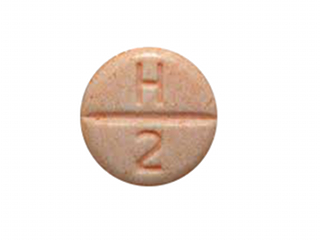


Hydrochlorothiazide (HCTZ) — Patient Information
Hydrochlorothiazide is a commonly used “thiazide” medicine used to treat fluid retention and certain types of high blood pressure. It helps the body pass more salt and water through the urine, which can lower blood pressure and reduce swelling (oedema). This page explains how it works, when and how it’s taken, what to watch for, and important interactions—tailored for people in Australia.
Basic product information
| Item | Details |
|---|---|
| Generic name | Hydrochlorothiazide |
| Medicine group | Thiazide diuretic (sometimes called “water tablet”) |
| Common forms | Tablets (strengths vary by brand; examples include 12.5 mg, 25 mg, 50 mg) |
| How it is used | For hypertension (high blood pressure) and oedema/fluid retention in selected conditions |
| Availability in Australia | Listed medicines in Australia; availability depends on brand and pharmacy supply |
Brand names can differ by manufacturer. Always check the label for your specific dose strength and instructions from your prescriber or pharmacist.
How hydrochlorothiazide works (mechanism of action)
Hydrochlorothiazide reduces how much sodium (salt) is reabsorbed in the kidney’s distal convoluted tubule. By increasing sodium and water excretion, it lowers blood volume and helps relieve fluid retention.
In the longer term, thiazide diuretics also help relax blood vessels (improve vascular tone), contributing to blood pressure lowering. Over time, blood pressure improvements can continue even at lower fluid changes.
Key effects
- Increased urination (diuresis), leading to reduced fluid retention
- Lowered blood pressure
- Possible changes in electrolytes: sodium and potassium may decrease
Pharmacokinetics (what the body does to the medicine)
Pharmacokinetics describe how hydrochlorothiazide is absorbed, distributed, metabolised, and eliminated. General characteristics include:
- Absorption: Taken by mouth; absorption occurs in the gastrointestinal tract. Food may influence the rate of absorption for some people, but the effect is usually not clinically significant.
- Onset of action: Diuretic effects typically begin within hours after a dose.
- Peak effect: Maximum diuretic effect usually occurs a few hours after dosing.
- Duration: The effect typically lasts several hours; for blood pressure control, dosing schedules can be daily or adjusted according to the person’s response.
- Distribution: Distributes into body fluids and tissues; effects relate largely to kidney function.
- Elimination: Excreted primarily by the kidneys, so kidney function affects how well it works and how safely it can be used.
- Metabolism: Hydrochlorothiazide is not extensively metabolised in the body.
If you have kidney disease, reduced renal function may increase the risk of side effects and may require dose adjustment and more frequent monitoring.
Typical use in Australia
Hydrochlorothiazide is used for:
- Hypertension: to help lower blood pressure, sometimes alone or more commonly as part of combination therapy.
- Oedema/fluid retention: for selected conditions where reducing fluid is beneficial (your clinician will specify the reason).
It is often chosen when a “water tablet” is appropriate and when monitoring of electrolytes can be done.
Indications (why hydrochlorothiazide may be recommended)
Indications commonly include:
- High blood pressure (hypertension), particularly as part of an overall cardiovascular risk management plan
- Oedema due to conditions where fluid reduction is appropriate (the specific cause matters)
- Sometimes used in combination regimens to improve blood pressure response
Always follow the reason and goals explained by your clinician. “Fluid tablets” are not suitable for all types of swelling.
How to take hydrochlorothiazide: timing and dosing
Timing matters with diuretics. Hydrochlorothiazide increases urine production, so taking it too late in the day may cause night-time urination.
General timing guidance
- Morning dosing is common: Many people take hydrochlorothiazide in the morning to reduce disruption to sleep.
- Follow your specific schedule: Your dose may be daily or adjusted depending on your blood pressure, kidney function, and electrolyte results.
Typical dosing ranges (general information)
Doses vary based on the condition being treated, your kidney function, and how you respond. Common adult starting doses are often in the range of:
- Hypertension: low to moderate daily doses are commonly used, sometimes starting at 12.5 mg or 25 mg once daily, with adjustments if needed.
- Oedema: dosing may differ and may require more frequent review of fluid balance and electrolytes.
Your prescription instructions (or label directions) are the safest way to confirm your exact dose. Do not change dose without medical guidance.
How to take it
- Swallow tablets with water.
- Try to take it at the same time each day for consistent effect.
- If you miss a dose, take it when you remember unless it is close to the next dose—then skip the missed dose. Do not double up.
- If you are unsure about missed doses, ask your pharmacist.
Food interactions and eating advice
Hydrochlorothiazide can generally be taken with or without food. However, practical points include:
- Salt intake: High salt diets can reduce the blood pressure benefit of diuretics. A balanced intake is typically advised.
- Grapefruit and citrus: Hydrochlorothiazide is not typically associated with a major grapefruit interaction, but individual combinations of medicines can affect risk.
- Electrolytes: Diets low in potassium may increase the risk of low potassium, especially if you’re also taking other medicines that lower potassium.
Your pharmacist can suggest an approach to diet that supports your treatment goals, including how to manage potassium in a safe way—especially if you have kidney disease or are taking other blood pressure medicines.
Alcohol interactions and safety
Alcohol may increase dizziness or light-headedness when taking blood pressure medicines by widening blood vessels and lowering blood pressure. This can be especially noticeable when you first start hydrochlorothiazide or after a dose increase.
- Risk of dizziness: Drink alcohol cautiously.
- Dehydration: Alcohol can contribute to dehydration in some people, potentially worsening side effects related to fluid balance.
- Driving and machinery: Be careful if you feel unwell, dizzy, or weak.
If you regularly drink alcohol or have a history of low blood pressure, ask your pharmacist or doctor for personalised advice.
Medicine interactions (important)
Hydrochlorothiazide can interact with other medicines, mainly through effects on electrolytes (especially potassium and sodium), kidney function, and blood pressure. Always tell healthcare professionals about all medicines you use, including over-the-counter products and supplements.
Common interaction categories
- Other blood pressure medicines (e.g., ACE inhibitors, ARBs, calcium channel blockers): may increase blood pressure lowering. Often appropriate, but may require monitoring.
- NSAIDs (e.g., ibuprofen, naproxen): can reduce diuretic effect and may affect kidney function, especially with dehydration.
- Lithium: diuretics can increase lithium levels, raising toxicity risk. Monitoring is essential if used together.
- Diabetes medicines: hydrochlorothiazide can raise blood glucose in some people, possibly requiring review of diabetes management.
- Gout medicines: thiazides can increase uric acid and may trigger gout in susceptible people.
- Potassium-related medicines: the balance of potassium is important. Some combinations can lower potassium further, while others increase potassium.
- Cardiac rhythm medicines: low potassium or low magnesium can increase the risk of rhythm problems in certain settings.
- Calcium and vitamin D preparations: electrolyte changes may require monitoring in some patients.
Electrolyte monitoring is key
Hydrochlorothiazide can lead to low potassium (hypokalaemia) and/or low sodium (hyponatraemia). It can also raise levels of uric acid and, in some people, increase cholesterol or triglyceride levels. Your healthcare team may order blood tests to monitor these parameters.
Safety profile and side effects
Most people tolerate hydrochlorothiazide well when monitored appropriately. However, like all medicines, it can cause side effects—some of which require prompt attention.
Common side effects
- Increased urination (usually expected)
- Dizziness or light-headedness (particularly at the start or when standing up quickly)
- Headache
- Muscle cramps or weakness (may relate to electrolyte changes)
- Thirst
Electrolyte-related effects
- Low potassium: may cause muscle cramps, weakness, constipation, or palpitations.
- Low sodium: may cause headache, confusion, extreme fatigue, nausea, or in severe cases seizures.
- Dehydration: can worsen dizziness, low blood pressure, or kidney function.
Less common but serious warning signs
Seek urgent medical help if you experience:
- Fainting, severe dizziness, or inability to stand safely
- Severe weakness, confusion, or unusual drowsiness
- Heart rhythm symptoms (fast, irregular heartbeat) with feeling unwell
- Signs of an allergic reaction such as facial swelling, rash, or difficulty breathing
- Severe persistent vomiting or diarrhoea (can increase dehydration and electrolyte imbalance)
Special populations
- Kidney impairment: risk of electrolyte imbalance and reduced clearance increases.
- Older adults: may be more prone to dizziness, falls, and electrolyte changes.
- People with diabetes: blood glucose may be affected.
- People prone to gout: uric acid increases may trigger flare-ups.
Practical use tips (to get the best results)
- Take it earlier in the day: Most people should avoid late-night dosing to reduce sleep disruption.
- Stand up slowly: This reduces dizziness, especially when first starting or after a dose change.
- Stay hydrated: Drink fluids regularly unless you’ve been told to restrict fluids.
- Follow lab monitoring: Blood tests may be used to check electrolytes and kidney function, particularly after starting or changing dose.
- Be consistent with diet: Large swings in salt or potassium intake can affect results and safety.
- Know your “triggers”: If you get cramps or feel weak, it may relate to potassium; report symptoms to your clinician.
- Keep a simple log: Record blood pressure readings (if advised) and any symptoms such as dizziness or palpitations.
What to expect when starting
When you begin hydrochlorothiazide, some people notice:
- More urination within a few hours of the dose
- Possible dizziness, especially early on
- Changes in thirst
Blood pressure effects often become more noticeable over days to weeks, while fluid-related changes can occur sooner. If you feel significantly unwell, contact your pharmacist or doctor promptly.
Alternative options (discuss with your pharmacist/doctor)
If hydrochlorothiazide is not suitable—due to side effects, lack of response, or interaction risks—your clinician may consider other strategies, including:
- Other thiazide-type diuretics: e.g., indapamide or chlorthalidone (availability and suitability depend on the condition and monitoring plan).
- Loop diuretics: e.g., furosemide—often used for certain forms of fluid overload.
- Different antihypertensive classes: ACE inhibitors, ARBs, calcium channel blockers, beta blockers (depending on your medical history).
- Combination approaches: sometimes combining smaller doses of different medicines improves blood pressure control and may reduce certain side effects.
- Non-medicine measures: sodium reduction, weight management, physical activity, limiting alcohol, and smoking cessation—support overall cardiovascular health.
The “best” alternative depends on the reason you’re using hydrochlorothiazide and your individual risk factors and lab results.
Australia market and legal context (overview)
In Australia, access to medicines is regulated by the Therapeutic Goods Administration (TGA) and the relevant scheduling (e.g., prescription-only medicines, pharmacist-only, or other categories). Availability through an online pharmacy may depend on the product category, stock, and regulatory requirements.
Hydrochlorothiazide is widely used in Australia and may be available under various brand names and strengths. Your online pharmacy should provide clear product details, packaging information, and safe-use instructions.
If you’re unsure about eligibility for online supply, talk to your pharmacist before ordering.
Recent guidance and monitoring approach (general)
While specific recommendations can vary by clinical scenario, current best practice in hypertension management generally emphasises:
- Regular blood pressure review: to confirm effectiveness and ensure safe titration.
- Electrolyte and kidney function monitoring: particularly after starting, dose changes, or if you’re at higher risk (older age, kidney disease, diabetes, dehydration, or interacting medicines).
- Awareness of metabolic effects: glucose, uric acid, and lipid changes can occur in some people.
- Individualised therapy: treatment goals depend on overall cardiovascular risk and comorbidities.
Ask your healthcare team when you should have blood tests and how often to check blood pressure.
Delivery and availability (online pharmacy)
Availability of hydrochlorothiazide can depend on:
- Brand and tablet strength
- Current supplier stock
- Local pharmacy dispensing arrangements
Typical delivery experience may include:
- Packaging: tablets are dispensed in sealed packaging with printed batch/expiry details where applicable.
- Dispatch times: vary by location and stock availability.
- Tracking: many online pharmacies provide order tracking.
If you need your medicine urgently (e.g., you are about to run out), contact the pharmacy to confirm stock and delivery timing.
FAQ — Frequently asked questions
1. What is hydrochlorothiazide used for?
It’s used to help lower high blood pressure and to reduce fluid retention (oedema) in selected conditions. The exact reason you’re taking it will be explained by your clinician.
2. How quickly does it start working?
Diuretic (increased urination) effects typically begin within a few hours after taking a dose. Blood pressure benefits may take days to weeks to fully develop.
3. Should I take it in the morning or at night?
Many people take it in the morning to reduce night-time urination. If your dosing times are different, follow your label instructions.
4. Can I take it with food?
Hydrochlorothiazide can generally be taken with or without food. If you find it upsets your stomach, taking it with a small meal may help.
5. What foods should I avoid?
Avoid extreme salt restriction or large changes in salt intake without medical advice. If you’re at risk of low potassium, your clinician may advise on potassium-containing foods—carefully, especially if you also have kidney issues.
6. What side effects are most common?
Increased urination, dizziness/light-headedness, and sometimes muscle cramps or weakness (potentially from electrolyte changes) are among the more common effects.
7. How do I know if my potassium or sodium is too low?
Symptoms of low potassium can include muscle cramps, weakness, constipation, or palpitations. Low sodium may cause headache, confusion, unusual tiredness, nausea, or in severe cases seizures. Blood tests are the best way to confirm.
8. Can I drink alcohol while taking it?
Alcohol may increase dizziness or worsen dehydration. If you choose to drink, do so cautiously and avoid excess. If you feel light-headed, skip alcohol and seek advice if symptoms persist.
9. Are there medicines I should avoid?
Some medicines can interact with hydrochlorothiazide, including NSAIDs (like ibuprofen), lithium, and some treatments that affect potassium, sodium, glucose, or uric acid. Always check with your pharmacist if you start or stop any medicine.
10. What should I do if I miss a dose?
Take it when you remember unless it’s close to the next dose. Don’t double up. If you’re unsure, ask your pharmacist for advice.
11. Who should be extra careful?
Extra caution is needed if you have kidney disease, are older, have diabetes, gout, or are taking interacting medicines. Monitoring and dose adjustments may be required.
12. Can hydrochlorothiazide cause gout?
It can increase uric acid levels in some people, which may trigger gout flares if you’re susceptible. If you develop joint pain (often in the big toe or other joints), seek advice promptly.
Key take-home messages
- Hydrochlorothiazide is a thiazide diuretic used for hypertension and selected fluid retention conditions.
- It works by increasing salt and water removal through the kidneys.
- Morning dosing is commonly preferred to reduce night-time urination.
- Monitoring of electrolytes and kidney function is important, especially after starting or changing dose.
- Be careful with alcohol and certain interacting medicines (especially NSAIDs and lithium).
- If you feel significantly unwell, dizzy, confused, or have palpitations, seek medical help promptly.
This information is general and may not cover every individual situation. For advice specific to you—particularly dosing, monitoring, and interactions—consult your pharmacist or other healthcare professional.