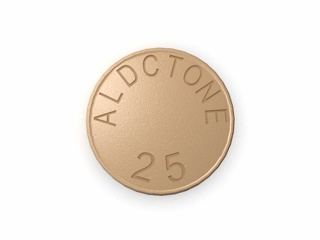
Aldactone (Spironolactone) — Patient-Friendly Guide (Australia)
Aldactone is the brand name for spironolactone, a medicine used to treat a range of conditions where the body has too much salt and fluid retention, and where hormones (particularly aldosterone) play a role. In Australia, Aldactone is commonly prescribed for fluid-related problems and certain hormone-related conditions.
This guide explains what Aldactone does, how it works, how it’s typically taken, important food and alcohol interactions, safety considerations, and what to expect. Always follow your healthcare professional’s instructions.
Basic product information
| Feature | Details |
|---|---|
| Active ingredient | Spironolactone |
| Brand name | Aldactone |
| Medicine type | Potassium-sparing diuretic (aldosterone antagonist) |
| Common uses | Fluid retention (e.g., heart failure), hypertension (selected patients), hormone-related oedema, and off-label uses such as acne/hirsutism (as advised by a clinician) |
| Key risk | High potassium (hyperkalaemia), especially with kidney problems or interacting medicines |
How Aldactone works (mechanism of action)
Aldactone belongs to a group of medicines called aldosterone antagonists. Aldosterone is a hormone produced by the adrenal glands. It helps regulate the balance of sodium (salt) and potassium in the body and influences fluid retention.
Spironolactone blocks the action of aldosterone at hormone receptors in the kidney (and other tissues). This results in:
- Increased sodium and water loss (helps reduce swelling and fluid retention).
- Reduced potassium loss (helps conserve potassium, but can increase potassium levels in the blood).
- Antihormonal effects (spironolactone can affect androgen activity, which is why it may be used for some skin/hair conditions under medical guidance).
Because of its “potassium-sparing” nature, Aldactone is different from many other diuretics that may lower potassium.
Pharmacokinetics (how the body processes it)
Pharmacokinetics describe how the body absorbs, distributes, metabolises, and eliminates a medicine. Understanding this can help explain timing and side effects.
- Absorption: Spironolactone is absorbed from the gastrointestinal tract after oral dosing.
- Metabolism: It is largely metabolised in the liver to active metabolites, including canrenone. These metabolites contribute to the medicine’s effect.
- Onset of action: Diuretic effects may begin within hours, but the full clinical benefit (especially in fluid conditions) can take several days.
- Half-life: The effect can last longer than the immediate drug levels due to active metabolites. This supports once- or twice-daily dosing patterns in practice.
- Elimination: Metabolites are eliminated primarily via the urine and also via other routes.
If you have kidney or liver impairment, medicine handling can change, increasing the risk of side effects—your clinician may adjust dosing and monitor blood tests more closely.
Typical use in Australia
Aldactone is used for multiple medical situations. The most common “core” uses include:
- Oedema (fluid retention) related to conditions where aldosterone is elevated (for example, certain cases of heart failure, liver-related fluid build-up, or other medically assessed fluid problems).
- Hypertension in selected patients, particularly where potassium-sparing effects are beneficial and the risk profile is suitable.
- Hyperaldosteronism (excess aldosterone activity), including situations where spironolactone is used to control hormone-driven salt and fluid retention.
- Hormone-related symptoms such as fluid retention linked to hormonal factors; in some settings, clinicians may use it for conditions like acne or excessive hair growth (depending on your individual assessment).
Your healthcare professional will decide the most appropriate treatment plan based on your condition, lab results (especially potassium and kidney function), and other medicines you take.
When and how to take Aldactone (timing and routine)
Timing can influence comfort and side-effect risk. Many people find it helpful to take Aldactone with food or after meals.
- With meals: Taking with food may improve tolerance and reduce stomach upset.
- Once or twice daily: Your dosing schedule will depend on the condition being treated and your response.
- Diuretic timing: If your medicine causes more frequent urination, taking doses earlier in the day can help minimise nighttime trips to the toilet.
- Consistency: Try to take doses at similar times each day to keep levels steadier.
If you miss a dose, take it when you remember unless it’s close to the next dose. Do not double up.
Food interactions and what to avoid
Aldactone works with the body’s salt (sodium) and potassium balance, so food choices can matter—especially if you’re taking it for fluid retention or have kidney concerns.
Potassium and salt considerations
- Be cautious with high-potassium foods: While food potassium is usually not an issue for everyone, your clinician may advise limiting foods rich in potassium if your blood potassium is high.
- Avoid salt substitutes unless approved: Many salt substitutes contain potassium. Using them can increase the risk of hyperkalaemia.
- Don’t dramatically change your diet: Sudden high-potassium dietary changes can complicate monitoring.
General dietary tips
- Stay consistent with your normal diet unless your clinician provides specific dietary guidance.
- If you have been advised to follow a low-salt plan, continue to do so.
- Hydrate appropriately—follow any fluid restrictions given for your condition.
There are no special “must avoid” foods for spironolactone for most people, but potassium-related guidance is important.
Alcohol and medicine interactions
Alcohol may worsen side effects for some people, particularly if you experience dizziness or low blood pressure. It can also interfere with overall fluid and blood pressure regulation.
- Dizziness and light-headedness: Alcohol can increase the chance of feeling unwell, especially when standing up quickly.
- Hydration: If alcohol causes dehydration, it can affect how your body manages fluid balance.
- Liver considerations: Spironolactone is metabolised in the liver. If you have liver disease or heavy alcohol intake, discuss risks and monitoring with your clinician.
If you choose to drink alcohol, do so in moderation and pay attention to how you feel. If you notice dizziness, fainting, or worsening weakness, avoid alcohol and seek advice.
Medicine interactions (important)
Aldactone interacts with several medicines—especially those that can raise potassium or affect kidney function.
Medicines that can increase potassium (hyperkalaemia risk)
- ACE inhibitors (e.g., enalapril, lisinopril)
- Angiotensin II receptor blockers (ARBs) (e.g., losartan, valsartan)
- Direct renin inhibitors (e.g., aliskiren)
- Potassium supplements (tablets, powders, or high-dose vitamin preparations)
- Potassium-containing salt substitutes
- Other potassium-sparing diuretics (e.g., amiloride, triamterene)
- Non-steroidal anti-inflammatory drugs (NSAIDs) (e.g., ibuprofen, naproxen, diclofenac), particularly in frequent or high-dose use
- Trimethoprim (an antibiotic that can raise potassium)
Other interactions
- Digoxin: Potassium changes can affect heart rhythm and digoxin safety.
- Lithium: Interactions can increase lithium levels and toxicity risk.
- Blood pressure medicines: Combined effects may increase dizziness or low blood pressure.
Tell your pharmacist or clinician about all medicines you use, including OTC products, supplements, herbal products, and pain relievers. Monitoring may be needed.
Indications (when it’s used)
Indications are the conditions for which Aldactone may be used. Depending on your individual circumstances and clinical assessment, Aldactone may be used for:
- Oedema and fluid retention due to conditions with increased aldosterone activity.
- Hypertension in selected patients.
- Conditions involving excess aldosterone activity (hyperaldosteronism), under medical management.
- Hormone-related symptoms (such as acne or excess hair growth) where clinicians consider anti-androgen effects appropriate. Use for these conditions is determined by clinical practice and individual risk factors.
If you are using it for a particular symptom, ask your clinician what treatment goals to expect and when you should notice improvement.
Dosing (what is typical)
The correct dose depends on why you’re taking Aldactone, your age, kidney function, blood potassium levels, and other medicines. Your clinician will tailor the dose to you.
Important: The following information is general and should not replace personalised instructions.
Common dosing patterns (general guidance)
- For fluid retention/oedema: Often started at a lower dose and adjusted based on response and blood tests.
- For hormone-related conditions: Doses may be lower than those used for fluid retention, and adjustments are usually gradual.
- For hyperaldosteronism: Dosing is typically individualised and may be part of a longer management plan.
Monitoring may guide dosing
Because Aldactone can raise potassium, clinicians often monitor:
- Serum potassium
- Kidney function (e.g., creatinine/eGFR)
- Blood pressure and symptoms (dizziness, swelling)
If you develop symptoms of high potassium (see below), contact your healthcare provider promptly.
Safety profile: who should take extra care
Many people take Aldactone safely when it’s properly prescribed and monitored. However, it has important safety considerations.
Key risks
- High potassium (hyperkalaemia): Can be dangerous. Risk is higher with kidney problems, older age, dehydration, and medicines that also raise potassium.
- Kidney function changes: Your clinician may adjust dosing and monitor blood results.
- Low blood pressure (hypotension): Particularly if you already have low blood pressure or also take other blood pressure-lowering medicines.
- Electrolyte imbalances: While Aldactone conserves potassium, monitoring helps ensure overall balance is safe.
Common side effects
- Drowsiness or fatigue
- Increased urination (often earlier in treatment)
- Stomach upset, nausea
- Headache
- Breast tenderness or enlargement (more commonly in some patients)
- Menstrual irregularities
- Sexual side effects (varies by person)
Seek urgent medical help if you have
- Signs of high potassium: muscle weakness, numbness/tingling, severe tiredness, slow or irregular heartbeat
- Fainting, severe dizziness, or chest pain
- Signs of allergic reaction: swelling of face/lips, rash, trouble breathing
- Severe vomiting, inability to keep fluids down, or severe dehydration
If you’re at higher risk (e.g., kidney disease, diabetes, or multiple interacting medicines), you may need closer blood test monitoring.
Practical use tips (to get the best results safely)
- Keep up with blood tests: Potassium and kidney function monitoring is central to safe use.
- Know your “red flag” symptoms: Learn the signs of dehydration, low blood pressure, and high potassium.
- Check your OTC medicines: Pain relief such as NSAIDs (ibuprofen/naproxen) can raise potassium risk when used with Aldactone.
- Avoid potassium-containing supplements: unless your clinician specifically told you to take them.
- Stay consistent with diet: avoid using potassium-containing salt substitutes.
- Tell your clinician about illness: if you get vomiting/diarrhoea, fever, or you’re not drinking normally, contact your clinician—dehydration can increase potassium risk.
- Give it time: diuretic benefits may take days; hormone-related effects may take weeks to become noticeable.
Alternative options (if Aldactone isn’t suitable)
Treatment alternatives depend on the reason you’re using Aldactone and your individual risk factors.
Fluid retention / diuretic alternatives
- Other diuretics: “Loop” or “thiazide” diuretics may be considered, depending on kidney function and electrolyte needs.
- Combination therapy: Some regimens pair different diuretics to balance fluid removal and electrolyte effects.
Hormone-related symptoms
- Other anti-androgen strategies may be used depending on the condition and your health profile.
- Topical or other systemic therapies may be appropriate for skin conditions such as acne.
Only your clinician can determine the most suitable option based on your diagnosis, lab results, and other medicines.
Market and legal context for Australia
In Australia, Aldactone (spironolactone) is an approved prescription medicine. Access typically follows Australian regulatory requirements and pharmacy supply rules.
When sourcing medicines online in Australia, choose reputable suppliers that provide clear product information, appropriate storage handling, and compliant delivery processes. Always verify the medicine details (active ingredient, strength, and form) against what your clinician has recommended.
If you have questions about eligibility, billing, or how to obtain medicines safely, speak with an Australian pharmacist.
Recent guidance and monitoring themes
While individual clinical guidance can vary, there are consistent themes in recent medical practice regarding spironolactone:
- Emphasis on potassium and kidney monitoring, especially in patients taking medicines that influence the renin-angiotensin-aldosterone system (e.g., ACE inhibitors/ARBs).
- Caution with NSAIDs and OTC pain relievers, as they can worsen kidney function and increase potassium levels in vulnerable patients.
- Higher vigilance in older adults and people with chronic kidney disease or diabetes, where electrolyte disturbances are more likely.
- Individualised dosing rather than one-size-fits-all schedules, based on lab results and clinical response.
If you’d like, provide your condition and other medicines to a pharmacist to help identify likely interaction risks and monitoring needs.
Delivery and availability (Australia)
Aldactone is widely available through Australian pharmacies. Online pharmacies typically offer delivery options across Australia, though availability can vary by:
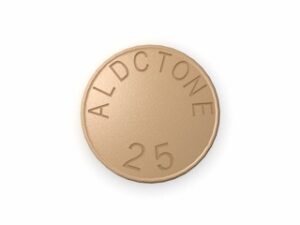
- Stock levels and tablet strengths (commonly 25 mg, 50 mg, or other strengths depending on market supply)
- Short-term supply interruptions
- Delivery location and service level
After ordering, reputable suppliers usually provide tracking details where available and ensure the product is handled appropriately for general storage conditions (follow label instructions).
If you’re travelling or need long-term treatment, consider ordering with enough time for delivery and pharmacy processing.
FAQ: Aldactone (Spironolactone)
1) How long does Aldactone take to work?
Some effects may begin within hours, but for fluid-related symptoms the full response often takes several days. If you’re using it for hormone-related skin symptoms, improvements may take weeks.
2) Will Aldactone make me pee more?
It can increase urination, especially early in treatment. To reduce disruption, many people take their dose earlier in the day. If nighttime urination is a problem, speak to your clinician.
3) Is Aldactone a “water tablet”?
Yes. It is a diuretic, but it is potassium-sparing. This means it helps the body retain potassium while reducing fluid retention.
4) Can I take ibuprofen or other anti-inflammatory pain relief?
Caution is advised. NSAIDs (e.g., ibuprofen, naproxen) can raise potassium risk and affect kidney function when used with spironolactone. Ask a pharmacist or clinician before using NSAIDs regularly.
5) What foods should I avoid?
The main concern is potassium. Avoid potassium-containing salt substitutes. If your potassium is high or you have kidney problems, your clinician may recommend limiting high-potassium foods.
6) Can I drink alcohol?
Moderate alcohol may be acceptable for some people, but it can worsen dizziness or low blood pressure. If you feel light-headed, avoid alcohol and seek advice.
7) What are the signs of high potassium?
Symptoms can include muscle weakness, tingling/numbness, severe fatigue, and irregular heartbeat sensations. Because this can be serious, contact urgent medical care if you suspect high potassium.
8) Do I need blood tests?
Often, yes. Blood tests for potassium and kidney function are commonly monitored, especially when starting treatment, changing dose, or combining with other medicines that affect potassium.
9) Can Aldactone affect pregnancy or breastfeeding?
Medicine safety in pregnancy and breastfeeding is complex and depends on the indication and your health status. Discuss this with your clinician before using Aldactone if you are pregnant, planning pregnancy, or breastfeeding.
10) What should I do if I miss a dose?
Take it when you remember unless it is close to your next dose. Do not double the dose. If you’re unsure, ask a pharmacist for advice.
Remember: Aldactone can be very effective when used appropriately, but safe use depends on the right dose and appropriate monitoring—particularly for potassium and kidney function. If you have questions about your personal situation or possible interactions with other medicines, consult a pharmacist.