Clotrimazole — Antifungal Medicine for Skin and Mouth Infections (Australia)
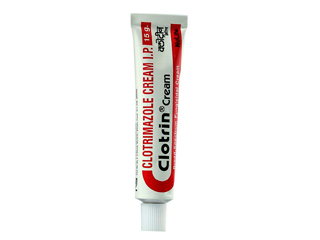
Clotrimazole is a widely used antifungal medicine used to treat a range of fungal infections. It works against common fungi that cause symptoms such as itching, redness, scaling, and discomfort. Depending on the product you choose, clotrimazole may be available as a cream, solution, pessary, vaginal cream, or lozenges (for mouth and throat infections).
This guide is designed to be patient-friendly and helpful for customers across Australia. Always read the Consumer Medicine Information (CMI) provided with your product and follow the directions on the label.
Quick Product Information
| Category | Details |
|---|---|
| Active ingredient | Clotrimazole |
| Type | Antifungal (imidazole) medicine |
| Common forms | Cream, solution, pessary/vaginal cream, lozenges |
| Typical targets | Fungal infections on skin, in the mouth/throat, and/or vaginal area (varies by product) |
| Where it’s available | Available from pharmacies in Australia (varies by strength and form) |
| Use note | Use for fungus—not for bacterial infections |
How Clotrimazole Works (Mechanism of Action)
Clotrimazole belongs to the imidazole family of antifungals. Its primary action is to interfere with the production of ergosterol, an essential component of fungal cell membranes. Without ergosterol, the fungal cell membrane becomes unstable and the fungus cannot function properly.
Depending on the fungus and the concentration achieved at the site, clotrimazole may be fungistatic (slows growth) or fungicidal (kills) fungi.
Common fungi treated
- Dermatophytes (e.g., the causes of ringworm/tinea in skin)
- Candida species (e.g., some mouth/throat and vaginal fungal infections)
- Other yeasts associated with superficial fungal conditions
Pharmacokinetics: How the Body Handles It
“Pharmacokinetics” describes what the body does to a medicine (absorption, distribution, metabolism, and excretion). Clotrimazole’s behaviour varies by formulation and route.
Absorption
- Skin products (e.g., clotrimazole cream/solution): Generally limited absorption through intact skin. Some absorption can occur, particularly if applied to inflamed skin or large areas.
- Vaginal products (e.g., pessaries/vaginal cream): Absorption is usually low and mostly local.
- Mouth/throat products (e.g., clotrimazole lozenges): Absorption occurs mainly in the local area of application.
Distribution, metabolism, and elimination
Clotrimazole is metabolised mainly in the liver and then eliminated from the body. For most people using topical forms, systemic exposure is typically low.
If you have liver disease, are pregnant, or are using a higher dose or multiple products at once, it’s wise to discuss your situation with a pharmacist.
Typical Uses and Indications (What Clotrimazole Treats)
The correct indication depends on the formulation you purchase. Use the section that matches your product.
Common indications by form
-
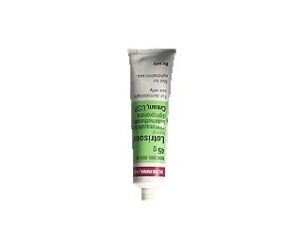
Clotrimazole cream/solution: Often used for superficial fungal infections of the skin, such as:
- tinea (ringworm), athlete’s foot (tinea pedis), and related dermatophyte infections
- intertrigo due to fungal infection (e.g., fungal rash in skin folds)
- candidal skin infections in appropriate cases
- Vaginal clotrimazole pessary or vaginal cream: Used for vaginal yeast infections (usually Candida-related), as directed by the product label and packaging instructions.
- Clotrimazole lozenges: Used for fungal infection in the mouth and throat (oral thrush), depending on the product.
If you’re unsure whether your symptoms are fungal, a pharmacist can help you match your symptoms to the right product. Clotrimazole is not a treatment for most bacterial skin infections.
When to Start and Timing of Use
Results vary by infection type and location, but early action often helps. The key is to use clotrimazole for the full course on the label—even if symptoms improve sooner.
Typical timing expectations
- Skin infections: Many people notice reduced redness/itching within a few days. Complete clearing may take longer, and the full treatment duration is important.
- Vaginal infections: Symptoms may improve within days, but complete treatment is essential to reduce recurrence.
- Oral thrush: Improvement can be seen over several days. Continue treatment as directed.
How often to apply
Always follow the frequency written on your specific product. Different strengths and forms have different dosing schedules.
Dosing: How to Use Clotrimazole (General Guidance)
Dosing depends on the form (cream, solution, pessary, lozenge) and the product strength. Below are general examples of how clotrimazole is commonly used. For the most accurate directions, use the label instructions that come with your exact product.
Clotrimazole cream/solution (skin)
- Clean and dry the affected area.
- Apply a thin layer to the affected area and surrounding skin (fungal infections often extend beyond visible edges).
- Frequency is product-dependent (often 1–3 times daily for skin preparations).
- Continue for the full course on the package, even if symptoms improve.
Clotrimazole vaginal pessary or vaginal cream
- Follow the specific “how to insert” instructions in the packaging.
- Use the recommended course length and frequency.
- Avoid interrupting treatment early if symptoms improve.
Clotrimazole lozenges (mouth/throat)
- Allow the lozenge to dissolve slowly in the mouth as directed by the label.
- Do not chew or swallow whole.
- Use the recommended number of lozenges per day and complete the course.
Missed dose: If you miss a dose, apply/use it when you remember unless it is close to the next dose. Do not apply extra to “make up” for a missed dose. If you’re unsure, ask a pharmacist.
Food Interactions
Food interactions are generally limited for clotrimazole when used as a topical product on skin.
For lozenges used in the mouth/throat, food and drink may influence comfort and how long the lozenge remains in contact with affected areas. Practical guidance:
- Try to take lozenges according to the label instructions.
- If the label allows, avoid eating or drinking immediately after use to help the medicine work locally.
- If you wear dentures, clean them regularly and ensure they fit properly (a common thrush risk factor).
For vaginal preparations, food does not typically affect absorption.
Alcohol and Other Medicine Interactions
Clotrimazole has a low likelihood of clinically significant interactions for most people using topical formulations. However, it’s still important to consider the overall medication list.
Alcohol
- For most topical clotrimazole uses, alcohol is not known to cause direct interactions.
- If you are using a mouth/throat product (lozenges) or experience irritation, alcohol-containing mouth products may worsen dryness or irritation. Choose gentle options where possible.
- If you are taking other medicines for complex conditions or have liver disease, check with a pharmacist.
Interactions with other medicines
Clotrimazole is primarily active locally for most patients. Still, interactions can occur, particularly if you use multiple medicines or have ongoing health conditions.
- Topical combinations: Avoid applying other creams or ointments to the same area unless advised, as they can interfere with effectiveness or irritate the skin.
- Oral medications: If taking multiple medicines (e.g., for immunosuppression, diabetes, or fungal infections), speak with a pharmacist for reassurance.
- Immunosuppressed patients: Recurrent thrush or frequent fungal infections may need medical review.
Bring a list of your current medicines (including herbal products) to your pharmacist if you’re unsure.
Safety Profile: Who Should Be Careful
Clotrimazole is generally well tolerated when used as directed. Like all medicines, it can cause side effects, though many are mild and local.
Common side effects
- Mild burning or stinging at the application site
- Skin redness or irritation
- Dryness or peeling (especially with repeated or over-application)
- Local discomfort (vaginal formulations) or mild mouth irritation (lozenges)
Less common but important reactions
- Allergic reactions such as rash, swelling, or severe itching
- Worsening symptoms, spreading rash, or severe irritation
Seek urgent advice if you develop signs of a serious allergic reaction (such as swelling of the face/lips, breathing difficulty, or widespread hives).
When to get advice before using
- You are pregnant or breastfeeding
- The patient is a child or you are using the medicine in a child (check product suitability by age)
- You have liver disease or significant medical conditions
- You have frequent recurrences of fungal infections
- Your symptoms are severe, widespread, or not improving after the recommended course
Practical Use Tips for Best Results
The difference between “it helped a bit” and “it cleared properly” is often technique and consistency. These practical tips can improve outcomes.
Skin application tips
- Clean and dry first: Fungal organisms thrive in warm, moist conditions.
- Apply to the edges: Treat a small margin around visible redness/rash.
- Wash hands: After applying, wash your hands (unless treating your hands) to avoid spreading fungus.
- Keep the area dry: Change socks frequently; use breathable footwear for athlete’s foot.
- Don’t stop early: Even if symptoms improve, finish the full course.
Vaginal infection tips
- Use the insertion technique described on the package.
- Avoid scented products (douches, perfumed washes) that can irritate the area.
- Consider asking a pharmacist whether treatment might need to include partner considerations depending on your symptoms and diagnosis (guidance varies).
Oral thrush tips
- Maintain good oral hygiene and clean dentures properly if you wear them.
- If you use inhaled corticosteroids for asthma, rinse and spit after using your inhaler (a common thrush risk).
- Replace old toothbrushes after your infection improves, if recommended by your pharmacist.
Alternative Options for Fungal Infections
Clotrimazole is a trusted option, but other antifungal medicines may be appropriate depending on the infection location and severity. Your pharmacist can advise based on symptoms and product availability.
Common alternatives (depending on condition and form)
- Terbinafine: Often used for dermatophyte infections; can have shorter courses for some skin conditions.
- Ketoconazole: Some products may be used for fungal infections of skin/hair/scalp depending on indication.
- Miconazole: Another antifungal available in various formulations.
- Nystatin: Often used for oral thrush in certain settings (varies by country and product).
The “best” option depends on the type of fungus suspected, where it’s located, the expected duration, and whether the infection is recurring. If symptoms do not improve as expected, it may be worth considering a different approach or getting clinical assessment.
Market and Legal Context for Australia (High-Level)
In Australia, antifungal medicines such as clotrimazole are available through pharmacies and may be supplied as listed or restricted products depending on formulation and strength. Availability can vary based on the exact product (e.g., cream versus pessary versus lozenges).
Health information and product labelling are governed by Australian regulatory requirements. Customer-facing advice typically follows guidance from medicines regulators and Australian healthcare professionals.
If you have questions about which clotrimazole product is suitable for your symptoms, a pharmacist can help you select the correct form.
Recent Guidance and Practical Updates (What to Watch For)
Over recent years, Australian healthcare guidance has increasingly emphasised:
- Correct identification of fungal infections (because rashes can look similar to eczema, dermatitis, or bacterial infections).
- Completing the course even when symptoms improve early.
- Checking risk factors for recurrence such as diabetes, immunosuppression, moisture/friction, and denture care.
- Seeking medical advice if symptoms persist, worsen, or recur frequently—particularly for thrush in vulnerable groups.
Delivery and Availability (Online Pharmacy)
Clotrimazole products are commonly stocked by Australian pharmacies and may be available for online ordering. Delivery time can depend on your location, stock availability, and courier schedules.
- Availability: Subject to supplier stock; different forms/strengths may sell out at different times.
- Packaging: Products are typically dispatched in original packaging with Consumer Medicine Information included.
- Cold chain: Clotrimazole topical products generally do not require refrigeration unless specified by the product label.
If you need help choosing between cream, solution, lozenges, or vaginal preparations, select the product matching your symptoms, or ask customer support/pharmacy staff for assistance.
Frequently Asked Questions (FAQ)
1) How long does it take for clotrimazole to work?
Many people notice improvement within a few days for mild fungal infections. However, full clearing can take longer. Always finish the course on the label, even if symptoms settle early.
2) Can I stop clotrimazole once symptoms improve?
It’s recommended to complete the full treatment as directed. Stopping early can allow fungus to persist and symptoms may return.
3) What if my rash gets worse after starting?
Stop and seek advice from a pharmacist or healthcare professional if you experience severe irritation, rapid spreading, or signs of allergy (such as swelling or extensive rash).
4) Is clotrimazole safe for children?
Some clotrimazole formulations are suitable for children depending on age and product type. Check the product label or ask a pharmacist before use.
5) Can I use clotrimazole if I’m pregnant or breastfeeding?
Many topical antifungals can be used in pregnancy or breastfeeding, but the safest choice depends on the condition and product form. Ask a pharmacist for guidance based on your specific situation.
6) Does clotrimazole interact with condoms or contraception?
Some vaginal antifungal products may affect latex or barrier methods depending on formulation ingredients. Check the product packaging. If you’re using a condom or diaphragm, ask a pharmacist what to do during treatment.
7) Can I drink alcohol while using clotrimazole?
For most topical uses, alcohol is not known to cause direct interactions. If using lozenges and alcohol-containing mouth products irritate your mouth, consider avoiding them. If you’re unsure, ask a pharmacist.
8) What should I do if the infection keeps coming back?
Recurrence can happen if the fungus is not fully treated, if there are ongoing risk factors (such as moisture, friction, diabetes, immunosuppression, or inadequate denture care), or if the diagnosis isn’t fungal. If you repeatedly need treatment, seek advice.
9) Are there lifestyle changes that help fungal infections clear?
Yes. Examples include keeping the area dry, changing socks/underwear regularly, choosing breathable fabrics, avoiding sharing towels, and cleaning footwear if athlete’s foot is involved.
10) When should I see a doctor?
Seek medical advice if:
- your symptoms are severe or rapidly worsening
- you don’t improve after completing the recommended course
- you have recurrent infections
- you have diabetes, immune system problems, or complications
- the infection is in sensitive areas and you’re unsure of the diagnosis
Summary
Clotrimazole is an effective antifungal medicine used to treat a variety of superficial fungal infections. By stopping fungal cell membrane production, it helps reduce symptoms and clear the infection. To get the best results, use the correct product form for your condition, apply it consistently, and complete the full treatment course.
If you have any questions about your specific symptoms, product selection, or how to use clotrimazole safely, speak with a pharmacist—especially if symptoms are not improving or you have recurring infections.