
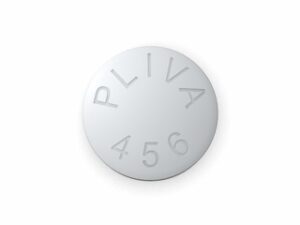

Etodolac: Uses, How It Works, Safety and Practical Information (Australia)
Etodolac is an anti-inflammatory medicine used to relieve pain and inflammation, most commonly in conditions affecting the joints. It belongs to a group of medicines called NSAIDs (non-steroidal anti-inflammatory drugs). This guide is designed to be clear and patient-friendly, to help you understand what etodolac is, how it works, how it’s usually taken, and what to consider for safe use in Australia.
Important: Always follow the directions on your medicine label and any healthcare professional instructions. If you are unsure whether etodolac is suitable for you, discuss it with your doctor or pharmacist—especially if you have a history of stomach ulcers, kidney disease, heart disease, or are taking other medicines.
1) Basic Product Information
| Category | Details |
|---|---|
| Medicine name | Etodolac |
| Drug class | NSAID (non-steroidal anti-inflammatory drug) |
| Main benefits | Helps reduce pain and inflammation |
| Common forms | Tablets (varies by product; follow your specific label) |
| Typical onset | May start working within hours; full benefit may take days |
| Key safety considerations | Stomach/ulcer risk, kidney effects, cardiovascular risk, bleeding risk |
Brand names: Etodolac products may be marketed under different brands. Your pharmacist can confirm the exact brand and strength you have.
2) How Etodolac Works (Mechanism of Action)
Etodolac reduces pain and inflammation by inhibiting cyclooxygenase (COX) enzymes—mainly COX-2 (and to a degree COX-1). COX enzymes help produce prostaglandins, chemicals that contribute to:
- Pain sensitivity
- Inflammation and swelling
- Fever responses (less commonly used for this purpose)
By lowering prostaglandin production, etodolac can ease joint pain and help reduce inflammatory symptoms associated with several musculoskeletal conditions.
3) Pharmacokinetics (How the Body Processes Etodolac)
“Pharmacokinetics” describes what the body does to a medicine—how it’s absorbed, distributed, metabolised, and eliminated.
- Absorption: Etodolac is absorbed after oral dosing. Absorption may vary with food intake (see food interactions below).
- Peak levels (Tmax): Blood levels typically peak within hours after taking a dose (exact timing can vary by formulation and individual factors).
- Distribution: It binds to plasma proteins and distributes into tissues.
- Metabolism: Etodolac is metabolised in the liver.
- Elimination: Metabolites are eliminated mainly via urine, with some clearance through other pathways.
Practical takeaway: Because etodolac is handled through the liver and kidneys, people with liver impairment or kidney impairment may require extra caution and closer monitoring by a clinician.
4) Typical Uses (Indications)
Etodolac is commonly used to treat conditions where pain and inflammation are prominent, particularly involving the joints.
Common indications
- Osteoarthritis: Helps relieve joint pain and stiffness.
- Rheumatoid arthritis: Helps manage inflammatory joint symptoms.
- Other painful inflammatory musculoskeletal conditions: Depending on local prescribing practices and product indications.
Not all products carry the same indications. Always check the specific product information (label or consumer medicine information) for your exact formulation.
5) Dosing: How Etodolac Is Usually Taken
Follow your label or clinician’s instructions. Dosage can vary based on the condition being treated, your age, kidney function, and the specific tablet strength/formulation.
Typical dosing principles
- Start low and adjust as needed: To balance benefits with side effects.
- Take at the same times each day: Helps maintain steady symptom control.
- Use the smallest effective dose for the shortest time: This is a general NSAID safety approach.
Example dosing schedule (general guidance)
Many NSAIDs—including etodolac—are used in one- or two-dose daily regimens depending on the formulation and strength. Your pharmacist can confirm the correct schedule for your specific product.
Do not exceed the maximum daily dose stated on your medicine packaging. If you miss a dose, take it when you remember unless it’s close to the next dose—then skip the missed dose. Avoid doubling up.
6) Timing: When to Take Etodolac
The best time to take etodolac depends on your symptom pattern and stomach tolerance.
General timing tips
- For daytime symptoms: Many people take a dose in the morning and, if required, in the evening.
- For night pain or stiffness: An evening dose may help.
- Consistency matters: Taking doses at similar times can improve pain control.
If you notice stomach discomfort, taking etodolac with food (or milk) may help—see the food interaction section below.
7) Food Interactions: What to Know
Food can affect how quickly etodolac is absorbed and may influence stomach tolerance.
Can you take it with food?
- Taking with meals often reduces stomach upset for NSAIDs.
- Taking on an empty stomach may increase the chance of indigestion or gastritis symptoms in some people.
Practical advice
- If your label allows, consider taking it with food, especially if you have a sensitive stomach.
- Avoid lying down immediately after taking a tablet if you experience reflux or heartburn.
Note: Some formulations or specific product instructions may differ. Follow the directions in your consumer medicine information (CMI).
8) Alcohol and Medicine Interactions
Alcohol
Combining NSAIDs with alcohol can increase the risk of stomach irritation, ulceration, and bleeding. Alcohol can also worsen dizziness and can make side effects feel more intense.
- Recommendation: Limit alcohol or avoid it while using etodolac, especially if you’re prone to reflux, ulcers, or bleeding.
Other medicines that may interact
Etodolac may interact with several medicines. Tell your pharmacist or doctor about all medicines you use, including over-the-counter products and supplements.
- Other NSAIDs (e.g., ibuprofen, naproxen, diclofenac): Avoid combining—this increases gastrointestinal and kidney risk.
- Aspirin (used for pain): Increased bleeding/stomach risk; if you take low-dose aspirin for heart protection, seek advice before combining.
- Anticoagulants (e.g., warfarin): Higher bleeding risk.
- Antiplatelets (e.g., clopidogrel): Increased bleeding risk.
- SSRIs/SNRIs (e.g., sertraline, citalopram, venlafaxine): Increased risk of gastrointestinal bleeding.
- Blood pressure medicines (e.g., ACE inhibitors/ARBs): NSAIDs can affect kidney function and blood pressure control.
- Diuretics (e.g., frusemide): Increased kidney risk when combined with NSAIDs.
- Lithium: NSAIDs may increase lithium levels, raising toxicity risk.
- Methotrexate: Potential for increased methotrexate levels and toxicity (especially at higher doses).
- Cyclosporine/tacrolimus: Increased kidney strain may occur.
- Oral corticosteroids: Increased risk of stomach ulcer/bleeding.
Tip: If you’re not sure whether a medicine is an NSAID, check the label or ask your pharmacist.
9) Safety Profile: Side Effects and When to Seek Help
Like all medicines, etodolac can cause side effects. Many are mild and temporary, but some can be serious.
Common side effects
- Indigestion, heartburn, nausea
- Stomach discomfort
- Headache or dizziness
- Mild swelling (fluid retention) in some people
Serious side effects (seek urgent medical advice)
Contact a healthcare professional urgently if you experience signs of complications such as:
- Signs of stomach bleeding: vomiting blood, black/tarry stools, or persistent severe stomach pain
- Allergic reactions: swelling of face/lips, wheezing, rash, or difficulty breathing
- Severe skin reactions: blistering, peeling, or widespread rash
- Kidney problems: reduced urination, swelling of feet/ankles, unusual fatigue
- Heart or stroke warning signs: chest pain, shortness of breath, weakness/numbness on one side, trouble speaking
- Liver issues: yellowing of skin/eyes, dark urine, severe fatigue
Who should be extra cautious?
NSAIDs can be higher risk for certain groups. Discuss your situation with a clinician before using etodolac if you:
- Have a history of peptic ulcers or GI bleeding
- Have heart disease, history of stroke, or uncontrolled blood pressure
- Have kidney disease or are dehydrated
- Take medicines that increase bleeding risk (anticoagulants, antiplatelets, corticosteroids, some antidepressants)
- Have asthma that worsens with NSAIDs
- Are older or have multiple health conditions
10) Practical Use Tips for Safer, More Comfortable Treatment
- Use the lowest effective dose: NSAID safety is dose- and duration-related.
- Consider taking with food: Helps reduce stomach irritation for many people.
- Stay hydrated: Dehydration can increase kidney strain risk.
- Avoid “double NSAID” mistakes: Don’t take ibuprofen/naproxen/diclofenac alongside etodolac.
- Read labels carefully: Many cold and flu products contain NSAIDs or aspirin.
- Monitor symptoms: If pain isn’t improving within the expected timeframe, seek advice rather than increasing dose on your own.
- Keep follow-up appointments: If you use NSAIDs regularly, periodic checks may be recommended (blood pressure, kidney function, and overall risk assessment).
11) Alternative Options (Depending on Your Condition)
If etodolac isn’t suitable, there are several alternatives. Your best choice depends on your condition, medical history, and whether stomach/kidney/heart risks are significant.
Non-medicine options
- Physiotherapy and strengthening exercises for joint support
- Heat/cold therapy for pain flares
- Weight management (for osteoarthritis) to reduce joint load
- Assistive devices (e.g., braces, canes) to reduce strain
Medicine alternatives
- Paracetamol (acetaminophen): May help pain, with different safety profile (not an anti-inflammatory).
- Other NSAIDs: Some people tolerate a different NSAID better, but the class risks remain.
- Topical anti-inflammatories: For certain joint pains, topical NSAIDs may reduce systemic exposure compared with tablets.
- For specific inflammatory arthritis: Clinicians may consider disease-modifying treatments or other non-NSAID options.
Important: Don’t switch between NSAIDs without advice. If you’re moving from one NSAID to another, your pharmacist can suggest the safest timing to avoid overlapping effects.
12) Market and Legal Context for Australia (Consumer Information Overview)
In Australia, availability and how medicines are supplied depend on the product type and risk category. NSAIDs like etodolac may be supplied under conditions set by Australian medicines regulation and pharmacy practices. Your pharmacy will confirm the exact product category and how it can be dispensed.
General context:
- Australian pharmacies operate under national and state/territory regulations that govern how prescription and non-prescription medicines are supplied.
- Consumer medicine information (CMI) and labels provide safety guidance, including who should avoid the medicine and what side effects to watch for.
- Medicines safety updates can occur based on new evidence, so it’s important to check the latest information associated with your specific product.
Recommendation: Ask your pharmacist about whether etodolac is suitable for you given your medical history and other medicines.
13) Recent Guidance and Safety Considerations
Healthcare guidance over recent years has consistently emphasised that NSAIDs—including etodolac—carry risks that may increase with:
- Higher doses
- Longer duration
- Older age
- Existing stomach, kidney, or cardiovascular risk
Many clinicians follow a “use the lowest effective dose for the shortest effective time” approach and re-assess ongoing need. If you require longer-term treatment for inflammatory arthritis, your healthcare provider may consider additional strategies to reduce risk and improve disease control.
14) Delivery, Availability and Ordering (Australia)
Etodolac availability can vary by formulation and supplier. An online pharmacy typically supplies medicines in accordance with Australian laws and pharmacy services.
What to expect when ordering online
- Product verification: Your pharmacy should confirm the correct medicine, strength, and quantity.
- Packaging: Medicines are dispatched in original packaging with consumer medicine information where applicable.
- Delivery times: Dispatch schedules depend on your location, stock availability, and courier services.
- Confidential support: If you have questions about safe use, your pharmacist can advise.
Tip: When your order arrives, check that the strength and dose instructions match what you expected, and read the label before first use.
15) FAQ: Common Questions About Etodolac
How quickly does etodolac start working?
Many people notice pain relief within hours of taking a dose. The full effect may build over several days, depending on the condition and inflammation severity.
Can I take etodolac with food?
Often, yes. Taking with meals may reduce stomach upset. Follow your product’s label instructions for the best approach.
Is etodolac the same as ibuprofen or naproxen?
Etodolac is a different NSAID from ibuprofen and naproxen. They all act by inhibiting prostaglandins, but they are not interchangeable. Avoid taking more than one NSAID at the same time unless a clinician advises otherwise.
What should I avoid while taking etodolac?
Avoid other NSAIDs, take care with aspirin unless advised, and limit alcohol due to increased risk of stomach irritation or bleeding. Also be cautious with medicines that affect bleeding or kidney function.
What happens if I miss a dose?
Take it when you remember if it’s not close to the next dose. If the next dose is near, skip the missed dose—don’t double up.
Who should not use etodolac?
People with certain risks—such as active stomach ulcers or a history of NSAID-related bleeding, certain severe kidney conditions, NSAID-triggered asthma, or those advised to avoid NSAIDs—should not use it without medical advice. Your pharmacist can help assess suitability.
Can etodolac be used long-term?
Some people require longer-term NSAID treatment, but this should be periodically reviewed due to risks (stomach, kidney, and cardiovascular). If you need ongoing relief, ask your clinician about the safest long-term plan.
Does etodolac affect blood pressure?
NSAIDs can sometimes raise blood pressure or affect blood pressure medications. If you have hypertension, monitor your readings and seek advice if control worsens.
What side effects are most common?
Common effects include indigestion, nausea, stomach discomfort, headache, and dizziness. Persistent or severe symptoms should be assessed by a healthcare professional.
When should I seek urgent help?
Get urgent medical advice for signs of allergic reaction, stomach bleeding (black stools or vomiting blood), severe skin reactions, chest pain, shortness of breath, weakness on one side, or reduced urination and swelling.
Summary
Etodolac is an NSAID medicine used to reduce pain and inflammation, especially in joint conditions such as osteoarthritis and rheumatoid arthritis. It works by reducing prostaglandin production through COX inhibition. Like other NSAIDs, it can affect the stomach, kidneys, and cardiovascular system, so safe use depends on your health history, dose, and duration.
If you’d like, tell us your age and any conditions or medicines you take (including over-the-counter products). We can provide tailored guidance on general safety considerations and what to check with your pharmacist before using etodolac.