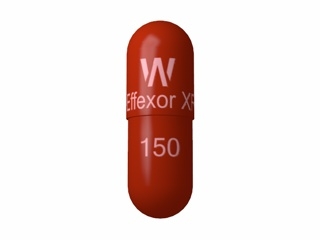


Effexor XR (Venlafaxine) – Patient Information (Australia)
Effexor XR is a brand of venlafaxine extended-release, a medicine used to treat certain mental health conditions. This page is written to help you understand how it works, how it’s usually taken, and what to consider for safety and everyday use. It is general information and does not replace personalised advice from your doctor or pharmacist.
In Australia, Effexor XR is regulated medicine supply is governed by local laws and pharmacy practice. Availability and specific product strengths may vary.
Quick Overview
- Generic name: Venlafaxine (extended-release / XR)
- Common forms: Extended-release capsules/tablets depending on product packaging
- Typical conditions: Depression and anxiety-related disorders (as clinically indicated)
- How it’s taken: Usually once daily, swallowed whole
- Common early effects: Some improvement may start in 1–2 weeks; full benefit may take several weeks
- Important notes: Do not stop suddenly; tapering may be needed to reduce withdrawal symptoms
Basic Product Information
| Feature | Details |
|---|---|
| Medication | Effexor XR (Venlafaxine extended-release) |
| Drug type | SNRI antidepressant (Serotonin–Norepinephrine Reuptake Inhibitor) |
| Usual dosing frequency | Once daily (extended-release formulation) |
| Strengths | Available in different strengths depending on market packaging |
| Administration | Swallow whole with water; do not crush or open unless advised |
| Typical titration | Dose is often increased gradually to improve tolerability and effectiveness |
How Effexor XR Works (Mechanism of Action)
Venlafaxine is an SNRI. It helps manage symptoms of depression and anxiety by affecting chemical messengers (neurotransmitters) in the brain:
- Serotonin (5‑HT): venlafaxine blocks the reuptake of serotonin, increasing its availability in synapses.
- Norepinephrine (NE): at certain doses, it also inhibits reuptake of norepinephrine.
By improving communication between neurons in pathways involved in mood and stress response, the medicine can reduce symptoms over time. The effect is not immediate; many people need several weeks to notice full benefits.
Pharmacokinetics (Absorption, Distribution, Metabolism, Elimination)
Understanding how the body handles Effexor XR may help with timing and side-effect expectations. Effexor XR uses an extended-release system designed to release venlafaxine slowly over time.
- Absorption: After ingestion, venlafaxine is absorbed through the gastrointestinal tract. The XR formulation aims for steadier blood levels.
- Peak levels: Blood concentration typically rises gradually and peaks later than immediate-release forms.
- Active metabolite: Venlafaxine is metabolised primarily in the liver to O‑desmethylvenlafaxine (ODV), which also contributes to effect.
- Elimination: The medicine and its metabolites are eliminated mainly through the kidneys.
- Half-life (general concept): Venlafaxine and ODV have elimination half-lives that influence dosing intervals and the duration of effects.
If you have significant liver or kidney impairment, your prescriber may adjust your dose or dosing schedule.
Typical Use in Australia
Effexor XR is used for conditions where symptoms involve mood, anxiety, or related distress. The exact indication depends on your diagnosis and clinical assessment.
Commonly used for:
- Depression (including major depressive episodes, as determined clinically)
- Anxiety disorders (for example, generalised anxiety symptoms, social anxiety disorder, panic disorder, depending on individual assessment and local prescribing practices)
- Other clinically relevant indications may be considered by healthcare professionals
It may be prescribed as part of a broader treatment plan that can include psychological therapies, lifestyle adjustments, and monitoring.
When to Take It (Timing and Routine)
- Once daily: Effexor XR is commonly taken at the same time each day.
- Morning vs evening:
- If it makes you feel energised or wired, consider taking it in the morning.
- If it causes sleepiness, some people prefer in the evening.
- Choose a time that fits your routine and discuss any persistent sleep changes.
- Swallow whole: XR formulations should not be crushed or chewed because it can change how the medicine is released.
- Missed dose: If you miss a dose, take it when you remember unless it is close to your next dose. Do not double up.
Your prescriber may use a gradual dose escalation to improve tolerability and reduce initial side effects.
Food Interactions (Can You Take It With Meals?)
Effexor XR is generally taken without strict food restrictions. Many people take it with water with or without food. That said, food choices can influence stomach comfort for some individuals.
- Take consistently: If you find you tolerate it better with breakfast or dinner, keeping a consistent pattern can help.
- Stomach upset: If nausea occurs, taking with food may reduce discomfort.
Alcohol Interactions and Safety
Alcohol can affect mood, sleep, and anxiety—exactly the areas Effexor XR aims to improve. Combining alcohol with antidepressants may increase risk of impaired judgement or sedation in some people.
- Avoid or limit alcohol while starting treatment or adjusting dose.
- If you choose to drink, do so cautiously and avoid binge drinking.
- Seek urgent help if you experience severe drowsiness, confusion, fainting, or unusual agitation.
Because individual responses vary, discuss your alcohol use with your healthcare professional.
Medicine Interactions (Important Considerations)
Venlafaxine can interact with other medicines, particularly those affecting serotonin levels or bleeding risk, and those that influence liver enzymes. Always tell your doctor or pharmacist about all medicines you take, including over-the-counter products and supplements.
1) Serotonin-related medicines
Combining serotonergic medicines may increase the risk of serotonin syndrome, a potentially serious condition. Examples include:
- Other antidepressants (e.g., SSRIs, MAOIs where applicable)
- Triptans used for migraine
- Certain opioid pain medicines (e.g., tramadol, depending on product and dose)
- Linezolid or other medications with MAOI-like effects
- St John’s wort (herbal)
- Dextromethorphan (in some cough preparations)
2) Blood clotting/bleeding risk
SNRIs may increase bleeding risk, especially when combined with:
- Anticoagulants (e.g., warfarin)
- Antiplatelet medicines (e.g., clopidogrel)
- NSAIDs regularly (e.g., ibuprofen, naproxen) or aspirin
3) Medicines affecting blood pressure
Venlafaxine can, in some people, raise blood pressure, especially at higher doses. Tell your clinician about antihypertensive medicines or cardiovascular conditions.
4) Liver enzyme interactions
Venlafaxine is metabolised mainly in the liver. Some medicines may affect the enzymes involved, potentially changing venlafaxine/ODV levels. Examples include certain antifungals and antibiotics. Your pharmacist can check interaction likelihood with your specific medication list.
5) “Do not combine” situations
In some cases, combining venlafaxine with other medicines may be unsafe. This is particularly true for monoamine oxidase inhibitors (MAOIs). Always follow washout periods and guidance provided for switching antidepressants.
Dosing (General Information)
Dosing must be individualised based on diagnosis, symptom severity, age, tolerability, and medical history. Only your healthcare professional can determine the correct dose for you.
General dosing principles for XR venlafaxine:
- Start low and increase gradually: Many people begin at a lower dose to improve tolerability.
- Once daily: XR formulation is designed for daily dosing rather than multiple times per day.
- Target dose may vary: Depending on response, the dose may be adjusted.
- Renal/hepatic impairment: Dose adjustments may be needed for reduced kidney or liver function.
Example schedule (illustrative, not a personal recommendation)
Clinicians often use a schedule such as:
- Initial lower dose for several days to weeks
- Subsequent dose increases at intervals if needed and if side effects are manageable
- Maintenance at the lowest effective dose
If you are unsure about your dosing, check the label and speak with your pharmacist.
Practical Use Tips (How to Take Effexor XR More Comfortably)
- Track your symptoms: Use a diary or app to note mood, anxiety, sleep, and side effects.
- Give it time: Early side effects can happen before improvements begin.
- Don’t stop suddenly: Abrupt discontinuation can lead to discontinuation symptoms (see safety section).
- Keep regular dosing: Missing doses frequently can worsen symptoms or increase side effects.
- Manage nausea: Taking with food and staying hydrated may help.
- Watch blood pressure: Consider regular checks, especially if dose increases.
- Sleep changes: If you have vivid dreams or insomnia, discuss strategies with your clinician.
Safety Profile and Side Effects
Like all medicines, Effexor XR can cause side effects. Many are mild and improve over time, but some require prompt medical attention. If you experience anything that concerns you, contact a healthcare professional.
Common side effects (often early, may lessen with time)
- Nausea
- Dry mouth
- Headache
- Dizziness
- Sleep changes (insomnia or sleepiness)
- Sweating
- Decreased appetite
- Sexual dysfunction
- Increased heart rate or palpitations (in some people)
Blood pressure and cardiovascular monitoring
- Blood pressure may increase in some individuals, particularly at higher doses.
- Clinicians may check blood pressure at baseline and after dose changes.
- Report symptoms such as severe headache, chest pain, fainting, or shortness of breath.
Serotonin syndrome (seek urgent help if suspected)
Rarely, combining serotonergic medicines can lead to serotonin syndrome. Seek urgent medical assistance if you notice:
- High fever or sudden overheating
- Agitation, confusion
- Shaking/tremor, muscle stiffness
- Rapid heartbeat
- Severe diarrhoea
Discontinuation symptoms (do not stop suddenly)
Stopping venlafaxine abruptly may cause “discontinuation” symptoms. These can include:
- Dizziness
- Nausea
- Headache
- “Brain zaps” (sensory disturbances)
- Irritability, anxiety, mood changes
- Sleep disturbances
If you need to stop, a gradual taper is often recommended by your clinician.
When to seek urgent medical advice
- Thoughts of self-harm or severe worsening of mood
- Fainting, severe dizziness, chest pain, or serious irregular heartbeat
- Signs of severe allergic reaction (swelling of face/lips, difficulty breathing, rash)
- Symptoms of serotonin syndrome
- Mania-like symptoms (e.g., unusually elevated mood, reduced need for sleep, risky behaviour)
Indications and What It Can Help With
Effexor XR is indicated for depression and anxiety-related conditions when clinically appropriate. It may help with a range of symptoms, including:
- Depression: low mood, loss of interest, fatigue, poor concentration, sleep changes
- Generalised anxiety symptoms: excessive worry, tension, restlessness, irritability
- Panic-related symptoms: fear, sudden surges of anxiety, avoidance behaviours
- Social anxiety symptoms: fear of social situations, physical anxiety responses
Response varies between people. Your clinician will monitor improvements and side effects, and may adjust the dose or consider alternate treatments if needed.
Alternative Options
If Effexor XR is not suitable due to side effects, interactions, or insufficient response, there are other treatment options. Alternatives may include:
Other antidepressants
- SSRIs (e.g., sertraline, fluoxetine, escitalopram depending on clinician preference)
- Other SNRIs (e.g., duloxetine depending on indication and tolerability)
- Other classes based on individual needs
Non-medication options
- Psychological therapies: cognitive behavioural therapy (CBT) and other evidence-based approaches
- Sleep and lifestyle strategies: regular routine, exercise, limiting caffeine where appropriate
- Support plans: relapse prevention and structured monitoring
Your pharmacist and doctor can discuss the best alternative based on your symptoms and medical history.
Market & Legal Context for Australia (General)
In Australia, medicines are supplied under a regulated healthcare system. Availability in online pharmacies depends on:
- Product registration status
- Prescriber or pharmacist requirements under Australian law and professional practice
- Stock availability and distribution
Many online pharmacy services in Australia provide information, counselling support, and secure delivery to eligible customers. Always follow local requirements for obtaining venlafaxine and the directions on the product packaging.
Recent guidance (general themes): Australian healthcare guidance often emphasises:
- Careful monitoring when starting antidepressants or adjusting dose
- Monitoring for blood pressure changes with venlafaxine
- Awareness of interaction risks (especially serotonergic combinations)
- Using tapering strategies to reduce discontinuation symptoms
Your pharmacist can help you understand what to monitor for in your situation.
Delivery and Availability (Online Pharmacy)
Delivery options and dispatch times can vary by retailer and location within Australia. When ordering Effexor XR, consider:
- Stock availability: Effexor XR strengths may differ; choose the strength that matches your label.
- Packaging and storage: Store as directed on the carton (typically at controlled room temperature) and protect from moisture.
- Accuracy: Double-check the strength and quantity before checkout.
- Timing: Plan refills to avoid running out, as stopping suddenly can cause problems.
If you have questions about delivery, dosage strength selection, or how to take XR capsules/tablets, contact the pharmacy’s support team.
FAQ – Effexor XR (Venlafaxine) Questions
1) How long does Effexor XR take to work?
Many people notice changes within 1–2 weeks, but full benefit often takes several weeks. Improvement can be gradual—staying consistent with dosing is important.
2) Can I stop Effexor XR if I feel better?
Don’t stop suddenly. Even if you feel better, discontinuation symptoms can occur if the medicine is stopped abruptly. If stopping is planned, your clinician will usually recommend a gradual taper.
3) What should I do if I miss a dose?
Take it when you remember unless it’s close to your next dose. Don’t double the dose. If you miss several doses, speak to your pharmacist for advice.
4) Is it safe to take Effexor XR with food?
Generally yes. Some people prefer taking it with food to reduce nausea. Choose the approach that works best for you and keep routine consistent.
5) Does Effexor XR interact with alcohol?
Alcohol can worsen mood, sleep, and anxiety and may increase side effects such as dizziness or drowsiness. It’s best to limit alcohol—especially during starting or dose changes.
6) Will Effexor XR affect blood pressure?
It can increase blood pressure in some people, especially at higher doses. Your clinician may check your blood pressure at baseline and during treatment.
7) What are the most important drug interactions?
The highest-risk interactions include medicines that raise serotonin levels (risk of serotonin syndrome) and medicines that increase bleeding risk. Always provide your full medication list to your pharmacist for interaction checking.
8) Are there specific side effects I should watch for?
Seek urgent help for symptoms of serotonin syndrome, severe allergic reactions, chest pain/fainting, or severe mood deterioration. For milder but persistent side effects (nausea, sleep changes, sweating), discuss with your clinician.
9) Can I drive or operate machinery?
Effexor XR can cause dizziness or sleepiness in some people, particularly early in treatment or after dose changes. Until you know how it affects you, use caution with driving or machinery.
10) What if I need surgery or dental procedures?
Tell the healthcare professional treating you that you are taking venlafaxine. Also mention any other medicines (including NSAIDs or anticoagulants) to help them assess bleeding and interaction risks.
Summary
Effexor XR (venlafaxine extended-release) is an SNRI commonly used for depression and anxiety-related conditions. It works by increasing serotonin and norepinephrine activity in the brain. With XR dosing, many people take it once daily and notice gradual improvement over weeks.
Key points to remember:
- Take it at the same time each day and swallow XR tablets/capsules whole.
- Be cautious with alcohol and check medicine interactions.
- Monitor for side effects, especially changes in blood pressure and any signs of serotonin syndrome.
- Do not stop suddenly—tapering is usually needed to reduce discontinuation symptoms.
For tailored guidance, speak with your doctor or pharmacist—especially if you have other medical conditions, take multiple medicines, or have concerns about side effects.