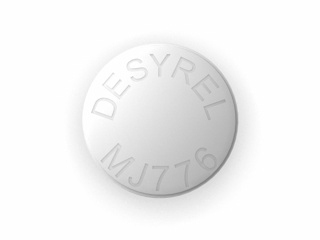


Desyrel (Trazodone) – Patient Guide (Australia)
Desyrel is a brand of trazodone, a medicine commonly used to help with depression and—under medical supervision—to improve sleep for some people. This guide explains how Desyrel works, how it is usually taken, what to watch for, and how to use it safely.
If you have questions about your personal treatment, speak with your doctor or pharmacist. Information below is general and may not replace advice for your specific situation.
Basic product information
| Item | Details |
|---|---|
| Medicine | Desyrel (brand name) |
| Active ingredient | Trazodone |
| Type | Antidepressant (serotonin modulator and reuptake inhibitor) |
| Common forms | Tablets (strengths vary by product in Australia) |
| How it works | Modulates serotonin signalling and has sedating effects at lower doses |
| Typical outcomes | Improves mood and sleep; may take days to weeks |
Availability and exact product presentation can vary. Your pharmacist can confirm the specific strength you receive.
How Desyrel works (mechanism of action)
Trazodone affects brain chemical messaging, especially serotonin. While it is known as an antidepressant, it can also be used to help with sleep due to its calming effect.
- Serotonin receptor effects: It primarily works by blocking and modulating certain serotonin receptors (including 5-HT2 receptors).
- Serotonin reuptake inhibition: It also influences serotonin reuptake transporters, which may contribute to antidepressant effects.
- Sedation: At lower doses, many people experience reduced arousal and improved sleep onset, which can be useful for insomnia related to depression or stress.
The overall result is improved mood and/or sleep through changes to serotonin signalling in the brain.
Pharmacokinetics (how the body handles trazodone)
Pharmacokinetics describes absorption, distribution, metabolism, and elimination. While individual responses vary, the key points are:
- Absorption: Trazodone is absorbed after oral dosing and reaches peak blood levels within a few hours (timing can vary by formulation and individual factors).
- Distribution: It distributes throughout the body and enters the brain, contributing to its central effects.
- Metabolism: Trazodone is extensively metabolised by the liver (including enzymes such as CYP3A4).
- Active metabolites: Metabolites contribute to overall activity; their effects and duration may differ from the parent drug.
- Elimination: The drug and its metabolites are eliminated mainly through the kidneys and via metabolism.
Because trazodone is processed in the liver, liver impairment and drug interactions that affect liver enzymes can change how the medicine works for you.
Typical uses
Desyrel (trazodone) is used for:
- Depression, including major depressive episodes.
- Sleep difficulties that occur with depression or in certain clinical contexts where a calming effect is helpful.
- Adjunctive therapy in some treatment plans where an additional antidepressant effect or sleep benefit is desired.
Your prescriber will determine the best fit for your symptoms, history, and other medicines.
When does it start working? (timing expectations)
Response can vary widely. Common patterns include:
- Sleep changes: Some people notice improved sleep within the first few nights (especially if taken in the evening).
- Mood changes: Antidepressant benefits often take 2–4 weeks to become clearer, and sometimes longer.
- Adjustment period: Early days can include side effects such as drowsiness or dizziness; dose changes may be used to reduce these.
If you don’t feel better after several weeks, or if symptoms worsen, contact your healthcare professional.
Dosing overview (general guidance)
Dosing must be individualised. The information below is a general overview of typical prescribing patterns for trazodone.
- Start low, go slow: Many regimens begin with a lower dose to improve tolerability.
- Evening dosing: Because trazodone can be sedating, it is often taken in the evening or at bedtime.
- Gradual titration: Dose may be increased gradually based on response and side effects.
- Maintenance: Once effective, the lowest dose that controls symptoms is commonly aimed for.
Important: Follow the dose and schedule given by your healthcare professional. Do not change the dose suddenly without advice.
Food and Desyrel (food interactions)
Food can affect how quickly you absorb certain medicines. For trazodone:
- With or without food: Many people can take trazodone with or without food, but taking it consistently the same way each day may help maintain predictable effects.
- Stomach comfort: If nausea occurs, taking the dose with a light meal may be more comfortable.
If you notice changes in drowsiness, dizziness, or nausea when you take it on an empty stomach versus with food, discuss options with your pharmacist.
Alcohol interactions (safety-first advice)
Avoid or limit alcohol while taking Desyrel. Alcohol can increase sedation and impair reaction time, coordination, and judgement—raising the risk of falls, accidents, and risky decisions.
- Increased drowsiness: Both substances can make you feel more sleepy.
- Impaired driving: You should not drive or operate machinery if you feel drowsy or slower than usual.
- More side effects: Dizziness, confusion, and low blood pressure may worsen.
If you drink alcohol, ask your healthcare professional what level (if any) is safe for you.
Medicine interactions (important)
Trazodone can interact with other medicines, sometimes increasing side effects or altering levels. Always provide your pharmacist with a list of all medicines you take, including over-the-counter products and herbal supplements.
Common interaction categories
- Other medicines that affect serotonin: Combining trazodone with certain antidepressants or serotonergic drugs can increase the risk of serotonin syndrome (a rare but serious condition).
- Other sedating medicines: Combining with benzodiazepines, opioids, some antihistamines, or sleep medicines can increase drowsiness and breathing risk.
- Liver enzyme (CYP3A4) inhibitors: Some drugs can raise trazodone levels, increasing side effects.
- Blood pressure-lowering medicines: Trazodone may cause dizziness or low blood pressure in some people, so additive effects are possible.
- QT-prolonging medicines: Some medicines affect heart rhythm. Combining multiple QT-prolonging agents may increase risk, particularly in people with other risk factors.
Examples of medicines to mention (not exhaustive)
- Other antidepressants (especially serotonergic medicines)
- Tramadol
- Linezolid (an antibiotic with MAOI-like effects)
- Some migraine medicines (e.g., triptans)
- Antifungal medicines (certain azoles)
- Macrolide antibiotics
- Strong sleep or anxiety medicines
- Medicines for nausea that can affect serotonin pathways
If you start, stop, or change another medicine, ask whether it affects trazodone.
Safety profile: common side effects and what to do
Like all medicines, Desyrel can cause side effects. Many are mild and improve after dose adjustments, but some require prompt action.
Common side effects
- Drowsiness or sleepiness
- Dizziness, especially when standing
- Dry mouth
- Nausea or stomach discomfort
- Headache
- Blurred vision (in some people)
- Fatigue
- Constipation
Less common but important risks
- Low blood pressure (orthostatic hypotension): You may feel faint when standing, particularly early in treatment or after dose increases.
- Falls or accidents: Due to sedation and dizziness.
- Abnormal bleeding: Risk may increase when combined with medicines that affect clotting (e.g., some antidepressants and anticoagulants).
- Heart rhythm effects: Rarely, trazodone may affect electrical conduction in the heart in susceptible individuals.
Seek urgent help if you have warning signs
- Severe dizziness, fainting, or chest pain
- Signs of serotonin syndrome (agitation, confusion, fever, sweating, tremor, diarrhoea, muscle stiffness)
- Allergic reactions (swelling of face/lips, trouble breathing, rash)
- Unusual bruising or bleeding
Practical use tips for better tolerance
- Take it at the right time: If your dose is for sleep or sedation, take it in the evening or at bedtime as directed.
- Rise slowly: When getting out of bed or standing up, do so gradually to reduce dizziness.
- Plan your day early on: Avoid driving or operating machinery until you know how you respond.
- Stay consistent: Keep the same routine (including the timing with food) to help predict effects.
- Do not stop suddenly: If you need to stop, your healthcare professional may suggest a gradual reduction to minimise discomfort or withdrawal-like symptoms.
- Track your response: Note sleep onset, sleep quality, mood, and side effects—this can help adjust your plan.
If you miss a dose, do not double up. Ask your pharmacist what to do based on your schedule.
Alternative options (discuss with your doctor or pharmacist)
Alternatives depend on your reason for using Desyrel (depression, insomnia, or both) and your medical history. Possible options include:
- Other antidepressants: Depending on symptoms and prior response, doctors may consider other classes.
- Psychological treatments: For depression and sleep problems, therapies such as CBT can be effective, especially when combined with medication.
- Sleep-focused strategies: Sleep hygiene, stimulus control, and CBT-I (cognitive behavioural therapy for insomnia).
- Short-term sleep aids: In some cases, other sleep medicines may be considered, but these carry their own risks.
- Addressing contributing factors: Pain, restless legs, sleep apnoea, caffeine timing, alcohol use, and stress can all affect sleep and mood.
Never substitute an alternative on your own—confirm suitability with your healthcare professional.
Market and legal context in Australia (overview)
Medicines containing trazodone are regulated in Australia. Availability depends on the product type and the classification of the medicine. Pharmacy dispensing practices follow Australian healthcare standards, including patient assessment and medication safety checks.
For online purchases, reputable pharmacies typically require:
- Verification of product eligibility and supply requirements
- Safety checks for interactions and dose suitability
- Clear labelling and consumer medication information access
If you are unsure whether Desyrel is appropriate for your situation, a pharmacist can help you understand safe use and key precautions.
Recent guidance and monitoring (what to expect)
Clinical guidance continues to emphasise safe prescribing and monitoring for antidepressants, including trazodone, with particular attention to:
- Early monitoring for side effects (drowsiness, dizziness, blood pressure changes)
- Assessment of symptom progress (sleep and mood response over weeks)
- Risk awareness for serotonin-related complications when combined with other serotonergic medicines
- Special caution in people with heart rhythm risks, liver impairment, or polypharmacy (many medicines)
Your prescriber may schedule follow-up reviews soon after starting or after dose changes.
Delivery and availability (online pharmacy)
Desyrel availability may depend on the specific strength and pack size. Delivery options vary by pharmacy and location in Australia.
- Stock checks: Many pharmacies display real-time stock status.
- Packaging: Medicines are typically supplied in original manufacturer packaging for safety and traceability.
- Delivery times: These can vary by courier service and region; you can usually view an estimated delivery timeframe at checkout.
- Cold-chain: Trazodone tablets do not normally require refrigeration, but always follow label instructions.
If you need urgent supply, contact the pharmacy directly to confirm lead times.
FAQ – Desyrel (Trazodone)
1) What is Desyrel used for?
Desyrel (trazodone) is used mainly for depression. It may also be chosen in some cases to help with sleep difficulties, especially where calming effects are beneficial.
2) How should I take Desyrel?
Take it exactly as directed by your healthcare professional. Many people take trazodone in the evening or at bedtime because it can cause drowsiness.
3) When will I notice an improvement?
Sleep benefits may appear within days for some people. Mood improvement often takes several weeks. If you feel worse or side effects are troublesome, speak with your pharmacist or doctor.
4) Can I take it with food?
Often you can take trazodone with or without food. If nausea occurs, taking it with a light meal may help. Choose a consistent approach and follow label instructions.
5) Is it safe to drink alcohol while on Desyrel?
It is strongly advised to avoid or minimise alcohol because alcohol can increase sedation and increase risk of dizziness, accidents, and impaired judgement.
6) What medicines should I avoid mixing with trazodone?
Inform your pharmacist about all medicines and supplements you use. Extra caution is needed with medicines that affect serotonin, medicines that cause sedation, and some liver enzyme inhibitors. Your pharmacist can check interactions for you.
7) Will Desyrel make me feel sleepy?
Drowsiness is common. Plan your day accordingly, particularly during the first days or after dose increases. Do not drive or operate machinery if you feel affected.
8) What if I miss a dose?
Do not take double doses. Consult your pharmacist for advice based on your dosing schedule and how late you are in the day.
9) Can I stop Desyrel suddenly?
Do not stop without professional advice. If discontinuation is needed, a gradual reduction plan may be recommended to reduce the chance of unpleasant symptoms.
10) Is Desyrel addictive?
Trazodone is not typically considered a classic addictive medicine, but it should still be used as directed and not stopped abruptly. If you have concerns about dependence, discuss them with your healthcare professional.
11) Who should be extra careful using Desyrel?
Extra caution is often needed if you have liver impairment, heart rhythm risks, a history of fainting or falls, or if you take multiple medicines that may interact with trazodone.
12) What should I do if I feel faint or very dizzy?
Sit or lie down right away. If dizziness is severe, persistent, or comes with fainting, chest pain, or other serious symptoms, seek urgent medical attention.
Need help choosing the right treatment? If you’re unsure about whether Desyrel is suitable for you, talk to a pharmacist. They can also help you understand how to take it safely with your other medicines and daily routine.