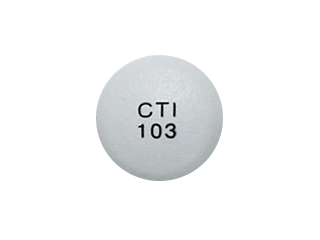


Diclofenac (Diclofenac sodium) — Patient Guide (Australia)
Diclofenac (often written as diclofenac sodium) is a widely used medicine in Australia for pain and inflammation. It belongs to the group of medicines called non-steroidal anti-inflammatory drugs (NSAIDs). This guide explains what diclofenac is, how it works, how it’s used, and important safety information to help you use it more confidently.
Important: Always follow the directions on the label or the advice of a pharmacist or doctor. Different forms (for example tablets, topical gels, or injections) have different strengths and schedules.
Key product information
| Item | Details |
|---|---|
| Medicine name | Diclofenac (diclofenac sodium) |
| Medicine type | NSAID (anti-inflammatory and pain-relieving) |
| Common uses | Pain and inflammation (e.g., arthritis, musculoskeletal pain) |
| Common forms | Tablets/capsules (including enteric-coated), topical gel, and other formulations depending on brand |
| How it works | Reduces inflammatory chemicals (prostaglandins) by blocking COX enzymes |
| Major safety focus | Stomach irritation/ulcers, cardiovascular risk, kidney effects, and asthma sensitivity in some people |
How diclofenac works (mechanism of action)
Diclofenac works by inhibiting enzymes called cyclo-oxygenase (COX-1 and COX-2). These enzymes help produce prostaglandins, substances that contribute to:
- Pain and tenderness
- Inflammation (swelling and redness)
- Fever (less common in this context)
By lowering prostaglandin production, diclofenac can reduce pain and improve function in inflammatory conditions such as arthritis. It can also help relieve pain from sprains, strains, and other musculoskeletal problems—particularly when used appropriately.
Pharmacokinetics (how the body handles diclofenac)
Pharmacokinetics describes what happens after you take a dose: absorption, distribution, metabolism, and elimination. While exact values vary between formulations, the overall pattern for diclofenac is:
Absorption
Oral diclofenac is absorbed through the gastrointestinal tract. Some formulations are enteric-coated or have modified release features, which can affect the timing of peak effects. Topical diclofenac is absorbed through the skin into local tissues, with lower systemic exposure than tablets.
Distribution
Diclofenac distributes into tissues where inflammation and pain occur. With oral dosing, systemic levels can be detected throughout the body.
Metabolism
Diclofenac is metabolised mainly in the liver. Metabolites are then further processed and eliminated.
Elimination
Diclofenac and its metabolites are removed from the body primarily via the kidneys (urine), with some elimination through bile and the gut.
Practical implication: Because metabolism involves the liver and elimination involves the kidneys, people with liver or kidney problems may be at higher risk of adverse effects and may need closer medical guidance.
Typical uses (indications)
Diclofenac is used to relieve pain and inflammation in several conditions, including:
- Osteoarthritis (degenerative joint disease), including flare-ups
- Rheumatoid arthritis and other inflammatory arthritides (as directed by a clinician)
- Ankylosing spondylitis
- Acute musculoskeletal pain such as sprains, strains, and soft tissue injuries
- Back pain and other localized painful inflammatory conditions (depending on the formulation)
- Dental pain and painful inflammation after certain dental procedures (for some patients and products)
- Period (menstrual) pain for appropriate formulations and patients
Some uses depend on the specific product and formulation available in Australia (oral versus topical, strength, and whether the medicine is listed for particular indications).
Timing and when to take it
The best timing depends on whether you’re using oral or topical diclofenac, and on the formulation (including modified release types). In general:
- Oral diclofenac: Many people take it at regular intervals to control symptoms. If you’ve been given a schedule (e.g., twice or three times daily), try to keep doses evenly spaced.
- Topical diclofenac: Usually applied to the affected area several times daily, following the product label.
- Take effect: Pain relief may start within hours for oral forms; topical gels often help within days for ongoing discomfort, with faster relief for some acute injuries.
Tip: If pain worsens before the next dose, consult a pharmacist—rather than simply increasing the dose yourself. Some people may need a different formulation or an alternative medicine.
Food interactions (and taking with meals)
Food can change how quickly diclofenac is absorbed, especially for oral forms. In general, taking oral diclofenac with food or milk can reduce stomach discomfort.
- With food: Often helps reduce irritation in the stomach and improves tolerability for many people.
- Avoid taking on an empty stomach: This may increase the risk of nausea, heartburn, or stomach pain.
- Topical diclofenac: No special food timing is typically needed because it is absorbed locally.
If your product label provides specific instructions (for example “take with meals” or “with water”), follow those.
Alcohol and medicine interactions
Alcohol
It’s generally advisable to be cautious with alcohol while using diclofenac. Alcohol can increase the risk of stomach bleeding and may worsen irritation or dizziness.
- Limit alcohol where possible, especially if you have a history of ulcers or reflux.
- Avoid heavy drinking while taking NSAIDs.
Common medicine interactions
Diclofenac can interact with other medicines. If you take any of the following, speak with a pharmacist before use:
- Other NSAIDs (e.g., ibuprofen, naproxen, aspirin for pain): increases risk of stomach and kidney problems.
- Blood thinners (anticoagulants) (e.g., warfarin) and some antiplatelets (e.g., clopidogrel): may increase bleeding risk.
- Selective serotonin reuptake inhibitors (SSRIs) or other antidepressants that affect bleeding: may raise gastrointestinal bleeding risk.
- Blood pressure medicines (especially ACE inhibitors, angiotensin receptor blockers, and diuretics): NSAIDs can affect kidney function in some people.
- Lithium: NSAIDs can increase lithium levels.
- Methotrexate: NSAIDs can affect methotrexate levels and toxicity (especially at higher dose schedules).
- Diabetes medicines and insulin: effects on blood glucose may occur in some individuals.
- Digoxin: NSAIDs may increase digoxin effects in certain cases.
- Corticosteroids (e.g., prednisone): increases risk of stomach irritation/ulcers.
Note: This is not an exhaustive list. Always provide your pharmacist with a full list of medicines, including over-the-counter products, supplements, and herbal remedies.
Dosing (general guidance)
Dosing varies by product type, strength, and the condition being treated. Follow the label or professional advice. The information below is general to help you understand typical adult dosing patterns.
Oral diclofenac (tablets/capsules)
- Common adult dosing ranges: often 25 mg to 50 mg per dose, with repeat doses spaced through the day depending on formulation (immediate release versus modified release).
- Use the lowest effective dose for the shortest duration needed to control symptoms.
- Maximum daily limits: may vary by product. Do not exceed the maximum stated on your specific packaging.
Topical diclofenac (gel)
- Typical adult use: apply to the affected area as directed on the label (commonly multiple times daily).
- Do not apply to broken skin or open wounds.
- Wash hands after applying unless treating the hands.
Missed dose
If you miss a dose, take it when you remember unless it’s close to your next scheduled dose. If it’s close, skip the missed dose and continue your usual schedule. Do not take extra to make up the missed dose.
Do not combine without advice
Avoid using more than one NSAID at the same time unless advised. If you’re using diclofenac and still have pain, consider discussing other approaches (for example, physiotherapy, heat/ice, or alternative medicines).
Safety profile: who should use caution
Diclofenac can be effective, but like all NSAIDs it carries potential risks. The most important risks relate to the gastrointestinal tract, heart and blood vessels, and kidneys.
Common side effects
- Indigestion, heartburn, stomach pain
- Nausea
- Headache
- Skin irritation (more relevant to topical gel)
Serious side effects (seek urgent medical help)
Stop using diclofenac and seek urgent advice if you notice:
- Signs of stomach bleeding: vomiting blood, black/tarry stools, blood in stool
- Allergic reactions: swelling of face/lips, difficulty breathing, severe rash or blistering
- Chest pain, shortness of breath, sudden weakness, or trouble speaking
- Severe abdominal pain that doesn’t settle
- Severe dizziness or fainting
- Kidney-related warning signs: reduced urination, unusual swelling, or sudden weight gain
People who need extra caution
- History of stomach ulcers or gastrointestinal bleeding
- Heart disease, stroke history, or multiple cardiovascular risk factors (e.g., diabetes, smoking)
- Kidney disease or dehydration
- Asthma or past NSAID-triggered bronchospasm
- Liver disease
- Older adults, who may be more vulnerable to side effects
- Pregnancy planning and pregnancy (NSAIDs are generally avoided in certain stages; seek advice)
- Breastfeeding: seek advice about suitability and the safest option
Practical use tips (to get the best results safely)
- Use the lowest effective dose for the shortest time. If symptoms improve, consider stopping rather than continuing.
- Follow the product directions carefully. Different formulations (immediate vs modified release, oral vs topical) are not interchangeable in dosing schedules.
- Consider topical diclofenac for localized pain. It can be a good option when pain is confined to a specific area, and may reduce systemic exposure compared with tablets.
- Protect your stomach. Taking oral diclofenac with food can reduce irritation. Avoid other stomach irritants where possible.
- Stay hydrated. Kidney risk increases when you’re dehydrated (for example during illness, hot weather, or vomiting/diarrhoea).
- Avoid doubling up on NSAIDs. Many “cold and flu” products contain NSAID ingredients—check labels.
- Topical care: apply only to clean, intact skin; let it dry before covering; avoid heat sources (like heating pads) directly over treated skin.
Alternative options
Depending on your condition and medical history, there may be other effective options besides diclofenac. Alternatives include both non-medicine and medicine approaches.
Non-medicine alternatives
- Heat or cold therapy (ice for acute injury; heat for stiffness)
- Physiotherapy and strengthening exercises
- Activity modification (reduce movements that trigger pain)
- Supportive devices (e.g., braces, splints, ergonomic adjustments)
Medicine alternatives
- Paracetamol (acetaminophen): useful for pain, particularly when NSAIDs aren’t suitable for you.
- Other NSAIDs: some people respond to ibuprofen or naproxen; however, the same general safety considerations apply.
- Topical analgesics: some products target pain locally with different ingredients.
- For inflammatory arthritis: clinicians may recommend disease-modifying treatments rather than relying only on NSAIDs.
If diclofenac isn’t helping or causes side effects, a pharmacist can help you compare options that fit your symptoms and safety profile.
Australia: market and legal context
In Australia, diclofenac products are available under different categories depending on the brand, formulation, and strength. Some topical products may be available over the counter, while certain oral formulations may require additional steps to obtain. Always check the product page and packaging details for your exact item.
Health authorities in Australia actively monitor medication safety, including NSAID-related risks affecting the stomach, kidneys, and cardiovascular system. Diclofenac—like other NSAIDs—carries warnings to help reduce harm.
Recent guidance and safety messaging (high level)
Current safety messaging globally and in Australia emphasises:
- Use the lowest effective dose
- Shortest duration to control symptoms
- Consider GI and cardiovascular risk when choosing and dosing NSAIDs
- Avoid NSAID combinations and check for interactions (including with blood thinners and other common medicines)
- Seek medical advice if you have symptoms suggesting serious side effects
Product-specific instructions and label warnings should always take priority.
Delivery and availability
Diclofenac products may be available in different strengths and formats from Australian online pharmacies, depending on current stock and regulatory requirements for that product. Availability can vary for:
- Topical gels and creams
- Oral tablets/capsules
- Combination packs or limited-time offerings
Delivery time depends on your location and the courier service. When ordering, you’ll typically be shown:
- Estimated dispatch time
- Estimated delivery window
- Delivery fees (if applicable)
- Order tracking options
Storage: Keep diclofenac products in their original packaging, at room temperature (unless the label states otherwise), and out of reach of children. Do not use after the expiry date.
FAQ (Frequently asked questions)
1) Is diclofenac safe for long-term use?
Long-term use may increase risk of serious side effects (such as stomach bleeding, cardiovascular events, and kidney problems). If you need ongoing pain relief, discuss options with a pharmacist or doctor to ensure the safest plan, including whether a lower dose or alternative medicine is appropriate.
2) Can I use diclofenac if I have a sensitive stomach or reflux?
People with a history of ulcers or significant reflux should use NSAIDs with extra caution. Taking the medicine with food may help, but it does not eliminate risk. Ask a pharmacist about safer options and whether you need additional protection for the stomach.
3) What’s the difference between oral diclofenac and diclofenac gel?
Oral diclofenac treats pain and inflammation throughout the body. Diclofenac gel targets pain locally and is commonly used for specific areas (e.g., knee or hand osteoarthritis or localized muscle pain). Topical use typically results in lower systemic exposure than tablets, but local skin reactions can occur.
4) How long does diclofenac take to work?
Oral diclofenac often begins working within hours. Topical gel may take longer—many people notice improvement over several days, especially for inflammatory joint conditions. If you see no improvement within a reasonable time frame for the condition, seek advice.
5) Can I take diclofenac with paracetamol?
In many cases, paracetamol can be used alongside NSAIDs for pain control, but you should still check your product labels and consider your overall health and other medicines. A pharmacist can help confirm safe combinations for your specific situation.
6) Can I drink alcohol while using diclofenac?
It’s best to limit alcohol. Alcohol may increase the risk of stomach irritation and bleeding. If you choose to drink, do so cautiously and avoid heavy drinking—especially if you have risk factors for ulcers or bleeding.
7) What should I avoid while using diclofenac?
Avoid taking other NSAIDs at the same time (including ibuprofen, naproxen, or aspirin for pain). Also review “cold and flu” products, since some contain NSAID ingredients. If you use blood thinners or have kidney or stomach issues, extra caution is essential.
8) What if I miss a dose?
Take it when you remember unless it’s close to the next dose. If it’s close, skip the missed dose. Do not take double doses.
9) When should I stop diclofenac and get help?
Stop and seek urgent medical advice if you develop signs of serious allergy, bleeding (black stools or vomiting blood), chest pain, severe shortness of breath, sudden weakness, or signs of kidney problems (reduced urination, significant swelling).
10) Who should not use diclofenac?
Diclofenac is not suitable for everyone—particularly people with certain medical histories such as prior NSAID-related allergic reactions, significant stomach ulcer/bleeding history, certain kidney or heart conditions, or certain pregnancy stages. If you’re unsure, ask a pharmacist before using.
Summary
Diclofenac (diclofenac sodium) is an NSAID used for pain and inflammation, available in oral and topical forms. It reduces inflammatory prostaglandins through COX inhibition and can be effective for arthritis and localized musculoskeletal pain. To use it safely, follow the product label, consider food to reduce stomach irritation, avoid combining NSAIDs, and be aware of interactions with blood thinners, kidney-affecting medicines, and other common therapies.
If you have questions about which diclofenac product is most appropriate for your symptoms—or if you have risk factors such as ulcers, kidney disease, heart conditions, or asthma—speak with a pharmacist for tailored guidance.