

Celebrex (Celecoxib) – Patient-Friendly Medicine Information (Australia)
Celebrex is a brand of celecoxib, a medicine from the group called non-steroidal anti-inflammatory drugs (NSAIDs). It is commonly used to help relieve pain and inflammation associated with certain conditions such as osteoarthritis and rheumatoid arthritis.
This guide explains how Celebrex works, how it is used, what to expect, and important safety information. It is written for patients in Australia and includes practical tips for safe use.
Quick Facts
- Active ingredient: Celecoxib
- Medicine type: NSAID (COX-2 selective inhibitor)
- Common uses: Pain and inflammation in osteoarthritis, rheumatoid arthritis, ankylosing spondylitis, and acute pain conditions (as advised)
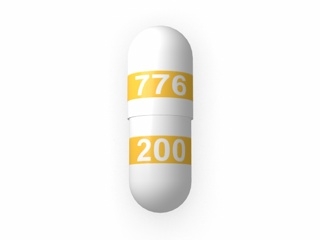
- How it comes: Capsules (strengths vary by product/pack)
- How it’s taken: Usually once or twice daily depending on the condition and strength
- Key safety points: Stomach/ulcer risk, kidney effects, blood pressure changes, and cardiovascular risk—especially with higher doses or long-term use
What is Celebrex?
Celebrex (celecoxib) is an NSAID that helps reduce pain, inflammation, and swelling. Unlike some older NSAIDs, celecoxib is more selective for the COX-2 enzyme. This can influence its stomach side-effect profile compared with traditional non-selective NSAIDs, though risk is not eliminated.
In Australia, celecoxib products may be listed on the Australian Register of Therapeutic Goods (ARTG) and supplied via community pharmacies in accordance with local prescribing and dispensing rules.
How Celebrex Works (Mechanism of Action)
To understand how Celebrex helps, it helps to know about prostaglandins.
- Prostaglandins are chemical messengers involved in pain, inflammation, fever, and other body functions.
- They are produced via enzymes called cyclo-oxygenases (COX), mainly COX-1 and COX-2.
- Celecoxib inhibits COX-2, lowering prostaglandin production in inflamed tissues.
Result: reduced inflammation and pain relief, with effects that may also reduce stiffness in some arthritis conditions.
Pharmacokinetics (How Your Body Handles Celebrex)
“Pharmacokinetics” describes what the body does to the medicine (absorption, distribution, metabolism, and elimination).
| Aspect | What to know |
|---|---|
| Absorption | Celecoxib is absorbed after oral dosing. Peak levels typically occur a few hours after taking a capsule. |
| Food effects | Food can delay the time to peak blood levels, but it often does not substantially reduce overall absorption. Taking with or without food may be acceptable—follow your dosing instructions. |
| Distribution | It binds to plasma proteins and distributes into body tissues. |
| Metabolism | It is metabolised primarily in the liver (notably via the CYP system). |
| Elimination | Metabolites are cleared largely through the kidneys and/or bile. Clearance may be affected by kidney or liver function. |
| Half-life | It lasts long enough in the body to support once- or twice-daily regimens for many indications. |
Typical Uses and Indications
Celebrex may be used for conditions where pain and inflammation are central. Indications can vary depending on local product information and prescriber advice.
Common uses include:
- Osteoarthritis (OA): to relieve symptoms such as pain and stiffness.
- Rheumatoid arthritis (RA): to help manage pain and inflammation.
- Ankylosing spondylitis (AS): to help with pain and stiffness related to inflammatory back conditions.
- Acute pain or short-term inflammatory pain: in some cases, for limited-duration symptom relief as advised.
Important: Always follow the indication and dosing guidance provided for your situation.
When and How to Take Celebrex (Timing)
Timing helps you maintain consistent pain control and reduces the likelihood of side effects from taking too much at once.
- Take it at the same time each day to keep levels more steady.
- Swallow capsules whole with water. Do not crush or open unless instructed by the product information.
- Do not take extra doses to “catch up” if you miss one.
If you miss a dose:
- Take it when you remember.
- If it’s close to your next dose, skip the missed dose and continue your regular schedule.
- Do not double dose.
Dosing (How Much to Take)
Dose depends on the condition, your age, kidney and liver function, and how you respond to treatment. Strengths and schedules may differ between products.
General principles:
- Use the lowest effective dose for the shortest duration needed to control symptoms.
- Do not exceed the daily maximum dose stated for the product.
For many adults, celecoxib regimens are often administered once or twice daily. Some situations may require a reduced dose in older adults or people with risk factors.
Seek medical advice if you are unsure about your dose or strength, especially if you have kidney/liver impairment or take other medicines that interact with NSAIDs.
Food Interactions (Taking Celebrex With Meals)
Food may affect how quickly celecoxib reaches peak blood levels. In practice:
- With food: may delay peak absorption slightly, which is unlikely to be clinically important for most people.
- Without food: may allow a faster onset of absorption.
What to do:
- If you experience stomach discomfort, taking Celebrex with food or after a meal may help.
- Try to be consistent so your body adapts to the same routine each day.
Alcohol and Medicine Interactions
Alcohol
Alcohol can increase the risk of stomach irritation, ulcers, and bleeding when combined with NSAIDs. It can also worsen effects on the stomach and may increase the chance of dizziness or light-headedness.
- Best approach: keep alcohol intake minimal while taking Celebrex.
- If you have a history of ulcers or bleeding, avoid alcohol unless your healthcare professional advises otherwise.
Medicines that commonly interact with NSAIDs / Celebrex
Celebrex can interact with other medicines. Tell your pharmacist or healthcare professional about all medicines you take, including over-the-counter products.
Key interaction categories include:
- Other NSAIDs (e.g., ibuprofen, naproxen, diclofenac): increases risk of stomach and kidney side effects. Avoid taking multiple NSAIDs together.
- Aspirin (unless specifically advised): may increase bleeding and stomach risk; low-dose aspirin for heart protection should not be stopped without professional guidance.
- Blood thinners (e.g., warfarin, apixaban, rivaroxaban, dabigatran): can raise bleeding risk. Monitoring may be needed.
- Antiplatelet medicines (e.g., clopidogrel): may increase bleeding risk.
- Blood pressure medicines (ACE inhibitors, angiotensin receptor blockers like lisinopril/ramipril/losartan, and diuretics): combining can affect kidney function and reduce kidney-protective effects.
- Diuretics (water tablets): may increase risk of kidney problems in vulnerable patients.
- Medicines affecting potassium (some diuretics like spironolactone): NSAIDs can raise potassium in some cases.
- Lithium: NSAIDs may increase lithium levels—risk of toxicity.
- Methotrexate: NSAIDs can affect methotrexate clearance; may increase adverse effects.
- Selective serotonin reuptake inhibitors (SSRIs) / SNRIs (e.g., sertraline, venlafaxine): may increase bleeding risk when combined with NSAIDs.
- Corticosteroids (e.g., prednisone): may increase stomach ulcer risk.
- Strong CYP inhibitors/inducers: may alter celecoxib blood levels.
If you’re starting, stopping, or changing any interacting medicine, it’s wise to check with a pharmacist for safety.
Safety Profile: Who Should Be Careful?
Like all NSAIDs, celecoxib has potential side effects. Many people tolerate it well, but certain risks are important—especially with higher doses or longer use.
Common side effects
- Indigestion or heartburn
- Stomach discomfort
- Headache
- Nausea
- Dizziness
- Swelling (fluid retention) in some people
Serious risks (seek urgent help if these occur)
- Signs of stomach or intestinal bleeding: black/tarry stools, vomiting blood or material like coffee grounds, severe stomach pain.
- Allergic reactions: swelling of face/lips, wheezing, severe rash, difficulty breathing.
- Cardiovascular warning signs: chest pain, sudden shortness of breath, weakness on one side, slurred speech, sudden severe headache (possible stroke/heart event).
- Severe skin reactions: blistering/peeling rash, mouth sores, fever with rash.
- Kidney problems: reduced urination, sudden weight gain from fluid, swelling in legs/ankles, unusual fatigue.
- Severe liver issues: yellowing of eyes/skin, dark urine, severe persistent nausea or right upper abdominal pain.
Who may have higher risk
- People with a history of stomach ulcers or gastrointestinal bleeding
- Those with heart disease, history of stroke, or high cardiovascular risk factors
- People with kidney disease or dehydration risk (e.g., vomiting/diarrhoea, very low fluid intake)
- Older adults
- People taking interacting medicines such as blood thinners, corticosteroids, or other NSAIDs
Advice for safety: If you have multiple risk factors, your healthcare professional may consider alternative treatments or protective strategies (for example, gastroprotection) and will choose the lowest effective dose.
Practical Tips for Safe Use
- Use the lowest effective dose and review regularly whether you still need Celebrex.
- Don’t combine NSAIDs (avoid ibuprofen/naproxen/diclofenac at the same time).
- Stay hydrated, especially if you’re unwell with vomiting/diarrhoea or it’s hot weather.
- Monitor blood pressure if you have hypertension or are on blood pressure medicines.
- Watch for stomach symptoms. If you develop persistent indigestion, black stools, or unusual bleeding, stop and seek medical advice urgently.
- Be cautious with “cold/flu” products: many contain NSAIDs—check labels.
- Keep a medicine list and share it with your pharmacist or doctor during medication reviews.
Alternative Options
Depending on the condition and your medical history, there may be alternatives to celecoxib. Options can include:
Non-drug approaches
- Exercise and physiotherapy (particularly for arthritis)
- Weight management (if appropriate)
- Heat/cold therapy
- Assistive devices and ergonomic adjustments
Medicines
- Other NSAIDs (e.g., ibuprofen, naproxen, diclofenac) – but each has its own risk profile.
- Paracetamol (acetaminophen) for pain relief in some cases (note: it does not treat inflammation).
- Topical NSAIDs (e.g., diclofenac gel) for certain joint pain, which may reduce systemic exposure.
- Disease-modifying medicines for inflammatory arthritis (e.g., DMARDs) as guided for rheumatoid arthritis.
Your pharmacist can help compare options based on your symptoms and other medicines.
Market and Legal Context in Australia
In Australia, medicines are regulated through the Therapeutic Goods Administration (TGA). Medicines must be approved for quality, safety, and efficacy before supply in the community. Product availability and prescribing/dispensing pathways may vary by strength, formulation, and indication.
Some NSAIDs are provided only under specific regulatory frameworks, and pharmacy supply is governed by state/territory rules and national pharmacy practices. Always follow the instructions provided with your medicine and comply with Australian medication safety requirements.
Recent Guidance and Ongoing Safety Messaging
Safety information for NSAIDs continues to evolve as new evidence is reviewed. Patients are generally advised to:
- Use the lowest effective dose and review the need for ongoing treatment.
- Avoid combining NSAIDs unless specifically directed.
- Be cautious if you have cardiovascular disease, risk factors, stomach ulcer history, kidney impairment, or are elderly.
- Seek prompt advice for warning symptoms like bleeding, severe stomach pain, chest pain, stroke-like symptoms, or allergic reactions.
Your healthcare professional may adjust therapy based on your individual risks, including whether to use gastroprotection or choose an alternative analgesic strategy.
Delivery and Availability (Online Pharmacy Information)
When ordering Celebrex in Australia online, availability may depend on the specific strength and pack size. Delivery options typically include:
- Standard delivery (commonly within a few business days, depending on your location)
- Express delivery where available
- Packaging: medicines are usually dispatched in compliant packaging for safe transit
Storage: Store capsules according to the label instructions (commonly below 25°C, in a dry place, protected from moisture). Keep out of reach of children.
Always check: expiration date on the pack and ensure the product received matches the strength ordered.
FAQ – Celebrex (Celecoxib)
1) Is Celebrex the same as celecoxib?
Yes. Celebrex is a brand name that contains the active ingredient celecoxib.
2) How quickly does Celebrex start working?
Many people notice pain relief within hours of a dose, while full benefit—especially for inflammatory arthritis—may take several days to weeks of regular use.
3) Can I take Celebrex with food?
Usually, yes. Food may slow the time to peak absorption, but it generally does not remove the benefit. If you experience stomach upset, taking with a meal may help.
4) Can I take ibuprofen or naproxen with Celebrex?
In most cases, you should not combine NSAIDs (including ibuprofen, naproxen, diclofenac) due to increased risk of stomach bleeding and kidney problems. Ask your pharmacist for personalised advice.
5) Does Celebrex increase blood pressure?
NSAIDs can sometimes raise blood pressure or worsen fluid retention. If you have hypertension or take blood pressure medicines, monitor your readings and seek advice if changes occur.
6) Is it safe to drink alcohol while taking Celebrex?
Alcohol can increase stomach bleeding risk. If you choose to drink, keep it minimal and avoid alcohol if you have ulcer/bleeding history or experience stomach symptoms.
7) Who should avoid Celebrex?
Celecoxib may not be suitable for people with certain conditions (for example, previous NSAID-related allergic reactions, active stomach ulcers, significant kidney impairment, or certain cardiovascular risks). A pharmacist can help you check suitability based on your health profile and other medicines.
8) What should I do if I feel stomach pain or notice black stools?
Stop taking the medicine and seek urgent medical advice. Black/tarry stools or vomiting blood can indicate gastrointestinal bleeding.
9) Can Celebrex be used long-term?
It may be used for chronic conditions in some people, but the goal is typically the lowest effective dose with regular review. Long-term NSAID use increases risk, so ongoing monitoring is important.
10) What are common interactions I should watch for?
Pay special attention to combinations with:
- Other NSAIDs
- Blood thinners (anticoagulants)
- Antiplatelet medicines
- Corticosteroids
- ACE inhibitors/ARBs and diuretics
- SSRIs/SNRIs
Tell your pharmacist about all medicines and supplements you take.
When to Seek Medical Help
Contact a healthcare professional promptly (or seek urgent care) if you develop:
- Chest pain, sudden shortness of breath, weakness or numbness on one side, trouble speaking
- Black stools, vomiting blood, severe stomach pain
- Face/lip swelling, wheezing, or widespread rash
- Reduced urination, marked swelling, or sudden weight gain
- Yellowing of skin/eyes, dark urine, or severe persistent nausea
Final note: Medicines affect people differently. If you have questions about whether Celebrex is appropriate for your condition, the safest dose for you, or how it fits with your other medicines, speak with a pharmacist for tailored guidance.