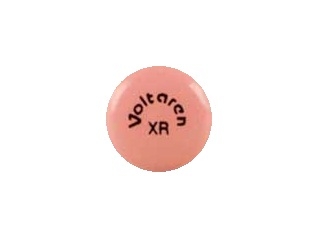
Voltaren (Diclofenac) – Patient-Friendly Information (Australia)
Voltaren is a brand of diclofenac, a medicine from the non-steroidal anti-inflammatory drug (NSAID) family. It is used to reduce pain, inflammation and swelling. Depending on the product you choose, Voltaren may be supplied as tablets/capsules, slow-release formulations, or topical gels/creams. This page explains how diclofenac works, how it behaves in the body, how it is commonly used, and important safety information for people in Australia.
| Brand | Generic name | Medicine type | Common forms (Australia) | Main benefits |
|---|---|---|---|---|
| Voltaren | Diclofenac | NSAID | Tablets/capsules, slow-release tablets, topical gel (form varies by product) | Pain relief, reduced inflammation, reduced swelling |
Important note before you start
This information is general and educational. Your situation may be different. Always read the consumer medicine information (CMI) for your specific Voltaren product and follow the directions on the label or the instructions provided with your medicine.
If you have heart disease, a history of stroke, stomach ulcers or bleeding, kidney disease, asthma triggered by NSAIDs, or you are pregnant, discuss diclofenac with a pharmacist or doctor before using it.
How Voltaren works (Mechanism of action)
Diclofenac reduces pain and inflammation by blocking enzymes known as cyclo-oxygenase (COX-1 and COX-2). These enzymes help produce chemicals called prostaglandins, which are involved in:
- Inflammation and swelling
- Pain signalling
- Fever (though diclofenac is mainly used for pain/inflammation)
By lowering prostaglandin activity, diclofenac can provide effective symptom relief for many musculoskeletal conditions.
Pharmacokinetics: What happens to diclofenac in the body?
Pharmacokinetics describes how a medicine is absorbed, distributed, metabolised and eliminated.
Absorption
- Oral diclofenac is absorbed through the gastrointestinal tract.
- Topical diclofenac (gel) delivers medicine through the skin to local tissues. Only a portion enters the bloodstream, generally leading to lower overall systemic exposure compared with tablets.
Distribution
- Diclofenac circulates in the bloodstream and can reach tissues involved in pain and inflammation.
- For some formulations, levels may vary with dose and timing.
Metabolism
- Diclofenac is primarily metabolised by the liver into other compounds that are more easily removed from the body.
Elimination
- Excess metabolites are removed mainly via the kidneys and also partly through the bile/intestine.
Why this matters: If you have liver or kidney problems, diclofenac may require extra caution, dose adjustment, or alternative treatment.
Typical uses for Voltaren in Australia
Voltaren is used for conditions where pain and inflammation play a key role. Indications can differ depending on whether you’re using oral or topical diclofenac, and also on local product approval and formulation.
Common indications (general)
- Osteoarthritis (joint pain, stiffness)
- Rheumatoid arthritis (inflammatory joint disease)
- Other inflammatory conditions causing pain and swelling
- Musculoskeletal pain (for example, strains and sprains—particularly with topical products)
- Back pain and soft tissue injuries (often as part of a broader treatment plan)
- Localized aches and pains where topical diclofenac gel is suitable
Choose the right form: Oral diclofenac is often used for more widespread pain, while topical gel may be preferred for localized, superficial pain conditions.
Timing and how to take diclofenac
Correct timing helps improve symptom control and reduce side effects.
Oral diclofenac (tablets/capsules, including slow-release)
- Follow the product instructions carefully. Some formulations are taken 2 or 3 times daily; others are once daily (slow-release), depending on the strength and type.
- Try to take it at the same times each day if using regularly.
- If you are using it for short-term pain, many people take the smallest effective dose for the shortest time necessary.
Topical Voltaren gel
- Apply to the affected area only.
- Wash hands after applying (unless treating the hands).
- Do not apply to broken skin or over wounds.
- Allow the gel to dry before covering with clothing.
General rule: Use the medicine only as directed on the label or CMI for your specific product.
Food interactions: should you take Voltaren with meals?
Food can influence how quickly diclofenac is absorbed.
- For many oral NSAIDs, taking diclofenac with food or milk may help reduce stomach irritation.
- However, some slow-release formulations have specific instructions—always follow the CMI.
Tip: If diclofenac upsets your stomach, taking it with meals may improve tolerability. Avoid taking it on an empty stomach unless your product information says it is appropriate.
Alcohol interactions
Alcohol and diclofenac together can increase the risk of stomach irritation and bleeding. Alcohol may also worsen dizziness or side effects.
- To lower risk, limit alcohol while using diclofenac.
- If you drink alcohol regularly or have a history of stomach ulcers or bleeding, speak with a pharmacist before using diclofenac.
Medicine interactions: what to watch for
Diclofenac can interact with other medicines, affecting safety and effectiveness. Always check with a pharmacist if you are taking other treatments.
Key interactions (examples)
- Other NSAIDs (e.g., ibuprofen, naproxen, aspirin for pain): increases risk of stomach bleeding and kidney problems.
- Anticoagulants (e.g., warfarin) and antiplatelet medicines (e.g., clopidogrel): may increase bleeding risk.
- Other medicines affecting the kidneys (e.g., certain diuretics/“water tablets” or ACE inhibitors/ARBs): can increase risk of kidney impairment in susceptible individuals.
- Selective serotonin reuptake inhibitors (SSRIs) or serotonin-noradrenaline reuptake inhibitors (SNRIs): may increase risk of gastrointestinal bleeding when combined with NSAIDs.
- Corticosteroids (e.g., prednisone): increases risk of stomach irritation/ulceration.
- Methotrexate (used for certain inflammatory conditions): NSAIDs may increase methotrexate exposure and toxicity (timing and dose matter).
- Lithium: NSAIDs can increase lithium levels, leading to toxicity.
- Digoxin: NSAIDs may increase digoxin levels in some cases.
Important: If you’re unsure, bring your medication list (including vitamins and herbal supplements) to a pharmacist for a safety check.
Dosing: how much diclofenac is usually used?
Dose depends on the specific Voltaren product (oral vs topical), strength, and the condition being treated. Always follow the directions in the CMI for your exact product.
Typical dosing principles
- Use the lowest effective dose for the shortest duration needed.
- Do not combine multiple NSAIDs (for example, do not take diclofenac together with ibuprofen).
- If symptoms are not improving, seek advice rather than increasing dose.
Examples of common diclofenac dosing patterns (general)
Note: Exact dose and frequency vary by formulation and strength. The table below is for orientation only and should not replace the product label/CMI.
| Formulation (examples) | Typical frequency (varies by product) | General instructions |
|---|---|---|
| Diclofenac tablets/capsules (immediate-release) | Often 2–3 times daily | Take with food if it upsets your stomach; follow the label for exact dose/intervals. |
| Diclofenac slow-release (prolonged/modified-release) | Often once daily | Do not crush or split unless the CMI says it is safe; follow product directions. |
| Diclofenac topical gel | Typically 3–4 times daily | Apply a measured amount to the painful area; wash hands; avoid broken skin. |
If you miss a dose, do not take a double dose. Instead, follow the product instructions or seek advice from a pharmacist.
Safety profile: side effects and when to get urgent help
Like all medicines, diclofenac can cause side effects. Many people tolerate it well when used correctly, but NSAIDs carry important risks—particularly for the stomach, kidneys, and cardiovascular system.
Common side effects
- Stomach discomfort, indigestion
- Nausea
- Headache or dizziness (less common)
- For topical use: skin irritation, itching, or redness at application site
Serious risks (seek urgent medical attention if needed)
Stop using diclofenac and seek urgent medical help if you develop:
- Signs of stomach bleeding: vomiting blood, black/tarry stools, or severe stomach pain
- Signs of allergic reaction: facial swelling, wheezing, severe rash, or difficulty breathing
- Chest pain, shortness of breath, weakness on one side of the body (possible cardiovascular or stroke symptoms)
- Severe skin reactions: blistering, peeling rash, sores in the mouth
- Reduced urination or swelling of legs/feet (possible kidney problems)
Who should be extra cautious?
- People with a history of ulcers or gastrointestinal bleeding
- People with heart disease, high blood pressure, or risk factors for cardiovascular disease
- People with kidney disease or dehydration
- People with asthma that worsens with NSAIDs
- Older adults (generally higher risk of side effects)
- Those taking interacting medicines (anticoagulants, corticosteroids, SSRIs/SNRIs, etc.)
Practical use tips for safer, more comfortable symptom relief
- Use the smallest effective dose and do not exceed the label instructions.
- Avoid double NSAID therapy. Do not take diclofenac together with ibuprofen, naproxen, or other NSAIDs.
- Stay hydrated, especially if you are older or have kidney risk factors.
- Consider non-medicine measures such as heat/ice, gentle stretching, rest-activity balance, and physiotherapy guidance.
- For topical gel, use the recommended amount and avoid applying heat sources (like heating pads) over treated skin unless directed.
- Protect treated skin from sun exposure if your product information advises this.
When to stop and seek advice: If your pain worsens, you develop new symptoms, or you need diclofenac beyond the recommended period, stop and consult a pharmacist or doctor.
Alternatives to Voltaren (diclofenac)
Depending on your condition, there may be other treatment options. Alternatives can include other NSAIDs, topical therapies, or non-NSAID pain relief. A pharmacist can help you choose based on your history and the type of pain.
Common alternatives
- Topical NSAIDs: other diclofenac formulations or different NSAID gels
- Oral NSAIDs: such as ibuprofen or naproxen (still carry NSAID risks)
- Paracetamol (acetaminophen): may help pain, though it generally has less anti-inflammatory effect than NSAIDs
- Non-medicine strategies: physiotherapy, strengthening exercises, weight management, supportive footwear, and heat/cold therapy
For stomach-sensitive patients: Your clinician may consider a different pain approach. NSAID safety varies by individual and by dose/duration.
Market & legal context for Australia (high-level)
In Australia, diclofenac-containing products are supplied under regulatory frameworks designed to ensure appropriate use. Availability and restrictions can vary by product type and strength (for example, topical versus oral formulations, and whether a product is listed for general supply or subject to additional requirements).
Many Voltaren items are available through pharmacy channels, and consumers can purchase certain strengths and forms through licensed retailers. Always confirm the product details shown on the packaging and the information provided by the dispensing/supplying pharmacy.
Important: In Australia, medication labelling, product information, and pharmacy supply practices are designed to support safe use, including checks for interactions and contraindications.
Recent guidance & safety awareness
Across Australia and internationally, NSAID medicines—including diclofenac—are regularly reviewed with a focus on:
- Cardiovascular risk awareness (particularly at higher doses or longer durations)
- Gastrointestinal risk (ulcers and bleeding)
- Kidney risk (especially in dehydration or in people with kidney impairment)
- Appropriate selection between topical vs oral treatments when suitable
General best practice remains: use the lowest effective dose for the shortest period, and review the need for continued use if symptoms persist.
Delivery, availability, and how to get Voltaren
Availability of Voltaren depends on the exact product (for example, gel vs tablets) and strength. Most online pharmacy listings include product type, strength, pack size, and usage instructions.
Typical delivery expectations
- Orders are usually processed by a pharmacy system and sent via standard courier or express options (delivery times vary by location).
- Packaging typically protects medicine from damage and includes labelling and product information.
- Some products may require additional checks or may be limited by supply arrangements—your online pharmacy will confirm during checkout.
Storage advice
- Store according to the label (commonly at room temperature, away from moisture and heat).
- Keep out of reach of children.
- For topical products, ensure the cap is tightly closed and avoid contamination of the tube opening.
FAQ about Voltaren (Diclofenac)
1. Is Voltaren safe to use with other pain medicines?
Some combinations increase risk. Avoid using Voltaren with other NSAIDs (such as ibuprofen or naproxen). Paracetamol is often used for pain, but whether it’s appropriate for you depends on your health and the cause of pain. If you’re unsure, ask a pharmacist.
2. Can I take Voltaren on an empty stomach?
It may increase stomach irritation for some people. Many people find it easier to tolerate diclofenac when taken with food, but always follow the specific product directions.
3. What’s the difference between Voltaren gel and tablets?
Gel is applied to the affected area and mainly targets local pain with generally lower whole-body exposure. Tablets work throughout the body and may be used for more widespread inflammation or pain. The best choice depends on the condition and your health risks.
4. How long does it take to work?
Some people notice pain relief within hours, especially with topical products. For inflammatory conditions, consistent use over several days may be needed. If there is no improvement after a reasonable period (as directed on the label) or symptoms worsen, seek advice.
5. Can I drink alcohol while using Voltaren?
It’s best to limit alcohol. Alcohol together with diclofenac can increase the risk of stomach irritation and bleeding.
6. What should I do if I miss a dose?
Take it when you remember unless it is nearly time for the next dose. Do not double up. Follow your product instructions or ask a pharmacist for advice.
7. Who should not use diclofenac?
Avoid or seek advice first if you have a history of NSAID-triggered allergic reactions, stomach ulcers or bleeding, serious kidney disease, or certain heart conditions. Also be cautious in pregnancy and breastfeeding—ask a pharmacist or doctor for individual advice.
8. Are there signs I should stop and get medical help?
Yes. Seek urgent help if you experience signs of bleeding (black stools, vomiting blood), allergic reaction (wheezing, facial swelling, severe rash), severe chest pain/shortness of breath, or severe skin reactions.
9. Can Voltaren be used for sports injuries?
Topical diclofenac may be used for localized pain and swelling from some injuries. Combine medicine use with appropriate rest, gentle movement, and recovery strategies. If symptoms are severe, persist, or you suspect a fracture or significant tear, get assessed.
10. Is diclofenac addictive?
No. Diclofenac does not typically cause dependence in the way some pain-relief medicines can. However, it can still be unsafe to use longer than recommended without reviewing the cause of pain.
Summary
Voltaren (diclofenac) is an NSAID used to reduce pain and inflammation. It works by lowering prostaglandins through COX inhibition. When taken orally, diclofenac is absorbed, metabolised mainly by the liver, and eliminated largely through the kidneys. Topical gel delivers medicine locally with generally lower systemic exposure.
To use Voltaren safely:
- Follow the product label/CMI for dose and timing
- Use the lowest effective dose for the shortest duration
- Avoid combining with other NSAIDs and limit alcohol
- Be alert to serious side effects—especially stomach bleeding, allergic reactions, and cardiovascular or kidney symptoms
If your pain persists, or if you have risk factors such as ulcer history, kidney disease, or cardiovascular conditions, talk to a pharmacist for guidance on the safest option for you.