
Albenza (Albendazole) — Patient Information (Australia)
Albenza is a brand of albendazole, an anti-parasitic medicine used to treat infections caused by certain worms (helminths) and some parasitic diseases. This guide is written to be easy to understand and to help you use the medicine safely and effectively.
If you have questions about your condition, dosing schedule, or side effects, speak with a qualified healthcare professional.
1) Basic product information
| Item | Details |
|---|---|
| Medicine | Albenza (albendazole) |
| Medicine type | Anthelmintic (anti-parasitic) medicine |
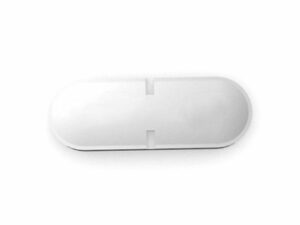
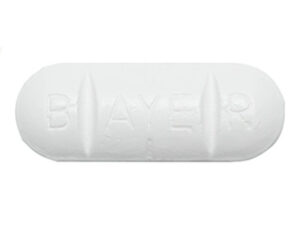
| Common forms | Tablets (brand availability may vary by supplier) |
| How it works | Reduces energy production in parasites and prevents them from surviving |
| Typical targets | Several intestinal worms and tissue (larval) infections, depending on the condition |
Availability and exact presentation (strength, pack size) can vary. Always check the product packaging and the instructions provided with your medication.
2) Mechanism of action (how Albenza works)
Albendazole belongs to the benzimidazole family of anti-parasitic medicines. It works by interfering with the parasite’s internal processes, particularly:
- Disrupting microtubules: Albendazole helps stop the formation of microtubules inside the parasite cells.
- Blocking glucose uptake: The medicine reduces the parasite’s ability to absorb and use glucose.
- Depleting energy: As energy production fails, parasites become unable to survive and reproduce.
The result is that the infection is cleared or reduced, depending on the specific parasite and the duration of treatment.
3) Pharmacokinetics (what the body does to albendazole)
Pharmacokinetics describes how the body absorbs, processes, and eliminates a medicine.
- Absorption: Albendazole is absorbed from the gastrointestinal tract, but absorption can be improved by taking it with food (especially fat-containing meals).
- Metabolism: After absorption, albendazole is metabolised in the liver to an active form (commonly referred to as albendazole sulfoxide).
- Distribution: The active metabolite can reach infected tissues, which is important for treating certain tissue-dwelling infections.
- Elimination: The metabolites are mainly excreted via the kidneys and also partly through bile into faeces.
Because the medicine can require liver processing, clinicians may monitor blood tests in some longer or higher-dose regimens.
4) Typical uses and indications
Albenza (albendazole) is used to treat a range of parasitic infections. Which infection it is appropriate for depends on local guidance, the parasite involved, and your symptoms.
Common indications may include:
-
Intestinal helminth infections such as:
- Pinworm (threadworm) infection
- Roundworm (ascariasis)
- Hookworm infections
- Whipworm (trichuriasis)
- Some cases of tapeworm infections (depending on species and regimen)
- Tissue infections caused by larval forms of certain parasites (e.g., some forms of cysticercosis, and other conditions depending on diagnosis).
- Echinococcal disease (hydatid disease), in specific circumstances and usually in specialised care settings.
If you are unsure whether your condition is one that albendazole treats, check with a healthcare professional or review the diagnosis details with your clinician.
5) Dosing (general guidance)
Dosing for albendazole varies significantly by:
- the parasite being treated
- your age and weight
- where in the body the infection is located (intestinal vs tissue)
- severity and treatment plan length
- other medical conditions
Important: Always follow the dosing schedule on your medication packaging or as directed by your healthcare professional. Below are general patterns commonly used for albendazole therapy. These are not a substitute for personalised instructions.
Common dosing patterns (may vary by country and condition)
-
Pinworm (threadworm):
- A single dose is sometimes used, with a repeat dose after a short interval to treat newly hatched worms.
-
Roundworm / hookworm / whipworm:
- Often treated with a short course (commonly one to several days), depending on the infection.
-
Tissue infections:
- Usually require longer treatment courses.
- Some regimens involve cycles and may require monitoring blood tests.
-
Hydatid disease and some complex parasitic diseases:
- Typically involve specialised treatment plans with careful monitoring.
Children and weight-based dosing
For paediatric use, dosing may be weight-based. This is especially important for children to ensure the dose is appropriate.
6) Timing: when to take Albenza
Timing depends on your prescribed regimen. However, the following practical points are commonly helpful:
- Consistency matters: Take each dose at the same time(s) each day when you are on a multi-day course.
- With food: Taking albendazole with a meal may improve absorption.
-
If you miss a dose:
- Take it as soon as you remember if it is not close to the next dose.
- If it is near the next scheduled dose, skip the missed dose and continue with your usual schedule.
- Do not double up unless instructed.
If you tell us the condition you’re treating (or the regimen provided on your packaging), we can help you understand how to organise the timing and what to expect—while still urging you to follow local medical advice.
7) Food interactions (what you can and can’t eat)
Albendazole absorption can be improved when taken with food. For most people, taking it with a meal is a good practical approach.
-
Recommended:
- Take with food (a normal meal is usually enough).
-
Be consistent:
- If you take it with food, try not to switch randomly to an empty stomach—this can change absorption and effectiveness.
There are no widely recognised “forbidden foods” for albendazole in routine use, but digestive tolerance varies. If your stomach feels upset, taking it with a fuller meal may reduce nausea for some people.
8) Alcohol interactions and other medicine interactions
Alcohol
There is no single universal “safe limit” for alcohol when taking albendazole, but alcohol can affect the liver—organs are responsible for metabolising albendazole. For general safety:
- Avoid heavy drinking during treatment, especially for longer courses.
- If you have liver disease or you are on a longer regimen, discuss alcohol with your healthcare professional.
If you experience dizziness, nausea, or abdominal discomfort after drinking alcohol while on albendazole, stop alcohol and seek advice if symptoms persist.
Medicine interactions
Albendazole may interact with some medicines through liver enzyme pathways. Common interactions to mention include:
-
Certain medicines that affect liver enzymes:
- Some medicines can reduce or increase albendazole levels.
-
Other treatments for parasites:
- Combining multiple anti-parasitic medicines should only be done with appropriate medical guidance.
-
Medicines affecting blood counts:
- Long courses may warrant monitoring if you are also taking medicines that affect bone marrow or blood cell counts.
If you are using any regular medicines (including supplements and herbal products), it’s best to review your list with a healthcare professional or pharmacist to confirm there are no clinically significant interactions for your situation.
9) Safety profile: who should be careful
Like all medicines, albendazole can cause side effects. Most are mild and temporary, but some require medical attention—particularly during longer courses or higher doses.
Common side effects
- Nausea
- Abdominal discomfort or cramps
- Headache
- Dizziness or tiredness
- Diarrhoea or constipation
Less common but important side effects
- Changes in blood counts (e.g., low white blood cells) — more likely with prolonged therapy
- Liver enzyme elevations (hepatotoxicity) — more likely with longer courses
- Allergic reactions such as rash, itching, swelling, or difficulty breathing
Seek urgent help if you notice
- Swelling of the face/lips/tongue or trouble breathing (possible serious allergy)
- Severe or persistent vomiting
- Yellowing of skin/eyes (jaundice) or dark urine (possible liver problem)
- High fever, severe weakness, or unexplained bruising/bleeding
Special populations
- Pregnancy: Albendazole should generally be used with extra caution. Discuss with a healthcare professional before use, especially in early pregnancy or if pregnancy is planned.
- Breastfeeding: Decisions depend on the condition being treated and your medical history.
- People with liver disease: You may require dose adjustments and closer monitoring.
- Children: Dosing should be appropriate for age/weight; monitor for side effects.
10) Practical use tips for best results
These tips can improve treatment success and reduce the chance of reinfection—especially for intestinal worms that spread easily between household members.
- Take with food unless told otherwise by your clinician.
- Follow the full course: Even if symptoms improve, continue the schedule as directed.
-
Prevent reinfection (particularly for threadworm):
- Wash hands regularly.
- Keep nails short.
- Change underwear daily.
- Consider treating close household contacts if advised.
- Check hygiene: Wash bedding and towels if recommended for your infection type.
- Don’t share medication: Doses depend on the specific parasite and individual factors.
- Monitor for side effects and seek advice if they’re significant or persistent.
11) Alternative options
Depending on the parasite and local treatment recommendations, other anti-parasitic medicines may be considered. Alternatives may include:
- Mebendazole: Another commonly used benzimidazole for various intestinal worms.
- Praziquantel: Often used for certain tapeworm infections and some liver fluke infections.
- Ivermectin: Sometimes used for specific parasitic conditions (e.g., certain roundworm or skin parasites).
- Other condition-specific therapies: For tissue infections or complicated cases, specialised regimens may be used.
Which alternative is best depends on the suspected or confirmed organism, the location of infection (gut vs tissue), pregnancy status, and the safety profile for you personally.
12) Market and legal context for Australia
In Australia, medicines are regulated by the TGA (Therapeutic Goods Administration). Availability on an online pharmacy website generally depends on how a product is classified and whether it can be supplied to the public. Availability may also vary based on:
- the product’s scheduling/classification
- distribution agreements and stock levels
- age restrictions and required screening checks
- pharmacist review requirements, where applicable
You may also see different presentations or dosing strengths across brands and suppliers. Always confirm the product you receive matches what you intended to order.
For the most up-to-date and accurate information about Australian availability, consult your pharmacist or local pharmacy website policies.
13) Recent guidance and monitoring (what patients should know)
Treatment guidance can change as new evidence emerges. In general, for albendazole:
- Longer courses are more likely to require blood tests (e.g., liver function and blood counts).
- If you develop symptoms suggestive of liver problems (such as jaundice), you may need prompt review.
- For certain tissue infections, clinicians may use additional supportive treatments to manage inflammatory responses.
If you are starting a course that lasts multiple days or weeks, ask your healthcare professional whether you should have baseline blood tests and ongoing monitoring.
14) Delivery, availability, and what to expect when ordering online in Australia
Online pharmacies may offer delivery services across Australia. Availability can depend on stock and the product presentation.
- Stock availability: Some medicines are frequently stocked; others may have limited supply.
- Dispatch times: Most online orders are dispatched on business days, but delays can occur.
- Packaging: Medicines should arrive in secure, labelled packaging. Keep it until you finish the course.
- Storage: Store tablets as directed on the label, typically in a cool, dry place away from moisture and heat. Keep out of reach of children.
If you need medication for a specific date or time-sensitive infection management, consider ordering early and check delivery estimates provided at checkout.
15) FAQ
How long does Albenza take to work?
You may feel symptom improvement within days, but complete eradication depends on the parasite and the treatment duration. For tissue infections, improvement can take longer and may require follow-up.
Can I take Albenza on an empty stomach?
You may be able to, but taking albendazole with food often improves absorption. If you were advised to take it with food, follow that instruction.
What should I do if symptoms return after treatment?
Recurrence can happen due to incomplete treatment or reinfection. Consider reinfection prevention steps (especially hygiene and household contacts, if relevant) and seek advice from a healthcare professional for confirmation and next steps.
Is it safe to take Albenza more than once?
Sometimes repeat dosing is part of a standard regimen for certain infections. However, repeated courses should be based on the specific parasite and your clinical situation.
Does albendazole treat all worm infections?
Albendazole is effective against several intestinal worms and some tissue infections, but it does not cover every parasite. Correct diagnosis (or clinical assessment) matters for choosing the right medicine.
Can I drive or operate machinery after taking Albenza?
Some people report dizziness or tiredness. If you feel unwell or dizzy, avoid driving or operating machinery until you feel steady.
What should I tell my doctor or pharmacist before using it?
Tell them about:
- Your diagnosis or suspected parasite
- All medicines you take (including supplements and herbal products)
- Past liver problems or abnormal liver tests
- Pregnancy or breastfeeding
- Any history of allergic reactions to medicines
Are there dietary restrictions while taking Albenza?
In general, there are no major food restrictions, but taking the medicine with food can help absorption. Maintain a normal diet unless your clinician advised otherwise.
Can I drink alcohol while taking Albenza?
It’s safest to avoid heavy alcohol intake during treatment, particularly if you are on longer courses or have liver concerns. If you are unsure, ask your healthcare professional.
How should Albenza be stored?
Store at room temperature (as indicated on the packaging), in a dry place, and keep tablets in their original container. Keep out of reach and sight of children.
Summary
Albenza (albendazole) is an anti-parasitic medicine used to treat infections caused by certain worms and, in some cases, tissue-dwelling parasites. It works by disrupting parasite energy production and internal structures. Absorption can improve when taken with food, and treatment length depends on the specific infection. While side effects are often mild, longer courses may require monitoring for liver function and blood counts. Practising good hygiene and following the full dosing schedule helps reduce the risk of reinfection.
If you have concerns about dosing, side effects, or interactions with other medicines, speak with a pharmacist or healthcare professional for personalised advice.