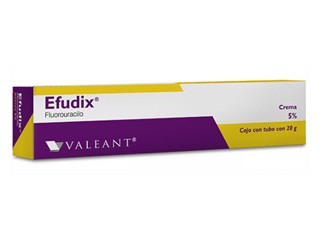
Efudex (Fluorouracil) Cream – Patient Information (Australia)
Efudex contains fluorouracil (5‑fluorouracil, 5‑FU), a medicine used to treat certain skin conditions caused by abnormal or pre-cancerous growths. It works by targeting rapidly dividing cells in the affected area.
This guide is written for people living in Australia and explains what Efudex is, how it works, how it’s typically used, and what to expect during treatment. Always follow the instructions given with your product and talk to a healthcare professional if you have questions.
1. Basic product information
| Item | Details |
|---|---|
| Brand name | Efudex |
| Generic name | Fluorouracil (5‑fluorouracil; 5‑FU) |
| Common dosage forms | Topical cream (formulation strengths vary by product/market) |
| Route of administration | Topical application to the skin |
| Therapeutic area | Dermatology (treating superficial lesions and pre-cancerous changes) |
Important: Efudex is used on skin areas affected by specific conditions. It is not intended for use on broken skin unless specifically advised, and it should not be used on large areas or deeper tissues unless directed by a clinician.
2. How Efudex works (mechanism of action)
Fluorouracil is an “antimetabolite” anticancer medicine. In the body, it is converted into active forms that interfere with the way cells make and use DNA and RNA. This particularly affects rapidly dividing cells, such as abnormal pre-cancerous skin cells and some tumour cells.
- Disrupts DNA/RNA synthesis in targeted cells.
- Triggers cell death of abnormal, fast-growing cells.
- Helps the treated area clear of abnormal growth when used for an appropriate duration.
Topical Efudex causes a typical inflammatory reaction (redness, irritation, crusting), which often develops as the medicine works. This reaction can be part of the expected treatment course.
3. Pharmacokinetics (absorption, distribution, metabolism, elimination)
Because Efudex is applied to the skin, most of the medication’s action is local. However, some drug can be absorbed through the skin, especially when:
- Large areas are treated
- The skin barrier is damaged (e.g., extensive irritation or open areas)
- Occlusion/bandaging is used
- Treatment continues longer than recommended
Absorption: Systemic absorption from intact skin is generally low, but may increase with inflammation or larger application areas.
Distribution: Like other fluorouracil forms, any absorbed drug distributes through body fluids and tissues.
Metabolism: Fluorouracil is metabolised in the body, including in the liver.
Elimination: Metabolites are cleared primarily via renal (kidney) routes and other metabolic pathways.
Clinical implication: Although topical therapy is primarily local, it’s still important to use exactly as directed and monitor for side effects.
4. Typical use and timing
Efudex is commonly used for superficial, pre-cancerous skin lesions and certain skin cancers that are confined to the outer layers of the skin. The exact condition and duration depend on your diagnosis and your clinician’s plan.
Typical timing: Treatment courses vary, but commonly involve applying the cream over several weeks. The skin reaction usually increases over time, often becoming more intense mid-course.
- Early phase (days to ~1 week): mild redness and irritation may begin.
- Middle phase (often ~1–3 weeks): redness intensifies; scaling, crusting, and oozing may occur.
- Late phase (end of course): reaction may peak; the area can look inflamed.
- Healing phase (after stopping): gradual improvement over weeks; skin regrows and colour normalises slowly.
Do not stop early because of irritation unless a healthcare professional advises you to. Mild to moderate inflammation is expected; severe reactions require assessment.
5. Indications (what Efudex is used for)
In Australia, topical fluorouracil products like Efudex are used for dermatology indications that may include:
- Actinic keratoses (sun-damaged, pre-cancerous lesions), including multiple lesions in a region
- Superficial skin cancers (where appropriate and as determined by a clinician)
Because different formulations and strengths may be used for different conditions, your specific indication should be confirmed by a clinician or pharmacist based on your diagnosis and product instructions.
6. Dosing and how to apply Efudex (practical guidance)
Follow your product instructions and the advice provided for your condition. Below is general guidance commonly used for topical fluorouracil courses. Your clinician may adjust the regimen.
6.1 Typical dosing approach (general)
- Applied as a thin layer to the affected area
- Frequency and duration depend on the lesion type, size, and treatment plan
- Treated areas are usually limited to specific skin regions
6.2 Step-by-step application tips
- Wash hands before and after applying.
- Clean the skin gently and allow it to dry.
- Apply a thin film of cream to the lesion area and surrounding treatment zone if advised.
- Avoid eyes, lips, nostrils, and genital areas unless specifically directed.
- Consider using gloves or applying carefully to avoid transferring medication to other body parts.
- Let the cream absorb/dry before covering with clothing.
6.3 What to expect during the course
Typical skin changes include:
- Redness and swelling
- Burning, itching, or tenderness
- Scaling, crusting, and peeling
- Occasional oozing or weeping
These effects often correlate with medicine activity. Manage discomfort using recommended supportive care (see “Safety profile” and “Practical use tips”).
6.4 If you miss a dose
If you forget an application, apply it when you remember unless it’s close to the time of the next dose. Do not apply extra cream to “catch up.” If you’re unsure, ask your pharmacist.
7. Food interactions
Because Efudex is used on the skin, food interactions are not generally expected to be clinically significant. The main factors affecting absorption are usually related to how and where the medicine is applied (e.g., skin condition, area size).
That said, if you experience significant irritation, you may find eating and drinking uncomfortable due to nearby sensitivity or general inflammation. If you have difficulty or severe symptoms, seek advice.
8. Alcohol and medicine interactions
8.1 Alcohol
There is no well-established, direct alcohol interaction with topical Efudex. However, alcohol may indirectly worsen issues such as dehydration, skin sensitivity, or overall wellbeing. If you feel unwell or experience significant burning/irritation, limiting alcohol may help you tolerate treatment more comfortably.
8.2 Interactions with other medicines
Systemic interaction risk is generally lower for topical treatment, but it is still important to inform your healthcare team about:
- Other topical products used on the same area (e.g., strong acids, retinoids, exfoliants)
- Other medicines that affect the immune system
- Medicines you take for other conditions
- Recent chemotherapy or cancer therapies (if applicable)
Special caution: Avoid applying harsh or irritating products to the treated area unless your clinician advises otherwise. Using multiple “active” dermatology products can increase irritation and may affect tolerability.
9. Safety profile (side effects and when to seek help)
Efudex can cause local skin reactions. Most side effects relate to the treated skin area and are dose- and duration-dependent.
9.1 Common side effects (local skin reactions)
- Redness (erythema)
- Irritation, burning sensation, stinging
- Scaling, peeling, crusting
- Swelling and tenderness
- Oozing or weeping in more intense reactions
- Itching
- Hyperpigmentation or hypopigmentation (skin colour changes) during/after healing
9.2 Less common but important reactions
- Severe local dermatitis (very painful, blistering, or extensive spreading redness)
- Infection risk if the skin becomes open or very inflamed
- Allergic reaction (rare): swelling of face/lips, widespread rash, difficulty breathing
9.3 When to seek urgent medical attention
Get urgent help if you experience:
- Signs of severe allergic reaction (trouble breathing, swelling of face/lips, widespread hives)
- Severe pain, blistering, or rapidly spreading redness
- High fever or signs of skin infection (worsening warmth, pus, bad odour, red streaking)
9.4 Contraindications and special situations
Efudex may not be suitable for everyone. Discuss with your clinician/pharmacist if any of the following apply:
- History of severe sensitivity to fluorouracil or product components
- Use on skin that is infected, severely inflamed, or open/wounded (unless instructed)
- Planning pregnancy or breastfeeding (see precautions below)
- Major medical conditions or treatments that affect the immune system
10. Precautions (pregnancy, breastfeeding, and general considerations)
Fluorouracil is an anticancer medicine. Even with topical use, it’s important to consider potential risks.
- Pregnancy: Do not use unless clearly advised by a healthcare professional. Discuss risks and benefits.
- Breastfeeding: Discuss with your clinician. Avoid applying to areas that could come into contact with an infant’s skin or mouth.
- Sun protection: Treated skin is more sensitive. Use protective clothing and sunscreen (once fully healed or as advised) to minimise irritation and reduce further sun damage.
If you are trying to conceive, pregnant, breastfeeding, or have fertility concerns, speak with a clinician before starting.
11. Practical use tips (to improve comfort and results)
11.1 Skin care during treatment
- Moisturise around the area if allowed, to reduce dryness of surrounding skin.
- Use gentle cleansing (mild soap, lukewarm water).
- Wear soft, breathable clothing to reduce friction.
- If the area is very sore, ask a pharmacist about supportive dressings or protective barriers. Avoid occlusion unless instructed.
11.2 Pain and itch management
Mild discomfort is common. If symptoms are significant, discuss options with your pharmacist or doctor. They may recommend:
- Cool compresses (not direct ice) for short periods
- Simple pain relief strategies appropriate for you
- Topical supportive products that do not interfere with Efudex unless approved by your clinician
11.3 Protect treated skin from sun
Because Efudex is used to treat sun-damaged lesions, sun avoidance is essential. During the course and healing phase:
- Limit direct sun exposure
- Cover with clothing/hat
- Use sunscreen on healed areas as advised
11.4 Avoid contact transfer
- Wash hands thoroughly after application.
- Avoid skin-to-skin contact with others on the treated area until it’s dry or covered.
- Do not share towels or clothing that have medication residue.
12. Alternative options
Depending on the number, location, and type of lesions, dermatology specialists may consider alternatives to topical fluorouracil. Options can include:
- Other topical therapies for actinic keratoses and superficial lesions (varies by availability and suitability)
- Cryotherapy (freezing lesions)
- Photodynamic therapy (PDT) for selected lesions
- Surgical removal for individual lesions where appropriate
- Laser treatments in some cases
The “best” choice depends on the area treated, cosmetic outcomes, lesion type, and personal preference. If you’re deciding between treatments, ask your clinician about expected inflammation, healing time, recurrence rates, and cosmetic results.
13. Market and legal context for Australia
In Australia, medicines containing fluorouracil are regulated under the Australian regulatory framework administered by the Therapeutic Goods Administration (TGA). Availability and product presentation can vary depending on approved indications, strength, and formulation.
Topical anticancer medicines are typically supplied through regulated channels. Online pharmacy services must comply with Australian requirements for supply, quality standards, and appropriate patient information. Always ensure the product you receive is from a reputable Australian-licensed supply channel.
For skin lesions that might be cancerous, timely assessment is important. If you notice a lesion that changes rapidly, bleeds, ulcerates, or doesn’t heal, seek clinical evaluation promptly.
14. Recent guidance and clinical considerations
Clinical guidance for treatment of actinic keratoses and superficial skin cancers evolves as new studies and therapies emerge. While the fundamentals of topical 5‑fluorouracil use remain established, current practice generally emphasises:
- Accurate diagnosis (confirmation of lesion type when needed)
- Appropriate lesion selection (topical field treatment for multiple or widespread lesions)
- Sun protection and long-term skin monitoring
- Managing expected inflammation while watching for severe reactions
Your clinician may tailor treatment duration and supportive care based on your skin type, lesion extent, and past treatment response.
15. Delivery and availability (online pharmacy)
Efudex is commonly available through Australian pharmacy channels depending on local supply and stock. When ordering through an online pharmacy:
- Confirm product details (brand, strength, and formulation type).
- Check estimated delivery times and shipping conditions.
- Ensure packaging arrives intact and within acceptable temperature conditions (follow any storage instructions on the label).
- If you need advice about dosing schedules, ask a pharmacist before starting.
Storage: Store your Efudex cream according to the instructions on the carton/label (commonly at controlled room temperature away from direct sunlight and moisture). Keep out of reach of children.
16. FAQ
How long does it take for Efudex to start working?
Many people notice redness, irritation, or scaling within the first several days. The full treatment response typically develops over weeks. Healing and colour normalisation can continue for weeks after stopping.
Is Efudex supposed to make my skin sore?
Some soreness, redness, and crusting are expected because the medicine targets abnormal cells and causes inflammation. However, severe pain, extensive blistering, or rapidly spreading reactions should be assessed by a clinician.
Can I use Efudex on my face, scalp, or other areas?
It may be used on certain sun-damaged areas such as the face or scalp for appropriate indications. Use extra caution to avoid eyes and mucous membranes. Ask your clinician for guidance tailored to your lesion location.
What should I do if my skin reaction is worse than expected?
If you experience severe swelling, blistering, uncontrolled pain, or signs of infection, contact a healthcare professional promptly. Do not adjust dosing or stop unless advised.
Can I wash the treated area?
Gentle washing is usually possible, but avoid harsh scrubbing or products that increase irritation. Follow your clinician’s and product label instructions for cleansing and moisturising.
Will the treated skin look normal again?
Often the area heals gradually and appearance improves, but temporary pigment changes can occur. Long-term cosmetic outcome varies depending on baseline skin, the size of the area treated, and the intensity of the local reaction.
How will I know the lesions are cleared?
Assessment is usually done after the course and healing period. A clinician may examine the area and, if needed, arrange follow-up to check for residual or recurrent lesions.
Can I apply sunscreen during treatment?
Because the treated skin can be sensitive, sunscreen guidance should be tailored. Many people are advised to use protective clothing/hat during treatment and avoid irritating products directly on the active treatment site. Ask your pharmacist or clinician when to resume sunscreen on the treated area.
Are there any lifestyle tips to help prevent new lesions?
- Daily sun protection (broad-brim hat, clothing, sunscreen)
- Regular skin checks for new or changing spots
- Seek medical review for non-healing or bleeding lesions
What happens if lesions come back?
Recurrence can occur, particularly with ongoing sun damage. Follow-up plans and additional treatments may be recommended based on your skin type, lesion history, and clinician assessment.
Need help choosing the right treatment? If you’re unsure whether Efudex is suitable for your skin condition, consult a healthcare professional. Early diagnosis and appropriate therapy can improve outcomes and reduce the risk of progression.