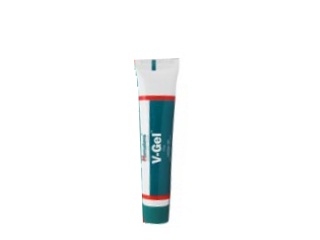
V-Gel (Gelatin–Propylene Glycol & Benzocaine) – Patient Information (Australia)
V-gel is a locally acting oral gel used to provide short-term relief of discomfort in the stomach and throat lining. It forms a soothing barrier over irritated areas, helping protect against further irritation.
This page is designed to help you understand how V-gel works, when it’s typically used, how to take it safely, and what to consider with food, alcohol, and other medicines. Always read the label and follow your healthcare professional’s advice if you have one.
Basic product information
- Product name: V-gel
- Type: Oral gel
- Common purpose: Temporary relief of heartburn, indigestion, and irritation caused by stomach acid
- How it works: Forms a protective “raft”/barrier on top of stomach contents
- Where it acts: Primarily in the upper gastrointestinal tract (stomach and lower oesophagus area)
Note: Product formulations can differ by brand and strength. Check your specific package for the active ingredients and dosing instructions.
How V-gel works (mechanism of action)
V-gel is designed to work in two complementary ways:
- Barrier formation: When taken by mouth, the gel forms a viscous layer that tends to float on top of stomach contents. This may reduce the chance of acid and refluxed material irritating the oesophagus.
- Soothing protection: The gel helps coat irritated tissue, which can ease burning and discomfort associated with reflux and indigestion.
Many similar products are described as “raft-forming” antacids/alginate-based therapies, meaning they create a physical layer that sits above stomach contents. Your V-gel pack will provide more detail on the specific active ingredients included.
Pharmacokinetics (how the body handles it)
Because V-gel is mainly designed to act locally in the gastrointestinal tract, it typically has minimal systemic absorption. That means:
- It mainly works where it’s applied: In the stomach/upper GI tract.
- Systemic blood levels: Usually low or not clinically significant for typical dosing.
- Onset: Often within minutes, especially after meals or before bed.
- Duration: Short-term symptom relief, commonly lasting a few hours depending on meal timing and reflux triggers.
Your medicine label may provide more specific guidance based on the formulation you have.
Typical uses and indications
V-gel is commonly used for symptoms related to stomach acid irritation. Typical indications include:
- Heartburn (burning sensation behind the breastbone)
- Gastro-oesophageal reflux symptoms (reflux of stomach contents)
- Indigestion and discomfort after meals
- Minor irritation associated with acid reflux
Depending on your local product label, indications may also include relief of symptoms such as sour taste or regurgitation. If symptoms are frequent, severe, or persisting, it’s important to seek medical advice.
When to take V-gel (timing)
Correct timing helps the gel form a protective barrier when reflux risk is highest.
- After meals: Often recommended after eating, particularly if you notice symptoms after food.
- Before bed (night-time reflux): If symptoms occur at night, taking a dose before lying down may help.
- When symptoms begin: You may take it at the first signs of heartburn or indigestion, following label instructions.
Practical tip: If you take other medicines, space them out (see “Interactions” below) to reduce the chance that V-gel’s coating effect interferes with absorption.
Dosing (general guidance)
Always follow the dosing instructions on your specific V-gel package. Doses can vary by formulation (e.g., sachet size, volume, or strength).
As a general patient-friendly guide, many raft-forming gels are used:
- Adults and adolescents: Typically taken after meals and/or at bedtime.
- Children: Use only if the product is labelled for the child’s age and you follow the pack instructions. If in doubt, ask a pharmacist.
Do not exceed the maximum daily dose stated on the label.
If symptoms continue beyond a few days despite use, or if you need it frequently, you may need a different treatment plan.
Food interactions
V-gel is intended to be taken in relation to meals. This usually improves symptom control because the gel forms a barrier when the stomach is full.
- Typically compatible with food: Taking it after meals can be beneficial for post-meal reflux.
- General advice: Try to follow the recommended schedule (often after meals and/or before bed).
- High-fat meals: These can worsen reflux for many people. Even with V-gel, reducing triggers (fatty, spicy foods, late meals) can help.
V-gel may help regardless of meal composition, but lifestyle changes still matter.
Alcohol interactions
There is no single “one-size-fits-all” alcohol interaction for every formulation, but alcohol can:
- Worsen reflux symptoms by relaxing the lower oesophageal sphincter
- Increase irritation of the oesophagus and stomach lining
- Trigger burning sensations, especially when taken with or after meals
Practical advice: If you drink alcohol and notice reflux worsening, consider limiting alcohol and avoid late-night alcohol before bed.
If you have concerns (e.g., liver disease or other conditions), speak to a pharmacist.
Interactions with other medicines
Because V-gel acts locally and can form a coating barrier, it can potentially reduce the absorption of some medicines taken at the same time.
To reduce the chance of interactions, consider:
- Spacing medicines apart: Take V-gel at a different time from other oral medicines where possible.
- Follow the label and pharmacist advice: Some products recommend spacing by a certain number of hours.
Medicines that may require extra attention include (depending on your formulation and individual circumstances):
- Some antibiotics
- Some iron or mineral supplements
- Thyroid medication
- Other GI medicines
Safety note: If you take medicines regularly, it’s a good idea to ask your pharmacist how to space them from V-gel.
Safety profile and when to be cautious
V-gel is designed for short-term, local symptom relief. Most people tolerate it well, but it’s still important to review safety guidance.
Common side effects
Side effects are not expected in most users, but may include:
- Mild nausea or stomach discomfort
- Changes in bowel habits
- Occasional bloating
Stop use and seek advice if you develop symptoms that concern you or worsen.
Serious or allergy symptoms
Get urgent medical help if you experience signs of an allergic reaction such as:
- Swelling of the face, lips, tongue, or throat
- Difficulty breathing
- Severe rash or hives
When to be cautious or seek medical advice
Talk to a pharmacist or doctor before using V-gel (or if symptoms are not improving) if you:
- Have trouble swallowing, food getting stuck, or pain when swallowing
- Have unexplained weight loss
- Have vomiting blood or black/tarry stools
- Have persistent or worsening symptoms (for example, heartburn most days)
- Have ongoing abdominal pain or vomiting
- Are pregnant, breastfeeding, or treating a child (confirm suitability first)
These symptoms may signal conditions that need assessment beyond symptom-relief gels.
Practical use tips (how to get the best results)
- Follow the dosing schedule: Take it after meals and/or at bedtime as directed.
- Measure carefully: If using a gel in a syringe, spoon, or sachet with a specific amount, use the supplied measure.
- Keep upright afterwards: Avoid lying down right after taking it—especially if taking a bedtime dose.
- Don’t “double up”: If symptoms persist, follow label directions rather than taking extra doses.
- Review triggers: Large meals, eating late, spicy or fatty foods, smoking, and tight clothing can worsen reflux.
- Consider lifestyle supports: Elevating the head of the bed, weight management, and avoiding late meals often improves outcomes.
Alternative options for reflux and indigestion
If V-gel doesn’t control your symptoms adequately, several other medicine types may be considered. Availability depends on whether products are OTC or supplied on medical advice.
| Option type | Typical purpose | How it works (simple explanation) | When it may be chosen |
|---|---|---|---|
| Antacids | Fast relief of acid discomfort | Neutralise stomach acid | For quick, short-term symptom relief |
| Alginate/raft-forming products | Barrier protection against reflux | Form a floating layer to reduce reflux | After meals and before bed; for regurgitation |
| H2-receptor blockers (e.g., famotidine) | Reduce acid production | Lower acid secretion | When symptoms are more frequent than occasional heartburn |
| Proton pump inhibitors (PPIs) | Strong acid suppression | Block acid pumps in the stomach | For frequent or persistent reflux symptoms under professional guidance |
| Non-medicine measures | Long-term symptom prevention | Reduces triggers and reflux episodes | As an ongoing strategy alongside medicines |
Tip: Choosing the best option depends on symptom pattern (after meals vs overnight), severity, and frequency. A pharmacist can help you match the product to your symptoms.
Market and legal context in Australia (plain language)
In Australia, medicines are regulated by the Therapeutic Goods Administration (TGA). Products like V-gel are typically supplied for self-care under pharmacy or general sales channels, depending on their formulation and classification.
Key points for customers:
- Check the pack for classification and directions: This helps ensure you’re using it correctly.
- Always follow the stated age limits and dosing: Different products may have different suitability for children.
- Report persistent symptoms: Frequent or severe reflux may need assessment.
Because regulatory details can change over time, always refer to the product packaging and the current listing on trusted pharmacy sites.
Recent guidance and best-practice considerations
Health advice for reflux generally emphasises:
- Using the lowest effective dose for the shortest necessary time
- Recognising “red flags” such as difficulty swallowing, vomiting blood, black stools, or ongoing severe symptoms
- Seeking review if symptoms persist or occur most days
- Combining medicines with lifestyle measures (avoid late meals, reduce trigger foods, manage weight, stop smoking)
Where raft-forming gels are used, they are commonly positioned as useful for post-meal and night-time symptom control. If symptoms suggest a more chronic condition, longer-term management may be needed.
Delivery and availability (Australia)
V-gel is commonly available through Australian pharmacies and online pharmacy services. Availability may vary by:
- Pack size (e.g., sachets, bottles, or cartons)
- Formulation variants
- Seasonal demand or stock levels
Online pharmacy delivery typically offers:
- Home delivery within Australia
- Tracking information (depending on the shipping method)
- Careful handling of oral products to maintain quality
Storage: Keep your V-gel as directed on the pack (commonly at room temperature and protected from excessive heat).
FAQ about V-gel
1) How quickly does V-gel work?
Many people notice relief within minutes, especially when taken after meals or when reflux symptoms start. Exact timing varies based on meal size, reflux triggers, and your personal pattern of symptoms.
2) Can I take V-gel every day?
V-gel is intended for relief of symptoms. If you find you need it frequently or daily, it’s a good idea to speak with a pharmacist or healthcare professional to review the cause and consider a more targeted treatment approach.
3) Is V-gel safe for children?
Use only if the product label specifically states suitability for the child’s age and you follow the dosing directions. If you’re unsure, ask a pharmacist.
4) Can I take V-gel with other medicines?
In general, it’s safest to space V-gel from other oral medicines. Because it can form a coating barrier, it may affect absorption for some medicines. Ask your pharmacist about spacing if you take prescription or regular medicines.
5) Does V-gel interact with food?
V-gel is commonly taken in relation to meals (often after eating). For best results, follow the pack instructions for timing. Avoiding trigger foods and late meals can improve control.
6) What about alcohol?
Alcohol can worsen reflux symptoms for many people. If you notice heartburn after drinking, consider limiting alcohol and avoid alcohol close to bedtime.
7) What if my symptoms keep coming back?
Occasional heartburn is common. However, if symptoms are persistent, severe, or happening most days, you should seek advice to rule out underlying conditions and consider long-term management options.
8) When should I stop using V-gel and get medical help?
Stop and seek prompt medical advice if you experience allergic symptoms (swelling, trouble breathing, severe rash), persistent vomiting, vomiting blood, black/tarry stools, chest pain, or difficulty swallowing.
9) Can I use V-gel for indigestion?
V-gel may help relieve indigestion symptoms linked to acid irritation. If you have indigestion that’s persistent or accompanied by other concerning symptoms (e.g., weight loss, pain), get medical advice.
10) How do I store V-gel?
Store according to the label instructions—commonly at room temperature and away from excessive heat. Keep the container closed and protect it from moisture as directed.
Summary
V-gel is an oral gel designed to provide temporary relief from heartburn and reflux-related discomfort by forming a protective barrier in the stomach and helping reduce irritation as reflux occurs.
- Take it after meals and/or before bed when symptoms are most likely.
- Follow label dosing and do not exceed the maximum daily dose.
- Consider spacing it from other oral medicines.
- If symptoms persist or you have red-flag symptoms, seek medical advice.
If you’d like, you can share the exact V-gel pack strength/type you have (e.g., sachet size or bottle volume), and I can help you interpret the label directions for timing and dosing more precisely.