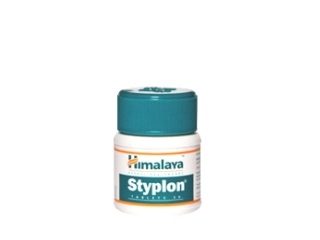


Styplon (Streptokinase & Plasminogen Activators) – Patient Information (Australia)
Styplon is a medicine used in specific clinical situations to help manage conditions involving blood flow and clot-related processes. This page explains how Styplon works, how it is used, and important safety information in a patient-friendly way for people in Australia.
Note: Information below is general and may not apply to everyone. Always follow your clinician’s instructions and the directions on the product packaging.
Quick Facts
- Medicine name: Styplon
- Type: Medicines that assist in clot breakdown by affecting fibrin and related pathways (specific formulation may vary by product brand/strength).
- Common reasons for use: Selected clotting and cardiovascular indications as determined by your healthcare team.
- How it’s taken: Typically administered by healthcare professionals (route depends on the exact product presentation).
- Key safety considerations: Bleeding risk, interactions with other medicines affecting coagulation, and careful timing around procedures.
Basic Product Information
Styplon is marketed as a clot-assisting medicine in defined circumstances. It is usually supplied under brand labeling and is administered according to local protocols.
In Australia: Availability, brand presentation, and funded status may depend on supply conditions and regulatory listings. Your pharmacy can advise on current availability and comparable options.
| Category | What you can expect |
|---|---|
| Therapeutic class | Clot breakdown / fibrinolytic action (exact classification depends on formulation) |
| Administration | Typically given in a clinical setting by trained staff |
| Onset | Works quickly once administered; timing is clinically important |
| Monitoring | Bleeding signs and relevant labs may be monitored depending on the indication |
| Key risk | Increased risk of bleeding |
How Styplon Works (Mechanism of Action)
In many clot-related conditions, an undesired clot (a “thrombus”) can block blood vessels. Styplon helps promote the breakdown of fibrin, the structural framework of many clots.
While the precise molecular details depend on the exact active ingredient(s) in the Styplon product you receive, fibrinolytic medicines generally work by:
- Activating clot-dissolving pathways in the body
- Converting inactive clot-dissolving proteins into active forms
- Reducing fibrin integrity so clots become less stable and can dissolve over time
Clinical goal: Restore or improve blood flow in carefully selected patients, where benefits outweigh the bleeding risks.
Pharmacokinetics (How the Body Processes the Medicine)
“Pharmacokinetics” describes what the body does to a medicine—how it is absorbed, distributed, metabolised, and eliminated. Because Styplon is often administered in a clinical setting, routes may not involve typical oral absorption.
General features of fibrinolytic medicines:
- Rapid effect after administration: Many fibrinolytics act relatively quickly due to direct involvement in clot-dissolving mechanisms.
- Distribution mainly in the bloodstream: These medicines primarily affect circulating proteins and fibrin in the clot environment.
- Metabolism and clearance: Active components and/or their by-products are metabolised and cleared by the body over time.
- Duration: The intensity of effect tends to be highest early and depends on dosing and the patient’s baseline clotting profile.
Important: Your clinician may adjust the plan based on age, weight, kidney/liver function, and bleeding risk. If you have had recent surgeries or active bleeding, clinicians will treat this as urgent priority information.
Typical Use and Indications
Styplon may be used for specific clot-related conditions. Indications depend on the active ingredient and local clinical guidelines.
Typical situations may include:
- Certain acute cardiovascular clot-related emergencies (such as selected forms of heart attack management)
- Some cases of significant thrombosis where clot breakdown is indicated and safe
- Other specialist-directed fibrinolysis situations as determined by medical protocols
Not for everyday clot prevention: Styplon is generally not used like a routine daily tablet. It is intended for specific medical scenarios where the potential benefits are significant and monitoring is available.
Dosing and Timing
Dosing for Styplon is individualised and should be determined by healthcare professionals based on the indication, patient factors, and local protocols.
How dosing is typically handled
- Route and schedule: Administered in a way that achieves the intended fibrinolytic effect (commonly intravenous, depending on the product).
- Timing matters: Earlier treatment in eligible acute events can improve outcomes, but must be balanced against bleeding risk.
- Weight and clinical status: Dose selection may depend on body weight, age, and severity.
- Monitoring: Bleeding signs, blood pressure, and relevant lab tests may be assessed.
Timing around care
If you are receiving Styplon as part of emergency or urgent management, follow your healthcare team’s instructions exactly. Practical timing guidance may include:
- Do not delay seeking medical care if symptoms suggest a clot-related emergency.
- Inform staff immediately about recent bleeding, surgery, invasive procedures, or use of medicines that affect blood clotting.
- Report new symptoms promptly (e.g., unusual bruising, headache, vomiting blood, black stools).
Food Interactions
Because fibrinolytic medicines are often given in a clinical setting (and not taken as a typical oral dose), food interactions are usually less relevant than for oral tablets. However, your overall medical condition and concurrent therapies may matter.
In general:
- If Styplon is administered intravenously, food is unlikely to directly affect its action.
- If you are also taking oral medicines that interact with bleeding risk, your clinicians may still consider meal timing for comfort and absorption (not necessarily for Styplon).
Practical tip: Keep a list of all medicines and supplements you take. Bring it to your appointment or keep it available for clinicians.
Alcohol and Medicine Interactions
Alcohol
Alcohol can increase bleeding risk and may worsen side effects such as dizziness or nausea. If you are receiving or have recently received Styplon:
- Avoid alcohol unless your clinician says otherwise.
- Follow any “no alcohol” advice provided around your treatment and monitoring period.
Medicine interactions (especially important)
Styplon may interact with medicines that affect blood clotting or platelet function. Always tell your healthcare team about the following categories (and any others you use):
- Anticoagulants (e.g., warfarin, apixaban, rivaroxaban, dabigatran, heparin)
- Antiplatelet medicines (e.g., aspirin, clopidogrel, prasugrel, ticagrelor)
- Non-steroidal anti-inflammatory drugs (NSAIDs) (e.g., ibuprofen, naproxen, diclofenac) which may increase bleeding tendency
- Other fibrinolytics or clot-breaking agents
- Thrombolytics/antithrombotics used in hospital settings
- Herbal and supplement products that may affect coagulation (examples include some products containing garlic extract, ginkgo, or high-dose fish oil—always check with your clinician)
Why this matters: The combination of therapies that interfere with clot stability can increase the chance of serious bleeding. Clinicians may adjust timing, monitoring, or therapy choices.
Safety Profile
Like all medicines, Styplon can cause side effects. The most important safety concern is bleeding because of its clot-dissolving action.
Common and important side effects
- Bleeding (from gums, nose, injection sites, or internally—severity varies)
- Bruising
- Nausea or vomiting
- Low blood pressure or changes in vital signs during treatment
- Headache or dizziness
Serious warnings—seek urgent medical help
Contact emergency services or seek urgent hospital care if you (or someone receiving the medicine) develops:
- Signs of internal bleeding (e.g., severe weakness, fainting, severe abdominal pain)
- Coughing/vomiting blood
- Black/tarry stools or blood in stools
- Severe or persistent headache, confusion, or neurological symptoms
- Uncontrolled bleeding from any site
- Allergic-type reactions (e.g., swelling of face/lips, rash, difficulty breathing)
Who needs extra caution?
Your healthcare team will weigh benefits vs risks for people with factors that increase bleeding likelihood. Examples can include:
- Recent surgery, injury, or invasive procedures
- Active bleeding or known bleeding disorders
- History of stroke or conditions affecting the brain’s blood vessels
- Uncontrolled high blood pressure
- Low platelet count or other coagulation abnormalities
- Use of medicines that increase bleeding risk
Practical Use Tips
Because Styplon is commonly administered in a clinical setting, “use tips” mainly relate to preparation, communication, and aftercare.
Before treatment
- Provide a complete medication list including anticoagulants, antiplatelets, NSAIDs, and supplements.
- Share recent history: recent falls, procedures, or bleeding episodes.
- Inform staff about allergies and previous reactions to similar medicines.
- Bring documentation if you have it (e.g., hospital discharge summaries, medication lists).
During treatment
- Stay available for monitoring and follow staff instructions.
- Report symptoms immediately: headache, dizziness, unusual bleeding, chest pain changes, or shortness of breath.
After treatment
- Avoid alcohol unless instructed otherwise.
- Do not start new medicines (especially NSAIDs or other blood-thinners) without medical advice.
- Watch for bleeding signs and seek help promptly.
- Attend follow-up appointments and have any blood tests arranged as instructed.
Alternative Options
Depending on the underlying diagnosis, alternatives may include other thrombolytic strategies, anticoagulation, antiplatelet therapy, mechanical procedures, or conservative management.
Potential alternatives (not a complete list) may include:
- Anticoagulant medicines (for ongoing clot management, depending on condition)
- Antiplatelet therapy (common for certain cardiovascular pathways)
- Mechanical clot removal or endovascular approaches in eligible cases
- Supportive/monitoring care when fibrinolysis is not appropriate
Your healthcare team chooses the best option based on the clot location, timing of onset, bleeding risk, and available resources in the treating facility.
Market and Legal Context (Australia)
In Australia, medicines are regulated through the TGA (Therapeutic Goods Administration). The availability of a medicine like Styplon can be affected by:
- Regulatory status (listing, supply authorisations, or restrictions)
- Clinical guideline updates
- Hospital procurement processes for medicines typically used in acute settings
- Product supply and manufacturing continuity
For online pharmacies, compliant sale and supply processes depend on the medicine’s scheduling/requirements and the current category under Australian rules.
Recent Guidance and Clinical Considerations
Clinical practice for clot-related emergencies can evolve as evidence updates and guideline bodies refine recommendations. While specifics depend on indication and patient group, common themes in recent guidance across many fibrinolytic approaches include:
- Earlier recognition and rapid assessment of eligible patients
- Careful selection to reduce bleeding risk
- Clear contraindication screening (recent bleeding, head injury, active ulcers, and more)
- Monitoring protocols for vital signs, neurological status, and labs where applicable
- Coordinated care pathways between emergency services and hospital teams
If you want, tell us the reason you’re asking (for example, a hospital process you were advised about), and we can help explain typical considerations at a general level.
Delivery, Availability and Ordering (Australia)
Styplon is often supplied for use in acute healthcare settings. Therefore, home delivery may not always be applicable depending on product category, packaging, and clinical pathway.
What you can expect from an online pharmacy:
- Availability checks based on current listings and supply
- Ordering timelines that depend on local stock and wholesaler dispatch schedules
- Packaging and labelling consistent with Australian requirements
- Customer support to clarify eligibility and delivery timeframes
Delivery note: If Styplon is only supplied for hospital administration, your clinician may arrange the medicine directly through the treating facility rather than through online retail delivery.
FAQ
1) What is Styplon used for?
Styplon is used in selected clot-related medical situations where dissolving fibrin in a clot can help restore blood flow. The exact indication depends on the specific product and clinical protocol.
2) How is Styplon given?
Styplon is commonly administered by healthcare professionals, usually in a clinical setting. The exact route and schedule depend on the condition being treated and the product presentation.
3) How quickly does it work?
Fibrinolytic medicines are designed for rapid action after administration. The exact timing of clinical effect varies by condition, clot type, dose, and patient factors.
4) Can I eat before or after receiving Styplon?
If Styplon is administered in a way that bypasses typical oral absorption, food usually has minimal direct interaction. However, your clinicians may advise specific fasting or meal plans based on your broader treatment situation (especially in acute care settings).
5) Are there food interactions I should know about?
Because Styplon is typically administered clinically, food interactions are generally less direct than for oral medicines. Your broader medication regimen (especially those affecting bleeding risk) may still require careful management.
6) Is it safe to drink alcohol?
It’s best to avoid alcohol around the time of treatment unless your clinician specifically advises it. Alcohol may increase bleeding risk and affect overall safety.
7) What medicines should I avoid with Styplon?
Avoid starting or combining medicines that increase bleeding risk (such as anticoagulants, antiplatelet medicines, NSAIDs, and some supplements) without clinician advice. Always provide a complete medication list.
8) What are the main side effects?
The most important risk is bleeding. Other possible effects include bruising, nausea, headache, and changes in blood pressure.
9) When should I seek urgent help?
Seek urgent medical attention for signs of serious bleeding, severe headache or neurological symptoms, coughing/vomiting blood, black stools, or allergic reactions.
10) Are there alternatives to Styplon?
Yes. Alternatives may include other clot-management strategies such as anticoagulants, antiplatelet therapy, or mechanical interventions—chosen according to the diagnosis and bleeding risk.
11) Is Styplon available in Australia?
Availability depends on regulatory status, supply, and whether the medicine is intended for clinical administration through hospitals. Your pharmacy can check current availability and advise on suitable options.
Need Help Choosing the Right Option?
If you have questions about Styplon, including availability in Australia, delivery options, or safe use alongside your current medicines, contact your healthcare professional or pharmacy team for advice tailored to your situation.