Abana (Abana) — Patient Information for Australia
Abana is a traditional herbal medicine widely used by people in Australia to support urinary and kidney health and to help manage symptoms associated with urinary discomfort. This page explains what Abana is, how it may work, typical uses, how to take it safely, and practical tips to get the most benefit from your treatment.
Important: Always follow the directions on the product label or the instructions provided by your healthcare professional. If you are unsure whether Abana is suitable for you, seek advice from a pharmacist or doctor—especially if you have medical conditions, take other medicines, are pregnant/breastfeeding, or have recurring urinary problems.
Quick Product Summary
- Product name: Abana
- Type: Herbal medicine (traditional)
- Common use: Supporting urinary and kidney health; relieving symptoms related to urinary discomfort
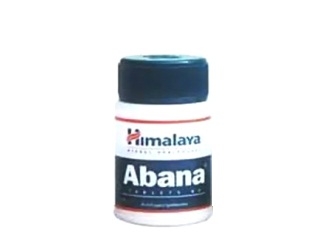
- Typical format: Capsules or tablets (varies by brand/pack)
- Key directions: Take as directed on the label; maintain adequate hydration
- Special note: If symptoms are severe, persistent, or associated with fever/blood in urine, seek medical assessment urgently
What Is Abana?
Abana is a herbal medicinal product traditionally used to support the urinary tract and kidneys. Many people use it to help manage discomfort such as burning or irritation when passing urine, and to assist with urinary wellbeing.
Because herbal formulas can vary slightly by manufacturer and region, it’s important to check the ingredients list and strength on your specific product pack. If you have allergies or sensitivities, review the ingredient list carefully.
Indications: What Abana Is Used For
Abana is commonly used for conditions related to urinary discomfort and kidney/urinary support. In practice, people may use it for:
- Urinary discomfort (e.g., irritation/burning sensation)
- Support for urinary tract health and normal urinary function
- Kidney support as part of a broader wellness approach
- Helping maintain urinary comfort in those prone to recurrent mild urinary symptoms
Clinical note: Abana may help with mild, non-emergency urinary symptoms. However, it is not a substitute for medical care if you suspect a serious infection or have red-flag symptoms.
Seek urgent medical help if you have any of the following:
- Fever or chills
- Flank/back pain (pain near the kidneys)
- Blood in urine
- Severe pain, vomiting, or feeling very unwell
- Symptoms lasting more than a few days or repeatedly returning
How Abana May Work (Mechanism of Action)
Herbal medicines like Abana typically contain multiple plant-based components. While the precise mechanism can vary by the exact formulation, the traditional rationale often includes:
- Supportive action on the urinary tract: soothing and comfort-promoting effects may help reduce irritation.
- Herbal constituents with antioxidant activity: antioxidants may help protect cells from oxidative stress.
- Potential influence on urine characteristics: some herbal ingredients are traditionally used to support healthy urinary function.
- Traditional “kidney support” concept: the formula is used to promote overall renal/urinary wellbeing.
What to expect: Many users report improvement in urinary comfort over several days. Responses differ between individuals.
Pharmacokinetics (Absorption, Distribution, Metabolism, Excretion)
Pharmacokinetics describes how a medicine moves through the body (absorption, distribution, metabolism, and excretion). For complex herbal formulations, detailed pharmacokinetic studies can be limited compared with conventional single-ingredient drugs.
In general, herbal compounds may:
- Absorb gradually after oral dosing, depending on the plant constituents and dose form.
- Be metabolised in the gut and liver into active or inactive metabolites.
- Exert effects locally and systemically, including on urinary tract function.
- Clear through normal metabolic pathways and excretion routes.
Practical implication: Because Abana is taken orally and works through multiple constituents, consistent daily use as directed on the label is often recommended.
Typical Use and Timing
Typical use: Abana is generally taken to support urinary comfort and kidney/urinary health. People often start it at the first sign of mild urinary discomfort and use it for a short course, then reassess.
Timing:
- Take Abana as directed on the pack.
- Many herbal products are taken two to three times daily, but your exact product label will specify dosing frequency.
- Try to take doses at regular intervals to maintain consistent levels.
Missed dose: If you miss a dose, take it when you remember unless it is near the time of the next dose. Do not take a double dose.
Dosing (How Much to Take)
Dose recommendations can vary by product strength and formulation. Always check your label for the correct amount (number of capsules/tablets and frequency).
As a patient-friendly guide, most herbal urinary-support products follow a regimen such as:
- Adults: commonly multiple doses per day, based on the pack instructions.
- Children: use only if the product label specifically allows it; otherwise seek professional advice.
- Older adults: generally can use Abana, but review other medicines and underlying kidney issues with a clinician.
Do not exceed the labelled dose. If your symptoms do not improve within the time frame described on the product or within a few days, consider medical review.
Food Interactions
Many herbal products are taken with or without food. Food interactions with Abana are not always fully characterised, but these practical guidance points are commonly helpful:
- Take with water as recommended.
- If Abana causes stomach upset, take it with food.
- Avoid taking on an empty stomach if you have a sensitive gut—this can reduce nausea or discomfort.
Consistency matters: Try to keep your routine similar each day (for example, always with meals or always between meals) so you can judge whether it suits you.
Alcohol Interactions
There is limited published evidence specifically linking Abana to direct alcohol interactions. However, combining alcohol with any medicine or herbal product can:
- Worsen dehydration (important because hydration supports urinary comfort)
- Increase stomach irritation for some people
- Confuse symptom tracking (it may make urinary discomfort feel worse)
Recommendation: If you choose to drink alcohol, do so moderately and maintain good hydration. Stop alcohol and seek advice if you notice adverse effects such as dizziness, stomach upset, or worsening symptoms.
Medicine Interactions
Herbal medicines can interact with other treatments. While specific interaction data for Abana may be limited, consider these safety principles:
- Bleeding risk: If you take medicines that affect blood clotting (e.g., warfarin or other anticoagulants/antiplatelet medicines), ask a pharmacist before use.
- Kidney function: If you have kidney disease or reduced kidney function, discuss with a clinician to ensure suitability.
- Diuretics (“water tablets”): If you take diuretics, monitor for changes in urinary frequency and wellbeing.
- Diabetes medicines: Some herbal products may affect glucose control. Check with your pharmacist if you are on diabetes medication.
- Immunosuppressants: Herbal immunologic effects are unpredictable—seek professional advice.
Always tell your healthcare professional about all medicines and supplements you take, including vitamins, minerals, and non-prescription remedies.
Safety Profile and Side Effects
Abana is generally considered safe when used at the recommended dose and for the recommended duration. However, individual reactions vary.
Common side effects
- Mild gastrointestinal upset (e.g., nausea, bloating)
- Loose stools or changes in bowel habit in some users
- Headache (uncommon)
Allergic reactions (seek advice urgently)
- Rash, itching, swelling
- Hives
- Breathing difficulty
When to stop and seek medical help
- Your symptoms worsen or do not improve as expected
- You develop fever/chills
- You experience back/flank pain
- You notice blood in urine
- You feel unwell or develop persistent vomiting
Who should get professional advice first?
- Pregnant or breastfeeding
- Children (unless labelled for their age group)
- People with kidney disease or significant urinary tract disorders
- People taking multiple medicines or with complex medical histories
Practical Use Tips (How to Get the Best Results)
- Hydrate well: adequate water intake supports urinary comfort and helps flush the urinary tract.
- Don’t ignore warning signs: fever, flank pain, or blood in urine are reasons to seek medical care promptly.
- Track symptoms: note severity, timing, and triggers (such as dehydration, long periods without urination, or irritation from hygiene products).
- Maintain good urinary habits: urinate regularly; avoid delaying urges.
- Consider diet factors: some people find that caffeine and spicy/acidic foods worsen urinary discomfort.
- Take regularly: consistent dosing is often more effective than “as needed” use.
Tip for stomach sensitivity: If you get nausea, try taking Abana with meals or after food (as permitted by the label).
Alternative Options
If Abana is not suitable, or if you need a different approach, there are several categories of options depending on your symptoms and medical situation:
- Other herbal urinary-support products (e.g., similar traditional formulations)
- Non-medicinal supportive care such as hydration, heat packs, and avoiding irritants
- Evidence-based treatments for urinary tract infections (UTIs) when indicated—especially if symptoms include fever, flank pain, or worsening issues
- Clinician-guided evaluation for recurring symptoms to rule out underlying causes (e.g., stones, inflammation, or other conditions)
If you have recurrent urinary symptoms, it may be helpful to discuss prevention strategies with a healthcare professional.
Abana in the Australian Market: Legal and Regulatory Context
In Australia, herbal and traditional medicines are regulated under national frameworks. Products available to consumers are generally required to meet the relevant standards for quality, labelling, and safety. Requirements may vary depending on the product’s classification and listed indications.
Key points for buyers:
- Choose products from reputable suppliers.
- Check the label for ingredients, strength, batch/expiry details, and storage instructions.
- Confirm whether the product is described as a listed or otherwise regulated medicine.
- Be cautious with products that make unrealistic claims or lack clear labelling information.
Recent guidance (general themes): Australian health guidance for urinary symptoms emphasises recognising when to seek medical attention and not relying solely on non-prescription or herbal products when serious infection or complications are possible.
Delivery and Availability in Australia
Abana may be available through online pharmacies and health retailers across Australia, depending on stock levels and distribution schedules. Availability can vary by supplier and pack size.
Delivery expectations:
- Orders are typically processed within business hours.
- Delivery times vary based on your location (metro vs regional).
- Some areas may require additional time due to carrier schedules.
What to check when ordering:
- Confirm the pack size and strength you want
- Check the expiry date shown for your selected item (where provided)
- Store as directed to maintain product quality
Storage: Keep the product in a cool, dry place away from direct sunlight, and out of reach of children.
Recent Safety Considerations
While Abana is commonly used, it’s wise to remain alert to general herbal medicine safety practices:
- Use the label dose and avoid doubling up with other similar herbal products.
- Check ingredient lists if you have known allergies.
- Review interactions if you take other medicines, particularly those affecting clotting, blood sugar, or kidney function.
- Get medical advice early if symptoms are unusual, severe, or recurring.
If you have been told you have kidney stones, recurrent UTIs, or chronic urinary inflammation, it is especially important to get professional assessment rather than relying only on self-care.
Abana Dosing & Use Overview (At-a-Glance)
| Topic | What to Know |
|---|---|
| Who it’s for | People seeking traditional urinary and kidney support for mild urinary discomfort (see indications and safety notes) |
| How to take | Oral use; take as directed on the label and with water |
| Timing | At regular intervals; many products are taken multiple times daily—follow your specific pack instructions |
| With food? | Often taken with or without food; if you feel nausea, take with food |
| Alcohol | Not usually a direct interaction, but alcohol may worsen dehydration/stomach irritation—drink moderately and stay hydrated |
| When to seek help | Fever, flank pain, blood in urine, severe symptoms, or no improvement |
| Interactions | Possible interactions with medicines (especially anticoagulants, diuretics, diabetes meds, and immunosuppressants). Ask if unsure |
FAQ: Abana (Australia)
1) What is Abana used for?
Abana is used traditionally to support urinary and kidney health and to help with urinary discomfort. It is often chosen for mild symptoms and wellbeing support.
2) How long does it take to work?
Some people notice improvement within a few days, but results vary. If you don’t feel any improvement within the timeframe on the pack, or if symptoms worsen, seek medical advice.
3) Can I take Abana with food?
Yes, many people take it with food or after meals. If it upsets your stomach when taken on an empty stomach, take it with food—unless your specific label advises otherwise.
4) Can I drink alcohol while taking Abana?
There is limited evidence of a direct interaction, but alcohol can worsen dehydration and may aggravate symptoms. If you choose to drink, do so moderately and keep hydrated.
5) Are there any side effects?
Some people experience mild gastrointestinal upset such as nausea or changes in bowel habit. Seek advice promptly if you develop an allergic reaction or severe symptoms.
6) Who should not use Abana without checking first?
Check with a pharmacist or doctor if you are pregnant or breastfeeding, have kidney disease, are managing significant medical conditions, or take multiple medicines—particularly anticoagulants, diuretics, diabetes medications, or immunosuppressants.
7) What if my symptoms are severe or include fever?
If you have fever, chills, flank/back pain, blood in urine, or you feel significantly unwell, seek urgent medical assessment. These can be signs of a more serious issue.
8) Can I combine Abana with other supplements?
You can, but be careful not to duplicate similar ingredients or exceed typical herbal dosing. Always review the ingredients of other supplements and consult a pharmacist if you’re unsure.
9) What should I do if I miss a dose?
Take it when you remember unless it’s near the time of the next dose. Do not take a double dose.
10) Where can I buy Abana in Australia?
Abana may be available through online pharmacies and health suppliers. Availability depends on stock, pack type, and delivery coverage. Confirm your selected item’s details before ordering.
Final Reminder
Abana may help support urinary comfort and kidney wellbeing as part of a healthy routine. Use it exactly as directed on the label, drink plenty of water, and be alert to warning signs. If symptoms persist, recur frequently, or include fever or blood in urine, get medical advice promptly.