Triamcinolone (Corticosteroid) — Patient Information (Australia)
Triamcinolone is a medicine in the corticosteroid (steroid) family. It is used to reduce inflammation and calm an overactive immune response in a range of conditions. Depending on the formulation (e.g., cream, ointment, injection, nasal spray, dental paste, or inhaler), it may be used for skin problems, allergic or inflammatory conditions, and certain joint or respiratory disorders.
This page provides patient-friendly information about how triamcinolone works, common uses, timing, safety considerations, and practical tips. Always follow the advice provided by your healthcare professional and read the product label carefully.
Basic product information
- Generic name: Triamcinolone
- Drug class: Corticosteroid (anti-inflammatory/anti-allergy)
- Common formulations (varies by brand):
- Cream or ointment (topical)
- Injection (e.g., for joint or soft tissue inflammation)
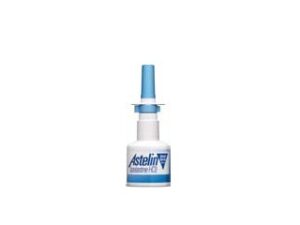
- Nasal spray (for allergic rhinitis in some products/regions)
- Dental paste (for mouth ulcers in some products)
- Inhaled forms may exist depending on availability
- How it’s supplied: Different strengths and packs exist for different formulations.
Important: Triamcinolone products are not all identical. Your dose and instructions depend on the specific formulation and strength.
How triamcinolone works (mechanism of action)
Triamcinolone reduces inflammation by affecting multiple pathways in the immune system. It:
- Decreases inflammatory substances released by the body (including cytokines and other mediators).
- Reduces swelling, redness, and irritation.
- Suppresses overactive immune responses, which can help with allergic and autoimmune-related inflammation.
- Stabilises cellular responses involved in inflammation, leading to improved symptoms over time.
Because it targets inflammation and immune activity, triamcinolone can relieve symptoms such as pain, itching, redness, and swelling—depending on the condition being treated.
Pharmacokinetics (how the body handles it)
Pharmacokinetics can vary considerably depending on formulation. The main factors are route of administration (skin, joint injection, inhaled, oral/into mouth) and whether it is absorbed systemically.
General principles
- Absorption: Topical triamcinolone absorption depends on skin condition, area of application, and use of occlusive dressings (coverings). Injections provide systemic exposure. Nasal/or inhaled routes lead to local effects with some systemic absorption.
- Distribution: Once absorbed, corticosteroids distribute throughout the body and can bind to plasma proteins.
- Metabolism: Triamcinolone is metabolised primarily in the liver.
- Elimination: Metabolites are excreted mainly through the kidneys.
Why this matters: If absorption is higher (e.g., large area topical use, broken skin, occlusion, injection, or frequent dosing), the risk of systemic steroid side effects may increase.
Typical uses and indications
Triamcinolone is used to treat inflammation where steroid effects are beneficial. Indications depend on the dosage form and strength.
Common indications (by area of treatment)
- Skin inflammation and allergic conditions: eczema/dermatitis flares, allergic rashes, and inflammatory skin disorders (for appropriate topical strengths).
- Joint and soft tissue inflammation: inflammation-related pain and swelling when used as an injection (e.g., certain inflammatory conditions affecting joints).
- Allergic rhinitis: some nasal steroid products may use triamcinolone to reduce nasal inflammation and symptoms.
- Oral inflammation: dental paste forms may help relieve inflammatory mouth ulcers or lesions (availability varies).
Note: Availability of specific indications and formulations varies. Your pharmacist or healthcare professional can confirm whether a particular product is appropriate for your condition.
How to take/use it: timing and practical guidance
Correct timing depends on the formulation.
Topical cream or ointment
- Apply a thin layer to affected skin unless your clinician instructs otherwise.
- Usually once to twice daily depending on the condition and product strength.
- Wash hands before and after use.
- Avoid applying to eyes and inside the mouth unless specifically directed.
Nasal spray
- Typically used once daily or twice daily depending on the product and instructions.
- For allergic symptoms, benefits may become noticeable within hours but often reach best effect after several days of consistent use.
Injection (administered by a clinician)
- Given in a healthcare setting.
- Symptom improvement may begin within hours to days, with peak effects sometimes taking longer.
- Follow-up timing is based on the underlying condition and response.
Dental paste (if applicable)
- Apply according to product instructions, usually after cleaning the mouth.
- Try to avoid eating/drinking immediately after application if advised.
Food interactions
Triamcinolone interactions with food are generally limited, but this can vary by formulation:
- Topical use: systemic food interactions are unlikely because absorption is usually limited.
- Oral formulations: if you are prescribed oral steroid forms (less common for triamcinolone specifically, depending on product), take them exactly as directed and consider eating with the dose if stomach upset occurs (follow your clinician/pharmacist advice).
- Nasals/inhaled: food is not typically a key interaction.
Practical tip: If you experience nausea, heartburn, or indigestion after steroid use, tell your pharmacist—adjustments may be possible.
Alcohol interactions
Alcohol does not typically have a direct interaction with triamcinolone, but caution is sensible due to steroid-related risks.
- Short-term moderate alcohol: may be acceptable for many people, but this depends on your overall health and the condition being treated.
- Regular heavy alcohol use: may increase risk of stomach irritation, mood changes, and can worsen infection risk.
- During longer courses or high-dose steroid exposure: discuss alcohol habits with your healthcare professional.
If you drink alcohol, ask your pharmacist what is appropriate for your specific product and dose.
Medicine interactions (important)
Triamcinolone may interact with other medicines, most importantly those affecting liver enzymes, blood sugar, blood pressure, infection risk, or stomach protection.
Potential interaction categories
- CYP3A4 inhibitors (may increase steroid levels): certain antifungals and antibiotics can raise steroid exposure, increasing side effects.
- Vaccines: live vaccines may be less effective and may carry higher risk in people receiving substantial steroid doses.
- Diabetes medicines: corticosteroids can raise blood glucose, potentially requiring monitoring and dose adjustments.
- Blood pressure or heart medicines: steroids can affect fluid balance and blood pressure in some situations.
- Non-steroidal anti-inflammatory drugs (NSAIDs) such as ibuprofen/naproxen: combined use can increase risk of stomach irritation/bleeding, particularly with systemic steroid exposure.
- Anticoagulants (e.g., warfarin): steroid effects may alter bleeding risk; monitoring may be needed.
- Other immunosuppressants: combination can increase infection risk.
- Diuretics: when used with systemic steroids, potassium levels may be affected.
Always tell your pharmacist about all medicines and supplements you take, including herbal products.
Dosing: what to expect
Dosing varies greatly by the specific triamcinolone product (strength, route, and condition severity). This section explains typical dosing patterns, not personal instructions.
General dosing examples (typical patterns)
- Topical skin: usually applied in a thin layer 1–2 times daily for short periods, then reduced or stopped when controlled. Duration is often limited to minimise side effects.
- Nasal: usually 1–2 times daily with consistent daily use for allergic symptoms.
- Injection: administered by a clinician; dose and frequency depend on the joint/area, condition, and individual response.
Follow “short course then review” approach
For topical inflammatory skin conditions, healthcare professionals commonly aim for the lowest effective dose for the shortest time. If symptoms persist or worsen, reassess the diagnosis, apply technique correctly, and consider alternative management.
Do not increase dose or frequency to “speed things up” without professional advice.
Safety profile: side effects and when to seek help
Triamcinolone is effective for many inflammatory conditions, but it can cause side effects, especially with higher doses, prolonged use, or higher absorption (large areas of skin, broken skin, occlusion, injections).
Common side effects (depend on formulation)
- Topical: mild burning/stinging, redness, dryness, or irritation at the application site.
- Skin thinning risk: with prolonged topical use, particularly on delicate areas (face, groin, underarms).
- Nasal: dryness, nose irritation, occasional nosebleeds.
- Dental paste (if used): local irritation may occur.
Less common but important risks
- Infection risk: steroids can reduce the body’s ability to fight infection. Get medical advice if your rash becomes infected (increasing warmth, pain, swelling, pus, or fever).
- Eye-related effects (topical near eyes): long-term use may contribute to eye problems such as increased pressure or cataracts—avoid using near eyes unless directed.
- Systemic effects: when absorbed significantly—effects may include increased blood sugar, sleep disturbance, mood changes, weight changes, or adrenal suppression (more relevant for systemic exposure and long courses).
- Hormonal (adrenal) suppression: risk increases with higher doses and prolonged use. Tapering may be needed if you have been using steroids for a long time (discuss with your clinician).
Seek urgent medical help if
- There are signs of a severe allergic reaction (e.g., swelling of face/lips, trouble breathing).
- A suspected skin infection rapidly worsens.
- Severe or persistent nosebleeds occur with nasal formulations.
- You experience severe headache, vision changes, or significant systemic symptoms.
Practical use tips (to get the best results and reduce risk)
- Use the thinnest effective layer (topical).
- Apply only to the affected area; avoid spreading to healthy surrounding skin unless directed.
- Don’t cover unless advised: occlusive dressings can increase absorption and side effects.
- Wash hands: especially after applying to avoid accidental contact with eyes or other body areas.
- Regular technique: for nasal spray, use the correct nozzle position and aim away from the septum (middle of the nose) to reduce irritation and bleeding.
- Monitor response: if symptoms are not improving after the recommended time, check whether the diagnosis is correct or if an alternative treatment is needed.
- Keep track of location: avoid prolonged use on thin-skin areas unless supervised.
- Don’t stop suddenly after long use: if you have used systemic steroids for an extended period, consult your clinician about tapering.
Alternative options
If triamcinolone is not suitable (e.g., side effects, infection concerns, or preference), alternative therapies may be considered depending on your condition and formulation. Alternatives can include:
Skin and inflammatory conditions
- Non-steroidal topical anti-inflammatories (e.g., calcineurin inhibitors such as tacrolimus or pimecrolimus—depending on availability and indication)
- Other topical corticosteroids with different strengths
- Moisturisers/emollients and skin-barrier support (particularly for eczema/dermatitis)
- Antifungal or antibacterial treatments if infection is present or suspected
Allergic rhinitis
- Other intranasal corticosteroids
- Antihistamines (oral or intranasal depending on the product)
- Saline irrigation as adjunctive care
Joint or soft tissue inflammation
- Other steroid injections (different types/doses)
- Physiotherapy, activity modification, and targeted pain management
- Non-steroidal anti-inflammatory strategies where appropriate
Your pharmacist or doctor can advise which alternatives fit your symptoms, medical history, and current medicines.
Australia: market and legal context
In Australia, medicines are regulated under the Australian Government framework. Product classification and supply rules depend on the specific triamcinolone formulation and strength. Some steroid products may be available over-the-counter (OTC), while others may be restricted and require professional guidance.
Online pharmacies in Australia typically ensure:
- Correct product selection for the intended formulation
- Appropriate screening for safety (e.g., potential contraindications and interactions)
- Clear patient instructions and safe-use information
- Compliance with advertising and medicine supply standards
Recent guidance note: Steroid medicines continue to be reviewed by Australian health authorities and prescribers for safe use, especially regarding infection risk, skin thinning, and appropriate duration. Always check the product packaging and current advice from your healthcare professional.
Delivery and availability (Australia)
Availability depends on the specific brand and formulation (cream vs injection vs nasal spray vs dental paste). Online pharmacy listings typically show:
- Product strength (e.g., percentage or mg/mL where relevant)
- Pack size
- Formulation type (topical, nasal, dental, injection—injectables are usually supplied to clinics)
- Expected delivery times for your location
Most pharmacies offer standard shipping and tracking. Delivery times can vary based on stock levels and where you live. If a product is temporarily unavailable, your pharmacy may offer a suitable alternative.
Cold chain: Triamcinolone products are not generally “cold chain” items, but always follow the storage instructions on the specific label.
Storage and handling
- Store as directed on the package (commonly at controlled room temperature).
- Keep out of reach of children.
- Do not use after expiry date.
- For topical products, avoid contamination of the opening or nozzle.
FAQ: Triamcinolone (Patient Questions)
1) Is triamcinolone a steroid?
Yes. Triamcinolone is a corticosteroid. It helps reduce inflammation and immune activity. Different formulations act locally or systemically depending on how they’re used.
2) How quickly will it work?
Some formulations can start improving symptoms within hours to a few days, but for conditions like allergic rhinitis, full benefit often takes several days of consistent daily use.
3) Can I use triamcinolone on my face or in skin folds?
Use on sensitive areas should be supervised and limited in duration because topical steroids carry higher risk of skin thinning in these areas. Follow the specific instructions for your product.
4) What if my skin condition gets worse after starting?
Worsening could indicate infection, incorrect diagnosis, or irritation from application. Seek advice promptly—especially if there is increasing redness, pain, warmth, pus, fever, or rapidly spreading rash.
5) Can I stop immediately once I feel better?
Often, treatment is limited to the shortest time needed. If you’ve used it for a prolonged period or multiple times repeatedly, ask your healthcare professional about the safest way to stop or step down.
6) Are there risks with long-term use?
Yes. Longer use increases the risk of skin thinning for topical products and potential systemic effects for higher exposure. The goal is lowest effective dose for the shortest duration unless supervised for longer courses.
7) Can I use triamcinolone with other creams?
Sometimes, but avoid mixing or layering products without guidance. Skin may absorb steroids differently depending on what it’s combined with. Ask your pharmacist, particularly if you are also using moisturisers, antifungals, or moisturising occlusive products.
8) Does triamcinolone affect vaccines?
In general, steroid medicines can influence immune responses. Live vaccines may require extra caution if steroid exposure is high or prolonged. Discuss vaccination timing with your healthcare professional.
9) Is it safe during pregnancy or breastfeeding?
Safety depends on formulation, dose, and duration. Many topical steroids may be used when clearly needed, but you must discuss the risk/benefit with your doctor or pharmacist, especially for larger areas or longer use.
10) What should I do if I miss a dose?
For topical or nasal use: apply/use when you remember unless it is close to the next scheduled dose. Do not double up. Follow your product label instructions.
Summary
Triamcinolone is an anti-inflammatory corticosteroid used to treat a variety of inflammatory conditions. How you use it—topically, via nasal spray, in the mouth, or as an injection—determines how it works in the body and the types of side effects to watch for. For the safest results, use the correct formulation and strength, follow dosing instructions, avoid prolonged use unless supervised, and seek medical advice if symptoms worsen or infection is suspected.
If you’d like, tell us which triamcinolone formulation you’re considering (cream, nasal spray, dental paste, or injection) and the condition you’re treating. We can help explain typical use instructions and what to look out for based on that product type.