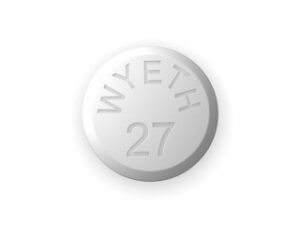
Aristocort (Triamcinolone) – Patient Information
Aristocort is a brand of triamcinolone, a corticosteroid medicine used to reduce inflammation and calm overactive immune responses. Depending on the specific product strength and formulation, Aristocort may be prescribed for a variety of conditions affecting the skin, airways, joints, or other body tissues. This page provides patient-friendly information about how triamcinolone works, what it’s used for, how it may be taken, and important safety considerations for adults and children.
Always follow the advice of your prescribing clinician or pharmacist and the instructions on your product packaging. If you are unsure about your specific Aristocort type (for example, cream, ointment, tablets, or injection), check the label or ask your pharmacist.
Quick facts
| Category | Details |
|---|---|
| Active ingredient | Triamcinolone (a corticosteroid) |
| Therapeutic effect | Anti-inflammatory, anti-allergy, immunosuppressive (in some settings) |
| Common uses (examples) | Inflammatory skin conditions, allergic and inflammatory conditions, and certain joint/airway disorders (varies by formulation) |
| Onset | May improve symptoms within hours to days; full effect can take longer depending on the condition and formulation |
| Typical schedule | Often once or twice daily for topical forms; oral regimens vary; injections depend on clinical plan |
| Key safety points | Possible side effects include skin thinning (topical), raised blood sugar, mood changes, infection risk, and effects on the adrenal system with prolonged use |
What is Aristocort?
Aristocort contains triamcinolone, a synthetic corticosteroid. Corticosteroids are medicines that mimic hormones produced by the adrenal glands. They are commonly used to treat inflammatory and immune-related conditions because they reduce chemical messengers that drive inflammation.
Aristocort is available in different forms depending on the product strength and indication. The best choice for you depends on:
- Which body area is affected (skin, joints, airways, etc.)
- The severity and duration of symptoms
- Your age and any underlying health conditions
- Other medicines you take (to avoid interactions)
How triamcinolone works (mechanism of action)
Triamcinolone reduces inflammation by switching down multiple steps in the immune response. While the exact pathway varies by tissue, corticosteroids generally:
- Reduce inflammatory chemical signals that attract immune cells
- Decrease immune cell activity and release of inflammatory mediators
- Stabilise cell membranes and reduce swelling
- Lower symptoms such as redness, itching, pain, and warmth
The result is improved symptoms during flare-ups. However, corticosteroids do not “cure” the underlying cause in many conditions—they control inflammation and immune activity, allowing symptoms to settle.
Pharmacokinetics: how the body handles triamcinolone
Pharmacokinetics describes what the body does to a medicine—absorption, distribution, metabolism, and elimination. The exact profile depends on the formulation (topical vs oral vs injection) and the route of administration.
Absorption
- Topical (skin) forms: Absorption through skin depends on the condition of the skin, how much is applied, and whether occlusive dressings are used.
- Oral forms: Absorbed from the gastrointestinal tract.
- Injection: Absorption depends on the injection type and location.
Distribution
Triamcinolone distributes throughout the body and may bind to plasma proteins. This influences how long effects can last.
Metabolism and elimination
Triamcinolone is metabolised mainly in the liver. Metabolites are then cleared from the body, primarily through the kidneys. The duration of action varies between individuals and depends on formulation and dose.
If you need information specific to your Aristocort form (e.g., cream vs tablets), speak to your pharmacist.
Typical uses (indications)
Aristocort (triamcinolone) is used to treat conditions where inflammation or immune activity plays a major role. Indications vary by product type.
Examples of conditions it may be used for (depending on formulation):
- Inflammatory skin disorders such as eczema, dermatitis, and other steroid-responsive rashes
- Allergic and inflammatory conditions in selected situations
- Joint or musculoskeletal inflammation (often via injection in clinical settings)
- Other conditions deemed steroid-responsive by your clinician
Your treatment plan should be tailored to your diagnosis. For some conditions, corticosteroids are used only for short periods or at specific strengths to balance benefit against risk.
Timing and how to take Aristocort
The correct timing depends on the formulation. Below are general patient-friendly guidelines. Always follow your product label or clinician instructions.
Topical (cream/ointment) – typical timing
- Often applied once or twice daily to affected areas.
- Apply a thin layer unless your clinician advises otherwise.
- Wash hands before and after application (unless your hands are the treatment site).
- Avoid applying to broken skin unless directed.
Oral (tablets) – general timing principles
- Some regimens use a once-daily dose in the morning to better match natural hormone rhythms.
- Other regimens may use divided doses.
- Take at the time(s) prescribed to maintain consistent effect.
Injection – clinical timing
Injections are given by trained healthcare professionals. Timing is determined by your clinical diagnosis and response to treatment.
Food interactions
Food interactions for triamcinolone depend on the formulation. In general:
- Oral triamcinolone: Taking with or after food may help reduce stomach upset for some people.
- Topical triamcinolone: Food interactions are usually not relevant because absorption through skin is limited (though higher absorption can occur with damaged skin or occlusion).
If you have diabetes or pre-diabetes, corticosteroids can raise blood glucose. Monitoring glucose closely may be needed, especially when starting or increasing dose.
Alcohol and medicine interactions
Alcohol
Moderate alcohol use may be acceptable for some people, but alcohol can worsen certain steroid side effects (such as stomach irritation, mood changes, and sleep disturbance). If you drink regularly or have liver disease, discuss your situation with a pharmacist or clinician.
Potential medicine interactions
Triamcinolone can interact with other medicines. Important interactions include:
- Non-steroidal anti-inflammatory drugs (NSAIDs) (e.g., ibuprofen, naproxen): increased risk of gastric irritation or bleeding in some people.
- Blood glucose-lowering medicines (e.g., insulin, metformin, sulfonylureas): corticosteroids may increase blood sugar, requiring dose adjustments.
- Anticoagulants (e.g., warfarin): steroid effects may alter clotting control—monitoring may be needed.
- Antifungals and antibiotics: some medicines can affect steroid metabolism.
- Enzyme inducers (some anti-seizure medicines, certain antibiotics): may reduce steroid effect.
- Vaccines: live vaccines may be less appropriate if you are receiving moderate to high doses for longer durations.
This is not a complete list. Before starting Aristocort, tell your pharmacist about all medicines and supplements you use, including “natural” products.
Dosing: what “dose” usually means
Dosing depends strongly on:
- The condition being treated
- The formulation and strength (cream/ointment/tablet/injection)
- Your age and response to therapy
- How long treatment is expected to last
- Your medical history (including diabetes, infection risk, and glaucoma)
Because dosing varies, it is safest to follow the instructions on your specific Aristocort product or those given by your healthcare team.
General principles for safe corticosteroid dosing
- Use the lowest effective dose for the shortest period that controls symptoms.
- Do not stop suddenly after longer courses without medical advice—adrenal suppression can occur.
- Follow tapering instructions if your clinician advises a step-down schedule.
- Topical safety matters: avoid using higher strength, larger areas, or more frequent application than directed.
Safety profile and side effects
Like all medicines, triamcinolone can cause side effects. Many are more likely with higher doses, prolonged use, or if the medicine is used on large areas of skin (topical) or systemically (oral/injection).
Common side effects (examples)
- Topical: skin irritation, burning sensation, dryness, acne-like eruptions, changes in skin colour
- Systemic (oral/injection): increased appetite, mood changes, sleep disturbance, fluid retention
Important risks (seek advice promptly)
- Infection risk: corticosteroids can reduce immune response. Contact a clinician if you develop fever, worsening pain, or signs of infection.
- Adrenal suppression: long-term use can reduce the body’s natural steroid production. Do not stop suddenly after prolonged courses.
- High blood sugar: particularly relevant for people with diabetes.
- Eye problems: long-term use may affect intraocular pressure (glaucoma) or cataract risk.
- Gastrointestinal effects: oral steroids may increase stomach irritation; take with food if advised.
- Bone effects: prolonged use may contribute to bone thinning (osteoporosis).
Skin-specific precautions for topical use
- Avoid applying to face, groin, or underarms unless your clinician specifically advises—skin in these areas is more sensitive.
- Do not use under occlusive bandages unless directed.
- Stop and seek advice if you notice skin thinning, widespread worsening rash, or severe burning.
When to seek urgent help
Seek urgent medical care if you experience symptoms such as:
- Signs of a serious allergic reaction (e.g., swelling of face/lips, difficulty breathing)
- Severe infection signs (high fever, confusion, rapidly worsening symptoms)
- Severe mood changes, confusion, or hallucinations
- Severe eye pain or sudden changes in vision
Practical use tips (getting the best result safely)
If you are using a topical form
- Apply to clean, dry skin. Remove loose flakes gently before application.
- Use a thin layer. A “less is more” approach often improves safety and effectiveness.
- Stick to the prescribed area. Don’t treat unaffected skin “just in case.”
- Watch for improvement. If symptoms aren’t improving within the expected timeframe, contact your pharmacist or clinician.
- Do not share. Use only as directed for your condition.
General monitoring tips
- If you have diabetes, monitor blood glucose more frequently at the start and with dose changes.
- If you have high blood pressure, watch for fluid retention and follow monitoring advice.
- If you are on longer courses, ask about monitoring (e.g., eyes, bones, infection risk).
Missed dose
If you miss a dose:
- Topical: Apply when you remember unless it’s close to the next dose.
- Oral: Take as soon as you remember if it’s not near the next dose. Don’t double up.
If you are unsure, consult your pharmacist.
Alternative options
Depending on your diagnosis and the site of inflammation, your clinician may consider alternatives to triamcinolone. These can include:
- Other corticosteroids (different strengths or formulations)
- Non-steroidal anti-inflammatory or anti-allergy medicines (where appropriate)
- Non-steroidal topical treatments for eczema/dermatitis in selected cases
- Immunomodulating therapies for certain chronic inflammatory conditions
- Supportive skin care such as moisturisers, gentle cleansers, and trigger avoidance
The “best” alternative depends on whether the goal is to control short-term flare-ups or manage long-term symptoms, and on your individual risk factors.
Aristocort in the Australian market: legal and guidance context
In Australia, medicines are regulated to support safe use. Availability and prescribing rules depend on the specific formulation, strength, and intended use. Many corticosteroid products require healthcare professional assessment, particularly those that are systemic (oral or injection) or used for extended periods.
For patient safety, Australian health guidance generally emphasises:
- Using corticosteroids for the lowest effective dose and for the shortest duration
- Careful selection of topical steroid potency and application frequency
- Monitoring for adverse effects during longer courses
- Appropriate vaccination advice for people receiving systemic steroids
Product availability also depends on supply chain and formulation. Your pharmacist can confirm what is currently available online and in-store.
Recent guidance considerations (what to watch for)
Guidance around corticosteroid use tends to focus on:
- Avoiding unnecessary prolonged use, especially for topical steroids with higher potency
- Screening for infection (or masking of infection symptoms)
- Preventing steroid-related complications in those on longer courses (e.g., blood glucose monitoring, bone and eye considerations)
- Tapering rather than abrupt stopping after extended systemic therapy
If you have been advised to continue Aristocort long-term or at higher doses, ask your pharmacist what monitoring is recommended for your situation.
Delivery and availability (Australia)
Online pharmacies in Australia typically offer delivery to eligible locations, subject to product availability, stock status, and any applicable regulatory requirements. Aristocort availability may vary depending on the formulation and strength (e.g., topical vs oral/injection).
When ordering, check:
- The exact product name and strength
- The dosage form (cream/ointment/tablets/injection—if applicable)
- Expected delivery timeframes and shipping options
- Storage instructions (some products may have specific temperature or light requirements)
If a product is temporarily out of stock, your pharmacist may suggest an alternative formulation or compatible option.
Frequently asked questions (FAQ)
1) What is Aristocort used for?
Aristocort (triamcinolone) is a corticosteroid used to reduce inflammation and calm immune-related symptoms. The exact condition treated depends on the formulation (for example, skin inflammation for topical products, or other inflammatory conditions for systemic forms).
2) How fast should I feel better?
Some people notice improvement within hours to a couple of days, especially for steroid-responsive inflammatory conditions. Full benefit can take longer. If there is little improvement after a reasonable timeframe for your condition, contact your pharmacist or clinician.
3) Can I stop Aristocort once symptoms improve?
Don’t stop suddenly without advice, particularly after longer courses of oral or systemic steroid therapy. For topical use, stopping when symptoms settle is often appropriate, but the safest approach depends on your diagnosis and severity. Ask your pharmacist for an individual plan.
4) Are there long-term risks?
Long-term or high-dose corticosteroid use can increase the risk of infections, bone thinning, eye problems, high blood sugar, and adrenal suppression (especially with systemic therapy). For topical steroids, risks can include skin thinning and changes in pigmentation, particularly if used on sensitive areas or for extended periods.
5) Is Aristocort safe for children?
Corticosteroids can be used in children when appropriate, but dosing and choice of potency must be careful. Children are more susceptible to some side effects, so it’s important to follow clinician directions precisely and use the smallest effective amount.
6) Can I use moisturiser or other skin products with topical Aristocort?
Usually, you can apply moisturisers alongside topical steroid treatment. A common approach is to apply moisturiser after the medication has absorbed (or as advised). Avoid mixing in the same container and follow product instructions. If you’re treating a widespread area, ask your pharmacist for an application routine.
7) Will Aristocort make me gain weight?
Some people experience increased appetite or fluid retention with systemic corticosteroids, which may contribute to weight gain. Topical products usually have much lower systemic impact, but this depends on dose and extent of skin treatment.
8) Does Aristocort affect vaccination?
Corticosteroids can change immune response. Live vaccines may not be recommended for people on moderate to high doses for certain durations. Discuss vaccination plans with your healthcare provider.
9) What should I do if I think I’m getting an infection while using Aristocort?
Corticosteroids can mask typical infection symptoms. Contact your pharmacist or clinician promptly if you suspect an infection, especially if you have fever, worsening pain, or rapidly spreading redness.
10) Can I drink alcohol while using Aristocort?
Alcohol may worsen some side effects such as stomach irritation or sleep disturbance. If you drink alcohol, do so in moderation and discuss with a pharmacist if you have liver disease or you’re using oral corticosteroids.
Important reminders
- Use Aristocort only as directed for your condition.
- Inform your pharmacist about all medicines, including supplements and herbal products.
- Watch for signs of infection and seek advice promptly.
- Keep follow-up appointments if you are using systemic therapy or longer courses.
This information is intended to help you understand Aristocort (triamcinolone) in a general way. It does not replace advice from your pharmacist or clinician, who can tailor guidance to your specific diagnosis, formulation, and medical history.