Allegra® (Fexofenadine) — Allergy Relief for Adults & Children
Allegra® is a widely used allergy medicine containing fexofenadine. It helps relieve symptoms of hay fever (allergic rhinitis) and hives (chronic idiopathic urticaria). If you’re looking for non-drowsy or minimally drowsy allergy relief, fexofenadine is often chosen because it tends to have less central (brain) sedating effects compared with some older antihistamines.
This guide explains how Allegra works, when to take it, common interactions and safety considerations, dosing guidance, and what to expect. Always follow the directions on the pack or as advised by a pharmacist.
Basic product information
- Active ingredient: Fexofenadine
- Medicine type: Antihistamine (non-sedating / second-generation)
- Common uses: Hay fever symptoms; hives
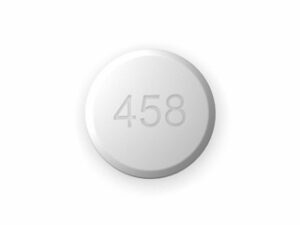
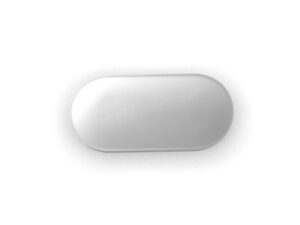
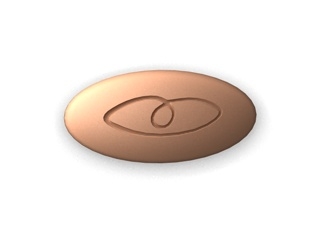
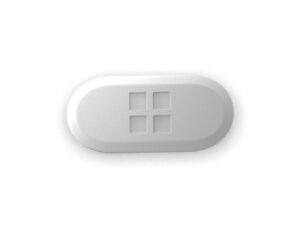
- Available strengths: Depending on local availability (commonly 30 mg, 60 mg, or 120 mg formulations; also oral suspension for children)
- Brand name: Allegra®
- Therapeutic category: Allergy and antihistamine
How it works (mechanism of action)
Fexofenadine is a selective H1-receptor antagonist. Histamine is a chemical released during allergic responses. By blocking H1 receptors, fexofenadine helps reduce symptoms such as:
- Sneezing
- Runny or blocked nose
- Itchy, watery eyes
- Itching and skin rash associated with hives
Because it is a second-generation antihistamine, it generally acts mainly in the body rather than strongly affecting the brain. This can mean less drowsiness for many people, though individual responses vary.
Pharmacokinetics (how the body handles it)
Understanding pharmacokinetics can help you time doses correctly and improve results. Key points for fexofenadine include:
- Absorption: Fexofenadine is absorbed from the gut after oral dosing.
- Peak effects: Effects usually begin within a couple of hours, with symptom relief often noticed fairly quickly.
- Food effects: Certain foods and juices (especially fruit juices) can reduce absorption—see the food interaction section below.
- Distribution: It is widely distributed in the body; limited penetration into the brain contributes to reduced sedation for many users.
- Metabolism & elimination: Fexofenadine is not extensively metabolised. It is mainly eliminated through the body’s natural clearance processes (including bile and urine).
- Kidney function matters: Reduced kidney function can increase exposure; dose adjustments may be needed.
Typical use
Allegra (fexofenadine) is commonly used for:
- Seasonal allergic rhinitis (hay fever): For symptoms such as sneezing, nasal congestion, itching, and watery eyes.
- Perennial allergic rhinitis: For ongoing allergies that occur throughout the year (depending on diagnosis and symptom pattern).
- Chronic idiopathic urticaria (hives): For itching and raised welts lasting six weeks or longer, without a specific trigger.
When to take it (timing and onset)
For best symptom control, many people take fexofenadine at a regular time each day. Timing can also influence absorption.
- Onset: Relief often starts within ~1–3 hours after a dose (varies between individuals and formulations).
- Daily schedule: Depending on the prescribed/pack instructions, dosing may be once daily or twice daily.
- Consistency: For hay fever, starting before peak exposure (when possible) may help manage symptoms more effectively.
- Hives: Regular dosing may be needed to keep itch and welts under control.
If your symptoms are not improving after a few days, check that dosing timing and food/juice exposure are correct, and consult a pharmacist for personalised advice.
Food interactions (important)
Food can affect how well fexofenadine is absorbed. To get consistent results:
- Avoid fruit juices: Grapefruit and orange juice (and some other fruit juices) may reduce absorption and effectiveness.
- Milk and typical meals: Normal food intake may not always be a problem, but heavy meals or certain foods can reduce absorption in some people. If you notice reduced effect after meals, consider taking it with water at a different time of day.
- Take with water: A simple approach is to take Allegra with a full glass of water.
Alcohol interactions
Fexofenadine is generally considered less sedating than older antihistamines, so it may be possible for some people to tolerate light alcohol. However, alcohol can still worsen dizziness or affect alertness in some individuals.
- Use caution: If you feel tired or unsteady, avoid alcohol.
- Driving/operating machinery: If you notice any drowsiness, dizziness, or blurred vision, do not drive or use tools/machinery.
If you have a condition that affects your balance, or you’re combining medicines that cause drowsiness, check with your pharmacist.
Interactions with other medicines
Drug interactions can occur when medicines affect absorption or elimination. Some interactions are particularly relevant for fexofenadine:
Medicines that may reduce fexofenadine absorption
- Antacids containing aluminium or magnesium: These can bind to fexofenadine and reduce its absorption. If you use an antacid, separate the doses by several hours (ask a pharmacist for the best spacing).
- Cholestyramine/other bile acid binders: May interfere with absorption. Separate dosing as advised by a pharmacist.
Medicines affecting the kidneys (clearance)
Because fexofenadine is eliminated through the body, kidney function can influence exposure. Inform your pharmacist if you have:
- Chronic kidney disease
- Any recent change in kidney function
- Use of medicines that affect kidney function
General advice
- Keep an up-to-date list of medicines and supplements.
- Ask a pharmacist if you take several medicines, especially for heart conditions, infections, or long-term therapy.
- Do not combine multiple antihistamines without advice.
Indications (what Allegra is used to treat)
Allegra (fexofenadine) is indicated for:
- Allergic rhinitis (including hay fever): relief of symptoms such as sneezing, runny nose, itching, and watery eyes.
- Chronic idiopathic urticaria (hives): relief of itching and welts.
If your symptoms include fever, severe facial pain, difficulty breathing, or wheezing, seek medical assessment promptly.
Dosing in Australia (general guidance)
Dose depends on age, the condition being treated, and the formulation you have. For accurate dosing, always follow the package directions or the advice provided by a pharmacist.
Common adult and adolescent dosing (may vary by product strength)
- Hay fever/allergic rhinitis: often taken once daily or twice daily depending on strength.
- Chronic hives: often taken once daily or divided dosing depending on the formulation and severity.
Children’s dosing
Children’s dosing is based on age and the specific product form (tablet vs oral suspension). Always use the measuring device provided for suspensions and confirm the dose with the pack.
Table: Typical dosing patterns (check your exact product pack)
| Condition | Typical dosing frequency | Notes |
|---|---|---|
| Allergic rhinitis (hay fever) | Often once daily or twice daily depending on strength | For best symptom control during allergy seasons, start early when possible. |
| Chronic idiopathic urticaria (hives) | Often once daily or twice daily depending on strength | Continue regular dosing as directed for sustained itch and welt relief. |
| Children | Depends on age and formulation | Use the child-appropriate strength and dosing instructions. |
Missed dose
If you miss a dose, take it when you remember if it’s not too close to the next dose. Do not take two doses at once to make up for a missed dose.
Special populations
- Kidney impairment: Dose may need adjustment. Speak with a pharmacist if you have kidney problems.
- Pregnancy and breastfeeding: Discuss with a healthcare professional for personalised guidance.
- Older adults: Consider kidney function and follow pack instructions; ask if unsure.
Safety profile (what to watch for)
Like all medicines, Allegra can cause side effects, although not everyone gets them. Most people tolerate fexofenadine well.
Common side effects
- Headache
- Nausea or stomach discomfort
- Dizziness
- Dry mouth
Less common / seek advice
- Rash, itching, or swelling
- Breathing difficulties or wheezing
- Severe dizziness, fainting
Emergency warning signs
Seek urgent medical help if you develop signs of a severe allergic reaction, such as:
- Swelling of the face, lips, tongue, or throat
- Trouble breathing
- Hives spreading rapidly with breathing symptoms
- Severe dizziness or collapse
Can you drive?
Fexofenadine is typically non-drowsy for many people, but individual sensitivity differs. If you feel alert and symptom-controlled, it may be safe to drive. If you feel drowsy or dizzy, avoid driving.
Practical use tips (get the most from Allegra)
- Use correct timing: Consistent daily dosing helps maintain symptom relief.
- Take with water: This supports absorption.
- Stay consistent with food: If avoiding fruit juice makes a difference for you, keep the routine steady.
- Manage triggers: For hay fever, reduce exposure (close windows during high pollen times, consider air filtration, wash hair after outdoor activity).
- For hives: Identify and avoid common triggers where possible (some foods, heat, pressure, stress), though chronic idiopathic urticaria may not have a clear trigger.
- Don’t double up: Avoid taking multiple antihistamines at the same time unless a pharmacist advises it.
- Review if symptoms persist: If symptoms continue beyond expected time, consult a pharmacist or doctor for a tailored plan.
Alternative options for allergy relief
If Allegra doesn’t fully control your symptoms, there are other options. Your pharmacist can recommend suitable alternatives based on your age, symptoms, and other medicines.
Other oral antihistamines
- Loratadine
- Desloratadine
- Cetirizine or levocetirizine (may cause more drowsiness for some people)
- Chlorpheniramine (an older antihistamine; higher chance of drowsiness)
Non-medicine approaches
- Saline rinses for nasal symptoms (where appropriate)
- Allergen avoidance measures
- Environmental adjustments (pollen control, dust mite reduction)
Other medication classes (depending on symptoms)
For nasal allergy symptoms, some people benefit from nasal corticosteroid sprays, while others may use combination approaches. Discuss options with a pharmacist, especially if symptoms are moderate to severe.
Australia market & legal context (overview)
In Australia, medicines are regulated under the Australian Therapeutic Goods Administration (TGA). Products containing fexofenadine are supplied under appropriate regulatory status, and consumer access is guided by safety and therapeutic use.
Allegra is widely available through retail pharmacies and online pharmacy services that comply with Australian requirements for medicine supply. Availability and the exact product format (tablet vs suspension) may vary by supplier and stock.
The medicine must be used according to the directions on the pack and in line with Australian consumer medicine information.
Recent guidance and practical considerations
Allergy management guidance commonly emphasises:
- Correct medicine choice: Matching the antihistamine to symptom pattern (nasal, eye, itch/urticaria).
- Avoiding reduced absorption: In particular, being cautious with fruit juices and antacids.
- Using medicines safely: Considering age, kidney function, pregnancy/breastfeeding, and interacting medicines.
- Escalation when needed: Seeking advice if symptoms are severe, persistent, or accompanied by alarm symptoms.
If you’re using Allegra alongside other allergy products (for example, eye drops or nasal sprays), it’s still a good idea to confirm compatibility with a pharmacist.
Delivery and availability (online pharmacy)
Allegra (fexofenadine) is generally available via online pharmacies that deliver to eligible Australian addresses. Delivery timelines depend on location and carrier services. Stock can vary, particularly during allergy peak seasons.
- Availability: Subject to pharmacist verification and product stock levels.
- Delivery: Typically includes standard and express options (availability varies by postcode).
- Packaging: Medicines are usually supplied in original manufacturer packaging.
- Temperature exposure: Store the product as directed on the pack and avoid leaving it in very hot or cold conditions.
If you have questions about the exact strength or formulation available, contact customer support for assistance before ordering.
Storage
- Store at or below the temperature stated on the pack.
- Keep in the original container to protect from moisture.
- Keep out of reach of children.
- Check expiry date before use; do not use after expiry.
FAQ — Allegra (Fexofenadine)
1) Will Allegra make me sleepy?
Many people experience little or no drowsiness with fexofenadine. However, individual reactions vary. If you haven’t taken it before, be cautious the first time and avoid driving or operating machinery if you feel sleepy or dizzy.
2) How quickly does Allegra work?
Symptom relief often begins within about 1–3 hours of a dose, depending on the person and the formulation. For ongoing allergy seasons or hives, regular daily use improves control.
3) Can I take Allegra with fruit juice?
It’s best to avoid fruit juices such as grapefruit and orange juice, as they can reduce absorption and make the medicine less effective. Water is usually the safest choice.
4) Can I take Allegra with antacids?
Some antacids (especially those containing aluminium or magnesium) may reduce absorption. Ask your pharmacist for recommended spacing, or consider taking Allegra at a different time of day.
5) What if my hives don’t improve?
If hives persist, worsen, or you’re needing doses more often than directed, seek pharmacist advice. Chronic hives can have complex triggers and sometimes require a stepwise adjustment of therapy.
6) Is Allegra suitable for children?
Children may use fexofenadine when appropriate formulations and doses are used. Always use the child-specific strength or oral suspension and follow the pack directions carefully. If unsure, ask a pharmacist.
7) Can I drink alcohol while taking Allegra?
Fexofenadine is not usually strongly sedating, but alcohol can still affect alertness. If you feel dizzy or unusually tired, avoid alcohol and do not drive.
8) Do I need to stop Allegra if I feel better?
For hay fever, stopping when symptoms are gone may be reasonable. For chronic hives, ongoing control may require continued dosing as advised. If you’re unsure how long to continue, discuss with a pharmacist.
9) Who should be extra careful?
People with kidney problems, those taking interacting medicines (such as certain antacids), and anyone who is pregnant or breastfeeding should seek advice before use.
10) What should I do if I miss a dose?
Take the missed dose when you remember if it’s not near the next scheduled dose. Don’t take double doses to compensate.
Summary
Allegra (fexofenadine) is an effective second-generation antihistamine for hay fever and chronic hives. It works by blocking histamine H1 receptors, helping reduce sneezing, itch, runny nose, watery eyes, and skin itching/welts. To get the best results, take it with water, be mindful of fruit juice and antacid interactions, and follow the dosing directions on the pack.