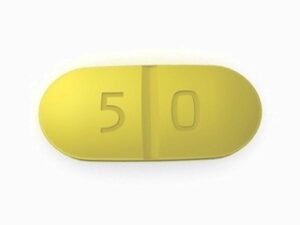
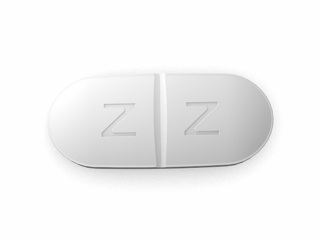
Nootropil (Piracetam) — Patient-Friendly Guide (Australia)
Nootropil is a brand name commonly used for piracetam, a medicine belonging to the class of compounds sometimes referred to as nootropics or cognitive enhancers. This page explains how piracetam works, what it’s used for, how to take it, and important safety considerations for people in Australia.
Always follow your healthcare professional’s advice. Information below is intended to help you understand the medicine and use it safely.
Quick Product Information
| Feature | Details |
|---|---|
| Medicine name | Nootropil (Piracetam) |
| Active ingredient | Piracetam |
| Medicinal class | Neurometabolic/cognitive-active agent (nootropic) |
| Common forms | Tablets and/or oral solution (varies by product/strength) |
| Typical dosing frequency | Often multiple times daily depending on the indication |
| Key safety notes | Use caution with kidney impairment, bleeding risk, and seizure disorders |
How Nootropil (Piracetam) Works
Piracetam is believed to support brain function through several mechanisms. While it does not work like standard stimulants, it may influence how neurons communicate and how the brain uses energy.
- Membrane and neuronal effects: Piracetam may help stabilise neuronal cell membranes and influence the function of receptors and ion channels.
- Improved microcirculation: It may affect blood flow at the microvascular level, which can contribute to overall brain perfusion.
- Metabolic support: Piracetam may support pathways involved in energy metabolism within brain cells.
- Synaptic transmission: It may modulate neurotransmission, potentially supporting cognitive processes.
The exact clinical benefit varies by individual and by the condition being treated. Many people notice effects (if any) gradually, rather than immediately.
Pharmacokinetics (How the Body Handles Piracetam)
Pharmacokinetics describes what the body does to a medicine—absorption, distribution, metabolism, and elimination. For piracetam, the key points are:
- Absorption: Piracetam is absorbed after oral administration. Food can slow absorption in some cases, but usually does not dramatically reduce overall exposure.
- Distribution: Piracetam distributes into body tissues, including the brain. It is not extensively bound to plasma proteins, which may contribute to its predictable behaviour.
- Metabolism: Piracetam is generally excreted largely unchanged, with minimal metabolism.
- Excretion: The kidneys play a major role. This is why dose adjustment may be needed in people with reduced kidney function.
- Half-life (conceptually): The drug’s duration depends on kidney function; with normal renal function, it typically persists long enough to support divided dosing schedules.
Typical Uses (Indications)
In practice, piracetam has been used for a range of cognitive and neurological conditions in some countries and clinical contexts. In Australia, availability and prescribing practices depend on local regulatory status and clinical judgement.
Potential indications may include:
- Cognitive impairment associated with certain neurological conditions
- Memory and attention support when clinically appropriate
- Neurological support in selected contexts (e.g., conditions where a clinician considers piracetam)
If you’re using piracetam for cognitive symptoms (such as “brain fog” or reduced concentration), it is important to discuss your goals with a healthcare professional. Underlying causes—sleep issues, depression, thyroid problems, medication side effects, vitamin deficiencies, or other neurologic issues—may need assessment.
Dosing: How to Take Nootropil (Piracetam)
Dosing depends on the indication, your age, and especially your kidney function. Doses used in clinical practice may vary widely. This section provides general guidance on typical dosing patterns but does not replace personalised advice.
- Start low and monitor: Many people begin at a lower dose and adjust based on tolerability and response.
- Divided dosing: Because dosing is often multiple times daily, spacing doses can help maintain steadier effects.
- Kidney function matters: If you have any kidney impairment, your clinician may reduce the dose or extend the interval.
Typical dosing schedules (general examples):
- Common adult ranges: 1,200 mg to 4,800 mg per day in divided doses are sometimes used in clinical contexts.
- Small incremental adjustments: If changes are needed, they are often made gradually (for example, every few days to weeks).
Important: Exact dosing should be confirmed with a healthcare professional or according to the product’s local instructions. If you are purchasing from an online pharmacy, ensure the strength and dosage form match what you intend to take.
Timing: When to Take It (and How Long It Takes to Work)
Many people ask when they should take piracetam and how quickly they might feel changes. Responses vary depending on the person and the reason for taking it.
- Daytime vs evening: Because some people experience mild activation (e.g., feeling more alert), many prefer to take doses earlier in the day.
- Spacing doses: If taking multiple doses, spacing them evenly can help maintain consistent levels.
- Trial period: For cognitive goals, it can be reasonable to monitor over several weeks rather than expecting an immediate “one dose” effect.
Practical example: If your total daily dose is divided into three doses, taking them with breakfast, midday, and early evening may reduce the chance of sleep disruption.
Food Interactions and Absorption
Food can influence how quickly piracetam is absorbed. In many cases, taking piracetam with or without food is acceptable, but your comfort and consistency matter.
- With food: May be easier on the stomach for some people and may slow absorption.
- Without food: May be absorbed a bit faster for some individuals.
To reduce variability, consider taking piracetam at the same times and with the same routine each day. If you notice stomach upset, switching to “with meals” may help.
Alcohol and Medicine Interactions
Alcohol
There is no universal rule that “alcohol must be avoided” with piracetam; however, alcohol can worsen sleep quality, impair concentration, and increase the risk of dizziness or side effects for some individuals. For cognitive goals, alcohol may undermine the intended benefit.
- Practical approach: If you choose to drink alcohol, do so cautiously and avoid combining alcohol with missed meals or poor sleep.
- Watch for additive effects: If you feel unsteady, unusually drowsy, or more irritable than usual, avoid alcohol.
Interactions with other medicines
Piracetam has a relatively straightforward metabolism profile (generally excreted unchanged), but interactions can still occur based on kidney clearance, bleeding risk, and your overall medical picture.
Discuss with a clinician or pharmacist if you take any of the following:
- Medicines that increase bleeding risk (e.g., anticoagulants such as warfarin; antiplatelet medicines such as aspirin/clopidogrel)
- Medicines that affect the nervous system (e.g., sedatives, anticonvulsants), particularly if you have seizure risk
- Thyroid hormones or related treatments (some clinicians monitor for nervous system effects)
- Medicines requiring kidney dosing adjustments (because piracetam is cleared by the kidneys)
Your pharmacist can check your specific regimen. If you are taking multiple medicines, keeping an updated list is useful.
Safety Profile: Side Effects and Precautions
Most medicines have potential side effects. Many people tolerate piracetam well, but reactions vary. Below are commonly reported issues and key precautions.
Common or possible side effects
- Headache
- Nausea or stomach discomfort
- Restlessness or increased alertness
- Dizziness (uncommon, but possible)
- Sleep disturbance if taken late in the day
Serious but less common risks
Seek urgent medical advice if you experience symptoms that could indicate a serious reaction, such as:
- Allergic reactions (swelling of face/lips, rash, wheezing, difficulty breathing)
- Unusual bleeding or bruising
- Seizure activity or a marked change in neurological symptoms
Who should use caution
- Kidney impairment: Because piracetam is largely cleared by the kidneys, dosing may require adjustment.
- History of seizures: Use caution and discuss with a clinician—any change in nervous system symptoms should be reported.
- Bleeding disorders or concurrent anticoagulant/antiplatelet therapy: Your clinician may monitor for bleeding risk.
- Pregnancy and breastfeeding: Safety data may be limited—discuss risks and benefits with a healthcare professional.
Practical Use Tips (Getting the Most from Your Routine)
- Use a consistent schedule: Take doses at the same times each day to reduce fluctuations.
- Consider your sleep: If you notice insomnia or vivid dreams, shift doses earlier.
- Track outcomes: If you take piracetam for cognitive symptoms, keep a simple diary (sleep, stress, focus) for 2–4 weeks.
- Stay hydrated: Dehydration can worsen headaches and dizziness.
- Be cautious with “stacking”: If combining with other supplements or stimulants, increase one at a time and monitor effects.
- Don’t abruptly stop if you’re on higher doses: If you plan to discontinue, discuss with your clinician—especially after long-term use.
Alternative Options (If Piracetam Isn’t Right for You)
Alternatives depend on your goal (e.g., memory support, post-injury rehabilitation, neurocognitive symptoms, or general wellbeing). Consider discussing evidence-based options with a healthcare professional.
Other approaches commonly considered
- Evidence-based cognitive support: treating underlying causes such as sleep apnoea, depression/anxiety, or thyroid disorders
- Optimising sleep and stress: consistent sleep schedule, limiting late caffeine, stress management
- Medication review: checking for side effects from current prescriptions
- Supplements (cautious consideration): some people explore options such as omega-3s or B vitamins if deficient—always check interactions
Your pharmacist can suggest what’s suitable and safe based on your medical history and current medicines.
Market and Legal Context in Australia (Important)
Medicine availability and classification can change. In Australia, medications are regulated under the Therapeutic Goods Administration (TGA) framework. Some piracetam products may not be available in the same way across all states or may be supplied via specific pathways depending on status.
- Check product listing: Ensure the item you purchase matches the exact active ingredient and dosage form shown on the website.
- Quality and authenticity: Choose reputable suppliers and verify packaging details and batch information where available.
- Clinical guidance: For any medical condition, professional advice remains important—especially if symptoms are new, severe, or worsening.
Because medicine regulation and guidance can evolve, it’s wise to review the current product status and supplier information.
Recent Guidance and Monitoring Considerations
In recent years, patient-focused guidance for medicines in Australia has increasingly emphasised:
- Accurate ingredient information on labels and listings
- Risk screening (e.g., kidney function, bleeding risk, and interacting medicines)
- Monitoring for side effects and stopping if adverse reactions occur
- Avoiding unnecessary polypharmacy—using only what’s needed and checking interactions
If you’re taking piracetam as part of a broader regimen, ask your pharmacist to review your medicines and supplements for interaction risks.
Delivery and Availability (Australia)
Availability and dispatch times depend on stock levels, product strength, and supplier sourcing. When ordering online, you can generally expect:
- Processing time: Orders may take a short period to prepare before shipping.
- Shipping timeframe: Delivery estimates vary by location (metro vs regional/remote areas).
- Cold-chain considerations: Piracetam tablets/standard oral products typically do not require refrigeration unless specified.
- Order tracking: Many pharmacies provide tracking once your parcel is dispatched.
To ensure safe delivery, store the medicine as directed on the packaging (typically in a cool, dry place, out of reach of children). If you receive damaged packaging, do not use the product—contact the supplier.
How to Store and Handle Nootropil
- Store at room temperature unless the label states otherwise.
- Keep in original packaging to protect from moisture and to identify the batch/expiry.
- Keep out of reach of children.
- Check expiry date before use.
FAQ: Nootropil (Piracetam)
1) What is Nootropil used for?
Piracetam (Nootropil) has been used in clinical contexts for cognitive and neurological concerns. The most appropriate use depends on your medical history and the reason it’s recommended.
2) How quickly will I feel effects?
Some people notice changes gradually over days, while others may require several weeks to judge benefit (if any). Sleep quality and stress levels can also affect how you feel.
3) Can I take Nootropil with food?
Yes, many people take piracetam with food to improve comfort. Food may affect absorption speed, but usually not overall effectiveness.
4) Is it safe to drink alcohol while taking piracetam?
Moderate alcohol may not be strictly contraindicated for everyone, but it can reduce sleep quality and worsen concentration or dizziness. For best cognitive outcomes, consider limiting alcohol.
5) Does piracetam interact with my medicines?
Potential interactions depend on what you take, especially medicines that affect bleeding risk, medicines cleared by the kidneys, and medications that influence the nervous system. Ask your pharmacist to check your specific list.
6) What should I do if I miss a dose?
Take the missed dose when you remember unless it’s close to your next scheduled dose. Do not double up. If you’re unsure, ask a pharmacist for advice.
7) Who should avoid or use extra caution?
Extra caution is important if you have kidney impairment, a history of seizures, bleeding disorders, or if you take anticoagulants/antiplatelet medicines. Discuss your situation with a healthcare professional.
8) Can I take piracetam if I’m pregnant or breastfeeding?
Safety data may be limited. Discuss risks and benefits with a healthcare professional before using.
9) How should I store Nootropil?
Keep it in a cool, dry place at room temperature (unless label instructions differ), in the original packaging, and out of reach of children.
10) Are there alternatives to piracetam?
Depending on your goal, alternatives may include lifestyle and sleep optimisation, evaluation and treatment of underlying causes, medication review, or other therapies discussed with a clinician.
Disclaimer: This information is intended for general education and should not replace advice from a qualified healthcare professional. If you have symptoms, medical conditions, or concerns about interactions, seek professional guidance.