Namenda (Memantine) – Patient Information
Namenda is the brand name for memantine, a medicine used to treat symptoms of moderate to severe Alzheimer’s disease. It belongs to a group of medicines that act on brain signalling pathways involved in memory, thinking, and learning.
This page is designed to explain how Namenda works, how it is typically used, what to expect, and important safety considerations for people in Australia.
1) Basic product information
- Active ingredient: Memantine
- Brand name: Namenda
- Medicine type: NMDA receptor antagonist (glutamate-modulating medicine)
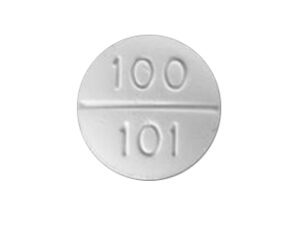
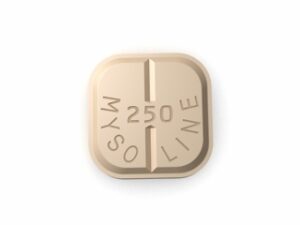
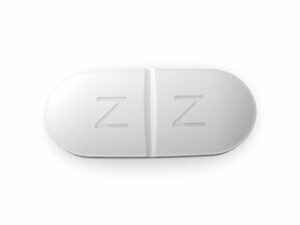
- Common form: Tablets and/or capsules (depending on the specific product in the market)
- Who it’s for: People with Alzheimer’s disease symptoms, commonly in moderate to severe stages
Note: Product strengths and formulations can vary. Always check the packaging for the exact strength and directions that apply to your product.
2) How Namenda works (mechanism of action)
In Alzheimer’s disease, brain cells may become overstimulated by a chemical messenger called glutamate. Glutamate communicates through receptors in nerve cells. Overactivity of certain glutamate receptors—specifically the NMDA receptors—may contribute to symptoms such as confusion, difficulty thinking clearly, and worsening daily functioning.
Memantine helps by blocking NMDA receptors in a way that:
- Can reduce overstimulation of brain signalling
- Supports more balanced neurotransmission
- May help improve or stabilise symptoms in some people
It is important to understand that Namenda typically helps manage symptoms. It does not “cure” Alzheimer’s disease.
3) Typical use and what it can help with
Namenda is used to treat symptoms associated with Alzheimer’s disease, particularly in moderate to severe stages. Symptoms that may be targeted include problems with:
- Memory and learning
- Attention and ability to concentrate
- Language and ability to find words
- Day-to-day functioning (such as managing routines)
What to expect: People usually benefit gradually over weeks to months. Some people may notice stabilisation (slower decline), while others may experience smaller or no noticeable improvements. Response can vary widely.
4) Indications in Australia (what it’s used for)
In Australia, memantine-containing products are used in the treatment of moderate to severe Alzheimer’s disease, typically as part of an overall care plan that may also include other therapies and supportive services.
Your healthcare professional may consider memantine when:
- Alzheimer’s disease has progressed to a stage where symptoms are impacting daily life
- Other therapies are considered alongside (for example, for mild to moderate stages) depending on overall treatment goals
5) Dosing – how it’s commonly started
Important: Dose titration schedules can depend on the exact product formulation and the strength available. Always follow the specific instructions on your medicine label or advice from your clinician.
Typical approach (titration): Memantine is commonly started at a low dose and increased gradually to reduce side effects, such as dizziness or confusion. A slow ramp-up helps the body adjust.
General example of stepwise titration (may vary):
| Time | Example daily dose (one common schedule) | Notes |
|---|---|---|
| Week 1 | 5 mg once daily | Start low to assess tolerance |
| Week 2 | 5 mg twice daily | Increase only if tolerated |
| Week 3 | 10 mg in the morning + 5 mg in the evening | Further titration |
| Week 4 | 10 mg twice daily | Typical target dose for many formulations |
Once a target dose is reached: Many people take memantine once or twice daily depending on the formulation. Maintain consistent timing each day.
If you miss a dose, do not double to make up for it. Instead, take the next dose at the usual time unless a pharmacist/clinician advises otherwise.
6) Timing – best practices for taking Namenda
Memantine can generally be taken with or without food. Many people find it easiest to:
- Take it at the same times each day (habit improves adherence)
- Choose a routine that fits with daily activities and other medicines
- Use a pill organiser or reminders, especially during titration
If you take it twice daily: Try to space doses evenly (for example, morning and evening). This may help reduce fluctuations in blood levels.
7) Food interactions
Memantine has no major food restriction for most people. Food does not typically prevent absorption. However, some practical considerations include:
- Take consistently: If you normally take it with breakfast, take it that way regularly.
- Stay hydrated: Adequate fluid intake can support kidney function, which is important for memantine clearance.
Urine pH can matter: Memantine is eliminated in part by the kidneys, and clearance can be affected by changes to urine acidity. Some diets and medicines may shift urine pH. For most people eating normally, this is unlikely to be a major issue, but it becomes relevant if you are given medications that significantly change urine pH (see “medicine interactions”).
8) Alcohol interactions
It’s best to approach alcohol with caution. Alcohol can:
- Increase dizziness or drowsiness
- Worsen confusion or impair balance
- Increase the risk of falls, particularly in older adults
Practical advice: If you choose to drink alcohol, do so sparingly and observe how you feel. Avoid binge drinking. If you notice increased unsteadiness or mental changes after alcohol, discuss this with your healthcare professional.
9) Medicine interactions (including common categories)
Memantine can interact with other medicines, particularly those that affect kidney function, urine pH, or certain brain chemistry pathways.
Tell your healthcare professional or pharmacist about all medicines and supplements you use, including over-the-counter products.
Common interaction themes
- Medicines that affect urine pH (kidney clearance may change):
- Some drugs used for stomach acid problems or urinary conditions may alter urine acidity
- Changes in urine pH can affect how much memantine stays in your body
- Medicines that may affect renal elimination:
- Any medicine that changes kidney function can influence memantine levels
- Dehydration can also affect kidney performance
- NMDA-related medicines:
- Other medicines that act on NMDA receptors or have similar effects may increase the risk of side effects
- Other medicines for dementia:
- Some people are treated with multiple cognitive medicines depending on stage and clinical judgement
Examples of categories to discuss
- Anti-cholinergic medicines (some may affect cognition and balance)
- Kidney-related medications
- Medicines for gout or urine conditions that affect urine chemistry
- Any sedatives or medicines that increase drowsiness (to reduce fall risk)
Always verify specific interactions with your pharmacist—interaction risk depends on the individual medicines, doses, and kidney function.
10) Pharmacokinetics – how the body absorbs and clears memantine
Understanding pharmacokinetics can help explain dosing and why kidney function matters.
Absorption
- Memantine is absorbed after oral dosing.
- Food typically does not significantly reduce absorption for most people.
Distribution
- Memantine distributes throughout the body, including the brain.
Metabolism and elimination
- Memantine is primarily eliminated by the kidneys.
- Because kidney clearance is involved, renal impairment may require dose adjustment.
- Urine pH may influence elimination (more alkaline urine can reduce clearance).
Half-life (general concept)
- Memantine has a relatively long duration in the body, supporting once or twice daily dosing depending on formulation.
Kidney health matters: If you have reduced kidney function, the dose may need to be adjusted and side effects monitored more closely.
11) Safety profile – side effects and when to seek help
Most people tolerate memantine reasonably well, especially when doses are increased gradually. However, like all medicines, it can cause side effects.
Common or noticeable side effects
- Dizziness
- Headache
- Constipation
- Sleepiness or fatigue
- Confusion or agitation (may occur in some individuals)
Less common but important side effects
- Balance problems or increased risk of falls
- Allergic-type reactions (seek urgent advice)
- Worsening neurological symptoms (requires medical review)
Seek urgent help if
- You experience signs of a serious allergic reaction (such as facial swelling, trouble breathing, or widespread rash)
- Severe confusion, fainting, or marked inability to stay awake occurs
- Symptoms rapidly worsen after starting or increasing the dose
Stop and seek advice: If you suspect a severe reaction, contact local emergency services or your healthcare provider immediately.
12) Practical use tips (to get the best outcomes)
Using memantine safely and effectively often involves more than just taking the tablet. Here are practical strategies:
- Follow the titration plan: Increasing too quickly can increase side effects.
- Use reminders: Alarms or pill organisers can help, especially for caregivers and families.
- Monitor for dizziness: If you feel unsteady, sit before standing. Take care with stairs.
- Check kidney health: People with kidney impairment may need slower dose increases or lower target doses.
- Keep a simple symptom journal: Note sleep, appetite, confusion, and behavioural changes, especially during the first month.
- Hydration matters: Dehydration can worsen kidney function and may increase side effects.
Caregiver tip: If the person you care for becomes more confused after dose changes, contact a pharmacist or clinician promptly—sometimes the dose schedule needs adjustment.
13) Missed dose and overdose information
If you miss a dose
- Take it when you remember if it’s close to the next scheduled time.
- If it’s almost time for the next dose, skip the missed one.
- Do not double doses unless instructed by a healthcare professional.
Overdose (general guidance)
Taking more than the prescribed amount can be dangerous. If an overdose is suspected, seek urgent medical advice immediately and contact a poison information service or emergency services.
14) Alternative options
Depending on stage, symptoms, and individual medical history, alternative medicines may be considered.
Other medicines commonly used in Alzheimer’s disease
- Cholinesterase inhibitors (for mild to moderate disease and sometimes alongside other treatments)
- Combination approaches may be used in certain cases under clinical guidance
Non-medicine supports that can complement treatment
- Cognitive stimulation and routine-based activities
- Sleep support strategies
- Speech and occupational therapy where appropriate
- Caregiver education and behaviour management techniques
It’s best to discuss options with a clinician, because the best approach depends on diagnosis, severity, comorbidities, and tolerability.
15) Pharmacist-led considerations for the Australian market
In Australia, medicines are regulated to support safe supply and quality. Key points for consumers include:
- Medicines are listed in Australian medicines information resources and must meet manufacturing and quality standards.
- Some dementia medicines may be subsidised under Australian schemes, depending on eligibility and current listing arrangements.
- Brand and generic availability can affect price and packaging, but the active ingredient remains the same for generics.
Recent guidance: Dementia care guidance in Australia continues to emphasise early diagnosis, person-centred care, monitoring of medication benefits and side effects, and regular review of treatment plans. Clinical teams may review ongoing need for therapy and adjust dosing based on function and tolerability.
Always review: As kidney function and overall health can change over time, periodic medication review is important for ongoing safety.
16) Delivery and availability in Australia
Online pharmacies in Australia may offer delivery to eligible addresses within Australia. Availability of Namenda can vary based on:
- Stock levels at different times
- Specific strength and formulation (tablets/capsules)
- Whether you’re purchasing a brand or a generic equivalent (where applicable)
Delivery expectations: Delivery times depend on the provider, location, and dispatch schedules. Many pharmacies provide tracking and a confirmation email once your order ships.
Packaging and storage: Keep tablets/capsules in their original packaging. Store as directed on the label (commonly at room temperature and away from moisture).
17) Safety and legal notes (important for consumers)
- Only use memantine products that match your required strength and formulation.
- Keep medicines out of reach of children.
- Do not share your medicine with others.
- If you are in aged care or supported living, ensure the facility follows prescribed administration and monitoring protocols.
18) FAQ – Frequently asked questions
How long does Namenda take to work?
Some people notice benefits gradually. It may take several weeks (and sometimes longer) after starting or adjusting the dose to see changes in symptoms such as attention, behaviour, or daily functioning.
Can Namenda be taken with other dementia medicines?
Often, people may be treated with more than one type of cognitive medicine depending on clinical assessment. It’s important to confirm the safest combination for your specific health situation with your pharmacist or clinician.
Does memantine cause drowsiness?
Some people experience fatigue or sleepiness. If you feel drowsy or dizzy, be careful with driving, operating machinery, or walking on uneven ground. Fall prevention is especially important.
What if I have kidney problems?
Because memantine is cleared by the kidneys, reduced kidney function may require dose adjustment and closer monitoring. Discuss your kidney status with a healthcare professional.
Is it safe to drink alcohol while taking Namenda?
Alcohol can increase dizziness and confusion. If you drink, keep it modest and monitor how you feel. Avoid heavy drinking, especially if you are prone to falls or have balance issues.
What happens if I miss a dose?
Take it when you remember if it’s not too close to the next dose. Otherwise skip the missed dose and continue at your usual schedule. Don’t double up.
Can I take Namenda with food?
Yes. Memantine can usually be taken with or without food. The key is to take it consistently each day.
Are there any signs that my dose is too high?
Possible signs include troublesome dizziness, increased confusion, significant sleepiness, or worsening balance. If these occur, contact a pharmacist or clinician—dose adjustments may be needed.
Are there alternatives to memantine?
Depending on your diagnosis and stage, other dementia medicines may be considered (such as cholinesterase inhibitors) and non-medicine supports may also help. Your healthcare professional can tailor options based on your needs.
How should it be stored?
Store memantine in its original packaging and follow label directions. Keep away from moisture and heat, and out of reach of children.
19) Summary
Namenda (memantine) is a medicine used to help manage symptoms of moderate to severe Alzheimer’s disease. By reducing overstimulation of NMDA receptors, it may help support memory, thinking, and daily functioning for some people. Because memantine is cleared largely by the kidneys, dose adjustments may be needed in renal impairment. Side effects such as dizziness or fatigue are typically managed with gradual dose titration and careful monitoring.
If you have questions about dosing, interactions, or side effects, speak with a pharmacist or healthcare professional—support is available to help you use your medicine safely and confidently.