Flavoxate HCl (Flavoxate Hydrochloride) — Patient Information (Australia)
Flavoxate HCl is a medicine used to help relieve symptoms related to bladder spasms and certain urinary discomforts. It works by acting on the bladder to reduce involuntary contractions, which can lead to urgency, frequency, and discomfort.
This page provides general information to help you understand how flavoxate hydrochloride is used, how it works, and what to consider for safe use. Always follow the instructions provided with your product and ask your pharmacist if you are unsure.
Basic Product Information
| Item | Details |
|---|---|
| Generic name | Flavoxate hydrochloride (often written as “Flavoxate HCl”) |
| Common use | Helps relieve bladder spasms and urinary urgency/frequency symptoms |
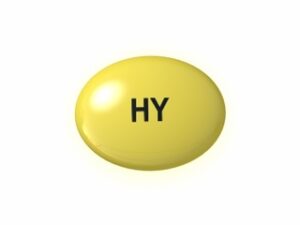
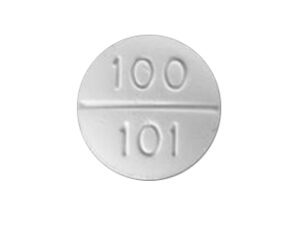
| How it is taken | Usually tablets or capsules (product strengths can vary) |
| Therapeutic category | Antispasmodic for urinary tract symptoms (bladder antispasmodic) |
| Availability | Availability may vary by brand and supplier in Australia; check listings for current options |
How Flavoxate HCl Works (Mechanism of Action)
Flavoxate helps reduce symptoms caused by bladder muscle spasm. These spasms can produce a sudden urge to urinate, increased frequency, or discomfort associated with urinary tract irritability.
While the exact biochemical pathways can vary between sources, the overall clinical effect is that flavoxate:
- Acts on the urinary tract to lessen involuntary bladder contractions (spasms)
- Helps ease irritative urinary symptoms such as urgency and frequency
- May reduce discomfort related to bladder spasm
It’s important to note that flavoxate is focused on bladder symptoms. If your symptoms are due to infection or a structural problem, you will need different evaluation and treatment.
Pharmacokinetics (What the Body Does With It)
“Pharmacokinetics” describes how the body absorbs, distributes, metabolises, and eliminates a medicine.
- Absorption: Flavoxate is absorbed after oral administration.
- Metabolism: It is metabolised mainly in the body (primarily in the liver).
- Excretion: Metabolites are largely excreted via the kidneys (in urine).
- Onset and duration: Many people notice symptom improvement within the first day of use, though the degree and timing can vary depending on the individual and the underlying cause of symptoms.
If you have kidney or liver problems, your prescriber and/or pharmacist may recommend extra caution or an adjusted approach.
Typical Use and Indications
Flavoxate HCl is used to manage urinary symptoms associated with bladder spasms, including:
- Bladder spasm or bladder irritability
- Urinary urgency (a sudden, hard-to-delay need to urinate)
- Increased urinary frequency
- Urinary discomfort related to spasm/irritation
Not all “cystitis-like” symptoms are the same. Flavoxate is not a treatment for bacterial urinary tract infection (UTI) on its own. If you have signs that may suggest infection (for example, fever, flank pain, burning that’s worsening, or blood in urine), seek medical advice promptly.
Dosing — How to Take Flavoxate HCl
Dosing depends on the specific product strength and your personal situation. Follow the directions on the pack or the advice from your pharmacist.
Common adult dosing pattern (general information):
- Typically taken several times daily to maintain symptom relief (frequency depends on the product strength).
- Swallow tablets/capsules whole with water.
Important: Do not exceed the recommended dose stated on the product label. If you miss a dose, take it as soon as you remember unless it is close to the time for the next dose—then skip the missed dose.
Timing
- Try to take flavoxate at regular intervals during the day for more consistent symptom control.
- Some people find symptoms are better controlled when doses are spaced evenly across waking hours.
- If your symptoms are worst at night, take your doses according to the schedule provided on the pack (do not increase your dose without advice).
When to Use and How Long to Try It
Flavoxate is most helpful when symptoms are due to bladder spasm/irritability. If your symptoms are improving, you may continue for the duration recommended by the product instructions or pharmacist guidance.
Seek urgent medical advice if symptoms are severe, rapidly worsening, or you develop:
- Fever or chills
- Back/flank pain
- Blood in urine
- Symptoms in pregnancy or in young children
- New inability to urinate
Food Interactions and Eating Tips
In many cases, flavoxate can be taken with or without food. However, product instructions may vary by brand.
General practical guidance:
- If the medicine upsets your stomach, take it with food.
- Use a consistent routine (e.g., always with meals) to help you remember doses.
If you are unsure whether your specific brand should be taken with food, check the pack or ask your pharmacist.
Alcohol and Medicine Interactions
Alcohol
Alcohol may worsen urinary symptoms for some people and can also increase the risk of side effects such as dizziness or drowsiness (depending on individual sensitivity and other medicines).
- Limit or avoid alcohol while taking flavoxate, especially if you notice you feel light-headed.
Other Medicines
Flavoxate may interact with certain medicines, particularly those that also affect bladder function, the nervous system, or cause anticholinergic-type effects.
Tell your pharmacist if you take:
- Other medicines for bladder symptoms (e.g., anticholinergics)
- Medicines that cause dizziness or drowsiness
- Any medicines that affect urination or have antispasmodic effects
- Herbal or complementary products (including those for urinary health)
Always check the product label and consult a pharmacist if you are taking multiple medicines.
Safety Profile and Possible Side Effects
Most people tolerate flavoxate well, but like all medicines it can cause side effects. Many side effects are mild and settle as your body adjusts.
Common or less serious side effects
- Headache
- Dizziness or light-headedness
- Nausea or stomach upset
- Dry mouth (reported by some people)
Seek urgent medical advice if you experience
- Swelling of the face, lips, tongue, or throat
- Breathing difficulties or wheezing
- Severe rash or hives
- Fainting or severe weakness
When extra caution is recommended
- Glaucoma or eye conditions (some bladder medications can worsen eye pressure—ask a pharmacist)
- Urinary retention or difficulty passing urine
- Severe liver or kidney disease
- Older adults who are more sensitive to side effects
Stop use and seek advice if side effects are troublesome or persistent.
Practical Use Tips for Better Results
- Confirm the pattern of symptoms: If symptoms are triggered by cold, stress, or bladder irritants, flavoxate may help when bladder spasm/irritability is the driver.
- Stay hydrated: Adequate fluid intake can help reduce irritation for many people (unless you’ve been advised to restrict fluids).
- Avoid common bladder irritants: Reduce caffeine, carbonated drinks, and spicy/acidic foods if they make symptoms worse.
- Use good bladder habits: Don’t “hold” urine for long periods; consider timed toileting.
- Track improvement: If you don’t notice any benefit after several days, or if symptoms worsen, seek advice rather than continuing indefinitely.
- Watch for infection signs: Burning on urination, fever, cloudy or foul-smelling urine, or blood in urine may indicate infection or another issue.
Alternative Options (Depending on the Cause)
Treatment of urinary symptoms depends on the underlying cause. If you’re considering alternatives to flavoxate, it can help to think in categories:
- If infection is suspected: urinary tract infection may require antimicrobial treatment and a medical assessment.
- If overactive bladder is suspected: other bladder symptom medicines may be used (your pharmacist can explain options).
- If bladder pain syndrome/interstitial cystitis is suspected: a different approach may be needed (diet, bladder training, and specialist care).
- Non-medicine strategies: bladder training, pelvic floor exercises, and reducing irritants can help some people.
Ask your pharmacist about suitable options in Australia based on your age, other conditions, and symptom pattern.
Market and Legal Context for Australia
In Australia, medicines are regulated under the Therapeutic Goods Administration (TGA) framework. Availability and classification (for example, whether a product is pharmacy-only or otherwise) can differ by brand and strength.
For online purchasing, reputable suppliers follow Australian requirements for legitimate supply and may provide product information consistent with the approved indications and consumer medicines information. Always confirm you are ordering from a compliant source.
Consumer notes:
- Check the active ingredient and strength on the product label.
- Ensure the product is intended for use in Australia and has appropriate packaging and instructions.
- If you have any health conditions or take other medicines, consult a pharmacist before starting.
Recent Guidance and Monitoring (General)
Guidance for urinary symptoms commonly emphasises that:
- Symptoms should be assessed for possible causes such as infection, stones, or other urinary conditions.
- Self-management is appropriate for mild, uncomplicated symptoms when appropriate products are used as directed.
- People should seek medical advice if symptoms persist, worsen, or are accompanied by red-flag features (fever, back pain, blood in urine, or inability to urinate).
Because medical recommendations can change and vary with individual circumstances, the safest approach is to check the latest product information with your pharmacist or consult credible health resources if you’re unsure.
Delivery and Availability in Australia
Availability of flavoxate HCl can vary depending on brand, pack size, and supplier. When offered for online purchase, orders are typically processed and dispatched in line with Australian wholesaling and delivery standards.
What to expect when ordering online:
- Product verification: the listing should clearly show the active ingredient and strength.
- Packaging: the medicine should arrive in its original packaging with consumer information.
- Delivery times: vary by location and courier service; check the website’s delivery estimates.
- Cold-chain: not usually required for flavoxate tablets/capsules (unless a specific brand requires it—rare).
If you need the medicine urgently, contact customer support for the most accurate delivery timelines.
FAQ: Flavoxate HCl
1. What is flavoxate HCl used for?
Flavoxate HCl is used to help relieve urinary symptoms associated with bladder spasms or bladder irritability, such as urgency, frequency, and discomfort.
2. How quickly does it work?
Some people notice improvement within the first day, but results vary. If symptoms do not improve after a few days or worsen, seek advice.
3. Can I take it with food?
Many brands can be taken with or without food. If you experience nausea or stomach upset, taking it with food may help. Always check your product label for brand-specific instructions.
4. Can I drink alcohol while taking flavoxate?
It’s best to limit alcohol while using flavoxate. Alcohol can worsen symptoms for some people and may increase the chance of side effects like dizziness.
5. Is flavoxate the same as a UTI antibiotic?
No. Flavoxate treats bladder spasm symptoms. If your symptoms are due to a bacterial infection, you may need different assessment and treatment.
6. What side effects should I watch for?
Common side effects may include headache, dizziness, nausea, or dry mouth. Seek urgent help for signs of allergy such as swelling, hives, or breathing difficulties.
7. Who should use extra caution?
People with certain medical conditions (such as glaucoma), those prone to urinary retention, and anyone with significant liver or kidney problems should speak with a pharmacist before use.
8. What if I miss a dose?
Take it when you remember unless it’s close to the next dose. Do not double up to make up for a missed dose.
9. When should I seek medical advice urgently?
Get urgent medical help if you develop fever, back/flank pain, blood in urine, severe worsening symptoms, pregnancy-related concerns, or inability to urinate.
10. Can I use it long-term?
Use it according to the product instructions and pharmacist advice. If symptoms persist or keep returning, it’s important to identify the underlying cause rather than continue without review.
Summary
Flavoxate HCl is a urinary antispasmodic used to relieve symptoms related to bladder spasms and bladder irritability, including urgency and frequency. For best results, take it as directed, consider taking doses at consistent times, reduce potential irritants (including alcohol), and seek medical advice if symptoms indicate infection or another urgent condition.
If you want, tell me the brand strength you’re considering (e.g., tablet/capsule mg) and your main symptoms, and I can help you understand how to read the label and plan a safe dosing schedule based on the manufacturer instructions.