
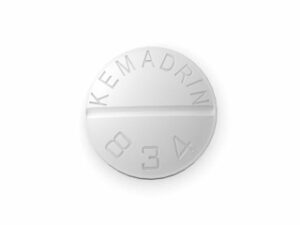
Isordil (Isosorbide dinitrate) – Patient Information (Australia)
Isordil contains isosorbide dinitrate, a medicine used to treat certain heart conditions where improving blood flow to the heart muscle is important. It belongs to a group of medicines called nitrates. This guide explains how Isordil works, how it’s typically used, timing considerations, interactions (including alcohol), common safety information, and practical tips to help you use it more comfortably.
This information is designed to help you understand your medicine. Always follow the instructions provided with your medicine and your healthcare professional’s advice.
Quick Facts
- Active ingredient: Isosorbide dinitrate
- Medicine class: Nitrate (antianginal/vasodilator)
- Common uses: Prevention and relief of angina (chest pain due to reduced blood flow to the heart)
- How it helps: Widens blood vessels and reduces the heart’s workload
- Common side effects: Headache, dizziness, flushing, low blood pressure
Basic Product Information
| Category | Information |
|---|---|
| Brand | Isordil |
| Generic name | Isosorbide dinitrate |
| Therapeutic use | Angina (heart-related chest pain); prevention of episodes |
| How it works | Nitrate that releases nitric oxide, relaxing smooth muscle in blood vessels |
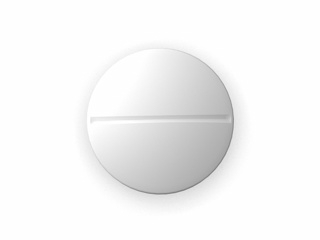
| Typical route | Oral (tablets) |
| Formulations | Available in different tablet strengths depending on local supply |
How Isordil Works (Mechanism of Action)
Isosorbide dinitrate is a nitrate medicine. In the body, it is converted into nitric oxide, which helps relax blood vessels. This relaxation leads to:
- Vein dilation: reduces “preload” (the amount of blood returning to the heart), helping lower the heart’s workload.
- Artery dilation: reduces “afterload” (the resistance the heart must pump against), further easing the heart’s demand for oxygen.
- Improved coronary blood flow: helps blood reach the heart muscle more effectively.
Result: Isordil can reduce the frequency and severity of angina attacks by improving the balance between oxygen supply and oxygen demand.
Pharmacokinetics (What the Body Does to the Medicine)
While exact values can vary by individual and formulation, the following explains the general behaviour of isosorbide dinitrate in the body:
- Absorption: Orally taken isosorbide dinitrate is absorbed into the bloodstream.
- Metabolism: It is metabolised in the body, producing active and inactive metabolites.
- Distribution: It acts throughout the vascular system and cardiovascular tissues.
- Onset of effects: Antianginal benefit typically begins within about 30 minutes after an oral dose, though response timing can differ.
- Duration: Effects typically last several hours; dosing schedules are designed to maintain symptom control while minimising side effects.
- Elimination: Metabolites are eliminated mainly by the kidneys (kidney function can affect handling).
Important: Because different tablet strengths and dosing regimens exist, always use your specific prescription directions and package instructions. If you miss a dose, follow your healthcare professional’s advice.
Typical Uses and Indications
Isordil is most commonly used for:
- Angina pectoris (including chronic stable angina), to help prevent chest pain episodes
- Prophylaxis of angina where regular symptom prevention is needed
In some clinical settings, nitrates may also be used under specialist care for other cardiovascular conditions. Your healthcare team will decide if Isordil is appropriate for your particular situation.
How to Take Isordil (Timing and Practical Use)
Typical timing
Nitrate medicines are often taken on a regular schedule. A key concept with long-term nitrate therapy is to avoid constant exposure, which can reduce effectiveness over time in some people.
- Your dose schedule may be arranged to include a nitrate-free period (for example, a time when no nitrate is taken), depending on your regimen and clinician instructions.
- Try to take doses at similar times each day to maintain consistent levels.
How to take tablets
- Swallow tablets with water.
- Do not crush or chew unless your product instructions specifically allow it.
- If you experience dizziness or light-headedness, rise slowly from sitting or lying down.
What to do if angina occurs
If you have an angina episode while on Isordil, your healthcare professional may have provided an additional “rescue” plan (for example, a faster-acting nitrate). Follow your personal action plan. If symptoms are new, severe, or not improving, seek urgent medical help.
Food Interactions
Food usually has little direct impact on isosorbide dinitrate tablets, and it may be taken with or without food. However, there are practical considerations:
- If taking Isordil makes you nauseous or you feel unwell, consider taking it with food (unless your instructions say otherwise).
- Some people may feel more dizzy on an empty stomach; eating may help.
Best practice: Use a consistent routine. If you notice a pattern between meals and side effects, discuss it with your pharmacist or doctor.
Alcohol and Medicine Interactions
Alcohol
Alcohol can contribute to vasodilation and can worsen low blood pressure, dizziness, and light-headedness. Combining alcohol with nitrates may increase the risk of:
- Feeling faint or unsteady
- Falls or accidents
- Worsening headaches
Recommendation: Limit alcohol and avoid heavy drinking. If you’ve had dizziness after Isordil, it’s safest to minimise or avoid alcohol and seek advice if symptoms persist.
Important medicine interactions
The most critical interaction involves medicines for erectile dysfunction (and related drugs) that also affect blood vessel tone.
- Phosphodiesterase-5 (PDE5) inhibitors (e.g., sildenafil, tadalafil, vardenafil, and similar medicines): can significantly increase the risk of dangerously low blood pressure when combined with nitrates. This combination is generally contraindicated.
Other interactions may include:
- Blood pressure–lowering medicines (including antihypertensives): may add to the blood pressure-lowering effect of nitrates.
- Some antidepressants (certain tricyclics) and other medicines affecting blood pressure may increase dizziness or hypotension.
- Riociguat (used in pulmonary hypertension): generally should not be used with nitrates due to increased risk of low blood pressure.
- Medicines that affect liver enzymes: can influence nitrate metabolism, potentially changing effects.
Always tell your pharmacist about all medicines you use, including those bought without a prescription, herbal products, and vitamins.
Dosage Guidance (General Information)
Dosing for Isordil is individual and depends on your condition, age, other medicines, kidney function, and how your body responds. Common regimens may be divided across the day, sometimes with a nitrate-free interval as advised.
Follow the exact dose on your label. Do not adjust the dose on your own.
Starting and maintenance
- Many patients are started at a dose designed to balance symptom control with tolerability.
- Your clinician may increase or adjust your dose if angina persists or side effects are manageable.
If you miss a dose
- Take it when you remember if it is close to your scheduled time.
- If it’s near the time for your next dose, skip the missed dose.
- Do not double your dose unless instructed by your healthcare professional.
Overdose (urgent attention)
An overdose can cause severe low blood pressure, dizziness, and other symptoms. If you suspect an overdose, seek urgent medical help immediately.
Safety Profile and Side Effects
Like all medicines, Isordil can cause side effects. Not everyone gets them. Many side effects are related to its blood vessel–widening effects.
Common side effects
- Headache (often one of the most common)
- Dizziness or light-headedness
- Flushing
- Low blood pressure (hypotension)
- Feeling weak or tired
Less common but important effects
- Fainting (especially when standing up quickly)
- Rapid heartbeat or palpitations
- Nausea
- Worsening angina or poor symptom control if tolerance develops
Seek urgent help if
- You faint or have severe dizziness
- You experience chest pain that is severe, new, or not relieved by your angina action plan
- You have signs of an allergic reaction such as swelling of the face/lips, rash, or difficulty breathing
- You have symptoms of dangerously low blood pressure (e.g., confusion, extreme weakness)
Tolerance (nitrate “wearing off”)
With continuous use, some people develop tolerance where the medicine becomes less effective. This is one reason clinicians may recommend a nitrate-free interval. If your angina becomes more frequent, don’t increase the dose yourself—contact your healthcare professional.
Precautions
Use extra caution and seek medical advice if you have:
- Low blood pressure or problems with fainting
- Severe anaemia
- Recent head injury or increased intracranial pressure (in specialist contexts)
- Kidney or liver impairment (dose adjustments may be needed)
Practical Tips for Comfortable Use
- Rise slowly: Dizziness may occur, especially after the first dose or dose changes. Move gradually from lying to sitting to standing.
- Stay hydrated: Dehydration can worsen dizziness and low blood pressure.
- Track headaches: Headaches are common at the start. If they become severe or persistent, discuss options with your pharmacist (avoid taking extra medicines without advice).
- Follow the schedule: Consistency helps prevent angina episodes.
- Avoid sudden exertion: If you notice symptoms during activities, plan pacing and warm up gradually.
- Do not double up: If you miss a dose, follow the guidance above—doubling can increase side effects.
- Keep a medication list: Include all medicines and bring it to appointments and to urgent care if required.
Alternative Treatment Options
Alternative options depend on your diagnosis (e.g., stable angina, unstable angina, heart failure) and your individual risk factors. Options may include:
- Other nitrates (different formulations or schedules)
- Beta-blockers (reduce heart workload and oxygen demand)
- Calcium channel blockers (improve blood flow and reduce workload)
- Ranolazine (for certain angina types)
- Revascularisation procedures (angioplasty/stent or bypass surgery) when appropriate
- Lifestyle and risk-factor management (smoking cessation, managing blood pressure, cholesterol, diabetes, exercise plan)
Your clinician will determine the best combination for symptom control and long-term outcomes. If Isordil is not tolerated or becomes ineffective, do not stop abruptly—seek medical advice to switch safely.
Australia Market & Legal / Guidance Context
In Australia, medicines such as Isordil (isosorbide dinitrate) are regulated through the Australian healthcare system. Product availability, listing status, and dispensing requirements can vary depending on formulation and patient eligibility.
Ongoing clinical updates: Treatment strategies for angina and cardiovascular disease may evolve. Health organisations and cardiology groups periodically publish guidance on antianginal therapy, including the use of nitrates and the management of interactions (especially with erectile dysfunction medicines).
Key safety messaging remains consistent:
- Avoid nitrates with PDE5 inhibitors due to risk of severe hypotension.
- Use nitrates on a planned schedule to reduce tolerance.
- Seek medical review if symptoms change.
If you have questions about whether Isordil is the right fit for your condition, your pharmacist can help explain how it fits into your broader treatment plan (including medicines that lower cholesterol, manage blood pressure, prevent clotting, and more).
Delivery and Availability (Online Pharmacy Considerations in Australia)
Availability of Isordil can vary by strength, pack size, and local supply. When ordering online in Australia, your experience may include:
- Stock checks: Some products may be “in stock” while others may require ordering from the supplier.
- Dispatch timelines: Orders are typically dispatched on business days, depending on verification and stock availability.
- Delivery times: Delivery time varies by location and chosen shipping method.
- Packaging: Medicines are usually delivered in secure packaging with clear labelling.
What you can do: Check the product page for current stock status and delivery estimates. If you need it urgently, contact customer support before placing your order.
FAQ – Frequently Asked Questions
1) How long does Isordil take to work?
Oral isosorbide dinitrate commonly begins to relieve angina symptoms within about 30 minutes, but individual response varies. If you notice your timing is consistently different, discuss this with your healthcare professional.
2) Can I take Isordil with food?
Yes, it’s usually possible to take it with or without food. If you feel nauseous or more dizzy on an empty stomach, taking it with food may help.
3) What should I do if I get dizzy after taking Isordil?
Sit or lie down immediately. Stand up slowly when you feel better. Avoid driving or hazardous tasks until you know how the medicine affects you. If dizziness is frequent, severe, or causes fainting, seek urgent medical advice and contact your healthcare professional for a review.
4) Can I drink alcohol while taking Isordil?
It’s best to limit alcohol. Alcohol can worsen dizziness and low blood pressure when combined with nitrates. If you’ve experienced side effects, avoid alcohol and seek advice.
5) Can Isordil be taken with medicines for erectile dysfunction?
No. Nitrates should generally not be used with PDE5 inhibitors (such as sildenafil or tadalafil). This combination can cause dangerously low blood pressure. If you use erectile dysfunction medicines, talk to a healthcare professional before taking Isordil.
6) What if my angina attacks become more frequent?
This may occur due to tolerance or changing heart condition. Do not increase the dose yourself. Contact your healthcare professional promptly to adjust your treatment plan.
7) Are headaches normal?
Headaches are a common nitrate side effect, especially when starting or after dose changes. Many people find headaches lessen over time. If headaches are severe, persistent, or unusual, consult your pharmacist or doctor.
8) What happens if I miss a dose?
Take it when you remember if it is close to the scheduled time. Otherwise skip the missed dose and take the next dose at the usual time. Do not double the dose unless instructed.
9) Who should use extra caution with Isordil?
If you have low blood pressure, kidney or liver impairment, or a history of fainting, you should be monitored more closely. Discuss your medical history with your pharmacist or doctor.
10) Can I stop Isordil suddenly?
Do not stop without advice. Stopping abruptly may affect angina control. Ask your healthcare professional about the safest way to discontinue or adjust therapy.
Summary
Isordil (isosorbide dinitrate) helps treat and prevent angina by relaxing blood vessels and improving the balance between oxygen demand and supply to the heart. Its benefits depend on correct timing and safe use, especially regarding blood pressure changes and avoiding dangerous interactions—particularly with PDE5 inhibitors used for erectile dysfunction. If you experience side effects such as dizziness or headaches, or if your symptoms change, speak with your pharmacist or healthcare professional promptly.