

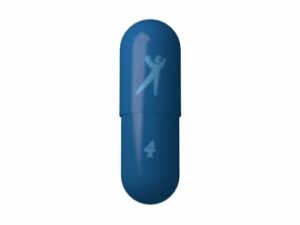

Dimenhydrinate (Oral) — Patient Information (Australia)
Dimenhydrinate is an antihistamine medicine commonly used to help relieve symptoms of travel sickness and dizziness. It works by reducing signals in the brain and inner ear that contribute to nausea and vertigo. This information is designed to be patient-friendly and helpful for understanding how dimenhydrinate is used, how it works, and what to consider for safe use in Australia.
Note: Brand names and pack sizes may vary. Always check the specific product label and your pharmacist’s advice for the correct strength and directions.
Quick overview
- What it is: Antihistamine used for nausea, vomiting, and dizziness (especially travel sickness).
- Common forms: Tablets and chewable/dispersible tablets (depending on product); oral preparations may vary.
- Typical uses: Prevention and relief of motion sickness; nausea and vomiting associated with dizziness.
- How it feels: Often starts working within about 30–60 minutes for many people.
- Key caution: Can cause drowsiness and dry mouth—avoid driving and alcohol.
Basic product information
| Feature | Information |
|---|---|
| Active ingredient | Dimenhydrinate |
| Medicine type | First-generation antihistamine (antiemetic/antidizziness) |
| Common indications | Travel sickness, nausea, vomiting, vertigo-related sickness |
| Typical route | Oral (by mouth) |
| Typical onset | Often within ~30–60 minutes (varies by person and formulation) |
| Duration of action | Often several hours; follow label timing limits |
How dimenhydrinate works (mechanism of action)
Dimenhydrinate belongs to a class of medicines called antihistamines. In addition to blocking histamine receptors, dimenhydrinate has effects on brain pathways involved in vomiting and balance. It works mainly by:
- Reducing stimulation from the inner ear that can trigger nausea during motion or spinning sensations.
- Calming the “vomiting centre” signals in the brain that contribute to nausea and vomiting.
- Alleviating vertigo-related symptoms that often accompany dizziness.
Because it is a first-generation antihistamine, it may cross into the brain more easily than some newer antihistamines, which is why it can cause drowsiness.
Pharmacokinetics (how the body handles it)
Pharmacokinetics describes how the medicine is absorbed, processed, and eliminated. While exact values vary by person, dimenhydrinate generally behaves as follows:
- Absorption: It is absorbed after oral dosing. Taking it in the recommended form and time improves consistency.
- Onset: Many people notice benefit within about 30–60 minutes when taken before travel.
- Metabolism: It is metabolised in the body (primarily through liver pathways). Some active components contribute to its effects.
- Elimination: It is removed from the body over time through metabolism and excretion. Effects may last several hours, though individual response varies.
If you have liver or kidney issues, or you’re elderly, you may be more sensitive to side effects. In such cases, seek advice from a pharmacist before use.
Typical uses and indications
Dimenhydrinate is used for symptoms related to motion and dizziness. Typical indications include:
- Prevention and relief of travel sickness (motion sickness on cars, boats, or planes).
- Nausea and vomiting associated with motion.
- Dizziness and vertigo-related sickness, such as nausea triggered by movement or spinning sensations.
It does not treat the underlying cause of motion sickness (such as sensory mismatch in the brain). Instead, it helps reduce the nausea/vomiting symptoms while you travel or feel dizzy.
When to take it (timing guidance)
Timing can strongly affect how well dimenhydrinate prevents symptoms.
- For travel sickness: Take dimenhydrinate before you start travelling—often about 30–60 minutes prior (follow your product label for exact timing).
- If symptoms start: You may still take it when symptoms begin, but prevention is typically more effective than treatment after nausea is well established.
- Repeat doses: Follow the dosing interval and maximum daily dose stated on the package or as directed by a pharmacist.
If you’re prone to severe motion sickness, it may help to combine medicine with practical strategies (see “Practical use tips” below).
Food interactions
Dimenhydrinate can generally be taken with or without food. However, certain practical considerations apply:
- With food: Taking it with a small meal or snack may reduce stomach upset in some people.
- Empty stomach: Some people find it works well when taken before travel, but stomach sensitivity varies.
- Heavy, fatty meals: These may delay digestion and potentially delay the onset for some individuals.
If you notice that your dose doesn’t seem to work as quickly when you’ve eaten, try taking it according to the timing recommended for travel.
Alcohol and medicine interactions
Alcohol
It is strongly recommended to avoid alcohol while taking dimenhydrinate. Both alcohol and dimenhydrinate can cause drowsiness, slowed reaction time, and impaired coordination. Combined effects can increase the risk of falls, accidents, and unsafe driving.
Other medicines that may interact
Dimenhydrinate can interact with medicines that also affect the brain or body systems. Always tell your pharmacist about all medicines you use, including non-prescription items.
- Sedatives and sleep medicines (e.g., benzodiazepines, some sleeping tablets) — increased drowsiness.
- Opioid pain medicines — increased risk of sedation and breathing difficulties.
- Other antihistamines (for allergies or cold/flu symptoms) — additive antihistamine side effects and sedation.
- Anti-nausea medicines — additive effects may increase drowsiness or other side effects.
- Medicines with anticholinergic effects (drying, slowing secretions, or affecting bladder function) — may worsen dry mouth, constipation, blurred vision, or urinary retention.
- Some antidepressants and antipsychotics — potential additive sedation or other effects; check with a pharmacist.
If you are unsure whether a medicine contains an antihistamine, read the ingredients on the label. Many cold and allergy products include antihistamines.
Dosing (adults and children)
Dosing depends on age and the specific product strength. Always follow the instructions on the package or your pharmacist’s advice.
General dosing principles
- Use the lowest effective dose.
- Follow the labelled dose interval and do not exceed the maximum daily dose.
- For travel: take it before travel when possible.
- Children: dosing must be age-appropriate and based on the product instructions.
Typical adult dosing (commonly used)
Many dimenhydrinate products for adults are taken at intervals such as every 4–6 hours as needed, up to a labelled maximum daily dose. However, you must check your exact product label because strengths and dosing rules may differ.
Children
Dimenhydrinate is used in some paediatric travel sickness scenarios, but the dose and suitability depend on age and the specific formulation. Always:
- Confirm the child’s age and the product’s intended age range.
- Use only the labelled dosing for children.
- Ask a pharmacist if you’re unsure—especially for young children.
Do not use in children outside the label directions. If you are unsure, consult a pharmacist.
Safety profile and side effects
Like all medicines, dimenhydrinate can cause side effects. Many people experience mild effects, but some require medical attention.
Common side effects
- Drowsiness or sedation
- Dizziness (sometimes despite treating it)
- Dry mouth
- Blurred vision
- Constipation or reduced bowel movement frequency
- Headache
- Nausea (occasionally) or stomach discomfort
Less common but important side effects
- Urinary retention (difficulty passing urine), especially in people with prostate enlargement
- Fast heartbeat or palpitations
- Confusion (more likely in older adults)
- Unusual agitation (paradoxical restlessness can occur, especially in children)
Seek urgent medical help if
- Allergic reaction signs occur (swelling of face/lips, rash, wheezing, trouble breathing).
- Severe drowsiness, fainting, or difficulty waking occurs.
- Severe dizziness or problems with coordination occur.
- Signs of overdose are suspected (especially after taking more than the labelled dose).
Who should be extra cautious
Check with a pharmacist before using dimenhydrinate if you have:
- Glaucoma (especially narrow-angle glaucoma)
- Prostate enlargement or difficulty urinating
- Severe constipation
- Severe liver disease
- Older age or history of confusion/sedation with antihistamines
- Existing breathing problems or use of sedatives/opioids
Practical use tips for better results
- Prevent rather than react: take it before you begin travelling or when you first notice movement-related symptoms.
- Choose your seat strategically: in cars, sit in the front; on boats, choose a stable part of the vessel; on trains, face forward.
- Look at the horizon: focusing on steady landmarks can reduce motion sickness.
- Avoid reading or screen time while travelling, as they can worsen symptoms for some people.
- Stay hydrated and avoid heavy or fatty meals before travel.
- Plan for drowsiness: don’t drive, operate machinery, or do risky tasks until you know how you respond.
- If you miss a dose: take it when needed, but do not double up. Follow label instructions.
Alternative options
Depending on your symptoms, there are other strategies and medicine options that may be considered. A pharmacist can help you choose what’s appropriate for you.
Non-medicine approaches
- Ginger has evidence for some people with nausea, though results vary.
- Behavioural strategies (seat selection, horizon viewing, fresh air) can reduce symptoms.
- Acupressure bands (e.g., wrist bands) may help some individuals.
Other medicines commonly used for motion sickness
- Meclizine (antihistamine option in some markets)
- Dimenhydrinate alternatives (other antihistamine-based travel sickness medicines, depending on availability)
If you are experiencing dizziness frequently or your symptoms are severe, persistent, or accompanied by neurological symptoms (such as weakness, slurred speech, or severe headache), seek medical advice rather than relying on travel sickness treatments.
Australia: market and legal context
In Australia, the availability of dimenhydrinate depends on product formulation and strength. Many travel sickness and allergy-related antihistamines are sold as over-the-counter products through pharmacies and other retail channels. Some products may be supplied with pharmacist advice due to age restrictions, sedation risk, or specific ingredient combinations.
Online pharmacies in Australia are expected to follow relevant regulations for:
- Correct product identification (active ingredient, strength, and dosage form)
- Appropriate customer information (label instructions, safety warnings)
- Age-appropriate supply and documentation where required
- Safe delivery and handling of medicines
Availability and directions may vary by brand. Always read the packaging and follow the labelled dose.
Recent guidance and practical considerations
Guidance for antihistamine use (including dimenhydrinate) generally emphasises:
- Drowsiness risk: warning users not to drive or undertake hazardous activities after taking the medicine.
- Avoiding combining sedatives: particular caution when taken with alcohol, opioids, or other sedating medicines.
- Age suitability: careful use in children, with strict adherence to label instructions and pharmacist advice.
- Recognising red flags: if dizziness is accompanied by serious symptoms (neurological signs, fainting, chest pain, or sudden severe headache), seek urgent assessment rather than treating as “motion sickness.”
If you have questions about whether your symptoms fit motion sickness or another condition, ask a pharmacist.
Delivery and availability (online pharmacy)
Dimenhydrinate is typically available online from Australian pharmacies as an OTC medicine, subject to stock and product range. Delivery times vary by location and shipping provider.
- What to expect: confirmation of your selected product strength and form before dispatch.
- Stock variation: some brands may sell out during travel season or holiday periods.
- Storage: store in a cool, dry place as per the label; keep away from moisture and out of reach of children.
- Expiry: choose products with adequate remaining shelf life where options exist.
If you’re travelling soon, consider ordering early to ensure you receive the medicine before your trip.
FAQ (Frequently asked questions)
1. How soon does dimenhydrinate work?
Many people feel an improvement within 30–60 minutes. Taking it before travel improves effectiveness. Individual response varies depending on age, dose, and whether food delays absorption.
2. Will dimenhydrinate make me drowsy?
It can. Because dimenhydrinate is a first-generation antihistamine, drowsiness is common. Avoid driving, operating machinery, or risky activities until you know how it affects you.
3. Can I take it with food?
Yes, it can generally be taken with or without food. If you experience stomach discomfort, taking it with a light snack may help. Heavy meals may delay onset for some people.
4. Can I drink alcohol while taking dimenhydrinate?
It’s best to avoid alcohol. Alcohol and dimenhydrinate both cause sedation and can increase the risk of accidents and impaired coordination.
5. What if I’m taking other medicines for allergies or colds?
Be careful—many allergy and cold/flu products also contain antihistamines. Using multiple antihistamines can increase side effects like drowsiness and dry mouth. Check labels and ask a pharmacist if unsure.
6. Is dimenhydrinate suitable for children?
It may be suitable for some children depending on age and product directions. Always use the labelled paediatric dose and age range. If you are unsure, speak to a pharmacist before giving it to a child.
7. How often can I take dimenhydrinate?
Frequency depends on the product strength and label instructions. Follow the stated dosing interval and maximum daily dose. Do not exceed the recommended amount.
8. What should I do if I miss a dose?
If you miss a dose and you still need symptom relief, take it when needed according to the label. Don’t take extra doses to “catch up.” If you’re unsure, ask a pharmacist.
9. When should I stop using it or seek help?
Seek medical advice if symptoms worsen, don’t improve, or if you have dizziness with concerning features such as fainting, severe headache, weakness, or speech/vision changes. Also seek help if you suspect overdose.
10. Can I use dimenhydrinate long-term?
Dimenhydrinate is typically used short-term for travel or episodes of nausea/dizziness. If you need it repeatedly over a long period, discuss this with a pharmacist or doctor to rule out an underlying cause.
Summary
Dimenhydrinate is a well-known antihistamine used to help prevent and relieve travel sickness and associated nausea and dizziness. It works by reducing signals involved in vomiting and balance. Because it can cause drowsiness and other anticholinergic side effects (such as dry mouth), it’s important to follow labelled dosing carefully and avoid alcohol and other sedating medicines.
If you have questions about dosing for your age group, suitability based on medical conditions, or whether it can be safely combined with your current medicines, ask a pharmacist before use.