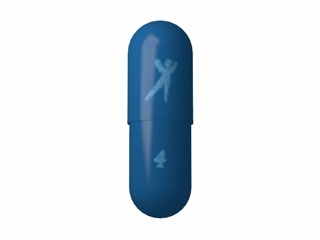


Detrol LA (Tolterodine) — Patient Information (Australia)
Detrol LA is a brand of tolterodine, a medicine used to treat overactive bladder symptoms such as urinary urgency, frequent urination, and urge incontinence (leaking urine due to a sudden strong urge to urinate).
This guide is written in patient-friendly language to help you understand how Detrol LA works, how to take it safely, what to expect, and when to seek advice. It’s intended for general information and may not replace advice from your healthcare professional.
Quick Product Overview
| Product name | Detrol LA |
|---|---|
| Active ingredient | Tolterodine |
| Formulation | Long-acting (LA) / extended release |
| Typical dosing frequency | Once daily |
| Common uses | Overactive bladder symptoms (urgency, frequency, urge incontinence) |
| Key mechanism | Antimuscarinic (reduces bladder muscle contractions) |
What Detrol LA Does
Mechanism of action (how it works)
Tolterodine is an antimuscarinic medicine. In the bladder, nerve signals help trigger the bladder muscle to contract and create the urge to urinate. These signals often involve muscarinic receptors.
Detrol LA blocks these receptors in the bladder, which can:
- reduce unwanted bladder contractions
- increase bladder storage capacity
- lower urinary urgency and frequency
- reduce episodes of urge incontinence
How long it takes to work
Many people notice improvement within the first days to weeks. Full benefit may take several weeks, especially when symptoms are frequent or longstanding. If you are not improving after an adequate trial, discuss with your clinician.
Pharmacokinetics (how the body handles tolterodine)
Pharmacokinetics describe absorption, distribution, metabolism, and elimination.
- Absorption: Detrol LA is an extended-release formulation designed to release tolterodine steadily over the day.
- Peak levels (Tmax): The medicine is typically absorbed gradually; peak blood levels occur after several hours.
- Protein binding: Tolterodine binds to plasma proteins to a meaningful extent.
- Metabolism: Tolterodine is metabolised primarily by liver enzymes (notably CYP2D6 and CYP3A4 pathways).
- Excretion: Metabolites are eliminated largely via the kidneys and also through bile/fecal pathways.
- Half-life: The elimination half-life can vary between individuals, including in relation to liver enzyme activity.
What this means for you: Dose adjustments may be needed in some cases (for example, liver or kidney impairment) and interactions with other medicines can affect tolterodine levels.
Typical Use in Australia
Detrol LA is commonly used for the management of overactive bladder (OAB) symptoms, including:
- Urinary urgency: a sudden, difficult-to-postpone need to urinate
- Urinary frequency: needing to urinate more often than usual
- Urge incontinence: leaking urine because of a sudden urge
It may be used alongside lifestyle measures such as bladder training, pelvic floor exercises, and reducing bladder irritants.
When to Take Detrol LA (timing and missed doses)
Timing
- Take Detrol LA once daily, preferably at the same time each day.
- The LA (long-acting) design means it is not meant to be split, crushed, or chewed.
With or without food
Detrol LA can generally be taken with or without food, and food does not usually require dose timing changes. Many people find taking it with a routine meal or at bedtime helps with adherence.
If you miss a dose
If you miss a dose:
- Take it when you remember unless it is close to the time for your next dose.
- If it is close, skip the missed dose.
- Do not take two doses at once to make up for the missed one.
Food Interactions
General statement: There are no major, consistent food interactions requiring special dietary restrictions for Detrol LA. Most patients can continue their normal diet.
Practical note: Because antimuscarinic medicines can cause dry mouth and constipation, consider:
- drinking adequate fluids
- eating fibre-rich foods
- monitoring bowel habits, especially if you are prone to constipation
Alcohol and Medicine Interactions
Alcohol
Alcohol may worsen some side effects of antimuscarinic medicines, such as:
- dizziness or light-headedness
- blurred vision or slower reaction time
- drowsiness in some people
Recommendation: Limit alcohol and avoid driving or operating machinery until you know how Detrol LA affects you.
Medicines that may interact with tolterodine
Tolterodine’s levels can change when other medicines affect liver enzymes or have antimuscarinic effects.
- Other antimuscarinic medicines (or drugs with anticholinergic properties) — may increase side effects like dry mouth, constipation, blurred vision, and urinary retention.
- Medicines that inhibit CYP enzymes (particularly CYP2D6 and CYP3A4 pathways) — may increase tolterodine concentration, raising the risk of adverse effects.
- Medicines that affect bladder function — may change the balance of effects.
Always check: Inform your pharmacist or clinician about all medicines you use, including over-the-counter products (such as cold/flu remedies) and supplements.
Indications (approved and commonly used reasons)
Detrol LA is indicated for the treatment of overactive bladder in adults, particularly to help reduce:
- urgency
- frequency
- urge urinary incontinence
Your clinician may consider other causes of urinary symptoms (for example, urinary tract infection, prostate enlargement, uncontrolled diabetes, or neurological conditions) before starting treatment.
Dose and How to Use Detrol LA
Dosage can vary based on your condition, age, kidney and liver function, and other medicines. Follow your healthcare professional’s instructions and the product label.
Typical adult dosing
- Common starting regimen: Detrol LA is typically taken once daily.
- Dose adjustments: may be made depending on tolerability (especially side effects) and response.
- Reduced dosing may be considered for certain patients with kidney or liver impairment.
Special populations
- Older adults: Antimuscarinic medicines can be more likely to cause side effects (e.g., dry mouth, constipation, confusion). Careful monitoring is recommended.
- Kidney impairment: Dose adjustments may be required.
- Liver impairment: Dose adjustments may be required.
- Children/adolescents: Use depends on local guidance and product approval; discuss with a healthcare professional.
Missed dose recap
Do not double up. Take the next dose at the usual time.
Safety Profile and Side Effects
Like all medicines, Detrol LA can cause side effects. Many are mild and improve as your body adjusts, but some require urgent attention.
Common side effects
- Dry mouth
- Constipation
- Blurred vision or visual disturbance
- Reduced sweating (may affect heat tolerance)
- Dizziness or headache
- Nausea
- Urinary retention (you may find it harder to empty your bladder)
Serious side effects (seek urgent medical advice)
Get urgent medical help if you experience:
- Severe difficulty passing urine (signs of urinary retention)
- Severe allergic reaction (swelling of face/lips, breathing difficulty, rash)
- Confusion, severe drowsiness or fainting
- Marked worsening of constipation or severe abdominal pain
- Heat intolerance with reduced sweating, especially during hot weather
Important cautions
- Glaucoma (narrow-angle): Antimuscarinics may worsen certain forms of glaucoma. If you have glaucoma, ensure your clinician knows which type.
- Gastrointestinal disorders: People at risk of slowed bowel movements should be monitored for constipation.
- Bladder outlet obstruction / prostate enlargement: There is a risk of urinary retention. Symptoms of weak stream or trouble starting urination need prompt discussion.
- Myasthenia gravis or autonomic neuropathy: may require extra caution.
Practical Use Tips (make treatment easier)
Manage dry mouth
- Stay well hydrated.
- Sugar-free chewing gum or lozenges may help.
- Good oral hygiene and regular dental care are important.
Reduce constipation risk
- Increase fibre (fruits, vegetables, whole grains).
- Drink adequate fluids.
- Include regular physical activity if possible.
- Discuss appropriate constipation treatments with a pharmacist if needed.
Help prevent urinary retention
- Notice changes in your ability to empty your bladder.
- Seek advice promptly if you have reduced urination, straining, or discomfort.
Heat and exercise
Because antimuscarinics can reduce sweating, take extra care in hot weather:
- avoid overheating
- take breaks and hydrate
- consider adjusting exercise plans during hot days
Driving and machinery
Blurred vision or dizziness can occur. Avoid driving or operating machinery until you know how Detrol LA affects you.
Alternative Options for Overactive Bladder
If Detrol LA doesn’t suit you or you need additional symptom control, several alternatives may be considered.
Non-medicine approaches
- Bladder training (scheduled voiding, gradually increasing intervals)
- Pelvic floor muscle training (e.g., physiotherapist-guided exercises)
- Fluid and bladder irritant adjustments (reducing caffeine and other triggers)
- Weight management if relevant
Other medicine options
- Other antimuscarinic medicines for OAB (different brands and dosing schedules)
- Beta-3 adrenergic agonists (another class used for OAB in some patients)
- Combination strategies may be used if symptoms persist (based on clinician advice)
Your best option depends on your symptom pattern, medical history, side effect tolerance, and other medications.
Market and Legal Context in Australia
In Australia, medicines are supplied under national medicines regulations and supported by the Pharmaceutical Benefits Scheme (PBS) where applicable. Many bladder treatments may be listed on the PBS for eligible patients, while some may be accessed through private prescription pathways depending on product listings and clinical criteria.
Always purchase medicines from reputable suppliers and ensure you receive products that match the strength and formulation stated on your documentation.
Note on product integrity: Avoid counterfeit or unverified products. Check packaging details, batch information, and expiry dates when you receive your medicine.
Recent Guidance and Clinical Considerations
Clinical practice in Australia for overactive bladder typically includes:
- starting with conservative measures (when appropriate)
- using medication when symptoms significantly impact quality of life
- reviewing response and side effects after a suitable trial
- considering treatment alternatives if intolerable antimuscarinic effects occur
Guidance has increasingly emphasised balancing symptom relief with tolerability, especially for older adults at greater risk of dry mouth, constipation, and cognitive effects.
Delivery and Availability (Online Pharmacy Information)
Detrol LA may be available from Australian online pharmacies subject to supply, stock availability, and regulatory requirements. Delivery options commonly include:
- Standard delivery: typically a few business days (varies by provider and location)
- Express delivery: where available
- Tracking: many suppliers provide a tracking number or dispatch notification
Storage: Keep medicines according to label directions, typically at controlled room temperature, away from moisture and heat. Keep out of reach of children.
If you need help confirming availability (strengths, pack sizes, or lead times), contact the pharmacy’s support team.
FAQ — Frequently Asked Questions
1) What is Detrol LA used for?
Detrol LA (tolterodine) is used for overactive bladder symptoms such as urinary urgency, frequent urination, and urge incontinence.
2) How quickly will I feel better?
Some people notice improvement within the first days to weeks, but it can take several weeks for maximum benefit. If there’s no improvement after an adequate trial, discuss options with your clinician.
3) Can I take Detrol LA with food?
Yes. Detrol LA can generally be taken with or without food, and you usually don’t need to change your meals or timing.
4) Does alcohol make it worse?
Alcohol can worsen side effects like dizziness or blurred vision for some people. It’s best to limit alcohol and avoid driving until you know how you respond.
5) What side effects are most common?
Common side effects include dry mouth, constipation, blurred vision, reduced sweating, dizziness, and headache. Seek advice if side effects are bothersome or worsening.
6) What should I do if I get constipation?
Increase fluids and fibre, stay active if possible, and consider discussing suitable treatments with a pharmacist—especially if constipation becomes severe.
7) Can Detrol LA cause trouble urinating?
Yes. Detrol LA can reduce bladder contractions and may rarely cause urinary retention. If you cannot urinate properly or experience painful difficulty, seek prompt medical advice.
8) Are there medicines I should avoid with Detrol LA?
Some medicines can increase tolterodine levels or add antimuscarinic effects. Tell your pharmacist about all medicines and supplements you take, including cold/flu products and any drugs used for mental health, allergies, pain, or stomach conditions.
9) Will Detrol LA work for everyone with overactive bladder?
Not always. Response varies. Some people benefit significantly, while others experience limited improvement or side effects that require changing treatment.
10) What if I stop taking it?
Stopping may cause symptoms to return. If you want to discontinue, discuss with your clinician or pharmacist—especially if symptoms or side effects have been significant.
Important: If you experience severe reactions, signs of urinary retention, or serious worsening of constipation or confusion, seek urgent medical attention.