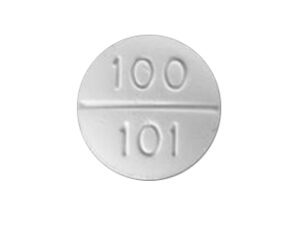

Eplerenone (Eplerenone Tablets) – Patient Guide (Australia)
Eplerenone is a medicine used to protect the heart and blood vessels in certain conditions, particularly where there is ongoing strain on the heart or fluid retention. This guide explains, in clear terms, what eplerenone does, how it works, when it’s taken, what to watch for, and practical tips for using it safely.
This information is intended for education only. Your clinician’s advice always takes priority—especially regarding your personal dose, monitoring schedule, and any other medicines you are taking.
1) Basic product information
- Active ingredient: Eplerenone
- Medicine type: Mineralocorticoid receptor antagonist (MRA)
- Common strengths: Often available in tablet strengths such as 25 mg and 50 mg (strengths may vary by brand/stock)
- How it’s usually supplied: Oral tablets taken by mouth
- Common brand names: May vary in Australia; generics may also be available
In Australia, eplerenone is used under clinical direction, and ongoing blood test monitoring is an important part of safe use due to the medicine’s effect on potassium levels.
2) How eplerenone works (mechanism of action)
Eplerenone works by blocking the mineralocorticoid receptor. These receptors are activated by hormones such as aldosterone. When aldosterone is overactive, it can contribute to:
- Fluid and salt retention (which can worsen swelling and breathlessness)
- Increased blood pressure
- Heart remodeling (changes in the structure of the heart that may reduce pumping efficiency)
- Potentially harmful effects on blood vessels and the heart muscle
By blocking aldosterone’s effects at the receptor, eplerenone helps reduce strain on the heart and supports better cardiovascular outcomes in selected patients.
3) Pharmacokinetics (how the body handles it)
Pharmacokinetics describes what the body does to the medicine—absorption, distribution, metabolism, and elimination.
- Absorption: Eplerenone is absorbed after oral dosing. Steady blood levels are reached after repeated use.
- Distribution: It distributes throughout the body and affects target receptors in tissues including the heart.
- Metabolism: Eplerenone is primarily metabolised in the liver, with involvement of CYP3A4 (an enzyme that also metabolises many other medicines).
- Elimination: The body clears the medicine mainly through metabolism and subsequent excretion.
- Half-life: Eplerenone has a duration that supports once- or twice-daily dosing depending on the condition and your kidney function.
Because kidney function and potassium levels can influence safety, clinicians commonly use blood tests to guide dosing.
4) Typical uses (indications)
Eplerenone is prescribed for specific cardiovascular conditions where it can improve outcomes. Common indications include:
- Heart failure with reduced ejection fraction (commonly in selected patients after a recent event, depending on clinical guidelines)
- After a heart attack (myocardial infarction) with evidence of left ventricular dysfunction and/or heart failure symptoms, in appropriate patients
Your doctor may also choose eplerenone for other circumstances based on clinical assessment and guideline recommendations. Indications can vary depending on the patient’s health profile and current evidence.
5) When to take eplerenone (timing and routine)
Follow the dosing schedule provided by your clinician. In general:
- Take eplerenone at the same time(s) each day to maintain consistent blood levels.
- If once daily: many people take it in the morning or evening—choose the time that best fits your routine.
- If twice daily: leave roughly equal time between doses (for example, morning and evening).
If you miss a dose, take it when you remember unless it is close to your next dose. Do not take a double dose to make up for a missed tablet.
6) Food interactions and absorption
Food can affect absorption of some medicines. For eplerenone, timing with meals may matter for tolerability and consistent levels, but exact recommendations depend on your prescribed regimen.
- General advice: Take eplerenone consistently with respect to meals—for example, always with food or always without food, if that matches your doctor’s instructions.
- Grapefruit and grapefruit products: Grapefruit can increase eplerenone levels because it may affect CYP3A4 in the gut. Avoid grapefruit unless your clinician approves otherwise.
If you have questions about how to take eplerenone with meals, ask your pharmacist or clinician.
7) Alcohol and medicine interactions
Alcohol may worsen dizziness, fatigue, and blood pressure changes in some people. Eplerenone itself can lower blood pressure in certain patients, especially if combined with other medications that affect blood pressure.
- Moderation is usually safest: If you drink alcohol, keep it moderate and monitor how you feel (dizziness, light-headedness).
- Avoid binge drinking: It can increase side effects and may affect kidney function indirectly.
- Be extra cautious: if you also take diuretics, blood pressure medicines, or medicines that affect potassium.
If you have liver disease, heart failure severity, or kidney impairment, alcohol tolerance can differ—ask your healthcare team what’s appropriate for you.
8) Medicine interactions (especially potassium and kidney-related)
Eplerenone can increase potassium levels. Some medicines also raise potassium or affect kidney handling of potassium. This combination can increase the risk of hyperkalaemia (high potassium), which can be dangerous.
Common interaction categories to discuss with your clinician/pharmacist
- Potassium supplements (including potassium tablets and potassium-enriched salt substitutes)
-
Other medicines that raise potassium such as:
- ACE inhibitors (e.g., enalapril, lisinopril)
- ARBs (e.g., losartan, valsartan)
- Some diuretics that spare potassium (e.g., amiloride, triamterene)
- Other mineralocorticoid antagonists (less commonly combined)
- Potassium-containing “low salt” products (often contain potassium chloride—avoid unless specifically approved)
- Non-steroidal anti-inflammatory drugs (NSAIDs) (e.g., ibuprofen, naproxen, diclofenac), especially if used frequently or in higher doses. NSAIDs can affect kidney function and potassium handling.
- Strong CYP3A4 inhibitors can raise eplerenone levels and increase risk of side effects, including hyperkalaemia. Examples may include certain antifungals and some antibiotics.
- Strong CYP3A4 inducers can reduce eplerenone levels, potentially lowering effectiveness.
Practical approach
- Tell your pharmacist about all medicines you take, including over-the-counter products, vitamins, herbal preparations, and “salt substitutes”.
- Have a list ready for pharmacy dispensing or show your current medication list.
- Do not start new medicines (including pain relievers) without checking compatibility.
9) Dosing guidance (how much and how it’s adjusted)
Dosing depends on the condition being treated, your kidney function, and your baseline potassium. Doses are commonly adjusted after blood tests.
Typical dosing patterns may include:
- Heart failure / post-heart attack use: starting at a lower dose and titrating based on kidney function and potassium.
- Once or twice daily: depending on the regimen and your response.
Your clinician will specify the exact dose for you. The following table provides a general overview of how dosing is often approached, but it cannot replace individual medical advice.
| Patient factor | Why it matters | What may happen to your dose |
|---|---|---|
| Potassium level (baseline and follow-up) | Eplerenone can increase potassium | May delay starting or reduce dose if potassium is high; monitor more frequently |
| Kidney function (e.g., eGFR/creatinine) | Impaired kidneys increase risk of potassium build-up | May start at a lower dose and adjust based on lab results |
| Use of interacting medicines | Some combinations raise potassium or affect eplerenone levels | May adjust eplerenone dose or require extra monitoring |
| Response/tolerability | Some people may experience dizziness or low blood pressure | Dose may be adjusted to improve tolerability |
If you have kidney impairment or you take multiple cardiovascular medicines, expect more frequent lab monitoring during the first weeks and after dose changes.
10) Safety profile and what to monitor
Key safety concern: high potassium (hyperkalaemia)
The most important safety issue with eplerenone is the possibility of hyperkalaemia. Potassium is essential for normal muscle and heart rhythm, so too much potassium can be harmful.
Symptoms that may suggest high potassium (seek medical advice promptly)
- Unusual muscle weakness or heaviness
- Numbness or tingling
- Nausea
- Slow or irregular heartbeat, palpitations, or feeling faint
Many people have no obvious symptoms; that’s why blood tests are so important.
Other possible side effects
- Dizziness or light-headedness (especially after standing)
- Low blood pressure
- Fatigue
- Headache
- Gastrointestinal upset (less common)
If you experience severe dizziness, fainting, symptoms of an irregular heartbeat, or any concerning reaction, contact a healthcare professional urgently.
Who should be extra cautious?
- People with reduced kidney function
- People with a history of high potassium
- People taking ACE inhibitors, ARBs, potassium-sparing diuretics, or potassium supplements
- People taking medicines that strongly affect CYP3A4
11) Practical use tips (how to take it safely day to day)
- Attend scheduled blood tests: Potassium and kidney function are typically checked at baseline and after starting, and again after dose changes.
- Keep medication lists up to date: include OTC medicines and supplements.
- Be careful with “low salt” products: many contain potassium chloride.
- Use consistent meal routines: take the medicine consistently with respect to food.
- Stand up slowly: dizziness can occur, especially when starting or changing doses.
- Avoid grapefruit: grapefruit products can raise eplerenone levels.
- Ask before using pain relief: NSAIDs like ibuprofen may be an issue for kidney function and potassium.
If you’re unsure about whether a product is safe with eplerenone, ask your pharmacist. This is especially important for supplements and “natural” products, which can still interact with metabolism pathways.
12) Alternative options
Depending on your diagnosis, other medicines may be considered. Alternatives generally fall into a few categories:
-
Other mineralocorticoid receptor antagonists (for example, spironolactone)
- These may have different side effects (for example, spironolactone can cause hormonal-related effects in some people such as breast tenderness or changes in libido).
- Standard heart failure therapies may include classes such as beta-blockers, ACE inhibitors/ARBs/ARNI, and SGLT2 inhibitors—selected based on your case.
- Diuretics for symptom relief (e.g., loop diuretics) may be used to manage fluid symptoms, though they don’t replace the specific benefits of MRAs.
The best alternative depends on why you’re taking eplerenone, your kidney function, potassium levels, and what other medicines you use.
13) Market and legal context for Australia (plain-language)
In Australia, many prescription medicines are regulated under the Therapeutic Goods Administration (TGA) and must be supplied according to Australian medicines legislation and safety requirements. Availability can differ by brand, strength, and pharmacy supply arrangements.
Eplerenone is an established cardiovascular medicine. In practice, access depends on your diagnosis, clinical monitoring needs (including kidney function and potassium), and the product supplied by your pharmacy.
For the latest consumer information and approved product details, refer to official medicine information sources such as the TGA and the medicines information approved for each brand/strength.
14) Recent guidance and monitoring trends
Clinical guidance for heart failure and post-heart attack care evolves as new evidence becomes available. A consistent theme across many recommendations is the importance of:
- Careful selection of patients for mineralocorticoid receptor antagonists
- Regular monitoring of serum potassium and kidney function
- Dosing adjustments based on lab results
- Medication review to avoid unsafe combinations (especially those that raise potassium)
Your healthcare team will tailor monitoring frequency to your baseline risk and your current laboratory results.
15) Delivery and availability (online pharmacy information)
We aim to provide convenient delivery across Australia. Availability may vary depending on stock levels and tablet strength.
- Check stock: If the exact strength or brand isn’t immediately available, we may offer equivalent options subject to supply and clinical appropriateness.
- Delivery timing: Dispatch times and delivery estimates depend on your location and courier service.
- Packaging: Medicines are typically supplied in appropriate pharmacy packaging to protect tablets and meet regulatory requirements.
If you require additional information about delivery times to your area or alternative strengths, contact our customer support team.
16) FAQ (Frequently Asked Questions)
1. What is eplerenone used for?
Eplerenone is used in selected cardiovascular conditions, such as certain types of heart failure and after a heart attack in patients with left ventricular dysfunction, to improve outcomes by counteracting aldosterone-related effects.
2. How long does it take to work?
Some effects on fluid balance and blood pressure may be noticed sooner, but the full benefits—especially in heart failure—usually develop over weeks to months as treatment continues and the body responds. Because eplerenone affects hormones and the heart’s environment, consistent daily use is important.
3. Why do I need blood tests?
Eplerenone can raise potassium and can be affected by kidney function. Blood tests help confirm it remains safe and effective, particularly after starting or changing the dose.
4. Can I take eplerenone with my other heart medicines?
Often yes, but it depends on which medicines. Some combinations are commonly used in heart failure care; however, certain medicines can increase potassium risk or interact with how eplerenone is processed. Always confirm your full medication list with your pharmacist or clinician.
5. Are salt substitutes safe with eplerenone?
Many salt substitutes contain potassium chloride. Because eplerenone can increase potassium, salt substitutes may be unsafe unless your clinician specifically approves them.
6. Should I avoid grapefruit?
Yes. Grapefruit can increase eplerenone levels by affecting metabolism pathways, potentially raising side-effect risk. Avoid grapefruit products unless your clinician advises otherwise.
7. What should I do if I miss a dose?
Take it when you remember if it’s not close to the next dose. If the next dose is near, skip the missed dose and continue your usual schedule. Do not double up.
8. Is it safe to drink alcohol?
Moderate alcohol may be acceptable for some people, but alcohol can worsen dizziness and may affect blood pressure and hydration. If you experience light-headedness or feel unwell after alcohol, avoid further drinking and seek advice.
9. Can I take ibuprofen or other painkillers?
NSAIDs such as ibuprofen can affect kidney function and may increase potassium risk when used with eplerenone. It’s best to ask your pharmacist which pain relief option is safest for you and whether you need monitoring.
10. Who should not take eplerenone without special consideration?
Extra caution is required for people with high potassium, significant kidney impairment, or those taking medicines that strongly affect potassium levels or CYP3A4. Your clinician will determine suitability based on your labs and medication list.
11. What if I have symptoms like a slow heartbeat or weakness?
These can be signs of high potassium or abnormal heart rhythm. Seek urgent medical advice promptly, especially if symptoms are severe or you feel faint.
Summary
Eplerenone is a mineralocorticoid receptor antagonist used in certain heart conditions to reduce harmful aldosterone-related effects on the heart and circulation. Because it can raise potassium, safe use depends on careful dosing and regular monitoring of kidney function and blood potassium—particularly when starting treatment or changing dose.
If you have questions about your dose, blood test schedule, or interactions with other medicines, speak with your pharmacist or clinician.