Ezetimibe (Australian Online Pharmacy Guide)
Ezetimibe is a cholesterol-lowering medicine used to help reduce LDL cholesterol (“bad cholesterol”). It is commonly prescribed as part of a broader cholesterol management plan that also includes diet, lifestyle changes, and—when needed—other lipid-lowering medicines.
This patient-friendly guide explains how ezetimibe works, how it behaves in the body, typical use and timing, food and medicine interactions, safety information, and practical tips to help you get the best results.
Basic product information
| Category | Details |
|---|---|
| Medicine name | Ezetimibe |
| Common role | Cholesterol-lowering (LDL reduction) |
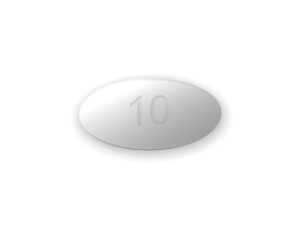
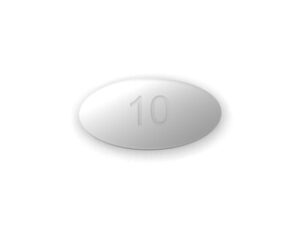
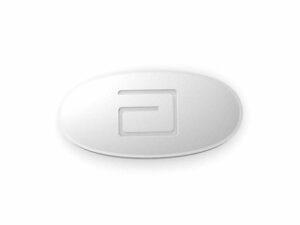
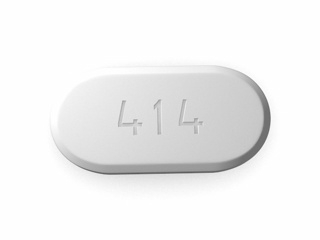
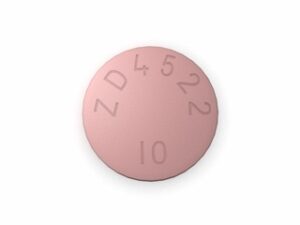
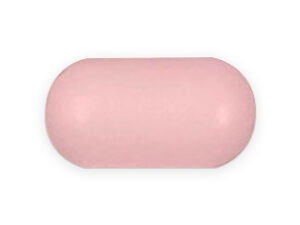
| Typical forms | Oral tablets (strengths commonly include 10 mg) |
| Brand examples | Varies by manufacturer and availability in Australia |
| How it’s used | Once daily (often in combination with other lipid medicines) |
| Who it’s for | People with elevated LDL cholesterol, including those at higher cardiovascular risk |
Note: Brand names and pack sizes differ. Always check your specific product label for the exact dose and instructions.
How ezetimibe works (mechanism of action)
Ezetimibe reduces cholesterol absorption in the small intestine.
- Primary mechanism: Ezetimibe blocks the NPC1L1 transporter (Niemann–Pick C1–Like 1) on intestinal cells.
- Effect: Less cholesterol is absorbed from food and bile into the bloodstream.
- Downstream impact: With less cholesterol reaching the liver, the liver increases clearance of cholesterol from the blood, lowering LDL cholesterol.
Ezetimibe works differently from “statins” (which primarily reduce cholesterol production in the liver). Because of these different pathways, ezetimibe is often used alongside other lipid-lowering therapies.
Pharmacokinetics: what happens in the body
Pharmacokinetics describes how a medicine is absorbed, distributed, metabolised, and eliminated.
- Absorption: Ezetimibe is absorbed after oral dosing. It is rapidly converted to its active metabolite, ezetimibe-glucuronide.
- Metabolism: A major pathway involves glucuronidation (conjugation with glucuronic acid) in the gut and liver.
- Active components: The parent drug and its metabolite work together to achieve the cholesterol absorption–blocking effect.
- Elimination: Elimination occurs mainly through the biliary route and feces.
- Time to effect: LDL-lowering can be seen within a few weeks; many clinicians reassess lipid results after an appropriate interval.
Practical takeaway: Ezetimibe’s once-daily schedule is designed to maintain cholesterol absorption suppression throughout the day.
Typical uses and indications
Ezetimibe is used to lower LDL cholesterol. Common clinical situations include:
- Primary (diet-responsive) hypercholesterolaemia (often when additional LDL reduction is needed)
- Mixed dyslipidaemia (elevated LDL and other lipid abnormalities)
- Homozygous familial hypercholesterolaemia (in combination with other lipid-lowering therapies, depending on local care plans)
- When combination therapy is appropriate, especially to achieve target lipid levels with better tolerability or enhanced LDL reduction
Indication selection depends on your overall cardiovascular risk, baseline lipid profile, treatment history, and how well other therapies are tolerated.
Timing: when and how to take ezetimibe
Ezetimibe is usually taken once daily, at a consistent time each day.
- With or without food: You can generally take ezetimibe with or without food.
- Consistency matters: Try to take it around the same time daily to support adherence.
- Missed dose: If you miss a dose, take it when you remember on the same day. If it’s close to the next dose, skip the missed dose and continue your regular schedule.
Do not: Take extra tablets to “make up” for a missed dose.
Food interactions
Because ezetimibe’s absorption is designed for daily oral use, food is generally not a major issue.
- Typical advice: Ezetimibe can usually be taken with or without food.
- General dietary context: Cholesterol-lowering works best alongside an overall heart-healthy diet (e.g., reducing saturated fats and dietary cholesterol, increasing fibre).
If you have specific dietary restrictions or experience stomach upset, speak with a pharmacist or clinician for personalised advice.
Alcohol and medicine interactions
Alcohol can affect liver health and overall cardiovascular risk. While ezetimibe itself is not primarily a liver-metabolised drug in the same way as statins, it is still important to consider liver function and overall medicine interactions.
Alcohol
- General safety: Moderate alcohol consumption may be acceptable for many people, but heavy or binge drinking can increase risk of liver irritation and other health problems.
- Liver considerations: If you have known liver disease or a history of abnormal liver tests, discuss alcohol intake with a clinician.
Interactions with other medicines
Ezetimibe can interact with some medicines used for cholesterol, immune conditions, and other health issues.
- Cholesterol medicines: Ezetimibe is often combined with statins or other lipid-lowering therapies. This combination is designed for improved LDL reduction, but monitoring may be needed.
- Bile acid sequestrants: Some cholesterol-binding medicines may reduce absorption if taken at the same time. Clinicians may recommend spacing doses (often several hours apart) depending on your exact product regimen.
- Fibrates (e.g., fenofibrate, gemfibrozil): Using ezetimibe with fibrates may increase the risk of gallstones (as fibrates are associated with gallstone formation). Your care team may monitor you more closely.
- Certain cholesterol-related supplements and therapies: Always review all products you take, including herbal and over-the-counter items.
Important: If you are unsure about interactions, ask a pharmacist to review your full medicine list (including vitamins, supplements, and non-prescription products).
Dosing: typical regimen
Ezetimibe dosing can vary based on treatment goals and whether it’s used alone or with other lipid-lowering medicines.
- Common adult dose: 10 mg once daily
- Combination therapy: Doses of other medicines (e.g., statins) depend on the specific product and lipid targets.
Children and adolescents: Dosing may be age-dependent and based on the indication and specialist guidance. Your pharmacist can explain the correct dose for your situation.
Kidney function: In many cases, no dose adjustment is needed, but individual circumstances can vary.
Liver disease: People with liver impairment require careful consideration and possible monitoring. If you have liver problems, inform your clinician before starting ezetimibe.
Safety profile: what to know
Like all medicines, ezetimibe can cause side effects. Most people tolerate it well. The safety profile also depends on whether it is used alone or in combination with other lipid-lowering medicines.
Common side effects
- Headache
- Gastrointestinal symptoms such as abdominal discomfort, diarrhoea, or nausea
- Fatigue or general tiredness (reported by some people)
Less common but important risks
- Gallstones (especially when used with fibrates)
- Liver enzyme elevations (monitoring may be considered, particularly with combination therapy)
- Muscle problems are more commonly associated with statins; however, any unexplained muscle pain or weakness should be discussed promptly with a clinician
When to seek urgent medical attention
Contact a healthcare professional urgently if you develop:
- Signs of allergic reaction (swelling of face/lips, difficulty breathing, rash)
- Severe or persistent upper abdominal pain (especially right-sided pain), fever, or vomiting (possible gallbladder issue)
- Yellowing of the skin or eyes, dark urine, or severe tiredness (possible liver issue)
- Severe muscle pain, weakness, or dark-coloured urine
Practical use tips for best results
Cholesterol medicines work best when taken reliably and supported by lifestyle measures.
- Keep a routine: Choose a time you’re unlikely to miss (e.g., with breakfast or at night).
- Check your lab plan: Your clinician will typically schedule follow-up lipid tests to confirm the medicine is achieving the desired LDL reduction.
- Review your full regimen: Include all prescription medicines, non-prescription products, and supplements.
- Adopt heart-healthy habits: A diet emphasising fibre and limiting saturated fats supports LDL lowering.
- Report new symptoms early: Don’t wait if you develop persistent abdominal pain, unusual fatigue, or signs of liver or gallbladder issues.
- Don’t stop abruptly: If you plan to stop or change treatment, discuss it first—cholesterol can rebound.
Recent guidance and monitoring approach (Australia)
In Australia, cholesterol management aligns with evidence-based cardiovascular risk reduction strategies. In practice, clinicians may consider:
- Individual cardiovascular risk (e.g., history of cardiovascular disease, diabetes, smoking, hypertension, kidney disease, family history)
- Lipid targets based on the person’s risk profile
- Stepwise therapy, often using statins as a foundation, with additional agents such as ezetimibe to achieve LDL goals
- Safety monitoring when medicines are combined or when there are risk factors for liver or muscle-related side effects
Monitoring examples: follow-up blood tests for cholesterol (and sometimes liver-related tests) may be performed after starting or changing therapy, according to the prescriber’s assessment.
Always follow your local healthcare team’s advice and the specific product information for your formulation and strength.
Alternative options for LDL lowering
If ezetimibe is not suitable or if additional LDL lowering is needed, there are other options. Your choice depends on your lipid results, cardiovascular risk, and tolerance to therapies.
Other common LDL-lowering medications
- Statins (e.g., atorvastatin, rosuvastatin, simvastatin): reduce cholesterol production in the liver
- PCSK9 inhibitors (injections): can significantly lower LDL in selected patients
- Bempedoic acid (where available/appropriate): helps reduce cholesterol synthesis
- Bile acid sequestrants: bind bile acids and reduce cholesterol reabsorption
- Fibrates and other agents: primarily target triglycerides, with particular considerations for certain lipid patterns
Lifestyle-focused alternatives (always important)
- Heart-healthy eating pattern (Mediterranean-style approaches are often recommended)
- Increasing soluble fibre (e.g., oats, barley, legumes)
- Weight management where appropriate
- Regular physical activity
- Smoking cessation
Tip: Even with medication, lifestyle changes improve long-term cardiovascular outcomes.
Market and legal context for Australia
In Australia, medicines are regulated under the Therapeutic Goods Administration (TGA) framework. Availability, prescribing pathways, and pharmacy dispensing practices depend on the medication category and local regulatory status.
- Quality and supply: Medicines sold in Australia must meet TGA quality standards.
- Pharmacy supply: Many lipid-lowering medicines require pharmacist and clinician oversight to ensure appropriate use and safety.
- Clinical monitoring: Cholesterol medicines may require periodic blood tests and follow-up according to individual risk.
Always check: The product you receive should match the TGA-approved formulation and strength listed on the packaging.
Delivery and availability (online pharmacy)
Online pharmacies in Australia may offer delivery for cholesterol-lowering medicines depending on current availability, stock levels, and shipping policies.
- Product availability: Stock can vary by brand and strength; delivery times may differ across states and territories.
- Packaging: Medicines are typically dispatched in manufacturer-approved packaging and stored according to required conditions.
- Discreet delivery: Many online pharmacies provide discreet packaging for privacy.
- Delivery tracking: Some services include tracking and delivery updates.
Advice: If you need medication urgently, check estimated dispatch and delivery windows before ordering. Keep a small buffer of supply where safe and appropriate.
FAQ: Ezetimibe
1) Is ezetimibe the same as a statin?
No. Ezetimibe primarily reduces cholesterol absorption in the intestine. Statins reduce cholesterol production in the liver. Many people use them together to achieve greater LDL reduction.
2) How long does it take to work?
LDL levels can begin to improve within weeks. Your clinician will usually check cholesterol results after an appropriate period to assess response and guide further therapy.
3) Can I take ezetimibe with food?
Yes. Ezetimibe is generally taken with or without food. Taking it at a consistent time each day can help with adherence.
4) What should I do if I miss a dose?
Take it when you remember on the same day. If it’s nearly time for your next dose, skip the missed dose and continue as usual. Don’t double up.
5) Does ezetimibe interact with alcohol?
There is no direct “type” interaction like some medicines, but heavy alcohol intake can increase liver-related risks and can worsen overall health. If you have liver issues, discuss alcohol intake with your clinician or pharmacist.
6) Are there any major drug interactions?
Interactions can occur with certain cholesterol medicines (for example, bile acid sequestrants) and with combinations that affect gallstone or liver risk (such as with fibrates). Always review your full medication list with a pharmacist.
7) Can ezetimibe cause gallstones?
Gallstones can occur, particularly when ezetimibe is used together with fibrates. Seek medical advice if you develop severe abdominal pain (especially right upper abdomen), fever, or persistent vomiting.
8) Is ezetimibe safe for everyone?
Many people tolerate ezetimibe well, but suitability depends on factors such as liver health, other medications, and your medical history. If you have liver disease or unexplained symptoms, discuss with a healthcare professional before starting.
9) What lifestyle changes should I make alongside ezetimibe?
A heart-healthy diet, reduced saturated fats, increased fibre, regular physical activity, and smoking cessation (if relevant) support cholesterol lowering and reduce cardiovascular risk.
10) What are my options if I can’t tolerate ezetimibe?
Alternative LDL-lowering therapies may include other medication classes (such as statins, PCSK9 inhibitors, or other agents depending on suitability). A clinician can advise on the most appropriate approach based on your lipid results and history.
Disclaimer: This information is general and does not replace advice from a healthcare professional. Always read the product information and seek medical guidance for personal recommendations, especially if you have liver disease, gallbladder problems, or take other medicines.