
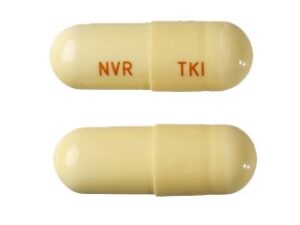
Tamoxifen (for Breast Cancer and Related Conditions) — Patient Information (Australia)
Tamoxifen is a widely used medicine that belongs to a group called selective oestrogen receptor modulators (SERMs). It helps treat certain hormone-sensitive cancers and is also used in some situations to reduce the risk of developing breast cancer. This guide explains how tamoxifen works, how it is used, what to expect, and important safety information for people in Australia.
Important: This information is general and cannot replace advice from your treating team. Always follow the instructions provided with your medicine and speak to your doctor or pharmacist if you have questions about your personal situation.
Basic product information
- Medicine name: Tamoxifen
- Medicine class: SERM (selective oestrogen receptor modulator)
- Common form: Oral tablets (strengths vary by brand)
- How it is taken: Usually once daily (exact schedule depends on indication)
- Who it is used for: People with oestrogen receptor–positive (ER+) breast cancer, and in some cases to reduce risk
- Availability in Australia: Tamoxifen is an established medicine and is available through pharmacy supply chains in Australia
How tamoxifen works (mechanism of action)
Tamoxifen acts in a “mixed” way on oestrogen receptors. It blocks oestrogen’s effects in some tissues (like breast tissue) while having partial oestrogen-like effects in others (like bone and cholesterol metabolism). This is why it is called a selective oestrogen receptor modulator.
- Breast tissue (anti-oestrogen effect): Tamoxifen binds to oestrogen receptors and reduces oestrogen-driven growth signals in hormone-sensitive cancer cells.
- Endometrium (lining of the uterus): Because tamoxifen can act like an oestrogen in uterine tissue, it may increase the risk of endometrial changes in some people.
- Bone and lipids: Tamoxifen can help reduce bone loss and improve some cholesterol parameters, though individual results vary.
In hormone receptor–positive breast cancer, this receptor-level action can reduce tumour growth and recurrence risk, and can improve outcomes when used appropriately.
Pharmacokinetics (absorption, metabolism, and how long it lasts)
Pharmacokinetics describes how the body absorbs, processes, and eliminates tamoxifen.
- Absorption: Tamoxifen is absorbed after oral dosing. Taking it consistently each day supports steady drug exposure.
- Metabolism: Tamoxifen is extensively metabolised in the liver. The most clinically important active metabolites are formed via liver enzymes, particularly the CYP2D6 pathway.
- Active metabolites: These metabolites contribute to tamoxifen’s effect. Differences in metabolism between individuals can influence effectiveness and side effects.
- Half-life: Tamoxifen and its metabolites can remain in the body for long periods. As a result, effects may continue after stopping, and consistent dosing is important while on treatment.
- Elimination: Primarily through metabolism and subsequent excretion (mainly via bile and faeces).
Clinical implication: Some medicines can interfere with tamoxifen metabolism (especially medicines that strongly inhibit CYP2D6). This is a key reason to check interactions before starting new medicines.
Typical uses (indications)
Tamoxifen is used for several indications, depending on your cancer type, hormonal receptor status, and overall treatment plan.
Common indications include:
- Hormone receptor–positive breast cancer: Treatment of ER-positive (and often PR-positive) disease.
- Adjuvant therapy: After primary treatment to reduce the risk of recurrence.
- Risk reduction: In some patients at increased risk of developing breast cancer (as determined by clinical assessment and guidelines).
- Ductal carcinoma in situ (DCIS): In selected people, as part of risk reduction or management plans for hormone receptor–positive disease.
- Other specialist uses: In some contexts where hormone receptor modulation is appropriate, based on specialist review.
Receptor testing matters: Tamoxifen is most effective when tumour cells rely on oestrogen signalling. Your doctor may have ordered receptor tests (e.g., ER/PR status) to guide therapy.
Dosing and timing
Dosing depends on the reason you are taking tamoxifen and your individual situation.
Typical dosing (general guidance)
- Most commonly: 20 mg once daily for many breast cancer and prevention regimens.
- Sometimes: Different dosing schedules may be used by specialists depending on the indication, stage, and treatment plan.
How to take: Swallow the tablet whole with water. Try to take it at the same time each day.
Timing
- Consistency is important: Choose a time that is easy to remember (morning or evening).
- If you miss a dose: Take it as soon as you remember on the same day. If it is close to your next dose, skip the missed dose and resume your usual schedule. Do not take double doses.
- If you have vomiting shortly after taking: Check with your pharmacist for advice, as you may need to consider whether the dose was fully absorbed.
Food interactions
Tamoxifen can generally be taken with or without food. Food is not usually expected to significantly affect tamoxifen exposure for most people.
- Practical approach: Take it in the way that best fits your routine—morning with breakfast or evening with dinner.
- If you experience nausea: Taking tamoxifen with food may help. Discuss persistent symptoms with your pharmacist or doctor.
Alcohol interactions and safety
There is no universal rule that alcohol must be completely avoided with tamoxifen, but moderation is advised. Alcohol can worsen side effects such as:
- Dizziness or tiredness
- Hot flushes (may feel more noticeable in some people)
- Nausea
- Liver stress (especially relevant because tamoxifen is metabolised by the liver)
If you drink alcohol: Keep intake moderate, and seek advice if you have liver problems, heavy alcohol use, or experience significant side effects.
Medicine interactions (including key CYP2D6 concerns)
Interactions are important for tamoxifen because its effect depends partly on liver metabolism. Some medicines can reduce activation of tamoxifen or increase side effects.
Medicines to be especially careful with
- CYP2D6 inhibitors: Some antidepressants and other medicines can inhibit CYP2D6 and may reduce tamoxifen’s active metabolite formation. Examples often include certain antidepressants such as paroxetine and fluoxetine, among others (the exact list can vary by product and strength). Your pharmacist can check your specific medicine.
- Other interacting medicines: Some antiarrhythmics, certain antipsychotics, and other drugs may affect CYP enzymes or increase risk of adverse effects. Always provide a complete list when consulting.
- Hormonal preparations: Avoid unnecessary hormonal supplements unless your treating team advises them. This includes some oestrogen-containing therapies.
- Blood thinning medicines: If you take anticoagulants (blood thinners), discuss carefully. Tamoxifen can affect clotting risk in some people, and interactions may influence overall safety.
Herbal and “natural” products
- Herbal supplements may also interact with tamoxifen. For example, some supplements can affect liver enzymes.
- Tell your pharmacist about any supplements (including herbal tablets, teas, and concentrates), even if they seem mild.
Best practice: Always check new medicines (including over-the-counter products) with a pharmacist before starting.
Safety profile and important risks
Like all medicines, tamoxifen can cause side effects. Many people experience mild-to-moderate effects, but serious risks can occur. The sections below highlight commonly discussed and clinically significant concerns.
Common side effects
- Hot flushes
- Vaginal dryness or change in discharge
- Irregular periods (in people who still menstruate)
- Changes in mood such as mood swings
- Nausea
- Fatigue
- Headaches
- Skin rash or itching (less common)
Serious but less common risks
- Blood clots (venous thromboembolism): Tamoxifen can increase the risk of blood clots such as deep vein thrombosis (DVT) and pulmonary embolism (PE). Seek urgent medical care if you have symptoms like swelling/pain in one leg, chest pain, or sudden breathlessness.
- Stroke: The risk may be increased in some groups. Urgent care is needed for sudden weakness, face drooping, speech trouble, or severe sudden headache.
- Endometrial changes (uterine lining): Tamoxifen may increase the risk of endometrial hyperplasia and, rarely, endometrial cancer. Report any abnormal vaginal bleeding promptly.
- Eye problems: Vision changes should be assessed. Report blurred vision or new visual disturbances.
- Liver effects: Rarely, liver enzyme changes or liver-related issues can occur. Your doctor may monitor if needed.
When to get help urgently
Contact emergency services or seek urgent medical attention if you develop:
- Sudden shortness of breath, chest pain, or coughing blood
- One-sided leg swelling, pain, warmth, or redness
- Sudden weakness, numbness, facial droop, or difficulty speaking
- Heavy or unexpected vaginal bleeding, particularly after menopause
- Severe headache or sudden vision changes
Practical use tips (what to do in everyday life)
- Keep a dosing routine: Use a daily reminder (phone alarm, calendar). Consistency is key.
- Manage hot flushes: Wear layers, use a fan, avoid triggers (some people find caffeine, spicy foods, or hot drinks worsen symptoms), and discuss targeted treatments if severe.
- Vaginal dryness and comfort: Non-hormonal moisturisers or lubricants can help. Discuss options with your pharmacist or clinician, especially if symptoms persist.
- Bone and lifestyle: Because tamoxifen can affect bone health differently than other therapies, keep an exercise routine with weight-bearing activity if appropriate, and ensure adequate calcium/vitamin D intake per your clinician’s advice.
- Attend follow-ups: If you are taking tamoxifen as part of cancer management or prevention, keep all scheduled review appointments.
- Report abnormal symptoms early: Unusual bleeding, new leg swelling, or vision changes should not be ignored.
- Check interactions when adding medicines: Inform your pharmacist about all prescriptions, over-the-counter medicines, and supplements.
Alternative options (general overview)
Depending on your cancer type, menopausal status, and risk profile, your treating team may consider other hormone-related treatments. Alternatives can include:
- Other endocrine therapies: Aromatase inhibitors are often used in postmenopausal patients (or where appropriate). Whether these are suitable depends on menopausal status and specific clinical criteria.
- Different SERM strategies or regimens: Treatment choice varies by indication and guideline approach.
- Other treatment combinations: Tamoxifen may be used alongside surgery, radiotherapy, chemotherapy, or targeted therapies depending on disease stage and markers.
- Supportive care: For symptoms like hot flushes or vaginal dryness, targeted supportive therapies or non-hormonal approaches may be added.
Note: Alternative options should be discussed with a specialist. Switching without guidance may affect outcomes.
Market and legal context in Australia
In Australia, medicine supply is regulated under the Therapeutic Goods Administration (TGA) framework. Tamoxifen is an established therapy and is available to patients through Australian healthcare services and pharmacy supply channels.
For online pharmacies, availability, supply processes, and eligibility requirements typically align with Australian standards for medicines distribution and patient safety. Your local pharmacy will advise you on the correct process to obtain your medicine and provide product information sheets and guidance relevant to your order.
Safety focus: Because tamoxifen can interact with other medicines and has important risks, Australian pharmacies often prioritise medication review, including checking for interacting drugs and ensuring safe dispensing practices.
Recent guidance and updates (what patients should know)
Guidance for tamoxifen can evolve as new evidence emerges. Important areas of ongoing discussion internationally include:
- Optimising endocrine therapy choices: Whether tamoxifen or alternative endocrine options are best depends on menopausal status, tumour receptor profile, and patient risk factors.
- Medicine interaction awareness: Particular attention is paid to medicines that inhibit CYP2D6, especially some antidepressants, because these may influence tamoxifen’s effectiveness.
- Monitoring uterine bleeding and endometrial risk: Patients are advised to report abnormal vaginal bleeding promptly.
- Clotting risk prevention: People should be counselled on early recognition of blood clot symptoms and the need for timely assessment.
If you have questions about whether your specific regimen aligns with the latest guidance, your pharmacist or doctor can clarify based on your history and local recommendations.
Delivery and availability (online pharmacy information)
Tamoxifen availability can vary by tablet strength and brand. Online pharmacies typically offer delivery options where permitted by law and distribution policies.
What you can expect
- Product verification: Your pharmacy may confirm the product strength and formulation before dispatch.
- Packing and labelling: Medicines are supplied in appropriate packaging with clear labelling and patient information materials.
- Delivery timeframes: Delivery time depends on your location, courier services, and stock availability.
- Cold chain: Tamoxifen tablets generally do not require refrigeration; follow any storage directions on the packaging.
Tip: Place your order early if you need the medicine urgently. If you are near the time you would run out, contact your pharmacy to discuss emergency supply options if available.
Storage
- Store at room temperature as directed on the label.
- Keep the medicine in its original packaging to protect from moisture and to identify it easily.
- Keep out of reach of children.
FAQ
1) How long does tamoxifen take to work?
Tamoxifen can start influencing hormone receptor signalling relatively quickly, but the benefits for cancer outcomes typically reflect longer-term tumour control. Your doctor will monitor your progress using follow-up schedules tailored to your situation.
2) Can I take tamoxifen with food?
Yes. Tamoxifen is usually taken with or without food. If nausea occurs, taking it with food may help.
3) What should I do if I miss a dose?
Take it when you remember on the same day. If it is close to your next dose, skip the missed dose and continue your usual schedule. Do not take two doses at once.
4) Are hot flushes expected?
Hot flushes are a common side effect. They vary in severity. Tell your doctor if they are disruptive—there are supportive strategies and potential treatments depending on your overall health.
5) What abnormal symptoms should I report immediately?
Report promptly (or seek urgent help) for symptoms suggesting blood clots (leg swelling/pain, chest pain, shortness of breath), stroke (face droop, weakness, speech trouble), severe vision changes, or abnormal vaginal bleeding—especially after menopause.
6) Can I drink alcohol while taking tamoxifen?
Moderation is advised. Alcohol can worsen side effects and may add stress to the liver. If you have liver problems or significant symptoms, discuss alcohol use with your pharmacist.
7) Will tamoxifen interact with antidepressants?
Some antidepressants can interact with tamoxifen by affecting CYP2D6 metabolism. Do not stop or start medicines on your own—ask your pharmacist to review your exact antidepressant and tamoxifen combination.
8) Can I use hormonal therapies (like oestrogen-containing creams or treatments)?
Oestrogen-containing treatments may counteract tamoxifen’s intended effects or increase risks in some situations. Always check with your clinician or pharmacist before using hormonal products.
9) Does tamoxifen affect fertility or pregnancy?
If pregnancy is possible, tamoxifen use requires careful contraception planning because of potential risks to an unborn baby. Discuss contraception and family planning with your treating team.
10) What are “active metabolites” and why do they matter?
Tamoxifen is metabolised in the body to form active compounds that contribute to its effect. Medicines that affect liver enzymes (especially CYP2D6) can influence these metabolites, which is why interactions are important.
Summary
Tamoxifen is a SERM used to treat and prevent certain hormone receptor–positive breast conditions. It works by blocking oestrogen receptors in breast tissue, while also having partial oestrogen-like effects in other areas. Like all medicines, it can cause side effects ranging from hot flushes and vaginal dryness to less common but serious risks such as blood clots and uterine lining changes.
For safe and effective use in Australia, take tamoxifen consistently at the same time each day, report urgent symptoms promptly, and always check medicine and supplement interactions—particularly with medicines that can affect CYP2D6 metabolism. Your pharmacist and treating team can help you manage side effects and keep your therapy on track.