

Hydroxyurea (Hydroxycarbamide) – Patient Information for Australia
Hydroxyurea is a medicine used in a range of blood disorders and certain cancers. It helps control abnormal cell activity in the body and is often taken long-term under medical supervision. This page explains how hydroxyurea works, how it is used, important safety information, and practical tips for taking it.
Important: Hydroxyurea can affect the bone marrow and may lower blood counts. It requires careful monitoring and follow-up blood tests. Always follow the advice of your healthcare professional and the instructions provided with your medicine.
Basic product information
| Information | Details |
|---|---|
| Generic name | Hydroxyurea (also known as hydroxycarbamide) |
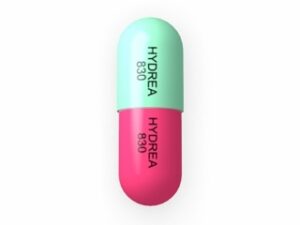
| Common form | Oral capsules and tablets (formulation varies by product) |
| How it works | Reduces DNA production in certain rapidly dividing cells |
| Typical use | Myeloproliferative neoplasms and some cancer-related indications |
| Monitoring | Regular blood tests (full blood count, sometimes kidney tests) |
| Storage | Store as directed on the pack (commonly at room temperature, protected from moisture/heat) |
How hydroxyurea works (mechanism of action)
Hydroxyurea works mainly by interfering with the steps cells need to copy their DNA before division. Specifically, it inhibits key enzymes involved in DNA synthesis, leading to reduced production of new blood cells and slower growth of rapidly dividing cells.
In the context of myeloproliferative neoplasms (such as polycythaemia vera, essential thrombocythaemia, and myelofibrosis), hydroxyurea helps:
- Reduce excessive blood cell production (red cells, platelets, and sometimes white cells)
- Lower the risk of complications such as clotting (thrombosis) and bleeding
- Control symptoms related to high cell counts (for example, enlarged spleen or disease-related discomfort)
In some cancer settings, it may be used because it can affect tumour cell growth, and because it may enhance the effects of radiation in certain regimens.
Pharmacokinetics (what the body does to hydroxyurea)
Pharmacokinetics describes how hydroxyurea is absorbed, distributed, metabolised, and eliminated. While exact values vary between individuals, the following points are helpful for understanding typical behaviour in the body:
- Absorption: Hydroxyurea is absorbed after oral dosing.
- Distribution: It distributes throughout the body, reaching blood-forming tissues and other target sites.
- Metabolism: Hydroxyurea is partly metabolised in the liver and other tissues.
- Elimination: It is eliminated mainly through the kidneys. Kidney function can influence drug levels.
- Half-life: The drug has a biological half-life that supports once-daily or alternate-day regimens in many patients (depending on indication and clinician plan).
Because hydroxyurea can affect blood cell production, the main “signal” of effect is usually seen through changing full blood count results over days to weeks, rather than immediately after a single dose.
Typical use in Australia
Hydroxyurea is used for:
- Myeloproliferative neoplasms (MPNs), including:
- Polycythaemia vera
- Essential thrombocythaemia
- Myelofibrosis (selected cases; often in combination with other therapies depending on goals and severity)
- Certain cancers (in specific treatment strategies as determined by oncology teams)
Your healthcare professional will decide whether hydroxyurea is appropriate based on your diagnosis, risk level, blood counts, organ function, and other medicines you take.
When to take hydroxyurea (timing and schedule)
Hydroxyurea is taken by mouth. Timing can vary depending on the specific product and regimen. Many people are prescribed:
- Once daily dosing, or
- Alternate-day dosing, especially during dose adjustment phases
Practical timing tips:
- Choose a time you can reliably remember (e.g., morning with breakfast or evening at the same time each day).
- Try to take doses consistently; if you miss a dose, follow your clinician’s instructions or product advice rather than “doubling up.”
- Keep a simple dose calendar to help avoid missed or repeated doses.
- Bring your dosing record to review appointments and blood test visits.
Food interactions (can you take it with meals?)
Hydroxyurea can generally be taken with or without food. However, food effects can vary by formulation and individual tolerance. For comfort and consistency, many people take it with a meal or shortly after food to reduce nausea.
Helpful suggestion: If you feel stomach discomfort, consider taking hydroxyurea with food. If you experience ongoing nausea or appetite loss, speak to your healthcare professional—supportive treatments may be available.
Alcohol and medicine interactions
Alcohol may affect the liver and can worsen side effects such as dizziness or nausea in some patients. There is no single universal rule, but it’s sensible to:
- Limit alcohol while you are starting or adjusting hydroxyurea.
- Avoid heavy drinking, especially if you have liver problems or low blood counts.
- Discuss your alcohol intake with your clinician, particularly if you take other medicines that interact with the liver or bone marrow.
Medicine interaction considerations: Hydroxyurea may interact with drugs that also suppress bone marrow or affect blood cell counts. It may also interact with medicines that influence kidney or liver function.
- Other medicines affecting blood counts: Some chemotherapy agents and other bone-marrow suppressing medicines can increase risk of low blood counts.
- Radiation therapy: Hydroxyurea can be used to enhance the effect of radiation in certain treatment plans.
- Live vaccines: Because hydroxyurea can lower immunity, live vaccines may be inappropriate while you are taking it. Ask your healthcare professional.
Always provide your pharmacist or clinician with a full list of medicines, supplements, and herbal products. This includes “natural” products, pain relief (especially NSAIDs), vitamins, and any frequent over-the-counter remedies.
Indications (what hydroxyurea is used for)
Hydroxyurea is used to treat selected conditions, most commonly blood disorders called myeloproliferative neoplasms. Indications may differ depending on clinical guidelines and local practice.
- Polycythaemia vera: helps control elevated red blood cell counts and reduce thrombotic risk.
- Essential thrombocythaemia: helps reduce high platelet counts and reduce complication risk.
- Myelofibrosis: may help control blood counts and disease-related symptoms in some patients.
- Certain cancers: used as part of specific chemotherapy and/or radiation strategies as determined by oncology teams.
Your individual reason for taking hydroxyurea—along with the goals of treatment—can be discussed by your healthcare professional. Goals often include preventing complications, controlling symptoms, and improving quality of life.
Dosing (how much to take)
Hydroxyurea dosing must be individualised. Factors include the condition being treated, baseline blood counts, kidney function, age, other medications, and how your blood counts respond.
Because hydroxyurea can cause significant effects on blood cell production, doses are commonly adjusted based on regular blood test results. Typical dosing regimens used in practice may include:
- Start low and adjust: Many patients begin with a conservative dose, then have dose changes based on blood counts.
- Use target blood count ranges: The aim is usually to keep counts controlled while avoiding severe drops.
- Pause or reduce if needed: If blood counts fall too low, treatment may be paused and restarted at a lower dose.
Important: This information is educational and does not replace your clinician’s dosing instructions. Never change the dose without guidance, and do not stop suddenly without discussing it.
Safety profile (side effects and risks)
Like many medicines that affect cell growth, hydroxyurea can cause side effects. The most important safety concern is suppression of bone marrow, leading to low blood counts.
Common or expected side effects
- Low blood counts (neutropenia, anaemia, or thrombocytopenia)
- Fatigue or tiredness
- Nausea, upset stomach, or loss of appetite
- Skin changes such as dryness or rash; in long-term use, some people develop leg ulcers or skin darkening
- Mouth sores (stomatitis)
- Fever or infections can occur if white blood cells drop
Serious risks – when to seek urgent help
Contact your healthcare professional urgently or seek emergency care if you experience signs of serious infection or bleeding, such as:
- Fever (especially if you have chills or feel unwell)
- Unusual bruising, bleeding gums, black/tarry stools, or blood in urine
- Severe weakness, shortness of breath, or chest pain
- Severe mouth sores preventing you from drinking or eating
Monitoring and why it matters
Regular blood tests help ensure hydroxyurea remains safe for you. Monitoring often includes:
- Full blood count (FBC) to track red cells, white cells, and platelets
- Kidney function tests (because drug elimination involves the kidneys)
- Sometimes liver function tests, depending on your situation
Practical use tips (how to take hydroxyurea safely)
- Attend all blood test appointments: Dose adjustments often depend on these results.
- Use careful handling: If you are given capsules or tablets, follow the product instructions for handling. Avoid crushing or opening capsules unless your clinician or pharmacist instructs otherwise. If tablets are split, do so only if the product design allows it safely.
- Prevent infection: Practice good hand hygiene and avoid close contact with people who have contagious illnesses. Ask your healthcare team what to do if you develop fever or symptoms of infection.
- Skin protection: Because skin changes can occur, use sun protection (SPF, hat, shade). Report persistent skin ulcers, worsening rash, or non-healing sores.
- Oral care: Use gentle mouth care. If you get mouth sores, ask about preventive or treatment strategies (for example, mouth rinses).
- Hydration: Maintain adequate fluid intake unless you have been told to restrict fluids for medical reasons.
- Keep a medication list: Include dose, schedule, and all other medicines. This helps pharmacists and doctors review interactions quickly.
If you miss a dose, do not attempt to correct it without advice. Many regimens require careful timing to avoid increasing side effects. Ask your pharmacist for guidance consistent with your dosing plan.
Alternative options (other treatment approaches)
Alternatives depend on your underlying condition (e.g., polycythaemia vera, essential thrombocythaemia, myelofibrosis, or cancer type), your risk category, symptoms, and your response to treatment.
Common alternatives or complementary options may include:
- Other cytoreductive medicines: depending on the condition, age, and risk factors.
- Targeted therapies: some patients may be offered newer treatments based on specific disease characteristics.
- Supportive care: symptom management, transfusions, or additional medications to reduce complication risk.
- Procedures or specialist approaches: in selected cases, other interventions may be considered.
Your haematologist/oncologist can explain which alternatives are suitable for you and why hydroxyurea was recommended. If you are experiencing side effects, it’s important to report them promptly—adjustments or switching options may be available.
Australia: market and legal context (what to expect)
In Australia, medicines are regulated by the Therapeutic Goods Administration (TGA). Availability of hydroxyurea products can vary by brand and formulation. Your local healthcare professional can advise on the best available option and how to access it.
For people managing chronic blood conditions, ongoing medication supply and routine monitoring are important. If you are ordering from an online pharmacy, reputable services in Australia will provide:
- Information about the product and dosage forms
- Clear delivery timeframes across Australian states and territories
- Transparent packaging and handling
- Customer support for delivery and product questions
If you are unsure about eligibility, supply pathways, or how to use your medicine safely, contact a qualified pharmacist.
Recent guidance and updates (what patients should know)
Treatment of myeloproliferative neoplasms evolves as new evidence becomes available. Clinical guidelines in Australia and internationally typically emphasise:
- Individualised risk assessment (including clotting risk and tolerance of therapy)
- Regular blood count monitoring and dose adjustment
- Managing side effects promptly, including skin toxicity and mouth ulcers
- Considering alternative or second-line options if targets are not achieved or side effects become limiting
Over time, clinicians may adjust dosing strategies and supportive care recommendations based on emerging data. Always ask your treating specialist what “targets” you should aim for in your blood counts and which side effects you should report immediately.
Delivery and availability (online pharmacy)
Hydroxyurea products may be available in different strengths and dosage forms depending on supply. Delivery timelines can vary by location, order method, and stock availability.
- Check product availability: If a specific strength or brand is out of stock, the pharmacy may be able to suggest alternatives consistent with your regimen.
- Confirm delivery details: Use an address where someone can receive parcels (if required).
- Storage on arrival: Store the medicine promptly as directed on the pack.
If you have questions about delivery dates, packaging, or compatibility with your dosing schedule, contact the pharmacy’s customer support.
FAQ – Frequently asked questions
1) What is hydroxyurea used for?
Hydroxyurea is used for certain blood disorders (notably myeloproliferative neoplasms such as polycythaemia vera and essential thrombocythaemia) and may be used in selected cancer treatment strategies as determined by specialists.
2) How quickly will hydroxyurea start working?
Blood count changes may be seen over days to weeks. Full benefits for blood cell control and symptom relief depend on your condition and dose adjustments. Regular blood tests help confirm whether treatment targets are being met.
3) Can I take hydroxyurea with food?
It is usually possible to take hydroxyurea with or without food. If it upsets your stomach, taking it with a meal may improve comfort. Use the same routine each day for consistency.
4) What should I do if I miss a dose?
Do not take extra doses unless your healthcare professional or pharmacist specifically advises it for your regimen. Because dosing schedules can vary (daily vs alternate day), the safest approach is to ask your pharmacist how to handle the specific missed-dose situation.
5) What blood test changes are expected?
The goal is typically to reduce elevated counts (for example, high platelets or red blood cells) while avoiding excessive drops. Your clinician uses blood tests to adjust the dose.
6) When should I call a doctor urgently?
Seek urgent medical advice if you develop signs of serious infection (especially fever), unusual bleeding, severe bruising, black/tarry stools, or severe weakness/shortness of breath. Prompt assessment can be critical if blood counts drop.
7) Does hydroxyurea lower immunity?
It can. By suppressing bone marrow, hydroxyurea may lower white blood cell counts, increasing infection risk. Take precautions and report fever or signs of infection promptly.
8) Are there long-term skin effects?
Skin changes can occur, and long-term use in some patients may be associated with ulcers or persistent skin lesions. Use sun protection and report non-healing sores, worsening rash, or leg ulcers to your healthcare team.
9) Can I drink alcohol while taking hydroxyurea?
If you choose to drink alcohol, it’s best to do so cautiously and avoid heavy drinking. Alcohol can worsen side effects and affect organs involved in drug handling. Ask your clinician if you have liver disease or other risk factors.
10) What other medicines can interact with hydroxyurea?
Interactions depend on your full medication list. Medicines that affect bone marrow or immune function may increase risks. Always review all prescriptions, over-the-counter medicines, supplements, and herbal products with your pharmacist.
Summary
Hydroxyurea is an oral medicine used to treat conditions such as polycythaemia vera and essential thrombocythaemia, and may be used in certain cancer regimens. It works by slowing DNA synthesis in rapidly dividing cells, helping control abnormal blood cell production.
Safe use relies on:
- Regular monitoring through blood tests
- Following an individualised dosing schedule
- Reporting side effects—especially infection signs or bleeding—promptly
- Considering food and general lifestyle factors (including cautious alcohol use and sun protection)
If you have questions about your specific dosing schedule, side effects, or how hydroxyurea fits into your overall treatment plan, contact your healthcare professional or pharmacist.