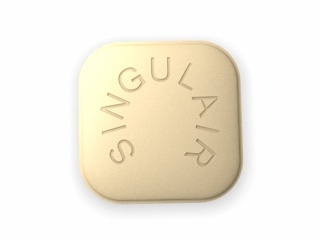
Singulair (Montelukast) — Patient Information (Australia)
Singulair is a medicine containing montelukast. It is used to help control certain allergy-related breathing problems and to reduce symptoms in people with asthma and/or allergic rhinitis (hay fever). This page explains how Singulair works, how it’s typically taken, key safety information, and practical tips for everyday use in Australia.
Note: Always follow the instructions provided by your healthcare professional and the Consumer Medicine Information (CMI) supplied with your product.
1) Basic product information
| Medicine | Active ingredient | Common forms | Typical dosing frequency |
|---|---|---|---|
| Singulair | Montelukast | Tablets (strength varies by country/brand); oral granules for some ages | Once daily |
What it’s used for: Often for asthma control and/or prevention of exercise-induced bronchoconstriction, and for symptoms of allergic rhinitis (hay fever), depending on age and the prescribed regimen.
2) How Singulair works (mechanism of action)
Montelukast is a leukotriene receptor antagonist. Leukotrienes are substances released by the body during allergic reactions and airway inflammation. They can cause:
- Narrowing of the airways (bronchoconstriction)
- Inflammation in the lining of the airways
- Increased mucus production
Singulair blocks the leukotriene D4 (CysLT1) receptor, helping reduce the inflammatory and bronchoconstrictive effects driven by leukotrienes. This can lead to improved breathing, fewer symptoms, and better overall control for people whose asthma or allergic rhinitis is influenced by leukotrienes.
3) Pharmacokinetics (how the body handles montelukast)
While individual responses can vary, the following are general features of montelukast pharmacokinetics:
- Absorption: Montelukast is absorbed after oral administration. It can be taken with or without food.
- Peak concentration: Blood levels typically peak within a few hours after dosing.
- Distribution: It distributes into body tissues.
- Metabolism: The liver metabolises montelukast through pathways including CYP enzymes (exact pathways vary in different references).
- Elimination: It is cleared from the body mainly via bile/feces and partly via urine.
- Half-life: The medicine is designed for once-daily dosing in many regimens.
Kidney or liver considerations: Dosing and suitability may depend on age and underlying conditions. Your pharmacist or clinician can advise if you have liver disease or take medicines that may interact.
4) Typical use in Australia
Singulair is used as a controller medicine in selected patients. Common uses include:
- Asthma (age-dependent): Helps prevent symptoms and attacks by reducing leukotriene-driven inflammation.
- Prevention of exercise-induced bronchoconstriction: Helps reduce airway narrowing triggered by exercise in some patients.
- Allergic rhinitis (hay fever): Helps relieve symptoms such as sneezing, runny nose, nasal itching, and congestion in some patients.
Important: Singulair is not a “reliever” medicine for sudden asthma attacks. It’s intended to be taken regularly to help prevent symptoms.
5) When to take Singulair (timing and missed doses)
Singulair is usually taken once daily, often in the evening. Your specific schedule may depend on the condition being treated and your age.
- Best time: Follow your prescribed instructions; many people take it in the evening.
- Consistency matters: Taking it at the same time each day helps maintain steady control.
- If you miss a dose: Take it when you remember if it’s close to the next scheduled dose. If you’re near the time for the next dose, skip the missed dose and resume your usual schedule. Do not take a double dose.
If you have questions about a missed dose, ask your pharmacist for guidance based on your schedule.
6) Food interactions
Food: Montelukast can generally be taken with or without food. Taking it with food may help some people avoid mild stomach upset, but it’s not usually required.
Dietary supplements: There are no widely recognised food-based restrictions specific to montelukast. However, if you’re taking other medicines, it’s still best to check for interactions.
7) Alcohol and medicine interactions
Alcohol
There is no common recommendation that people must avoid alcohol specifically when taking montelukast. However, alcohol may worsen asthma symptoms or allergic conditions in some people by affecting airway tone, sleep quality, and reflux. If you notice your breathing or symptoms worsen after alcohol, consider reducing intake and discuss with your healthcare provider.
Interactions with other medicines
Montelukast can interact with some medicines. A few points to consider:
- Enzyme inducers: Some medicines that strongly induce liver enzymes may reduce montelukast levels (this can make it less effective).
- Enzyme inhibitors: Some medicines may increase montelukast levels (which could increase side effects).
- Asthma/allergy medicines: Singulair is commonly used alongside inhaled preventers (such as inhaled corticosteroids) and sometimes with antihistamines or nasal sprays.
Practical advice: Provide your pharmacist or doctor with a complete list of all medicines you take, including:
- Prescription medicines
- Over-the-counter products
- Herbal remedies (e.g., St John’s wort)
- Supplements
This helps ensure montelukast is compatible with your current regimen.
8) Indications (what it can be used for)
In Australia, montelukast products are used for specific indications depending on the age and product form. These may include:
- Asthma control (as add-on or for certain patients, depending on clinical judgement)
- Prevention of exercise-induced bronchoconstriction
- Symptomatic relief of allergic rhinitis (hay fever)
Key reminder: The exact indications and eligibility may differ by age and local product information. Your clinician will confirm the reason you’re taking Singulair.
9) Dosing (general guidance)
Dose depends on age, condition, and the formulation (tablets vs oral granules). The following is general information:
- Children: Dosing is typically based on age and is often once daily, usually in the evening.
- Adults and adolescents: Dosing is also typically once daily, with the exact strength depending on the prescription details.
Always check your package label and the Consumer Medicine Information: The safest approach is to take the exact dose written for you.
Do not adjust your dose without medical advice.
10) Safety profile (what to know)
Like all medicines, Singulair can cause side effects. Many people tolerate it well, but it’s important to be aware of possible reactions and what to do.
Common side effects
These may be mild and temporary. Possible side effects reported with montelukast include:
- Headache
- Abdominal discomfort, nausea
- Viral infections (e.g., common cold symptoms)
- Fatigue or sleep disturbance (varies by person)
Serious side effects (seek urgent help if needed)
Most people do not experience serious side effects, but you should seek urgent medical attention if you develop:
- Allergic reactions (e.g., swelling of face/lips, difficulty breathing, widespread rash)
- Severe worsening asthma not responding to your usual reliever plan
Neuropsychiatric reactions (important)
Montelukast has been associated with neuropsychiatric events. These can include changes in mood or behaviour and, in some cases, sleep-related or psychological symptoms.
Contact a healthcare professional promptly if you or a child taking montelukast experience:
- Agitation, irritability
- Anxiety or mood changes
- Unusual dreams, nightmares
- Sleep disturbances
- Hallucinations, depression, or suicidal thoughts/behaviour
Do not ignore symptoms: Early discussion can help determine whether ongoing use is appropriate.
Asthma safety note
If you use an inhaled reliever (e.g., a rapid-acting bronchodilator), continue to keep it available as directed. Singulair is a preventive medicine for many patients but does not replace emergency treatment for sudden symptoms.
11) Practical use tips
- Take consistently: For controller benefits, Singulair should be taken regularly at the same time each day.
- Use your asthma action plan: If you have asthma, follow your written plan for symptom worsening and emergencies.
- Track symptoms: Consider noting triggers (exercise, allergies, colds) and symptom patterns to discuss at follow-up.
- Adherence support for children: Use reminders and link dosing to an evening routine.
- Don’t stop suddenly without advice: If your symptoms are controlled, continuing is usually part of the plan. If you want to stop, discuss it with a clinician first.
- Report new symptoms early: Especially mood, behaviour, or sleep changes.
12) What to do if symptoms aren’t improving
If your asthma symptoms remain uncontrolled or your allergic rhinitis symptoms persist, it doesn’t necessarily mean Singulair isn’t working. It may indicate:
- Inadequate inhaler technique or missing controller doses (for asthma)
- Ongoing exposure to triggers
- An infection or another cause of symptoms
- Need for adjustment of your overall treatment plan
Seek medical advice if symptoms worsen, reliever use increases, or you’re waking at night due to breathing symptoms.
13) Alternative options
Depending on your diagnosis and age, other medicines and approaches may be considered. Alternatives may include:
For allergic rhinitis (hay fever)
- Intranasal corticosteroids (often first-line for many people)
- Oral antihistamines (non-drowsy or sedating, depending on the product)
- Antihistamine eye drops or nasal sprays for specific symptoms
For asthma
- Inhaled corticosteroids (controller)
- Combination inhalers (inhaled corticosteroid + long-acting bronchodilator)
- Short-acting reliever inhalers for rescue
Non-medicine strategies
- Allergen avoidance where possible
- Dust mite reduction measures
- Smoking avoidance and air quality management
- Breathing education and correct inhaler technique
Your best option depends on severity, symptom pattern, triggers, age, and response to treatment. Discuss with your healthcare provider before switching.
14) Singulair in the Australian market and legal context
In Australia, medicines are regulated by the Therapeutic Goods Administration (TGA). Availability and classification can vary by product and strength. Online pharmacies must comply with Australian laws and regulations regarding:
- Proper supply chain and product authenticity
- Correct labelling and Consumer Medicine Information (CMI)
- Safe dispensing practices
- Privacy and health information handling
Consumer Medicine Information: For specific details (such as strength, dosage by age, contraindications, and full side effect lists), refer to the CMI provided with your specific Singulair product.
15) Recent guidance and important updates (what patients should know)
In recent years, montelukast safety communications have emphasised awareness of neuropsychiatric reactions. Healthcare professionals and patients are encouraged to:
- Monitor for mood, behaviour, and sleep changes
- Stop and seek advice if concerning symptoms occur
- Ensure montelukast is used for appropriate indications and with benefit–risk in mind
Guidance can also vary with evolving clinical recommendations for asthma and allergic rhinitis management. If you’re currently using Singulair or considering starting it, it’s a good idea to discuss whether it remains the best option for your situation.
16) Delivery and availability (Australia)
Availability: Singulair is widely available through Australian pharmacies. Stock levels may vary between suppliers and regions.
Online pharmacy delivery: Many online pharmacies offer home delivery within Australia. Delivery times depend on location, weekend/public holiday schedules, and parcel dispatch cut-offs.
- Order handling: Orders are typically processed on business days.
- Packaging: Medicines are usually packed with protective materials and temperature considerations as required.
- Tracking: Some deliveries include tracking updates.
Important: Always check the expiry date and ensure the product is stored as directed on the pack.
17) Storage
Store Singulair according to the instructions on the packaging and CMI. In general:
- Keep out of reach of children.
- Store below the recommended temperature (as stated on the label).
- Keep container tightly closed.
- Do not use after the expiry date.
18) FAQ
Is Singulair a steroid?
No. Singulair (montelukast) is not a corticosteroid. It works by blocking leukotriene receptors involved in allergic inflammation.
How fast does Singulair work?
Some people notice improvements within days, especially for allergic rhinitis symptoms. Asthma benefits may build over time as inflammation is reduced. The medicine is designed for regular daily use rather than immediate relief.
Can I take Singulair with my other asthma medicines?
Often, yes. Singulair is commonly used alongside inhaled preventers and relievers as part of an asthma management plan. If you’re unsure, confirm with your pharmacist—especially if you take multiple respiratory medicines.
Does Singulair replace my reliever inhaler?
No. Singulair is not intended for sudden asthma attacks. You should continue using your reliever medicine as directed in your action plan.
Should it be taken in the morning or evening?
Many regimens recommend once daily in the evening. Follow the dosing instructions on your product label or provided by your healthcare professional. If you’re changing the time, keep a consistent schedule and ask your pharmacist if it’s appropriate.
What should I do if my child develops unusual behaviour or sleep problems?
Contact your healthcare professional promptly. Neuropsychiatric reactions, including sleep disturbances and mood or behavioural changes, have been reported with montelukast. Don’t wait for symptoms to become severe.
Can I drink alcohol while taking Singulair?
There is generally no direct alcohol contraindication with montelukast, but alcohol can affect asthma and overall symptom control in some people. If alcohol worsens your breathing or triggers reflux, consider limiting intake and discuss with your clinician.
Are there any food restrictions?
No specific food restrictions are required. Singulair can usually be taken with or without food.
What if I forget to take a dose?
Take it when you remember unless it’s close to the next dose. If it’s nearly time for your next dose, skip the missed one and return to your regular schedule. Do not take a double dose.
Are there alternatives to Singulair?
Yes. Depending on whether your condition is asthma, allergic rhinitis, or both, alternatives may include intranasal corticosteroids, antihistamines, inhaled corticosteroids, and other asthma controllers. Your clinician can recommend the most appropriate option for your age and symptoms.
Who should be extra cautious?
If you or your child has a history of mental health conditions, sleep disorders, or prior reactions to montelukast, discuss the risks and benefits with your healthcare professional before starting or continuing.
Disclaimer: This information is general and intended to help you understand Singulair (montelukast). It does not replace personalised medical advice. If you have questions about suitability, dosing, or side effects, consult your pharmacist or healthcare professional.