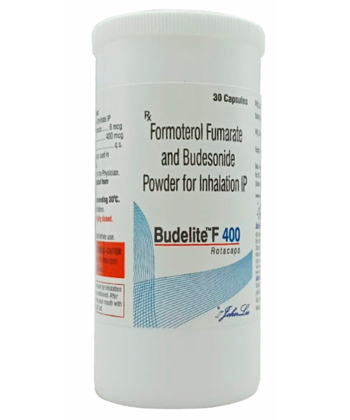
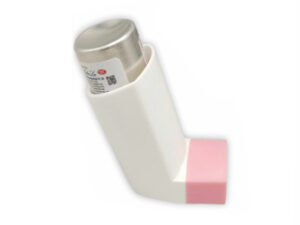
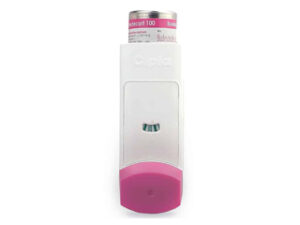
Budesonide/Formoterol Rotacaps (inhaler) – Patient Information (Australia)
Budesonide formoterol Rotacaps is an inhaled medicine used to help control long-term breathing problems, especially asthma and chronic obstructive pulmonary disease (COPD). It combines: budesonide (an inhaled corticosteroid) and formoterol (a long-acting bronchodilator).
This page explains how the medicine works, how it is used, what to expect, and important safety information. It is written to be patient-friendly and suitable for use on an online pharmacy website in Australia.
Key product details
| Feature | What to know |
|---|---|
| Medicine | Budesonide / Formoterol |
| Dosage form | Rotacaps for inhalation (used with a compatible Rotacap inhaler device) |
| Common uses | Asthma maintenance; COPD maintenance (as advised) |
| How it helps | Reduces airway inflammation (budesonide) and relaxes airway muscles/opens airways (formoterol) |
| Onset | Formoterol can act relatively quickly; budesonide helps over days |
| Where it acts | Primarily in the lungs (inhaled) |
Rotacaps are designed to be used through a specific inhaler device. Always follow the device instructions provided with your product. If you are unsure which device to use, check your packaging or speak to a pharmacist.
What is budesonide/formoterol and how does it work?
1) Budesonide (inhaled corticosteroid)
Budesonide belongs to the group of medicines called inhaled corticosteroids (ICS). It works by reducing airway inflammation—a key driver of asthma and COPD symptoms. Over time, it helps make airways less sensitive to triggers and can reduce flare-ups.
2) Formoterol (long-acting bronchodilator)
Formoterol is a long-acting beta2-agonist (LABA). It relaxes the muscles around the airways, helping them open and reducing breathlessness, wheeze, and chest tightness. Formoterol can begin working relatively quickly compared with some other LABAs.
Combined effect
Using both medicines together provides two complementary actions:
- Inflammation control (budesonide) to support long-term stability
- Airway opening (formoterol) to improve breathing and symptom control
Pharmacokinetics (how the body handles the medicine)
Because budesonide/formoterol is inhaled, most of the dose is intended to deposit in the lungs. The remainder may be swallowed and processed through the digestive tract. Absorption and elimination vary between individuals depending on inhalation technique and lung deposition.
Budesonide
- Absorption: Inhaled budesonide is absorbed from the lungs; some is swallowed.
- Metabolism: Budesonide is extensively metabolised in the liver.
- Elimination: Metabolites are eliminated primarily via the kidneys.
- Impact of time: The anti-inflammatory benefits typically build gradually over several days.
Formoterol
- Absorption: Inhaled formoterol is absorbed from the lungs; small swallowed amounts contribute to overall absorption.
- Metabolism: Formoterol is metabolised in the liver (through pathways including enzymes).
- Elimination: Primarily via the kidneys, as metabolites and conjugates.
- Duration: As a long-acting bronchodilator, effects typically last around half a day or longer (individual variation exists).
If you have liver impairment, inform your doctor or pharmacist, as medicines metabolised by the liver may require extra caution.
Typical use and timing
Budesonide/formoterol is intended for regular, ongoing use to maintain symptom control. The exact schedule depends on your condition, strength, and treatment plan.
When to take it
- Usually taken twice daily (morning and evening) for maintenance—unless your clinician advises otherwise.
- Try to take doses at similar times each day to maintain steady medicine levels.
- If your symptoms worsen or you need extra relief, seek advice about using your reliever medicine plan.
How fast it works
- Formoterol: may provide symptom relief relatively quickly after inhalation.
- Budesonide: improves inflammation over days; benefit is often noticeable after consistent use.
Food interactions
In general, there are no significant food-drug interactions expected with inhaled budesonide/formoterol. Because the medicine is delivered through the lungs, systemic exposure from swallowed medication is relatively limited.
However, if you are using multiple medicines (including tablets that affect liver enzymes), discuss them with your pharmacist. If you experience unexpected side effects after starting the inhaler, ask for advice.
Alcohol and medicine interactions
Alcohol
Moderate alcohol intake is not generally expected to directly interact with inhaled budesonide/formoterol. That said, alcohol can worsen breathing symptoms in some people and may contribute to dehydration or sleep disruption. If alcohol triggers your asthma or affects your breathing, consider avoiding it or limiting intake.
Important medicine interactions
Some medicines can affect how budesonide and formoterol work or increase side effects. Inform your pharmacist if you take any of the following (or if you start new medicines):
- Beta-blockers (including some eye drops): can reduce bronchodilator effect or worsen breathing.
- Strong CYP3A4 inhibitors (for example, some antifungals and certain antibiotics) may increase budesonide levels.
- Other asthma/COPD medicines (especially other inhaled bronchodilators): may increase risk of side effects if doses overlap.
- Diuretics (“water tablets”) and some other medicines that affect potassium: can increase risk of low potassium when combined with beta2-agonists.
- Antidepressants (some types) and other medicines affecting heart rhythm: may increase the risk of heart-related side effects.
This list is not exhaustive. If you are unsure whether your medicines interact, ask a pharmacist. Keep an up-to-date list of your medicines and bring it to appointments.
Indications (what it is used for)
Budesonide/formoterol Rotacaps may be used in Australia for:
- Asthma – as maintenance therapy for people who require both inhaled corticosteroid and long-acting bronchodilation.
- COPD – maintenance treatment to help control symptoms and reduce exacerbations in suitable patients.
The best choice of inhaler regimen depends on your symptoms, lung function, previous treatments, and personal risk factors. Your pharmacist can help explain how your prescribed plan fits your condition.
Dose guidance (general information)
Your dosing should follow the plan given by your clinician. Strength and dose schedules vary by product brand, and by whether it’s for asthma or COPD.
Common maintenance dosing patterns
- Asthma: typically taken at regular intervals (often twice daily), with adjustments based on control.
- COPD: typically taken on a regular schedule to maintain bronchodilation.
For accurate dosing, always check:
- the strength listed on your Rotacaps pack
- the number of capsules per dose shown on your treatment plan
- the frequency (for example morning and evening)
If you miss a dose
- Take it as soon as you remember, unless it is close to the time of the next dose.
- If it is nearly time for the next dose, skip the missed dose.
- Do not double to make up for a missed dose.
Do not exceed your prescribed maximum
Overuse of beta2-agonists can increase side effects (such as tremor or fast heartbeat). If your symptoms are not controlled, it’s important to seek advice rather than increasing doses on your own.
Safety profile and side effects
Like all medicines, budesonide/formoterol can cause side effects. Many are mild and improve as your body adjusts. Some effects require urgent attention.
Common side effects
- Sore throat or hoarseness
- Oral thrush (especially if mouth is not rinsed after inhalation)
- Headache
- Tremor or shakiness
- Palpitations (awareness of heartbeat)
- Muscle cramps or mild dizziness
Less common but important side effects
- Low potassium (hypokalaemia) may occur, particularly if combined with other medicines that lower potassium.
- Raised blood sugar in some people, especially those at risk for diabetes.
- Temporary increase in asthma/COPD symptoms if inhalation technique is poor or doses are missed.
Seek urgent medical help if you have
- Severe shortness of breath, worsening wheeze, or symptoms that rapidly deteriorate
- Chest pain, fainting, or severe/irregular heartbeat
- Allergic-type reactions such as swelling of the face/lips, hives, or severe rash
If you are unsure whether symptoms are serious, contact your local health service or call a medical advice line.
Thrush prevention (important)
Inhaled corticosteroids can cause thrush (oral fungal infection) in some people. The risk can be reduced by:
- Rinsing your mouth with water after each dose
- Spitting out the rinse water (do not swallow)
Practical tips for using Rotacaps correctly
Correct inhaler technique is one of the most important factors for getting the full benefit. Rotacaps are inhaled using a compatible Rotacap inhaler device.
Before you start
- Check the expiry date on the pack.
- Only remove the Rotacap from the blister immediately before use.
- Do not swallow the capsule.
Step-by-step technique (general guidance)
- Step 1: Open the device and place one capsule into the capsule chamber.
- Step 2: Close the mouthpiece securely.
- Step 3: Pierce the capsule as instructed by your device, if your device has a piercing mechanism.
- Step 4: Exhale fully away from the mouthpiece.
- Step 5: Seal your lips around the mouthpiece and inhale fast and deeply.
- Step 6: Hold your breath for a few seconds (as comfortable), then breathe out gently.
- Step 7: Open the device, remove the empty capsule, and check it is empty.
If you feel medicine is not reaching your lungs (for example, taste in the mouth or capsules remain partially intact), your technique may need adjustment. Ask a pharmacist to observe your inhaler technique.
Maintenance and storage
- Store Rotacaps as directed on the packaging (typically in their blister packs).
- Keep the inhaler device clean and dry; follow the manufacturer’s instructions for cleaning.
Alternative options (other medicines/inhaler types)
There are several inhaled treatment options for asthma and COPD. Alternatives may include:
- ICS alone (for some asthma patients)
- Other ICS/LABA combinations (different dose strengths and delivery devices)
- Triple therapy for COPD in some people (for example, ICS + LABA + LAMA)
- Different inhaler devices (pMDI, DPI, nebulised options) depending on preference and ability to use devices correctly
The “best” alternative depends on your diagnosis, symptom pattern, exacerbation history, inhaler technique, and any other health conditions. A pharmacist can help you compare options and discuss what may suit you.
Australia market and legal context (consumer-friendly)
In Australia, asthma and COPD medicines are supplied according to Therapeutic Goods Administration (TGA) and Australian Government regulations. Availability of inhaled medicines is typically supported through pharmacy supply channels.
Budesonide/formoterol products are established medicines used by many Australians for long-term airway conditions. Product strengths and exact dosing schedules may vary across brands and formulations.
Your healthcare team may also update treatment plans based on newer clinical evidence and guideline updates. Always check that you have the correct strength and instructions for your Rotacaps.
Recent guidance and ongoing updates
Guidance for asthma and COPD management can evolve over time. Clinicians consider factors such as:
- how often symptoms occur
- risk of flare-ups and hospital presentations
- current inhaler adherence and technique
- appropriate use of rescue medication
If your condition is not controlled, or if you have frequent flare-ups, ask your pharmacist or clinician about whether your current inhaler regimen remains the best option for you.
Delivery and availability (online pharmacy information)
Budesonide/formoterol Rotacaps are commonly available through Australian pharmacy supply. Availability can vary by brand and strength, so it’s helpful to confirm:
- the exact product name and strength you need
- the size of supply (for example, pack count)
- compatibility with your inhaler device
Delivery options may include standard and express shipping depending on your location and order volume. Cold-chain storage is generally not required for typical Rotacap products, but always store the medicine as directed on the pack.
If you have urgent symptom control needs, contact the pharmacy before ordering to confirm dispatch times.
Frequently asked questions (FAQ)
1) Is budesonide/formoterol used for quick relief?
It is primarily used as maintenance therapy. Formoterol can provide faster symptom relief than some other long-acting bronchodilators, but you should still follow your personal action plan and use your recommended reliever medicine for sudden symptoms.
2) Do I need to rinse my mouth after using Rotacaps?
Yes. Rinsing your mouth and spitting out after each dose can reduce the risk of thrush and hoarseness.
3) What if I taste the medicine or my capsule isn’t empty?
This may mean your inhalation technique needs improvement. Try to inhale fast and deeply. If the problem continues, ask a pharmacist to check your technique or device settings.
4) Can I use this medicine if I have a cold or viral infection?
Often, you should continue your maintenance inhaler as usual. However, respiratory infections can temporarily worsen symptoms. If you are getting worse quickly, have fever, or need extra rescue medication more than advised, seek medical advice.
5) Are there any lifestyle tips to improve control?
Helpful steps include:
- avoiding known asthma/COPD triggers (smoke, dust, strong fumes)
- getting regular vaccinations as recommended
- reviewing inhaler technique periodically
- staying active within your capacity and following pulmonary rehabilitation advice for COPD
6) Can I stop budesonide/formoterol once I feel better?
Typically, maintenance inhalers should not be stopped suddenly. Symptoms may return. If you’re considering stopping or changing dose, discuss it with your clinician or pharmacist first.
7) What should I do if I get side effects?
Mild side effects like tremor, headache, or hoarseness can occur. If side effects are persistent or worrying, ask a pharmacist for advice. Seek urgent help for severe breathing worsening, chest pain, fainting, or swelling/rash suggestive of allergy.
8) Does it interact with other inhalers?
Some overlap may increase side effects. Always tell your pharmacist what inhalers you use. If you use a reliever inhaler (often a short-acting beta2-agonist), follow your written action plan.
9) Is it safe during pregnancy or breastfeeding?
Many people require ongoing asthma/COPD treatment during pregnancy or breastfeeding. Safety depends on your specific situation and risk factors. Discuss treatment options with your clinician promptly.
10) How should I store Rotacaps and the inhaler device?
Store Rotacaps in their packaging as directed. Keep the inhaler device clean and dry. Do not expose capsules to moisture and heat beyond what’s described on the label.
When to talk to a pharmacist or clinician
Please contact your healthcare professional if:
- your breathing symptoms are not improving despite correct use
- you need rescue medication more often than usual
- you experience frequent nighttime symptoms or flare-ups
- you develop signs of thrush or ongoing hoarseness
- you have concerns about side effects, other medicines, or long-term use
With correct technique and consistent use, budesonide/formoterol Rotacaps can be an effective part of long-term airway management.