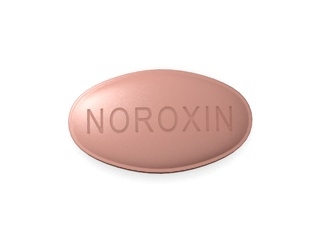
Noroxin (Norfloxacin) – Patient Information (Australia)
Noroxin contains norfloxacin, a fluoroquinolone antibiotic used to treat certain bacterial infections. This guide explains how norfloxacin works, how it’s used, common interactions, safety considerations, and practical tips to help you get the best outcome from treatment.
Important: This information is general and cannot replace advice from a healthcare professional. If you have any concerns about your specific situation, ask a pharmacist or doctor.
Quick overview
- Medicine: Noroxin (norfloxacin)
- Type: Antibiotic (fluoroquinolone class)
- Common uses: Certain urinary tract and gastrointestinal infections caused by susceptible bacteria
- How it works: Stops bacteria from copying their DNA, preventing growth and spread
- Key interactions: Antacids and supplements containing aluminium/magnesium, and iron/zinc reduce absorption; some other medicines can increase side effects
- Alcohol: Avoid or limit; it may worsen dizziness and reduce tolerance of side effects
Basic product information
| Category | Details |
|---|---|
| Generic name | Norfloxacin |
| Brand name | Noroxin |
| Medicine class | Fluoroquinolone antibiotic |
| Formulations | Commonly tablets (strengths may vary by product packaging) |
| Route of administration | Oral |
| Main targets | Certain Gram-negative bacteria (especially in urinary and some gastrointestinal infections) |
How norfloxacin works (mechanism of action)
Norfloxacin belongs to the fluoroquinolone family of antibiotics. It works by inhibiting bacterial enzymes involved in DNA replication and repair:
- DNA gyrase (topoisomerase II)
- Topoisomerase IV
By blocking these enzymes, norfloxacin prevents bacteria from multiplying, helping your immune system clear the infection. It is effective only against bacteria (not viruses like the common cold or flu).
Pharmacokinetics (how the body handles it)
Pharmacokinetics describe how a medicine is absorbed, distributed, metabolised, and eliminated.
Absorption
- Norfloxacin is absorbed after oral dosing.
- Food and minerals can reduce absorption for some people.
- To help absorption, healthcare professionals often advise taking it with guidance about meals and avoiding certain supplements around doses.
Distribution
- After absorption, norfloxacin distributes through body tissues.
- Higher concentrations can be present in the urinary tract, which is why it has been used for urinary infections.
Metabolism and elimination
- Norfloxacin is cleared primarily through the kidneys.
- People with reduced kidney function may require adjustment and closer monitoring.
Typical uses (indications)
Norfloxacin is used to treat infections caused by bacteria susceptible to it. In practice, it may be considered for:
- Uncomplicated urinary tract infections (UTIs), including some cases of cystitis, depending on local guidelines and bacterial resistance patterns.
- Certain gastrointestinal infections such as those caused by susceptible Gram-negative organisms.
- Other site-specific infections when norfloxacin is considered appropriate based on bacterial susceptibility and clinical factors.
Why susceptibility matters: Many antibiotics work only when the bacteria are sensitive to that antibiotic. Taking norfloxacin for an infection caused by resistant organisms can lead to poor outcomes and can contribute to antibiotic resistance.
Timing and how to take Noroxin
Follow the dosing instructions given by your clinician or on the product label. The sections below describe common guidance used in general practice.
When to take it
- Usually spaced evenly across the day to maintain effective levels.
- Take it for the full course even if you feel better early.
With or without food
- Food can affect absorption. Some antibiotics in this class are best taken at a consistent time relative to meals.
- For best results, take it as directed and maintain the same approach each day unless your pharmacist advises otherwise.
A practical routine example
If your regimen is twice daily, a common schedule is:
- Morning dose: e.g., 7–9 AM
- Evening dose: e.g., 7–9 PM
If your clinician prescribed three or four times daily, your pharmacist can help align doses with your meals and routine.
Food interactions
Some foods and dietary supplements can interfere with absorption. The most important interactions are with multivalent cations (minerals) such as:
- Aluminium and magnesium (often found in some antacids)
- Iron
- Zinc
- Calcium (less severe than iron/antacids in many cases, but may still matter)
What to do:
- Avoid taking antacids or mineral supplements at the same time as norfloxacin.
- Ask your pharmacist how much time to separate doses (often several hours, depending on product and regimen).
- Keep a list of your supplements and discuss them before starting treatment.
Note: Alcohol, dairy, and coffee/tea may affect tolerability or absorption for some antibiotics, but the most clinically significant reductions are generally linked to mineral-containing products.
Alcohol and medicine interactions
Alcohol
While an absolute “forbidden” rule isn’t always stated for every antibiotic, it’s generally wise to avoid alcohol or keep it to a minimum during treatment with norfloxacin because:
- Both infection and fluoroquinolones can cause dizziness or tiredness.
- Alcohol may worsen nausea and reduce recovery.
- It can increase the risk of dehydration, especially if you have diarrhoea or poor intake.
Other medicine interactions
Norfloxacin can interact with several types of medicines. Tell your pharmacist or doctor if you take any of the following:
- Antacids and mineral supplements (aluminium/magnesium, iron, zinc): may reduce absorption.
- Blood-thinning medicines (warfarin): may increase bleeding risk in some situations; monitoring may be needed.
- Medicines that affect heart rhythm: some fluoroquinolones can influence the electrical activity of the heart; your clinician may consider your risk factors.
- Theophylline (and related medicines): may increase theophylline levels and side effects.
- Corticosteroids: concurrent use with fluoroquinolones may increase risk of tendon problems in certain patients.
- Diabetes medicines (e.g., insulin or sulfonylureas): rare changes in blood sugar can occur; monitor symptoms and glucose.
- Non-steroidal anti-inflammatory drugs (NSAIDs) or other medicines that can affect the nervous system: may increase risk of certain nervous system effects in susceptible people.
Always check: If you’re not sure whether a medicine or supplement might interact, ask a pharmacist. Even “natural” products can sometimes affect interactions.
Recommended dosing (general guidance)
Doses vary by the infection type, severity, kidney function, and local resistance patterns. Use your exact prescribed instructions and the product label.
Common dosing patterns (examples)
- For some urinary infections, clinicians may prescribe a course using twice-daily dosing.
- For certain gastrointestinal infections, a clinician may use a different schedule.
How to adjust for kidney function
- Norfloxacin is cleared largely by the kidneys.
- If you have kidney impairment, your dose may need adjustment.
Missed dose
- Take it when you remember if it’s close to the next dose and you have not missed it by much.
- If it’s near the next scheduled dose, skip the missed dose.
- Do not double up to make up for a missed dose.
Safety profile and important precautions
Like all medicines, norfloxacin can cause side effects. Many people tolerate it well, but fluoroquinolones have some specific risks that should be understood before starting.
Common side effects
- Nausea
- Diarrhoea
- Headache
- Dizziness or light-headedness
- Abdominal discomfort
Serious side effects (seek urgent medical help)
Contact urgent medical services or seek prompt advice if you experience:
- Signs of an allergic reaction (swelling of face/lips, difficulty breathing, hives)
- Severe or persistent diarrhoea, especially if watery or with blood or mucus (possible antibiotic-associated colitis)
- Tendon pain or swelling (e.g., Achilles pain), especially within the first weeks of treatment; stop exercise and seek medical advice promptly
- Numbness, tingling, burning pain in hands/feet or sudden weakness (possible nerve effects)
- Severe dizziness, confusion, seizures, hallucinations, or other significant nervous system symptoms
- Unusual palpitations, fainting, or chest symptoms
- Severe rash or skin reactions
Who should use extra caution?
- People with a history of tendon disorders or previous tendon injury related to fluoroquinolones
- Those on corticosteroids
- People with known heart rhythm conditions or risk factors
- People with seizure disorders or predisposition to seizures
- Older adults may be more susceptible to side effects and may require closer monitoring
Driving and operating machinery
Norfloxacin can cause dizziness or tiredness in some people. Until you know how it affects you, be cautious with driving, cycling, or operating machinery.
Practical use tips
- Take it consistently: Follow the same timing daily.
- Finish the course: Stopping early can allow infection to return.
- Hydrate: Drinking water may help urinary comfort and supports recovery.
- Separate mineral products: Keep antacids/iron/zinc away from your norfloxacin doses—your pharmacist can provide exact timing.
- Monitor symptoms: If symptoms do not improve within the expected timeframe, contact your clinician.
- Watch for diarrhoea: Report severe or ongoing diarrhoea promptly.
- Do not share antibiotics: Different infections require different treatments.
Alternative options (discuss with your clinician)
Depending on the site of infection, the suspected or confirmed bacteria, local resistance patterns, and your medical history, clinicians may consider alternative antibiotics or strategies. Alternatives may include:
- Narrower-spectrum antibiotics when appropriate (choice depends on culture results)
- Other antibiotic classes used for UTIs or gastrointestinal infections
- Supportive care for symptom relief alongside or prior to antibiotics where suitable
- Culture and sensitivity testing when infections are recurrent, severe, or not responding
Why alternatives matter: If a bacteria is resistant to norfloxacin, switching to a different effective agent improves the chance of recovery.
Market and legal context in Australia (general)
In Australia, antibiotic availability and use are regulated to protect public health, encourage appropriate prescribing, and reduce antimicrobial resistance. Medicines like norfloxacin are typically subject to pharmacy and prescribing requirements consistent with national and state/territory regulations.
Antibiotic stewardship: Health authorities encourage careful antibiotic selection based on likely bacteria, local resistance, and patient factors. Using antibiotics only when needed helps minimise side effects and reduces resistance.
For the most accurate information: Your pharmacist can confirm product availability and any current restrictions in your area and advise on the correct category of supply.
Recent guidance and resistance considerations
Guidance for antibiotic choice in UTIs and other common infections is updated regularly to reflect:
- Local resistance trends
- New safety information about antibiotic classes
- Preference for narrow-spectrum options where appropriate
If your infection is recurrent or complicated, clinicians may recommend testing to identify the causative bacteria and to guide the most effective treatment.
Delivery and availability (online pharmacy)
Availability of Noroxin (norfloxacin) may vary due to supply, strength, and pharmacy stocking practices. When ordering online in Australia:
- Check the listed strength and pack size on the product page.
- Delivery timelines vary by location and courier service; allow extra time during peak periods.
- Most reputable online pharmacies provide tracking and secure packaging.
Tip: If you need the medicine urgently, contact customer support before ordering so they can advise on current dispatch and delivery timeframes.
FAQ
1) What infections is norfloxacin used for?
Norfloxacin is used for infections caused by bacteria that are susceptible to it, commonly urinary and certain gastrointestinal infections. The exact choice depends on the suspected or confirmed organism and your clinical situation.
2) How long does it take to start working?
Some symptoms may improve within 1–3 days, but this varies by infection type and severity. If you are not improving as expected, contact your healthcare provider.
3) Can I stop taking it when I feel better?
No—unless your clinician tells you to stop. Completing the full course helps ensure the infection is fully treated and reduces the chance of relapse or resistance.
4) What should I do if I miss a dose?
Take it when you remember if it’s not too close to the next dose. If you’re near the next scheduled dose, skip the missed dose. Don’t double up.
5) Why should I avoid taking antacids or mineral supplements at the same time?
Minerals such as aluminium/magnesium, iron, and zinc can bind to norfloxacin and reduce how much of the antibiotic is absorbed. Separating them by a suitable interval improves effectiveness.
6) Can I drink alcohol while taking Noroxin?
It’s generally best to avoid or limit alcohol during treatment. Alcohol can worsen dizziness, nausea, and dehydration, making side effects more likely.
7) Are there any signs that mean I should seek urgent help?
Seek urgent medical advice if you develop severe allergic symptoms, severe or persistent diarrhoea, tendon pain/swelling, numbness/tingling or severe nervous system symptoms, fainting/palpitations, or serious skin reactions.
8) Is norfloxacin safe for everyone?
Not necessarily. Extra caution is needed for certain people (e.g., those with tendon disorders, seizure risk, certain heart rhythm conditions, or those taking interacting medicines). Discuss your history with a pharmacist or doctor.
9) What if the infection comes back?
Recurrent symptoms may indicate resistant bacteria, an unresolved source of infection, or incorrect diagnosis. Your clinician may recommend tests (e.g., urine culture) and a different treatment plan.
10) Can I take other medicines with Noroxin?
Many medicines can be taken together, but some interactions are important. Tell your pharmacist about all prescription medicines, non-prescription products, and supplements.
Need personalised advice? If you’re unsure about dosing, interactions, or side effects, a pharmacist can help you plan how to take norfloxacin safely alongside your routine medicines.