Ampicillin (Acillin) — Patient Information Guide (Australia)
Ampicillin (commonly known by the brand Acillin in Australia) is an antibiotic used to treat certain bacterial infections. This page explains what ampicillin is, how it works, how it’s used safely, and important information about food, alcohol, other medicines, dosing, and practical tips.
Important: Antibiotics work against bacteria, not viruses. If you’re unsure whether your illness is bacterial, consult your GP or pharmacist for advice.
Basic product information
| Item | Details |
|---|---|
| Medicine | Ampicillin |
| Brand name (example) | Acillin |
| Type | Beta-lactam antibiotic (penicillin family) |
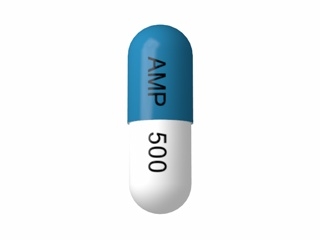
| Common forms | Oral tablets/capsules and oral preparations (availability varies); injectable formulations may be used in hospitals |
| Where it’s used | Selected infections caused by susceptible bacteria |
| Key caution | Allergy to penicillins/cephalosporins, history of severe skin reactions |
How ampicillin works (mechanism of action)
Ampicillin belongs to the penicillin group of beta-lactam antibiotics. It works by interfering with the way bacteria build and strengthen their cell walls.
- Targets cell wall synthesis: Ampicillin binds to penicillin-binding proteins (PBPs).
- Stops cell wall construction: This weakens the bacterial cell wall.
- Results in bacterial death: Without a strong cell wall, susceptible bacteria cannot survive and multiply.
Why this matters: Ampicillin only helps if the bacteria causing your infection are susceptible. Resistance is possible, so your prescriber may consider local resistance patterns or culture results where relevant.
Pharmacokinetics (how the body handles ampicillin)
Pharmacokinetics describes what happens to a medicine in the body—absorption, distribution, metabolism, and elimination.
- Absorption: Ampicillin is absorbed from the gastrointestinal tract, but absorption may vary by formulation and stomach contents.
- Distribution: It spreads into body tissues and fluids, including sites affected by infection (depending on inflammation and tissue penetration).
- Metabolism: Ampicillin is generally not extensively transformed in the body.
- Elimination: It is mainly cleared by the kidneys via urine. Dose timing may need adjustment in kidney impairment (as advised by a clinician).
- Implication for dosing: Because elimination can be relatively efficient, doses are typically taken at regular intervals to maintain effective antibiotic levels.
Typical uses (indications)
Ampicillin is used for infections caused by bacteria that are sensitive to it. In Australia, which specific conditions it’s used for can depend on local guidelines, the antibiotic susceptibility of the bacteria, and patient factors.
Commonly considered indications (examples; actual suitability depends on your situation):
- Some respiratory tract infections (when caused by susceptible organisms)
- Urinary tract infections (UTIs) due to susceptible bacteria
- Ear, nose, and throat infections caused by susceptible bacteria
- Skin and soft tissue infections where appropriate
- Certain gastrointestinal or systemic infections as determined by clinical assessment and susceptibility
Not for viral illnesses: Ampicillin won’t treat colds, flu, most sore throats caused by viruses, or bronchitis caused by viruses.
When and how to take ampicillin (timing & administration)
Follow your healthcare professional’s instructions or the directions on the medicine label. Below are general guidance points.
Typical dosing schedule
- Ampicillin is usually taken in multiple daily doses (commonly several times per day) to maintain effective levels.
- Try to space doses evenly (e.g., morning, afternoon, and evening) and use a consistent schedule.
Duration
- Complete the full course even if you feel better.
- Stopping early can lead to relapse and may contribute to resistance.
Missed dose
- Take the missed dose as soon as you remember.
- If it’s close to the next dose, skip the missed dose—don’t double up.
Practical tips
- Set phone reminders for each dose.
- Keep the medicine in a cool, dry place (and away from heat or sunlight unless packaging advises otherwise).
- Use measuring tools for liquids (if applicable) to ensure accurate dosing.
Food interactions (what to eat and drink)
Food can affect how quickly some antibiotics are absorbed. For ampicillin, the key points are:
- General guidance: Ampicillin may be taken with or without food depending on the formulation and what suits your stomach.
- If you get nausea: Taking it with food may improve tolerance.
- Maintain consistency: Try to take it the same way each day (either always with meals or always on an empty stomach), unless your clinician advises otherwise.
Bottom line: Follow your specific product instructions. If your label or pharmacist says “take on an empty stomach,” follow that advice.
Alcohol and medicine interactions
Alcohol: Moderate alcohol intake may not directly “cancel out” antibiotics, but it can worsen side effects such as nausea, dizziness, and stomach upset. Alcohol may also delay recovery by affecting sleep, hydration, and immune function.
- Best approach: It’s generally recommended to avoid or limit alcohol while you’re taking antibiotics.
- If you drink: Stay hydrated and stop if you feel unwell. If you have liver disease or a history of severe medication reactions, seek advice first.
Specific medicine interactions (examples): Ampicillin can interact with other medicines that affect gut bacteria, kidney function, or the way antibiotics work.
- Allopurinol: May increase the risk of rash when combined with penicillin antibiotics.
- Oral anticoagulants (e.g., warfarin): Antibiotics can alter gut flora and may affect clotting control in some people. Monitoring and closer INR checks may be needed.
- Oral contraceptives: In some antibiotic circumstances, breakthrough bleeding has been reported. Evidence is mixed, so it’s safest to use additional contraception if advised by your clinician, especially if you experience vomiting or severe diarrhoea.
- Probenecid: Can reduce renal clearance of penicillins and may increase drug levels.
- Other antibiotics: Using multiple antibiotics together may be inappropriate unless specifically advised.
Always tell your pharmacist about all medicines you take, including supplements and herbal products.
How to choose ampicillin vs other antibiotics
Antibiotic choice depends on the suspected bacteria, your symptoms, infection site, allergy history, kidney function, and whether the infection is complicated or uncomplicated.
- Susceptibility: Some bacteria may be resistant to ampicillin.
- Infection site: Antibiotic penetration varies by body tissue.
- Safety: Allergy risk matters—particularly for penicillin allergy.
If you’ve previously taken an antibiotic and experienced poor response or side effects, mention that to your clinician.
Dosing information (general overview)
Dosing must be individualized. The exact dose and schedule depend on:
- the type and severity of infection
- age and weight
- kidney function
- susceptibility of the bacteria
- other medical conditions
Because dosing varies widely, always follow the directions supplied with your specific product or as advised by your healthcare professional.
Example dosing patterns (for understanding)
Some adults may receive divided doses throughout the day. Children’s dosing is often weight-based. Your pharmacist can confirm the correct dose for the product strength you have.
Do not change dose or stop early without medical advice.
Safety profile and side effects
Most people tolerate ampicillin well, but all medicines can cause side effects. The majority are mild and temporary, while some require urgent attention.
Common side effects
- Gastrointestinal upset (nausea, stomach discomfort)
- Diarrhoea
- Headache
- Skin rash (can occur even without a true allergy)
Serious and urgent symptoms
Seek urgent medical help if you experience:
- Signs of severe allergy: swelling of face/lips/tongue, trouble breathing, wheezing, fainting, or widespread hives
- Severe skin reactions: blistering, peeling skin, sores in mouth/eyes, fever with rash
- Severe or persistent diarrhoea (especially watery or bloody) or diarrhoea with fever or severe abdominal cramps (possible antibiotic-associated colitis)
- Yellowing of skin/eyes or dark urine (possible liver involvement, uncommon)
- Unusual bruising or bleeding (rare)
Penicillin allergy considerations
- If you have ever had an immediate allergic reaction to penicillins, you may be at higher risk.
- If you’ve had mild rash in the past, you still need medical advice before taking another penicillin antibiotic.
Practical use tips (get the best results safely)
- Stay consistent with timing: Missing doses can reduce effectiveness.
- Hydrate: Helps reduce dehydration if you have fever or diarrhoea.
- Watch for worsening symptoms: If symptoms are not improving after a couple of days (or worsen), contact your clinician.
- Don’t share antibiotics: Others may have different bacteria or allergy risks.
- Keep track: Note when you took doses and any side effects.
What to expect during treatment
Many bacterial infections begin to improve within 48 to 72 hours after starting an effective antibiotic. Improvement can include reduced fever, reduced pain, and improved energy.
- If you don’t improve, it may be due to resistance, an incorrect diagnosis, or a complication.
- Some symptoms may take longer to settle even after bacteria are controlled.
Alternative options
If ampicillin isn’t appropriate (for example, due to allergy, resistance patterns, or infection type), clinicians may consider other antibiotics or supportive treatments.
Examples of alternative antibiotic classes that may be used depending on the infection and bacteria (not a complete list):
- Other beta-lactams (e.g., some penicillins or cephalosporins) when suitable
- Macrolides (e.g., for certain respiratory infections)
- Tetracyclines (for certain infections where appropriate)
- Fluoroquinolones (for selected cases, usually when other options aren’t suitable)
- Topical treatments for localized skin infections (where appropriate)
Non-antibiotic supportive care may include rest, fluids, and symptom relief. Your pharmacist can suggest safe options for fever, pain, and congestion.
Market and legal context for Australia
In Australia, antibiotics are regulated due to the need to ensure safe use and support antimicrobial stewardship. Supply may be restricted and typically requires appropriate clinical consideration. Always follow Australian regulations and product label instructions.
Pharmacies may ask screening questions such as:
- Your allergy history (especially penicillins/cephalosporins)
- Current symptoms and suspected infection type
- Other medicines you take (including anticoagulants and allergy-risk medicines)
- Kidney problems or previous adverse reactions
Local antimicrobial guidelines may influence which antibiotic is preferred for specific infections.
Recent guidance and antimicrobial stewardship (what to know)
Antibiotic resistance is a growing public health concern worldwide, including Australia. Ongoing guidance generally emphasises:
- Use antibiotics only when needed and for the shortest effective duration.
- Follow dose and timing carefully.
- Seek reassessment if there is no improvement or symptoms worsen.
- Respect allergy and safety checks before taking penicillin-class antibiotics.
When available, clinicians may use microbiology results (cultures and sensitivity testing) to choose the most effective antibiotic.
Delivery and availability in Australia
Availability can vary by formulation and strength. Many pharmacies provide:
- In-store pickup (where offered)
- Home delivery across Australia, depending on licensing and logistics
- Packaging checks: ensuring you receive the correct strength and form
Delivery timing depends on your location and the dispatch schedule. If you need the medicine urgently, contact the pharmacy to confirm stock and delivery options.
Storage reminders: Keep the medicine as directed on the label, usually at controlled room temperature and away from moisture.
FAQ — Ampicillin (Acillin)
1) What is ampicillin used for?
Ampicillin is an antibiotic used for infections caused by susceptible bacteria. It’s sometimes used for certain respiratory, urinary, skin, and other bacterial infections depending on local guidance and your individual situation.
2) How quickly should I feel better?
If the infection is bacterial and the bacteria are sensitive, you may start to feel better within 48–72 hours. If there’s no improvement or symptoms worsen, contact your clinician.
3) Can I take ampicillin with food?
Often, yes. Some people find it easier on the stomach when taken with meals. Follow the instructions on your product label or pharmacist guidance, especially if your directions specify empty stomach use.
4) What if I miss a dose?
Take it as soon as you remember, unless it’s almost time for the next dose. Don’t take double doses to make up for a missed one.
5) Is it safe to drink alcohol while taking ampicillin?
It’s generally best to avoid or limit alcohol. Alcohol can worsen side effects like nausea and may delay recovery. If you choose to drink, keep it minimal and stop if you feel unwell.
6) What should I do if I get diarrhoea?
Mild diarrhoea can occur. However, seek urgent medical help if diarrhoea is severe, watery, persistent, bloody, or associated with fever or severe abdominal pain.
7) What if I have a rash?
Some rashes can be mild, but any new rash with penicillin-class antibiotics should be taken seriously. Stop and get medical advice urgently if the rash is severe, blistering, or accompanied by swelling, breathing difficulty, or fever.
8) Can ampicillin be used if I’m allergic to penicillin?
Do not take it unless you’ve been advised it’s safe. Penicillin allergy can range from mild to severe. Always inform your pharmacist or clinician of prior reactions.
9) Will ampicillin treat viral infections like colds or flu?
No. Antibiotics such as ampicillin don’t treat viruses.
10) Are there interactions with other medicines?
Yes. Examples include allopurinol, warfarin and other anticoagulants, probenecid, and medicines affecting contraception. Tell your pharmacist about everything you take so they can check for interactions.
Summary
Ampicillin (Acillin) is a penicillin-class antibiotic used for selected bacterial infections. It works by disrupting bacterial cell wall formation and is cleared mainly by the kidneys. Safe use depends on appropriate selection for the likely bacteria, correct dosing intervals, allergy screening, and attention to side effects—especially severe allergic reactions or significant diarrhoea.
If you have questions about your specific product strength, dosing schedule, side effects, or interactions with your other medicines, speak to a pharmacist for tailored guidance.