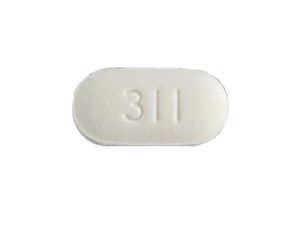

Vibramycin (Doxycycline) — Patient-Friendly Guide (Australia)
Vibramycin is a brand of doxycycline, an antibiotic from the tetracycline group. It is used to treat a range of bacterial infections and is also prescribed for certain conditions where bacteria play a role. This guide explains how Vibramycin works, how it is typically taken, common interactions, and practical safety information to help you use it more confidently.
Quick Product Information
| Category | Details |
|---|---|
| Medicine | Vibramycin (doxycycline) |
| Drug group | Tetracycline antibiotic |
| Common forms | Tablets or capsules (strength varies by product) |
| How it works | Stops bacteria from making essential proteins |
| Typical dosing frequency | Once or twice daily depending on indication and formulation |
| Storage | Store below 25°C (unless label advises otherwise), protect from moisture |
How Vibramycin Works (Mechanism of Action)
Doxycycline works by interfering with bacterial protein synthesis. Specifically, it binds to the bacterial ribosome and prevents the production of proteins that bacteria need to grow and multiply. As a result, doxycycline can stop the progression of infection and allows your immune system to clear the bacteria over time.
Importantly, the antibiotic effect is directed against certain bacteria. Doxycycline does not treat viral infections such as colds or influenza.
Pharmacokinetics (What the Body Does to Doxycycline)
Pharmacokinetics describes how the medicine is absorbed, distributed, metabolised, and eliminated. Understanding these processes can help explain timing and interactions.
Absorption
- Doxycycline is generally absorbed after oral dosing, but absorption can be reduced by some foods and especially by minerals like calcium, iron, magnesium, and zinc.
- Taking it with an adequate amount of water helps reduce irritation of the oesophagus.
Distribution
- Doxycycline distributes into many body tissues. It can reach sites of infection, which is one reason it’s used across different clinical settings.
Metabolism and excretion
- Doxycycline is eliminated through both bile/faecal pathways and the kidneys, depending on the individual.
- Compared with some older tetracyclines, doxycycline is often preferred because it tends to have more predictable absorption and dosing convenience.
Typical Uses in Practice
Vibramycin (doxycycline) may be used for a variety of bacterial conditions. The most appropriate use depends on the bacteria involved, local resistance patterns, and your medical history.
Common indications (examples)
- Respiratory tract infections caused by susceptible bacteria (depending on local guidance and patient factors).
- Skin infections caused by susceptible bacteria.
- Acne in selected cases (treatment approach varies by severity and guideline).
- Some sexually transmitted infections where doxycycline is appropriate (treatment plans vary by diagnosis).
- Rickettsial and other tick-borne illnesses—doxycycline is commonly used for certain suspected or confirmed conditions.
- Malaria prevention for particular travel situations (some regimens use doxycycline; travel advice should be followed carefully).
If you are unsure why you’ve been given Vibramycin, check your medicine instructions or speak with a pharmacist for clarification. Taking an antibiotic for the wrong condition can contribute to side effects without benefit and can increase antibiotic resistance.
Timing: When to Take It
Adhering to timing helps keep antibiotic levels steady enough to work effectively. Your exact schedule depends on your dose and the indication.
General timing principles
- Take it at the same times each day to maintain consistent levels.
- If your dosing is twice daily, aim for roughly equal spacing (for example, morning and evening).
- If you’re on once daily dosing, choose a time you can stick to daily.
How to take it safely
- Swallow with a full glass of water (often recommended to help prevent throat/oesophagus irritation).
- Stay upright (sitting or standing) for at least 30 minutes after taking a capsule or tablet.
- If you miss a dose, take it when you remember unless it is close to the next dose—do not double up.
Food and Drink Interactions
Doxycycline can be taken with food if it upsets your stomach. However, some foods and supplements can interfere with absorption.
What to avoid around dosing
- Avoid taking doxycycline at the same time as supplements or medicines containing calcium, iron, magnesium, or zinc.
- Dairy products (milk, yoghurt) and antacids can reduce absorption for some antibiotics. With doxycycline, the effect is often less pronounced than with older tetracyclines, but spacing doses is still a good safety approach if you notice reduced effectiveness or have had absorption issues.
Spacing tips
If you use minerals/antacids, consider separating them from doxycycline by at least 2–3 hours (or follow the advice on your label and pharmacist guidance).
Alcohol and Medicine Interactions
Alcohol
Light or moderate alcohol may not be absolutely contraindicated for everyone taking doxycycline, but alcohol can worsen side effects such as nausea, stomach upset, and dizziness. For best tolerability:
- Keep alcohol minimal while you’re on treatment.
- Avoid alcohol if you notice symptom worsening.
- If you have liver disease, seek individual advice from a pharmacist or doctor.
Common medicine interactions
Several medicines can affect how doxycycline works or increase side effects. This is not a complete list—tell your pharmacist about all medicines and supplements you take.
Examples of medicines/supplements that may interact
- Antacids and products containing calcium/magnesium/aluminium.
- Iron supplements and multivitamins that include iron or zinc.
- Isotretinoin (vitamin A derivative for acne) — combined use can increase risk of certain side effects.
- Warfarin (blood thinner) — may require closer monitoring because antibiotic therapy can affect blood clotting.
- Anti-seizure medicines such as phenytoin or carbamazepine — may reduce effectiveness of doxycycline in some cases.
- Oral retinoids and other acne medications — discuss timing and safety.
- Diuretics and some other medicines that affect electrolytes or liver function may require caution.
- Pepto-Bismol (bismuth subsalicylate) and some gastro preparations — may change absorption or GI tolerability in some individuals.
If you take multiple medicines, a pharmacist can help you build a simple schedule that reduces interaction risk.
Dosing: What You Need to Know
Dosing depends on the specific condition, severity, and your age/weight, as well as the doxycycline strength in the product you receive. Always follow the dosage instructions provided with your medicine.
How dosing is commonly described
- Doxycycline is often taken in milligram (mg) doses.
- Dosing frequency may be once or twice daily, depending on the indication.
- For longer courses, dose schedules may differ after an initial period.
Practical dosing examples (general)
Different clinical scenarios use different regimens. For example:
- Some infections may be treated with twice-daily regimens early on, followed by continued dosing.
- Travel prophylaxis regimens may require starting before travel and continuing during/after travel according to travel medicine guidance.
Because dosing varies, do not rely on general examples. Use the schedule on your prescription label or medicine instructions.
Safety Profile and Side Effects
Like all medicines, Vibramycin can cause side effects. Many are mild and manageable, but some require urgent attention.
Common side effects
- Nausea or upset stomach
- Diarrhoea or changes in bowel habits
- Heartburn or indigestion
- Headache
- Skin sensitivity to sunlight (photosensitivity)
- Vaginal yeast infection or oral thrush (in some people)
Serious side effects — seek urgent medical advice
- Allergic reaction (swelling of face/lips, wheezing, rash with difficulty breathing).
- Severe or persistent diarrhoea, especially if watery or bloody (could indicate a severe gut reaction).
- Severe blistering rash or skin peeling.
- Severe stomach pain or signs of liver trouble (yellow eyes/skin, dark urine).
- Severe headache with vision changes or persistent vomiting (rare but important).
- Oesophagus irritation symptoms such as painful swallowing or chest pain—stop and seek advice promptly if these occur.
Special precautions
- Sun sensitivity: You may burn more easily. Use sunscreen (SPF 30+), protective clothing, and avoid prolonged sun or solariums.
- Children: Doxycycline is generally avoided for very young children unless specifically recommended by a clinician because tetracyclines can affect teeth and bones in certain circumstances.
- Pregnancy and breastfeeding: Use should be guided by a healthcare professional due to potential effects on the developing baby and breastfeeding considerations.
- Existing liver or kidney issues: Discuss your medical history with a pharmacist/doctor to ensure safety.
Practical Tips for Using Vibramycin
- Take with a full glass of water and remain upright to reduce irritation risks.
- Use sun protection—photosensitivity can occur even on cloudy days.
- Complete the course as directed, even if you feel better. Stopping early can allow infection to return.
- Support your stomach: If nausea occurs, taking with food may help (unless your label advises otherwise).
- Separate minerals: Keep iron/calcium/magnesium/zinc supplements away from dosing by a few hours where possible.
- Track side effects: If diarrhoea becomes severe, watery, or persistent, stop self-managing and seek advice.
- Don’t share antibiotics—bacterial resistance and correct diagnosis matter.
Alternative Options
If doxycycline is not suitable (for example, due to allergy, intolerance, drug interactions, or a different likely organism), alternative antibiotics or non-antibiotic strategies may be used depending on the condition.
Possible alternatives (depends on indication)
- Amoxicillin or amoxicillin-clavulanate for certain bacterial infections (if appropriate).
- Azithromycin for some respiratory and skin infections.
- Clindamycin for specific infections and situations.
- Treatment changes based on culture results if available.
- For acne: other approaches such as topical treatments, hormonal therapies, or other systemic options may be considered depending on severity and guideline.
A pharmacist can help compare options, but the “best” alternative depends strongly on the diagnosis and your medical history.
Market and Legal Context for Australia
In Australia, antibiotics are regulated under medicines scheduling and prescribing requirements. Availability may vary by product strength and indication, and pharmacies follow Australian health policy and antimicrobial stewardship principles.
Key themes in Australia include:
- Antibiotic stewardship to slow resistance by using antibiotics only when clearly needed and choosing the most appropriate agent.
- Safety screening for interactions, allergies, pregnancy considerations, and other risk factors.
- Guideline-based management where recommended treatment choices depend on local resistance and condition-specific evidence.
Recent Guidance and Antimicrobial Stewardship (General)
Across Australia, health authorities encourage:
- Confirming when antibiotics are needed (many symptoms are viral and will not benefit from antibiotics).
- Using the narrowest effective antibiotic where possible.
- Avoiding leftover antibiotics or self-directed changes.
- Reviewing treatment if symptoms do not improve as expected.
If symptoms do not improve after a reasonable time on therapy or you worsen, seek medical advice promptly.
Delivery and Availability
Availability of Vibramycin (doxycycline) can vary depending on formulation and strength. Many Australian online pharmacies offer convenient ordering with delivery to eligible areas, subject to standard regulatory requirements and pharmacy processes.
- Stock status: Typically shown at checkout or in product availability information.
- Delivery times: Depend on location and dispatch schedule. Estimated delivery windows are usually provided at checkout.
- Packaging: Medicines are commonly dispatched in compliant packaging with storage instructions and relevant product information.
- Cold chain: Doxycycline tablets/capsules generally do not require refrigeration, but follow the label instructions.
For the most accurate information, check the store’s shipping options and product page details.
Frequently Asked Questions (FAQ)
1) What is Vibramycin used for?
Vibramycin (doxycycline) is used for bacterial infections where doxycycline is appropriate, and in some situations for prevention of certain infections (for example, specific travel-related regimens). The exact indication depends on your diagnosis.
2) How quickly should I feel better?
Many people notice improvement within 24–72 hours after starting an effective antibiotic, but this can vary by condition. If you are not improving or you worsen, seek advice.
3) Can I take doxycycline with food?
Yes—if it upsets your stomach, taking it with food may help. Avoid taking it right alongside mineral supplements (calcium, iron, magnesium, zinc) to reduce absorption problems.
4) Should I avoid dairy products?
Dairy may interfere with absorption of some tetracyclines. With doxycycline, the effect is often less significant, but to be cautious, consider spacing doxycycline from dairy-heavy meals or taking it with a balanced meal and avoiding supplements at the same time.
5) Can I drink alcohol while taking Vibramycin?
Alcohol is not always strictly forbidden, but it may increase stomach upset and worsen side effects. It’s usually best to limit alcohol while you’re on treatment, especially if you notice nausea or dizziness.
6) What should I do if I miss a dose?
Take it when you remember unless it is close to the next dose. Do not double up. If you’re unsure, consult a pharmacist.
7) Can doxycycline cause sunburn?
Yes. Doxycycline can increase sensitivity to sunlight, leading to easier sunburn. Use sunscreen, protective clothing, and avoid prolonged direct sun.
8) Are there serious signs I should watch for?
Yes. Seek urgent medical attention for signs of severe allergy, persistent severe diarrhoea, blistering rash, severe headache with vision changes, or signs of liver problems such as yellowing of the skin/eyes.
9) Can I take other medicines at the same time?
Some medicines and supplements interact with doxycycline. Tell your pharmacist about everything you take, especially antacids, iron, calcium, magnesium, zinc, warfarin, and anti-seizure medications.
10) What are the biggest practical mistakes people make?
Common issues include taking doxycycline without enough water (leading to oesophagus irritation), taking it together with minerals (reducing absorption), missing doses repeatedly, or stopping early when symptoms improve.
11) What if I’m pregnant, trying to conceive, or breastfeeding?
Doxycycline use in pregnancy and breastfeeding should be discussed with a healthcare professional due to safety considerations. Don’t start or change treatment without individual advice.
12) Are there alternatives if doxycycline doesn’t suit me?
Yes. Alternatives depend on the condition, your allergy history, and likely bacteria. A pharmacist can help discuss options and safe switching considerations.
When to Seek Advice
Contact a healthcare professional promptly if you experience severe side effects, symptoms that significantly worsen, or no improvement after the expected timeframe. Also seek advice if you have complex medical conditions or are taking multiple medicines to reduce the risk of interactions.
Note: This information is intended to help you understand Vibramycin (doxycycline) and how it is commonly used in Australia. Always refer to the product information provided with your medicine and the instructions given by your healthcare professional or pharmacist.