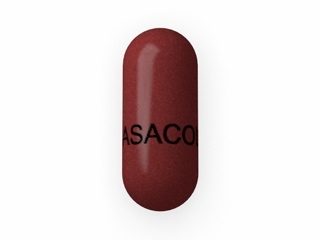


Asacol (Mesalazine) — Patient Information for Australia
Asacol contains mesalazine (also called 5-aminosalicylic acid or 5-ASA). It is a medicine used to treat and help prevent inflammatory bowel disease (IBD), particularly ulcerative colitis. This guide is written in a patient-friendly way to help you understand how Asacol works, how it is usually taken, and what to watch for.
Note: Medicines may be prescribed and monitored differently depending on your individual condition, severity, and response to treatment. Always follow the instructions provided with your specific product and talk to your healthcare professional if you have questions.
Quick Facts
- Active ingredient: Mesalazine (5-ASA)
- Common condition treated: Ulcerative colitis (and related colitis conditions as directed)
- How it works: Helps reduce inflammation in the colon
- Typical form: Enteric-coated tablets (designed to release in the gut)
- Key safety themes: Kidney monitoring, watch for blood/mucous changes, and allergy-like reactions
Basic Product Information
| Category | Details |
|---|---|
| Medicine name | Asacol (mesalazine) |
| Active ingredient | Mesalazine / 5-aminosalicylic acid (5-ASA) |
| Therapeutic use | Inflammatory bowel disease, mainly ulcerative colitis |
| Where it acts | Mostly in the colon and lower gastrointestinal tract |
| Important formulation feature | Enteric coating supports delivery to the intestines |
| Australian availability | Listed and supplied through Australian channels; availability may vary by strength/pack |
How Asacol Works (Mechanism of Action)
Mesalazine is an anti-inflammatory medicine. In ulcerative colitis, inflammation occurs along the lining of the colon. Asacol is designed to deliver mesalazine to the gut lining where it can help reduce inflammatory activity.
While the exact mechanisms are complex, mesalazine is thought to:
- Reduce inflammatory signalling in the intestinal lining
- Act locally in the gut (rather than simply acting throughout the whole body)
- Lower production of inflammatory mediators (such as certain pathways involved in inflammation)
- Contribute to mucosal healing and maintenance of remission in some patients
This local action is why mesalazine products are often taken regularly even when you feel well—maintenance therapy helps reduce the risk of flare-ups.
Pharmacokinetics — How Your Body Handles Mesalazine
Pharmacokinetics describes how the body absorbs, distributes, metabolises, and eliminates a medicine.
- Absorption: Mesalazine absorption from the gastrointestinal tract may be limited and varies depending on formulation and gut conditions.
- Delivery/release: Enteric-coated or gastro-resistant formulations help protect the active ingredient from dissolving too early, aiming for release in the intestines.
- Metabolism: A portion of mesalazine is metabolised in the intestinal wall and liver to form N-acetyl-5-aminosalicylic acid (an inactive metabolite).
- Distribution: Mesalazine acts primarily locally in the gut; small amounts may enter the bloodstream.
- Excretion: The active drug and metabolites are eliminated mainly via the kidneys and to some extent via the gut.
Why this matters: Because elimination is strongly influenced by the kidneys, kidney function monitoring is important for many patients on mesalazine medicines.
Typical Use and Indications in Australia
Asacol (mesalazine) is used to treat inflammatory bowel disease. The most common indication is:
- Ulcerative colitis:
- Treatment of active disease (to reduce symptoms during a flare)
- Maintenance of remission (to help prevent relapse)
Depending on your medical assessment, a healthcare professional may recommend mesalazine for specific patterns or severities of disease, including proctitis or extensive colitis, sometimes using a combination of oral and rectal therapies.
Important: Always use the exact product and dosing schedule intended for your diagnosis and disease distribution.
When to Take Asacol (Timing)
Many patients take Asacol once or multiple times per day depending on the strength and prescribed regimen. Typical guidance often includes:
- Take at the same times each day to support steady control.
- Swallow tablets whole (do not crush or chew) unless your product information states otherwise.
- Follow your dosing schedule exactly.
If you miss a dose:
- Take it when you remember unless it is close to the next dose.
- Do not take a double dose to make up for the missed tablet.
If you’re unsure what to do after missing a dose, check the product Consumer Medicine Information (CMI) or ask a pharmacist.
Food Interactions and Practical Eating Advice
Mesalazine products are designed to work in the intestinal tract. In general:
- Food effects: Many patients can take Asacol with or without food, but individual product instructions may vary.
- Gentle routine: If stomach upset occurs, taking with a light meal may help for some people.
- Consistency: Try to keep a consistent pattern (e.g., always with meals or always on an empty stomach) unless advised otherwise.
Do not: alter the tablet (crushing/splitting) unless the specific formulation allows it, because this may change drug release in the gut.
Alcohol and Medicine Interactions
Alcohol may worsen gastrointestinal symptoms in some people, including diarrhoea, reflux, and stomach irritation. If you drink alcohol:
- Keep amounts moderate and consider avoiding alcohol during flare-ups.
- Monitor your symptoms the following day.
Interactions with medicines: Mesalazine has potential interactions mainly related to other medicines that affect the kidneys or increase the risk of specific side effects.
Tell your healthcare professional if you take:
- Kidney-affecting medicines (for example, some non-steroidal anti-inflammatory drugs (NSAIDs), certain diuretics, or other potentially nephrotoxic agents)
- Immunosuppressants (combination therapy may require monitoring)
- Blood-thinning medicines (your clinician may want to check your situation)
Always check your medicine labels and ask a pharmacist about interaction risk if you start new medicines, including over-the-counter products.
Dosing — How Much and How Often
Dosing depends on the purpose (induction vs maintenance), the severity of your condition, your response to treatment, and your product strength.
General dosing approach (overview):
- Active ulcerative colitis: Often requires higher doses for a period to control flare symptoms.
- Maintenance therapy: Often uses a lower dose to help keep the disease under control.
Typical regimens (not a substitute for your prescription): Mesalazine products are commonly prescribed in divided doses (e.g., multiple times daily), with some regimens taken once daily depending on formulation and strength.
Follow your instructions exactly. Because tablet strengths and release characteristics differ between products, do not switch dose or frequency without medical advice.
Children and adolescents: Dosing for younger patients is weight-based or disease-based and must be determined by a clinician.
How Long to Use Asacol
IBD is often a chronic condition. Many patients take mesalazine as long-term maintenance even when symptoms improve, because stopping treatment can increase the likelihood of relapse.
Your clinician may adjust:
- dose based on response
- duration based on flare control and remission
- monitoring frequency if you have kidney concerns or additional risk factors
Safety Profile — What to Know Before and While Taking Asacol
Most people tolerate mesalazine medicines well, but like all medicines, Asacol has potential side effects and important monitoring points.
Common or Possible Side Effects
Side effects may include:
- Headache
- Nausea, stomach discomfort
- Diarrhoea or changes in bowel habits (distinguish from disease flare)
- Rash or mild skin reactions
- Fatigue
Serious Warnings (Seek Urgent Advice)
Get medical help promptly if you experience:
- Signs of an allergic reaction (swelling of face/lips, trouble breathing, widespread rash, severe hives)
- Severe or persistent worsening diarrhoea, especially with fever or severe abdominal pain
- Unexplained bruising or bleeding, extreme tiredness, or persistent sore throat (possible blood-related effects)
- Symptoms suggesting kidney problems such as reduced urine output, swelling of ankles/feet, or significant changes in urination
- Chest pain or breathlessness (seek urgent assessment)
Kidney Monitoring
Mesalazine can rarely affect kidney function. Monitoring typically includes:
- Blood tests (kidney function such as creatinine/eGFR)
- Urine tests in some cases
- Review of risk factors (for example, existing kidney disease, dehydration, and use of other kidney-stressing medicines)
Your healthcare professional will advise an appropriate schedule.
Liver Monitoring and Blood Counts
Depending on your health background and product guidance, additional monitoring may include liver tests and full blood counts, especially if symptoms develop.
Practical Use Tips (Get the Best Results)
- Be consistent: take Asacol regularly as directed, even if you feel well.
- Don’t crush or chew tablets: maintain the enteric coating so the medicine releases in the intended part of the gut.
- Stay hydrated: if you have diarrhoea or flare-ups, dehydration can strain the kidneys.
- Keep track of symptoms: record bowel frequency, blood in stool, urgency, and abdominal pain to help your clinician assess response.
- Schedule monitoring: ensure kidney blood tests are done on time if you are asked to.
- Review other medicines: ask a pharmacist before starting new OTC medicines (including NSAIDs).
- Manage missed doses: set reminders; if you miss, don’t double the next dose.
Travel tips: carry your tablets in your original packaging, keep them in a cool, dry place, and consider bringing extra doses for delays.
Alternative Options
If Asacol (mesalazine) isn’t suitable, isn’t effective, or isn’t tolerated, clinicians may consider alternative approaches.
Within the mesalazine family
- Other oral mesalazine formulations (different release profiles or brands)
- Rectal mesalazine therapies (such as enemas or suppositories) if inflammation is mainly in the rectum/left side of the colon
Other medicines used in ulcerative colitis
- Corticosteroids for short-term control of flares (not typically for long-term maintenance)
- Immunomodulators for some moderate-to-severe cases
- Biologic therapies for specific patients depending on disease severity and past treatment history
- Supportive care (e.g., hydration, nutrition, symptom relief) alongside disease control
Choosing alternatives depends on your disease pattern, severity, previous response, and safety profile. Always discuss changes with your healthcare professional.
Market and Legal Context in Australia
In Australia, medicines containing mesalazine are regulated and supplied under the national medicines framework. Availability can vary by formulation (including strength and release type) and by prescribing practices and local supply chains.
Common patient-facing steps in Australia include:
- Checking product information for the specific brand and strength
- Following pharmacist or clinician instructions for monitoring and follow-up
- Using Australian quality-assured supply channels for authenticity and compliance
Some mesalazine products may be subject to specific dispensing categories and requirements. Your pharmacy can confirm what applies to the product you choose and how it is supplied to you.
Recent Guidance and Ongoing Care Considerations
Clinical practice in IBD is supported by gastroenterology guidelines and evolving evidence. While specific recommendations may change over time, the general themes include:
- Early control of inflammation during flares
- Maintenance therapy to help reduce relapse risk
- Regular monitoring where appropriate (especially kidney safety for mesalazine)
- Objective assessment (symptoms plus biomarkers and, when needed, endoscopy) to guide treatment decisions
Your treating team may also advise additional tests or treatment adjustments based on:
- how active inflammation is currently
- previous flare pattern and response to therapy
- other health conditions and medicine use
If you have questions about how current guideline approaches apply to you, ask your gastroenterologist or IBD nurse.
Delivery and Availability (Australia)
Availability and delivery options may vary by region and supplier. When ordering online, you can typically expect:
- Pack sizes and strengths may differ—choose the exact product listed for your dosing instructions.
- Dispatch times depend on stock availability and courier schedules.
- Temperature conditions are generally not stringent for tablets, but keep within storage instructions in the packaging.
Plan ahead: because IBD maintenance is often ongoing, it’s helpful to order refills before you run out—especially if you require regular monitoring or follow-ups.
FAQ — Frequently Asked Questions
1) What is Asacol used for?
Asacol (mesalazine) is used to treat and help maintain remission in ulcerative colitis by reducing inflammation in the colon and helping keep symptoms controlled.
2) How quickly will Asacol work?
Many people start to notice improvement within days to weeks, but complete control can take longer. If your symptoms worsen or do not improve, speak with your healthcare professional—your regimen may need adjustment.
3) Should I stop Asacol if I feel better?
Often, mesalazine is taken as maintenance. Stopping suddenly can increase relapse risk. Don’t stop or change dose without medical advice.
4) Can I take Asacol with food?
Some patients can take mesalazine with or without food. For best results, follow the instructions in the product information and keep your routine consistent. If you experience stomach discomfort, taking with a meal may help for some people.
5) What if I miss a dose?
Take it when you remember unless it’s close to your next dose. Don’t double up. If you frequently miss doses, consider alarms or ask a pharmacist for tailored advice.
6) Are there any food that I should avoid?
There are no specific “forbidden” foods for mesalazine in most patients, but alcohol and foods that worsen your symptoms may trigger flares for some people. Use your experience with your own IBD symptoms as guidance.
7) Can I drink alcohol while taking Asacol?
Moderate alcohol may be tolerated by some people, but alcohol can aggravate gastrointestinal symptoms and may worsen diarrhoea or irritation. Consider limiting or avoiding alcohol during flares and monitor how you feel.
8) Does Asacol interact with other medicines?
Mesalazine may interact with certain medicines, especially those affecting the kidneys or increasing risk when combined. Tell your pharmacist about all medicines and supplements you take, including NSAIDs and any new OTC products.
9) How should I take the tablets?
Swallow tablets whole with water unless the product instructions state otherwise. Do not crush or chew, as this may affect how the medicine releases in your gut.
10) What monitoring is needed?
Many people require periodic kidney function tests while on mesalazine. Your healthcare professional may also check other blood tests depending on your health status and symptoms.
11) Is it safe in kidney disease?
Kidney function matters for mesalazine safety. If you have kidney impairment, your clinician may adjust treatment, monitor more closely, or choose an alternative. Discuss your kidney history before starting or continuing Asacol.
12) What are some alternative treatment options?
Alternatives include other mesalazine formulations (oral or rectal) and, depending on disease severity, different classes of IBD medicines such as corticosteroids, immunomodulators, or biologic therapies.
When to Contact Your Healthcare Professional
Contact a healthcare professional promptly if you develop:
- new rash, swelling, or breathing difficulty
- significant worsening diarrhoea, severe abdominal pain, or fever
- symptoms suggestive of kidney issues (e.g., reduced urine, unusual swelling)
- unusual bruising, bleeding, or persistent sore throat
If you’re unsure whether something is related to Asacol or your ulcerative colitis, it’s safer to get advice early.
Remember: Good IBD control often relies on taking your medication as directed, attending monitoring appointments, and keeping an open line of communication with your healthcare team.