
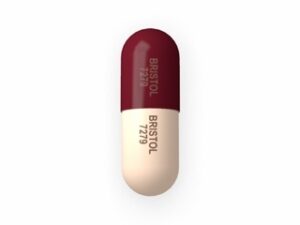

Nitrofurantoin (Australia) — Patient-Friendly Medicine Information
Nitrofurantoin is an antibiotic medicine commonly used to treat certain bacterial infections of the bladder (urine infections). It works in the urinary tract and is particularly useful for uncomplicated urinary tract infections (UTIs) caused by susceptible bacteria.
This guide explains how nitrofurantoin works, how it is used, typical timing, food and alcohol considerations, common safety points, and practical tips for getting the best outcome. It also includes information relevant to the Australian market and frequently asked questions.
Basic product information
| Category | Details |
|---|---|
| Medicine | Nitrofurantoin |
| Common form | Oral capsules (including formulations such as macrocrystals/modified release, depending on the brand) |
| Where it works | Primarily in the bladder/urine |
| Typical conditions | Uncomplicated bladder infections (cystitis) and some prevention situations |
| Availability in Australia | Nitrofurantoin is listed and supplied through Australian pharmacies. Availability can vary by brand and formulation. |
Note: Different formulations and brands can have slightly different dosing schedules. Always follow the instructions provided for the specific product you receive.
How nitrofurantoin works (mechanism of action)
Nitrofurantoin belongs to the nitrofuran class of antibiotics. After you swallow it, it is absorbed and then concentrated in urine. In the urinary tract, nitrofurantoin is reduced by bacterial enzymes into reactive compounds that damage bacterial proteins and other essential cellular components.
This multi-target damage makes it harder for bacteria to develop resistance compared with antibiotics that act on a single bacterial target. Nitrofurantoin is active against many common UTI bacteria, including Escherichia coli (a frequent cause of bladder infections).
Pharmacokinetics (how the body handles it)
Understanding pharmacokinetics helps explain why nitrofurantoin is mainly used for bladder infections.
Absorption
Nitrofurantoin is absorbed from the gastrointestinal tract. Some formulations release drug differently (for example, “macrocrystalline” forms tend to provide more sustained drug levels).
Distribution and concentration in urine
After absorption, nitrofurantoin is transported in the bloodstream but does not distribute well to many tissues. The key feature is that it achieves therapeutic concentrations in urine. This is why it is most effective for infections located in the bladder.
Metabolism and excretion
Most of the drug is eliminated by the kidneys into the urine. Kidney function influences how well nitrofurantoin works. If kidney function is reduced, urine levels may be lower and effectiveness can drop.
Why kidney function matters
Nitrofurantoin requires adequate renal function to be excreted into urine at useful concentrations. If kidney function is significantly reduced, your prescriber may choose an alternative antibiotic.
Typical use in uncomplicated UTIs
Nitrofurantoin is used to treat bacterial infections of the bladder, commonly described as:
- Uncomplicated cystitis (bladder infection without signs of kidney involvement)
- Lower UTI symptoms such as burning during urination, frequent urges to urinate, and cloudy or foul-smelling urine
It may also be used for certain prevention strategies in people with recurrent UTIs, depending on the overall clinical situation.
Important: Nitrofurantoin is not the usual choice for kidney infections (pyelonephritis), which may require different antibiotics and urgent medical assessment.
Indications (when it’s used)
In Australia, nitrofurantoin is commonly indicated for:
- Treatment of uncomplicated urinary tract infections (cystitis), particularly when urine tests or local bacterial susceptibility support its use
- Prevention of recurrent UTIs in selected individuals, using appropriate strategies and monitoring
Clinical assessment is essential: Symptoms alone cannot always distinguish bladder infection from kidney infection or other causes. Seek medical advice promptly if symptoms are severe or atypical.
Dosing and timing (general guidance)
Dosing depends on the product formulation, the severity of illness, and individual factors such as kidney function and age. The information below provides general context so you can understand how nitrofurantoin is typically taken.
Common timing
- Often taken twice daily for uncomplicated bladder infections (frequency can vary by formulation).
- Some formulations may be taken four times daily (less common for current practice, but it depends on the product).
Course duration
Courses for uncomplicated cystitis are commonly short (for example, several days), but the exact duration should match the directions for your specific situation.
How to take it
- Take capsules with water.
- Try to take doses at consistent times.
- If you miss a dose, take it when you remember unless it’s close to the next dose. Do not double up.
Practical tip: Setting reminders on your phone can help you complete the course and maintain steady urine levels.
Food interactions and absorption
Nitrofurantoin absorption and tolerability can be improved with food, particularly for some formulations.
Take with food (recommended in many cases)
- Consider taking nitrofurantoin with meals or soon after eating to reduce stomach upset.
- Check the product instructions for your specific brand, as exact recommendations can vary.
Avoid unusual changes
There are no common dietary restrictions such as a strict avoidance list. However, if you experience nausea, taking each dose with food may help.
Alcohol interactions
Nitrofurantoin is not commonly associated with severe alcohol interactions in the way some antibiotics are. However, alcohol can:
- Worsen dehydration (which may be relevant during a UTI)
- Increase the likelihood of stomach upset or nausea
- Delay recovery by impairing immune function
Recommendation: For best comfort and recovery, limit or avoid alcohol while you’re taking nitrofurantoin, especially if you’re unwell.
Medicine interactions (important considerations)
Before starting nitrofurantoin, it’s helpful to review your current medicines, including over-the-counter products and supplements.
Kidney function–related considerations
Because nitrofurantoin depends on kidney excretion, medicines that significantly affect kidney function may influence effectiveness or safety. Your healthcare professional can advise based on your kidney function tests and overall treatment plan.
Antacids and urinary pH changes
Some medicines that alter urine chemistry may influence nitrofurantoin’s activity. While not all antacids or urinary alkalinising agents will be relevant, it’s worth discussing if you use them regularly.
Probenecid and similar medicines
Some drugs that reduce renal tubular secretion can increase blood levels of nitrofurantoin and reduce urinary concentrations. This can affect both effectiveness and side-effect risk. If you take such medicines, seek advice.
Other antibiotics and UTI treatments
Combining treatments without guidance can complicate symptom interpretation and increase side effects. If you’re switching antibiotics, follow the instructions carefully.
Always check: For the most accurate interaction advice, refer to the product information or speak to a pharmacist—especially if you take multiple chronic medications.
Safety profile and when to seek help
Most people tolerate nitrofurantoin well, but like all medicines it can cause side effects. Understanding what’s expected and what requires urgent attention helps keep treatment safer.
Common side effects
- Nausea
- Loss of appetite
- Headache
- Mild dizziness
- Loose stools or mild gastrointestinal upset
Management: Taking doses with food and staying hydrated can help reduce GI symptoms.
Less common but serious adverse effects
Stop seeking treatment only based on minor symptoms, but be alert to warning signs.
- Signs of allergy: rash, itching, swelling of face/lips, trouble breathing
- Severe or persistent diarrhoea (especially with fever or blood)
- Lung or breathing symptoms: new cough, shortness of breath, chest discomfort
- Worsening fatigue or weakness with unusual symptoms (can indicate rare effects on blood cells or liver)
- Severe skin reactions: blistering, peeling, painful sores
When to get urgent medical care
Seek urgent help if you develop:
- Shortness of breath, wheezing, or swelling suggesting an allergic reaction
- High fever, chills, flank/back pain, or feeling very unwell (possible kidney infection)
- Severe abdominal pain, vomiting you can’t control, or signs of dehydration
- Jaundice (yellowing of eyes/skin) or dark urine with significant symptoms
Note: Serious adverse effects are uncommon, but timely action can make a difference.
Practical use tips for getting the best results
Start early and take consistently
- Begin treatment as advised once you have a diagnosis or strong clinical suspicion of bladder infection.
- Complete the full course unless your pharmacist/doctor advises otherwise.
Hydration
Drink fluids regularly to support urination and comfort. Avoid extreme over-hydration, but staying adequately hydrated can ease symptoms.
Symptom improvement timeline
Many people feel some improvement within 24 to 48 hours. If you’re not improving after this time, or if symptoms worsen, you should seek further advice.
Keep track of urine symptoms
- Note the severity of burning, urgency, frequency, and any blood in urine.
- If your clinician requested a urine test, ensure the sample is collected at the right time.
Urine colour changes
Nitrofurantoin can change urine colour (often appearing darker). This is usually harmless, but if you notice concerning symptoms (pain, fever, jaundice), seek medical advice.
Prevention habits (help reduce recurrence)
- Don’t delay urination when you feel the urge.
- Maintain good hydration.
- Manage constipation, which can contribute to urinary symptoms.
- Discuss risk factors such as sexual activity patterns, menopause-related changes, or bladder habits with a healthcare professional.
Alternative options for UTIs
Depending on the type of infection, local bacterial resistance patterns, urine test results, pregnancy status, and kidney function, alternative antibiotics may be considered. Common options for uncomplicated cystitis in some settings include:
- Trimethoprim (where appropriate)
- Cephalexin
- Amoxicillin-clavulanate (in selected situations)
- Fosfomycin (availability and suitability vary)
Your pharmacist or clinician can advise on which option is most appropriate for your specific circumstances and local guidelines.
Non-antibiotic supportive measures: Pain relief (such as paracetamol or ibuprofen if suitable for you), hydration, and bladder comfort measures can help while the antibiotic works. These do not replace antibiotics when bacterial infection is confirmed.
Market and legal context in Australia
In Australia, antibiotic use is regulated and guided by evidence-based antimicrobial stewardship to help slow antibiotic resistance. Medicines are supplied through licensed channels, and pharmacy staff play an important role in ensuring:
- Appropriate selection for the suspected condition
- Consideration of kidney function and relevant allergies
- Correct dosing and course completion
- Safety checks and interaction screening
Prescription requirements: In practice, nitrofurantoin is often supplied under Australian medicines regulation pathways that may involve clinician involvement depending on the product, patient group, and local pharmacy workflows.
Antibiotic stewardship: The choice and duration of antibiotics may vary based on local resistance patterns and national guidance. Completing the full course is key to reducing relapse risk.
Recent guidance and current practice (high-level overview)
Australian and international clinical guidance consistently emphasises:
- Using antibiotics only when there is a strong likelihood of bacterial infection
- Considering local resistance patterns and, where available, urine culture results
- Choosing medicines that match the site of infection (bladder vs kidney)
- Using the narrowest effective antibiotic and shortest effective duration
Nitrofurantoin remains a common option for uncomplicated bladder infections when the bacteria are likely to be susceptible and kidney function is adequate.
Important: Guidance can be updated. For the most current approach, your pharmacist can point you to relevant local recommendations or advise based on your situation.
Delivery, availability, and what to expect
Nitrofurantoin availability can vary by brand and formulation. Online pharmacies typically require standard medicine verification processes and may ask for relevant details to ensure safe supply.
Delivery expectations
- Orders are usually packed and dispatched within business timelines.
- Delivery time depends on your location and courier service.
- Trackable delivery is commonly provided.
What to check on arrival
- Confirm the strength and formulation (for example, capsules and whether it is modified release).
- Check expiry date and packaging integrity.
- Store according to label instructions (often at room temperature, away from moisture and heat).
Storage tip: Keep medicines in a cool, dry place and out of reach of children.
FAQ — Nitrofurantoin
1) What is nitrofurantoin used for?
Nitrofurantoin is primarily used to treat bacterial infections of the bladder (uncomplicated cystitis) and, in some cases, help prevent recurrent UTIs in selected people.
2) How fast will I feel better?
Many people notice improvement within 24–48 hours. If you are not improving after this time, or if symptoms worsen, contact a healthcare professional.
3) Can nitrofurantoin be used for kidney infections?
Nitrofurantoin is generally not the first choice for kidney infections because it concentrates in the bladder. Kidney infection symptoms can include fever, chills, and flank/back pain—seek urgent medical advice if these occur.
4) Should I take nitrofurantoin with food?
Often yes—taking it with meals or soon after eating may improve stomach comfort and absorption for some formulations. Follow the instructions on your product label.
5) Can I drink alcohol while taking it?
It’s generally better to limit or avoid alcohol while you’re unwell. Alcohol may worsen hydration and increase stomach upset. If you choose to drink, keep it minimal and consider how you feel.
6) Are there medicines I should avoid?
Some medicines can interact with nitrofurantoin or affect kidney function. Common examples include certain kidney-related medications. Ask a pharmacist to check your full medicine list for safety.
7) What if I miss a dose?
Take it when you remember unless it’s almost time for the next dose. Do not take two doses at the same time to make up for the missed one.
8) What side effects are expected?
Common side effects include nausea, loss of appetite, headache, and mild stomach upset. If you experience severe reactions (rash, breathing problems, severe diarrhoea) or new concerning symptoms, seek medical help.
9) Does nitrofurantoin change urine colour?
Yes, urine colour can change and may appear darker. This is usually harmless, but contact a healthcare professional if you develop severe symptoms such as fever or back pain.
10) Who should be cautious?
People with reduced kidney function, a history of significant allergy to nitrofurantoin, or previous adverse reactions to antibiotics should seek personalised advice. Your pharmacist can help screen for key safety factors.
Summary
Nitrofurantoin is an antibiotic designed to concentrate in urine, making it a common option for bladder infections. It damages bacterial components through activated chemistry in the urinary tract. For best results, take it at the correct times, often with food, complete the course, and seek medical advice if symptoms don’t improve or if warning signs appear.
If you’d like, you can ask your pharmacist to discuss whether nitrofurantoin is suitable for your symptoms, review your kidney function considerations, and check for interactions with your current medicines.