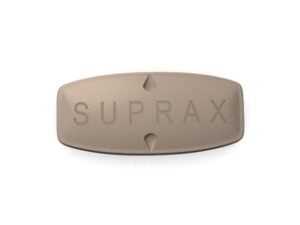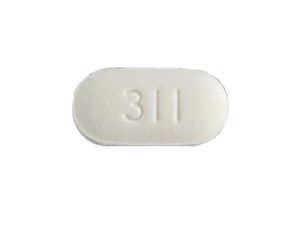


Rulide (Roxithromycin) – Patient-Friendly Medicine Information (Australia)
Rulide contains roxithromycin, an antibiotic used to treat certain bacterial infections. This page explains how it works, what it’s used for, how to take it safely, and what to watch for. If you have questions about whether it’s suitable for you, speak with a healthcare professional.
Quick Facts
- Active ingredient: Roxithromycin
- Medicine type: Antibiotic (macrolide)
- Common uses: Some bacterial infections of the throat, lungs/airways, skin, and certain sexually transmitted infections when appropriate
- How it’s taken: Usually by mouth, often once or twice daily depending on the infection and prescriber instructions
- Key safety points: Tell your doctor/pharmacist about heart rhythm history, medication interactions, allergies, and liver problems
Basic Product Information
| Feature | Information |
|---|---|
| Brand name | Rulide |
| Generic name | Roxithromycin |
| Drug class | Macrolide antibiotic |
| Route | Oral (tablets) |
| Typical dosing frequency | Often once or twice daily (varies by condition and dose) |
| Use | Treat bacterial infections; not for viral infections like colds/flu |
How Rulide Works (Mechanism of Action)
Roxithromycin belongs to the macrolide family of antibiotics. It works by interfering with how bacteria make proteins.
- Mechanism: Roxithromycin binds to the bacterial ribosome (50S subunit), which helps stop bacterial protein synthesis.
- Effect: This slows bacterial growth and can help eliminate the infection.
- Important note: Antibiotics only work against bacteria. They do not treat viruses such as those that cause common colds or the flu.
Pharmacokinetics (How the Body Handles It)
Pharmacokinetics describes how a medicine is absorbed, distributed, metabolised, and eliminated.
- Absorption: Roxithromycin is absorbed after oral dosing. Food can influence how quickly it reaches peak levels, but it generally remains effective.
- Distribution: It distributes into body tissues, including areas relevant to respiratory and skin infections.
- Metabolism: Part of the dose is metabolised in the body (primarily via hepatic pathways).
- Excretion: It is eliminated through both hepatic (bile/faeces) and renal (urine) routes.
- Half-life: Roxithromycin has a duration that commonly allows convenient dosing (such as once or twice daily depending on regimen).
Your clinician may adjust dosing if you have liver or kidney impairment, or if you take interacting medicines.
What Rulide Is Typically Used For (Indications)
Roxithromycin is used for certain bacterial infections where it is appropriate and where the likely bacteria are susceptible.
Typical clinical uses may include infections such as:
- Respiratory tract infections: e.g., certain infections of the throat, tonsils, sinuses, bronchitis, and community-acquired infections of the lower airways (when bacterial)
- Skin and soft tissue infections: mild to moderate bacterial skin infections
- Other bacterial infections: as determined by local guidelines and susceptibility patterns
Sexually transmitted infections (STIs): In some circumstances, antibiotics in this class may be used for specific infections as guided by testing and local recommendations. Your healthcare professional will base treatment on the infection identified and resistance considerations.
Resistance matters: Overuse or misuse can contribute to antibiotic resistance. Only use an antibiotic when it’s appropriate for a bacterial infection.
When to Take It (Timing and How to Use)
Follow the instructions provided with your medicine. If you’re unsure, check with your pharmacist or clinician.
- Take at evenly spaced times if dosed more than once per day (for example, every 12 hours).
- Try to take it at the same times each day to help maintain consistent levels.
- Finish the full course even if you feel better. Stopping early can allow infection to return.
- Missed dose: Take it when you remember unless it’s close to the next dose. Do not double up.
How long does it take to work?
Some symptoms may improve within 24–48 hours, but complete recovery may take longer. If symptoms worsen or do not improve after a reasonable time, seek medical advice.
Food Interactions (Can You Take Rulide With Meals?)
Roxithromycin can generally be taken with or without food depending on the specific product instructions and your tolerance.
- With food: May reduce the chance of stomach upset for some people.
- Without food: Some people may find it easier or feel no difference, but individual tolerance varies.
Practical tip: If you experience nausea or indigestion, try taking it with a meal or snack unless your pharmacist advises otherwise.
Alcohol and Medicine Interactions
Alcohol is not always strictly prohibited, but it can worsen side effects such as dizziness, nausea, or stomach upset and may also affect your immune response.
- Recommended: Avoid alcohol if possible while you’re taking an antibiotic, especially if you feel unwell.
- Safety: If you choose to drink, do so cautiously and observe how you feel. If you develop significant side effects, stop drinking and seek advice.
Roxithromycin interactions with other medicines
Roxithromycin can interact with other medicines, some of which may affect heart rhythm or drug levels.
Important categories to discuss with your pharmacist include:
- Medicines that affect heart rhythm (QT prolongation): Certain antiarrhythmics, some antipsychotics, and other QT-prolonging agents may increase risk.
- Strong liver enzyme inhibitors or complex interactions: Some medications can alter roxithromycin levels.
- Warfarin and blood thinners: Antibiotics can affect clotting in some cases—monitoring may be needed.
- Ergot derivatives: Co-administration with certain medicines can be unsafe.
- Some cholesterol-lowering medicines (e.g., statins): Interactions may affect muscle-related side effects in certain cases.
- Digoxin (and similar cardiac glycosides): Macrolides can increase levels in some patients.
Action step: Provide a full list of your medicines (including vitamins, herbal products, and over-the-counter products) to your pharmacist to check for interaction risks.
Dosing (Typical Regimens)
Dosing depends on the type and severity of infection, your age, and any liver/kidney concerns. Always use the dose provided for your specific condition.
General dosing guidance (adult):
- Roxithromycin is often prescribed as once daily or twice daily regimens depending on the indication and tablet strength.
- The exact dose and duration should follow local prescribing guidance and individual clinical factors.
Children: Doses for children may be based on body weight and clinical factors. Do not use adult dosing for a child without clinician guidance.
Duration: Courses commonly last several days to around one to two weeks depending on the infection. Completing the course is important.
Safety Profile (Side Effects and Warnings)
Like all medicines, Rulide (roxithromycin) can cause side effects. Not everyone will experience them.
Common side effects
- Nausea or upset stomach
- Vomiting
- Diarrhoea
- Headache
- Abdominal discomfort
Serious side effects (seek urgent medical advice)
Stop taking the medicine and seek urgent care if you experience:
- Allergic reaction (e.g., swelling of the face/lips, difficulty breathing, widespread rash)
- Severe or persistent diarrhoea, especially if watery or bloody (could indicate a serious bowel condition)
- Signs of liver problems such as yellowing of eyes/skin, dark urine, severe fatigue, or right upper abdominal pain
- Irregular heartbeat, fainting, severe dizziness, or palpitations
- Severe skin reactions (blistering, peeling, or painful rash)
Who should take extra care?
- People with a history of heart rhythm problems or low potassium/magnesium
- People with liver disease
- People with a history of allergic reactions to macrolide antibiotics
- People taking multiple medicines that can interact (especially heart-related medicines)
Practical Use Tips (Get the Best Results)
- Stay consistent: Set a daily reminder to take your dose on time.
- Hydrate: Drink water regularly, especially if you have diarrhoea.
- Don’t share antibiotics: Different infections require different treatment.
- Track symptoms: Note whether symptoms are improving after 24–48 hours.
- Manage diarrhoea carefully: Mild stomach upset can happen; persistent or severe diarrhoea should be assessed urgently.
- Watch for allergy: If you develop rash or breathing symptoms, stop and seek help.
Completing the course
Finishing the full regimen helps reduce the chance of recurrence and reduces the risk of antibiotic resistance.
Alternative Treatment Options
“Alternative options” may include other antibiotics, supportive care, or tests to confirm the cause of symptoms. Which option is appropriate depends on the infection site, severity, allergies, and local resistance patterns.
Examples of alternatives may include:
- Other macrolides (depending on susceptibility and guidelines)
- Penicillins or cephalosporins (when appropriate and if not allergic)
- Doxycycline or other agents for specific infections where recommended
- Supportive care for conditions where antibiotics are not beneficial (e.g., many viral illnesses)
Important: Do not switch antibiotics or start/stop based solely on symptom change—bacterial infections can worsen without the right coverage.
Australia Market & Legal/Guideline Context
In Australia, antibiotics are regulated to help protect patient safety and reduce antimicrobial resistance. Product availability, prescribing practices, and supply models can vary depending on the infection and patient circumstances.
- Antibiotic stewardship: Australian health authorities emphasise appropriate antibiotic use—taking them only when likely needed and completing courses.
- Resistance monitoring: Selection of antibiotics considers local resistance patterns.
- Local guidance: Treatment choices are often guided by Australian clinical guidelines and the likely bacteria involved.
- Safety screening: Clinicians/pharmacists may check for contraindications and drug interactions, especially for antibiotics with interaction risks.
Recent guidance (general): Ongoing public health efforts in Australia continue to support antimicrobial stewardship, including emphasising correct diagnosis, reviewing antibiotic necessity, and encouraging review if symptoms do not improve within expected timeframes.
Delivery and Availability (Online Pharmacy)
Availability can vary depending on local supply chains and product listings. When ordering online:
- Check pack size and strength: Confirm you are ordering the correct formulation and strength.
- Delivery timeframes: Delivery estimates may vary by location and dispatch schedules.
- Cold chain: Roxithromycin tablets generally do not require refrigeration.
- Packaging: Medicines should arrive sealed and in original packaging when applicable.
If you have urgent symptoms, severe symptoms, or signs of an allergic reaction, seek immediate medical assistance rather than waiting for delivery.
FAQ
1) Is Rulide the same as Roxithromycin?
Yes. Rulide is a brand name. The active ingredient is roxithromycin.
2) Can I use Rulide for a cold or flu?
No. Colds and flu are typically caused by viruses, and antibiotics like roxithromycin don’t treat viruses. Use antibiotics only for bacterial infections as advised.
3) What if I feel better after a day or two?
That’s common. However, you should still finish the full course unless a healthcare professional advises stopping.
4) What should I do if I miss a dose?
Take it when you remember unless it’s close to the next dose. Don’t take a double dose to make up for the missed one.
5) Can I take it with food?
Often yes. If it upsets your stomach, taking it with a meal or snack can help. Follow the directions provided with your medicine.
6) Are there restrictions with alcohol?
It’s generally best to avoid alcohol while you’re unwell and taking antibiotics, because it may worsen side effects and delay recovery. If you drink, do so cautiously.
7) What interactions should I be careful about?
Roxithromycin may interact with medicines that affect heart rhythm, blood clotting, digoxin, and others. Always share your full medicine list with a pharmacist.
8) Can I take it if I’m pregnant or breastfeeding?
It may be used in some situations, but it depends on your individual circumstances. Discuss risks and benefits with a healthcare professional.
9) When should I contact a doctor urgently?
Seek urgent care if you develop signs of allergy, severe diarrhoea, jaundice or severe liver symptoms, or irregular heartbeat.
10) If my symptoms don’t improve, what should I do?
If symptoms worsen or don’t improve within the expected timeframe, contact a healthcare professional. You may need reassessment, testing, or a different treatment plan.
Important Reminder
Rulide (roxithromycin) is intended for specific bacterial infections. Taking antibiotics inappropriately can contribute to resistance and may not improve symptoms. If you’re unsure about your diagnosis or treatment, seek advice promptly.