
Grifulvin (Griseofulvin) — Patient-Friendly Guide (Australia)
Grifulvin is a medicine used to treat certain fungal infections of the skin, hair, and nails. It works by stopping fungi from growing and spreading, allowing healthy tissue to replace infected tissue over time. This guide explains what Grifulvin does, how it’s taken, important interactions, and practical tips to help you use it safely.
Note: Information below is general and may vary depending on the specific product strength (e.g., tablet formulation) and your personal situation.
Basic Product Information
- Generic name: Griseofulvin
- Brand name: Grifulvin
- Medicine type: Antifungal
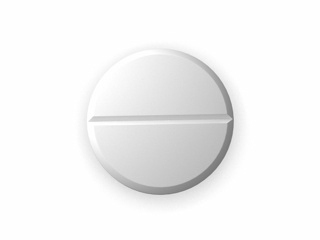
- Common forms: Oral tablets (availability and strengths may vary)
- How it’s taken: By mouth, typically with food
What Grifulvin Treats
Grifulvin is used for fungal infections caused by susceptible dermatophytes (fungi that infect keratin-containing tissues such as skin, hair, and nails). Your healthcare professional may recommend it for:
- Tinea corporis (ringworm of the body)
- Tinea capitis (ringworm of the scalp)
- Tinea barbae (beard area fungal infection)
- Onychomycosis (fungal nail infections), including toenails and fingernails in appropriate cases
- Other dermatophyte infections where systemic treatment is appropriate
Important: Grifulvin is not usually used for all types of fungal infections (for example, some yeast infections or deeper systemic fungal infections may require different medicines). If you’re unsure, check with a clinician or pharmacist.
How Grifulvin Works (Mechanism of Action)
Griseofulvin interferes with fungal cell division. More specifically, it:
- Binds to fungal microtubules (part of the cell’s internal structure needed for replication)
- Prevents normal fungal mitosis, stopping the fungus from multiplying
- Works while new skin, hair, and nail grow, so infected tissue can be replaced over time
Because hair and nails grow slowly, improvement can take weeks to months, especially for nail infections.
Pharmacokinetics (How the Body Processes It)
Understanding how Griseofulvin behaves in the body can help explain why food and dosing timing matter. While exact values can vary by formulation and individual factors, the key points are:
- Absorption: Absorption improves when taken with fat-containing meals.
- Distribution: It concentrates in tissues rich in keratin (skin/hair/nails) where dermatophytes grow.
- Metabolism: It is metabolised by the liver.
- Elimination: Metabolites are mainly cleared through the body over time, with clearance varying among individuals.
These properties mean that taking Grifulvin consistently and with the recommended food can improve effectiveness.
Typical Use and Treatment Timeline
Grifulvin is usually used when:
- the infection is moderate to severe, widespread, or difficult to treat with creams alone
- the infection involves scalp or nails (where oral therapy is often required)
- a clinician has confirmed a dermatophyte infection
Timeline expectations:
- Skin infections: may show improvement within 2–4 weeks, but full clearance can take longer.
- Scalp infections: may take 4–8 weeks or more.
- Nail infections: often require prolonged treatment, commonly weeks to months, because nails grow slowly.
Even if symptoms look better, it’s important to complete the prescribed course, because stopping too early can lead to recurrence.
Dosing: How It Is Usually Taken
Dosing depends on the condition being treated, age/weight (especially in children), and the specific formulation. Your pharmacist or healthcare professional will provide the exact instructions for your product.
General dosing principles:
- Oral dosing schedule: commonly once or twice daily, depending on the formulation and your diagnosis.
- Take at the same times each day to maintain consistent blood levels.
- Continue for the full course advised, even if you feel better.
Practical example: Many people are instructed to take Grifulvin with meals (often with a fatty meal) to support absorption. Always follow the directions on your medicine label.
For nail disease: Clinicians may recommend a duration that matches the nail growth cycle and follow-up strategy.
Timing: When to Take Grifulvin
Timing can influence how well your body absorbs the medicine. In general:
- With food: Griseofulvin is commonly taken with a meal, often recommended to include some fat.
- Consistency: take it at the same times each day.
- If you miss a dose: take it when you remember on the same day. If it’s close to your next dose, skip the missed dose and continue your regular schedule. Do not double up.
If you’re unsure after missing a dose, ask your pharmacist for advice based on your schedule and dosing frequency.
Food Interactions (What to Eat and Avoid)
Food can affect absorption. Taking Grifulvin with food—particularly meals that include fat—may improve how much medicine your body absorbs.
- Recommended: take with a meal or immediately after food, as instructed on your label.
- Avoid extremes: if you take it without food and your absorption is reduced, it may be less effective.
- Diet consistency: keeping meal patterns stable can help maintain consistent absorption.
If you have dietary restrictions, gastro-intestinal issues, or need advice about meal timing, speak with a pharmacist.
Alcohol Interactions
Grifulvin is metabolised by the liver. Drinking alcohol may increase stress on the liver. While occasional small amounts may not cause immediate harm for everyone, it’s generally advisable to:
- Avoid or limit alcohol during treatment.
- Seek medical advice if you plan to drink alcohol regularly or heavily.
Stop alcohol and seek urgent advice if you develop symptoms suggestive of liver problems (for example, yellowing of the skin/eyes, dark urine, severe fatigue, or persistent nausea/vomiting).
Medicine Interactions (Important Drug Interactions)
Griseofulvin can interact with other medicines, mainly because it may affect liver enzymes. Some interactions can reduce effectiveness of other drugs, while others can increase side effects.
Tell your pharmacist or doctor about all medicines you take, including:
- prescription medicines
- over-the-counter products
- herbal remedies (e.g., St John’s wort)
- vitamins or supplements
Common interaction themes to know:
- Hormonal contraceptives: enzyme effects may reduce effectiveness. If you use hormonal contraception, ask for specific guidance on whether you need additional protection during and after treatment.
- Warfarin: antifungal therapy can affect clotting control. If you take warfarin, close monitoring (e.g., INR checks) may be required.
- Liver-metabolised medicines: interactions may alter levels of other drugs.
- Drugs that also stress the liver: the combined effect may increase liver risk.
If you share your current medication list, a pharmacist can help check for interactions relevant to your regimen.
Safety Profile: What to Watch For
Like all medicines, Grifulvin can cause side effects. Many are mild, but some require prompt medical attention.
Common side effects
- Gastrointestinal effects: nausea, stomach upset, abdominal discomfort
- Headache
- Dizziness
- Skin reactions: rash or itching in some people
- Fatigue
Less common but important warning signs
- Allergic reaction: swelling of face/lips, difficulty breathing, widespread rash (seek urgent help)
- Liver problems: yellow skin/eyes, dark urine, severe abdominal pain, persistent vomiting
- Severe skin reactions: blistering, skin peeling, painful mouth sores
- Blood disorders (rare): unusual bruising, bleeding, severe sore throat or infections
If you notice serious symptoms, stop taking the medicine and contact urgent medical services or a healthcare professional immediately.
Practical Use Tips for Better Results
Antifungal treatment works best when medicine use is combined with good hygiene and practical measures to reduce reinfection. Consider the following tips:
- Keep the affected area clean and dry (especially for skin infections).
- Don’t share towels, hairbrushes, or hats.
- Wash bedding and clothing regularly if the infection is spreading or recurrent.
- Trim nails and keep them clean for nail infections (avoid picking).
- Follow the full course even after symptoms improve.
- Check for reinfection sources (e.g., family members, pets, sports equipment).
- Use supportive topical treatment if advised (some cases benefit from combining oral and topical antifungals).
For scalp infections, clinicians may recommend additional measures to reduce spread and improve clearance.
Alternative Options (Other Treatments for Fungal Infections)
The best option depends on the location (skin/scalp/nails), severity, and the specific fungus. Alternatives may include:
- Topical antifungals (creams, lotions, shampoos) for limited skin infections
- Other oral antifungals for scalp or nail disease, such as:
- terbinafine
- itraconazole
- fluconazole (in selected scenarios)
- Combination approaches (oral + topical) in some cases
Your pharmacist or doctor can explain which option is most suitable based on your diagnosis and history. For nail infections, options can vary in duration and monitoring requirements.
Market and Legal Context for Australia
In Australia, access to medicines is regulated through the Australian Register of Therapeutic Goods (ARTG) and the national scheduling system. Antifungal medicines like Grifulvin may be supplied based on the medicine’s listing, formulation, and compliance requirements.
When ordering online, reputable pharmacies in Australia typically confirm:
- your eligibility to receive the product
- identifying details required by law and pharmacy procedures
- any safety screening for interactions and suitability
If you are unsure about availability or supply rules for a specific product strength, contact the pharmacy before placing an order.
Recent Guidance and Practical Updates (What to Expect)
Guidance for fungal infections evolves as new clinical evidence appears. Practical points commonly reinforced in recent clinical practice include:
- Confirming the diagnosis (dermatophyte vs other causes of rash)
- Assessing for comorbidities that may affect safety (especially liver risk)
- Checking interactions with other commonly used medicines
- Managing expectations, particularly for nail disease where resolution can lag behind symptom improvement
- Promoting adherence by using consistent dosing and food timing
If you have not improved after an appropriate period, you may need re-evaluation, a change in treatment, or additional tests to identify the fungus.
Delivery and Availability (Australia)
Delivery times and availability vary by pharmacy and stock status. When ordering online:
- Check the product strength and formulation shown on the website match your intended medicine.
- Confirm delivery regions and expected dispatch times.
- Keep the medicine in original packaging to maintain label clarity.
Many pharmacies provide tracking and clear instructions on how to receive your order. If you’re treating a time-sensitive infection (e.g., scalp outbreaks), it’s helpful to order early so you can start therapy promptly.
How to Store Grifulvin
- Store at room temperature, away from direct sunlight and moisture (follow the label).
- Keep out of reach of children.
- Do not use after the expiry date printed on the pack.
Quick Safety Summary
| Topic | Key points |
|---|---|
| Best taken | Usually with food (often with some fat) and consistently at the same times daily. |
| Expected improvement | Skin/scalp: weeks; nails: months due to slow growth. |
| Alcohol | Consider avoiding or limiting; Griseofulvin is metabolised by the liver. |
| Liver warning signs | Yellow skin/eyes, dark urine, severe persistent nausea/vomiting—seek urgent help. |
| Drug interactions | Tell your pharmacist about all medicines, including hormonal contraception and warfarin. |
| Reinfection prevention | Hygiene, laundry, and avoiding shared items help reduce relapse. |
FAQ
1) How long does Grifulvin take to work?
Improvement time varies by infection site. Skin infections may start improving after 2–4 weeks. Scalp infections often take 4–8 weeks or longer. Nail infections commonly require months because nails grow slowly; the nail may only look normal after the treated nail has grown out.
2) Should I continue if my symptoms improve?
Yes. Fungal infections can persist even when symptoms reduce. Finishing the full course helps prevent relapse. If you want to stop early or you’re not improving, speak with a pharmacist or clinician for guidance.
3) Can I take Grifulvin on an empty stomach?
It’s generally recommended to take Grifulvin with food to improve absorption. If you routinely take it without food and notice poor response, discuss meal timing with your pharmacist.
4) What should I do if I miss a dose?
Take it as soon as you remember on the same day. If it’s close to the next scheduled dose, skip the missed dose. Do not double the dose. If you’re unsure, ask your pharmacist.
5) Are there foods I should avoid?
There are no universally “banned” foods, but consistency matters. Taking Grifulvin with a meal—often including some dietary fat—may help absorption.
6) Can I drink alcohol while taking Grifulvin?
Alcohol may increase liver stress. It’s generally wise to avoid or limit alcohol during treatment and seek advice if you plan to drink regularly or heavily.
7) Will Grifulvin interact with my other medicines?
It can interact with several medicines, especially those affected by liver enzyme activity. Tell your pharmacist about all medicines and supplements, including hormonal contraception and blood thinners like warfarin.
8) When should I seek urgent help?
Seek urgent medical attention for signs of allergy (swelling of the face/lips, trouble breathing, widespread rash). Urgently contact a healthcare professional for possible liver problems (yellowing skin/eyes, dark urine, severe persistent nausea/vomiting) or severe skin reactions.
9) Can I use topical antifungal cream as well?
Sometimes. For limited skin areas, topical treatments may be used alone or alongside oral therapy in selected cases. Follow clinician instructions and avoid using multiple antifungals unless advised, to prevent confusion and skin irritation.
10) What if I don’t improve after a while?
If there’s little or no improvement after an appropriate period, you may need:
- reassessment of the diagnosis (fungus vs eczema/other rash)
- review of adherence and food timing
- checking for reinfection sources
- consideration of alternative treatment options
If you have questions about whether Grifulvin is suitable for your condition, its dosing schedule, or possible interactions, your pharmacist can provide tailored advice based on your medication list and medical history.