Nizoral Shampoo (Ketoconazole 2%) – Patient Information (Australia)
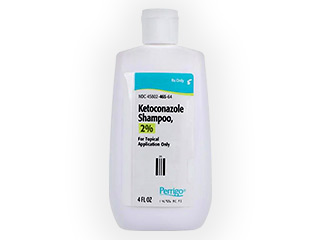
Nizoral Shampoo contains ketoconazole 2%, an antifungal medicine used to treat certain fungal and yeast-related conditions of the scalp. This patient-friendly guide explains what it is for, how it works, how to use it, and important safety information for people in Australia.
At a glance
- Active ingredient: Ketoconazole 2%
- Dosage form: Antifungal shampoo
- Common uses: Dandruff, seborrhoeic dermatitis, and pityriasis (tinea) versicolor (in some cases)
- Typical treatment schedule: Often 2–3 times weekly, with a contact time on the scalp before rinsing
- Age considerations: Use in children should follow healthcare professional or product guidance
Basic product information
Nizoral Shampoo is a medicated shampoo designed for scalp use. It helps reduce overgrowth of yeast (particularly Malassezia species), which can contribute to dandruff and inflammation.
| Feature | Details |
|---|---|
| Brand | Nizoral Shampoo |
| Strength | Ketoconazole 2% |
| Dosage form | Shampoo (topical) |
| Route of administration | Apply to scalp; rinse off after contact time |
| Target area | Scalp (and in some cases, other areas as advised) |
How ketoconazole works (mechanism of action)
Ketoconazole belongs to the azole antifungals group. It works by interfering with fungal growth. Specifically, it reduces the production of ergosterol, an essential component of fungal cell membranes. Without adequate ergosterol, fungal cells become less stable and can’t grow normally.
On the scalp, this helps control the yeast activity associated with dandruff and seborrhoeic dermatitis, easing redness, itch, scaling and flaking.
Pharmacokinetics (what happens in the body)
Because Nizoral Shampoo is applied to the skin surface, most of the medicine acts locally in the scalp. Systemic absorption is low when used as directed, especially compared with oral ketoconazole. After use, only small amounts are expected to enter the bloodstream.
- Local action: Antifungal effect on the scalp and hair follicles.
- Low systemic exposure: Reduced likelihood of whole-body effects.
- Rinsing after contact time: Limits the amount absorbed through the skin.
Individual absorption can vary depending on skin condition (for example, inflamed or broken skin may increase absorption), the amount used, and how long it remains on the scalp.
Indications: what conditions it is used for
Nizoral Shampoo (ketoconazole 2%) is used to treat conditions where yeast overgrowth plays a role, including:
- Dandruff (seborrhoeic dermatitis of the scalp): Common flaking and scaling, sometimes with itch.
- Seborrhoeic dermatitis: Scalp inflammation with redness and flakes.
- Pityriasis (tinea) versicolor (also known as “tinea versicolor” or “pityriasis versicolor”) (primarily involves the skin; treatment approach may vary). Some regimens use ketoconazole topically in certain areas under medical guidance.
If you’re unsure whether your scalp problem fits these conditions (for example, psoriasis, eczema, fungal infections of hair shafts, or bacterial folliculitis), it’s a good idea to seek advice from a pharmacist or doctor.
Typical dosing and how to time it
Always follow the instructions on the product label or the advice of your healthcare professional. The dosing below reflects common adult usage patterns for ketoconazole 2% shampoo.
Adults and adolescents (common approach)
- For dandruff / seborrhoeic dermatitis: apply to the scalp and massage gently, then leave for about 3–5 minutes before rinsing. Use usually 2–3 times per week for several weeks.
- Maintenance (prevention of relapse): once symptoms improve, some people reduce frequency to about once weekly or as needed to keep flaking under control.
Children
Use in children should be guided by a pharmacist or healthcare professional, especially for younger children and for long-term or repeated courses. Avoid using on broken skin and ensure the eyes and mouth are protected during application.
Step-by-step practical timing
- Wet the scalp thoroughly.
- Apply Nizoral Shampoo and massage into the affected areas.
- Leave it on for 3–5 minutes. During this time, keep it away from the eyes.
- Rinse well with water.
- Repeat the routine according to your schedule (for example, 2–3 times weekly initially).
When to expect improvement: Some itch and scaling may improve after the first few washes, but full control often takes several weeks. If there is no improvement after the recommended course, consider medical review rather than simply continuing indefinitely.
Food interactions
Because Nizoral Shampoo is used on the skin and is rinsed off, food interactions are not expected. You can usually eat and drink normally while using this shampoo.
Alcohol and medicine interactions
Alcohol: No specific alcohol-related interactions are expected with this topical shampoo. However, avoid getting the product into areas where alcohol-containing products could increase irritation (for example, on broken skin).
Other medicines: Since systemic absorption is low, clinically significant interactions are unlikely. Still, keep your healthcare team informed if you use other treatments on your scalp (including prescription or herbal products).
- Other scalp products: If you use moisturisers, steroid lotions, or other medicated shampoos, follow a schedule to avoid irritation.
- Skin sensitivity: Using multiple harsh products at the same time may worsen dryness or irritation.
- Eye exposure: Ketoconazole shampoo should not enter the eyes. Rinse promptly if contact occurs.
How to use Nizoral Shampoo (practical tips)
Best results for scalp conditions
- Massage thoroughly: Gently work the shampoo into the scalp, not only the hair.
- Don’t shorten the contact time: The medicine needs a few minutes on the scalp to work effectively.
- Be consistent: Yeast-associated flares respond better when used at regular intervals.
- Rinse well: Leaving residue can cause dryness or irritation for some people.
What if your hair is greasy or dry?
- If your scalp feels dry, ensure you moisturise the hair lengths (not the scalp if it worsens), using conditioner after rinsing.
- If your scalp feels greasy, you may benefit from regular use as advised and avoiding heavy styling products close to the scalp.
Common mistakes to avoid
- Using too rarely: Dandruff can return if maintenance is skipped.
- Using only on visible flakes: For seborrhoeic dermatitis, treat the broader affected scalp area.
- Combining with irritants: Avoid applying alcohol-based toners or strong acne/anti-itch products on the scalp while shampooing.
Safety profile and precautions
Most common side effects
Like all medicines, Nizoral Shampoo can cause side effects, although many people experience none or only mild effects. Possible skin-related reactions include:
- Itching or irritation
- Redness or burning sensation
- Dryness or mild flaking
- Hair texture changes (temporary in some users)
- Contact sensitivity (rare)
Serious side effects (seek help urgently if)
Serious reactions are uncommon with topical use, but stop using and seek medical help if you develop:
- Swelling of the face, lips or throat
- Severe rash, blistering, or widespread skin peeling
- Difficulty breathing
When to talk to a pharmacist or doctor
- If symptoms don’t improve after the recommended course
- If you have painful scalp, pus, crusting, or rapidly worsening redness
- If you suspect a different condition (for example, psoriasis or eczema)
- If you are using it in children or for long periods
Pregnancy and breastfeeding
Because absorption from a shampoo is typically low when used as directed, it is generally considered lower risk than oral antifungals. However, if you are pregnant, planning pregnancy, or breastfeeding, ask a pharmacist or doctor for advice tailored to your situation.
Storage and handling
- Store at room temperature as directed on the label.
- Keep out of reach of children.
- Check the expiry date before use.
Recent guidance and practical clinical considerations (Australia)
In Australia, seborrhoeic dermatitis and dandruff are commonly managed with topical antifungals. Ketoconazole shampoo remains a widely used option, particularly when symptoms recur or when flaking is persistent. Current best practice generally focuses on:
- Regular scalp treatment during flares
- Maintenance dosing to reduce relapse
- Using medical review when the appearance is atypical, symptoms are severe, or there is treatment failure (to exclude other scalp disorders).
Guidance may vary depending on local clinical advice and product availability. If you have recurrent or difficult symptoms, it’s worth discussing your pattern of flares with a pharmacist or GP/dermatologist.
Alternative treatment options
If ketoconazole shampoo isn’t suitable for you (for example, due to irritation, lack of response, or preference), several other evidence-based alternatives are often used for dandruff or seborrhoeic dermatitis. Choice depends on your symptoms and how sensitive your scalp is.
- Zinc pyrithione shampoos: Help reduce yeast-related causes of dandruff for many people.
- Selenium sulfide shampoos: Can reduce flaking and scale, sometimes helping itching.
- Coal tar preparations: May help with scaling and inflammation in some individuals.
- Salicylic acid shampoos: Helps lift scale and makes it easier for other treatments to reach the scalp.
- Topical corticosteroids (short courses): Sometimes used for strong inflammation, under healthcare guidance.
- Other antifungals: Depending on availability and suitability, different antifungal actives may be used.
If you’re switching products, consider spacing out treatments to reduce the chance of irritation. A pharmacist can help you choose an approach.
Market and legal context for Australia (overview)
In Australia, topical treatments for dandruff and seborrhoeic dermatitis may be supplied through pharmacies and online pharmacy services depending on the product formulation and scheduling. Availability can vary by brand, pack size, and the status of the medicine at the time of sale.
When purchasing online, ensure the supplier is reputable, the product is intended for sale in Australia, and the packaging is not damaged. Check expiry dates and that the strength matches what you intend to use.
Delivery and availability
Online pharmacies across Australia typically offer:
- Home delivery to metro and regional areas (delivery times vary by postcode).
- Tracking for orders where available.
- Secure packaging to protect bottles from leakage or damage.
Availability can depend on demand and supply chain timing. If a pack is temporarily out of stock, some services allow back-order or similar product alternatives.
Frequently Asked Questions (FAQ)
1) How often should I use Nizoral Shampoo?
A common schedule for dandruff or seborrhoeic dermatitis is 2–3 times per week for the initial period, leaving it on the scalp for 3–5 minutes. Once symptoms improve, many people use it about once weekly as maintenance. Follow your product label or pharmacist advice.
2) Will I see results right away?
You may notice reduced itching and fewer flakes after the first few washes. However, full control often takes several weeks. If there’s no meaningful improvement after the recommended course, seek advice.
3) Can I use conditioner with this shampoo?
Yes. Many people condition the hair lengths after rinsing. If your scalp becomes irritated, try applying conditioner only to the lengths and avoiding the scalp.
4) What if I accidentally get it in my eyes?
Rinse the eyes promptly with plenty of water for several minutes. If irritation persists, seek medical advice.
5) Is it safe for sensitive skin?
Some people experience mild irritation. If you get burning or significant redness, stop using and talk to a pharmacist. Avoid combining multiple potentially irritating scalp products at the same time.
6) Can I use Nizoral Shampoo every day?
Daily use is not usually necessary and may increase irritation for some users. Use the frequency recommended on the label or by a pharmacist, and reduce to maintenance once symptoms improve.
7) Does it stain hair or affect hair colour?
Ketoconazole shampoo is not typically known for permanent hair staining. If you notice changes in hair texture, reduce frequency and consider switching products. Use conditioner to reduce dryness.
8) Will it work for all scalp conditions?
Nizoral Shampoo is designed for yeast-related conditions such as dandruff and seborrhoeic dermatitis. If your scalp looks different (for example, thick plaques, honey-coloured crusts, or patchy hair loss), you may have another condition that needs different treatment.
9) Are there any food or alcohol concerns?
Food interactions are not expected because this is a topical shampoo. Alcohol interactions are also not expected with standard topical use.
10) What should I do if my symptoms come back?
Dandruff and seborrhoeic dermatitis often relapse. After initial improvement, maintenance use (for example, once weekly) can help prevent flare-ups. If frequent relapses occur or symptoms worsen, ask a healthcare professional for assessment.
Summary
Nizoral Shampoo (ketoconazole 2%) is an antifungal shampoo used to treat dandruff and seborrhoeic dermatitis by reducing yeast growth on the scalp. It is usually applied 2–3 times weekly during flares, with a 3–5 minute contact time, then reduced to maintenance once symptoms improve. With proper use, it can help control scaling, itch, and inflammation for many people in Australia.